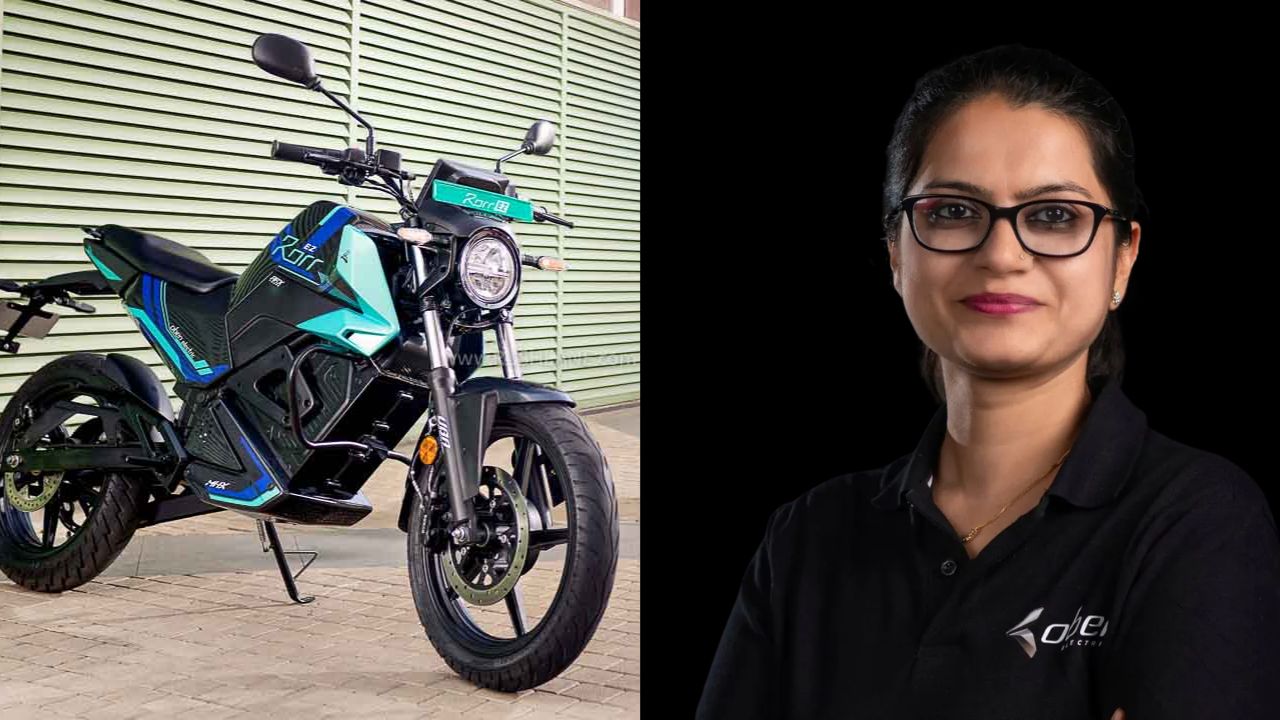
In a market where electric scooters have dominated early EV adoption, Madhumita Agarwal sees the bigger opportunity elsewhere. As Founder and CEO of Oben Electric, she is building a brand focused entirely on electric motorcycles, targeting India’s massive commuter base that has largely been ignored by the EV industry so far. In this conversation, she talks about the company’s growth plans, battery technology choices, after-sales priorities, and what it will genuinely take for electric motorcycles to go mainstream in India.
Company Update and Current Scale
Oben Electric has spent the last year building its foundation. The brand now operates through approximately 100 stores across multiple dealer partners, with products reaching tier 1 to tier 4 cities, which was always part of the original vision. Agarwal describes 2025 as a year focused on stabilising distribution and understanding the nuances of scaling as a new brand. The next phase is squarely about growth: more cities, more states, and new products built on the trust established so far.
Strategic Focus: Motorcycles Only
Oben Electric has no plans to diversify into scooters or any other two-wheeler segment. Agarwal is firm on this point. She believes there is a massive and largely untapped gap in the electric motorcycle space specifically, and that is where the company’s energy will remain concentrated.
When it comes to the next two to three years, after-sales and service top the priority list. As more vehicles enter the road, the quality of the ownership experience becomes critical. Agarwal views the relationship between an OEM and its customers as a long-term commitment, and building that trust is the company’s most important goal right now.
Technology and Localisation
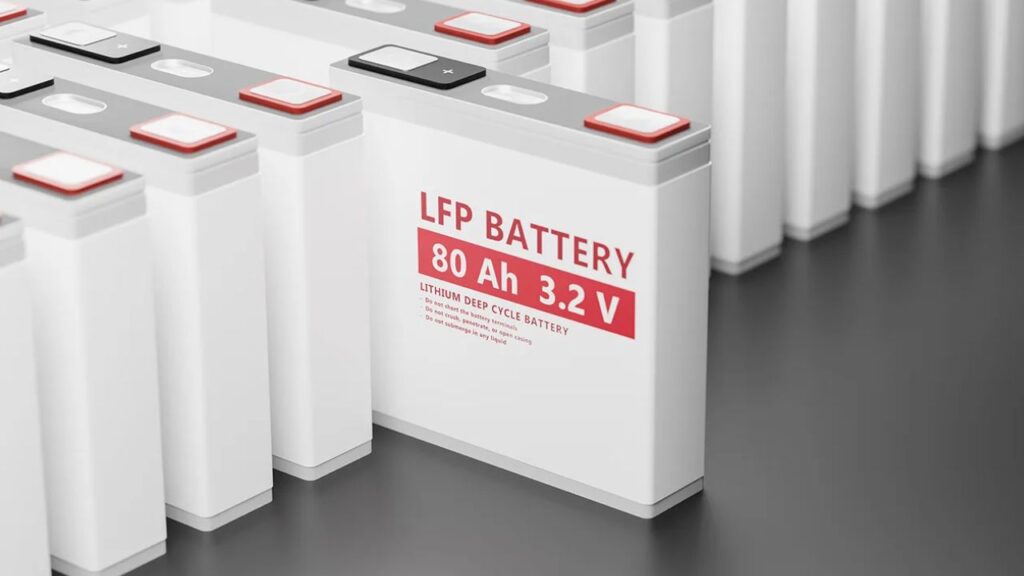
Oben Electric has made a deliberate choice to build around LFP battery chemistry rather than the NMC batteries used by most two-wheeler EV brands. Agarwal believes LFP still has significant room to evolve and does not expect newer technologies like solid-state batteries to reach two-wheelers at viable costs anytime soon. Within LFP, she sees meaningful scope for continued innovation, which made it the right long-term foundation for the brand.
On localisation, Oben stands at approximately 99 percent. Like most global players, the company imports battery cells and magnets, which are predominantly manufactured in China. All critical components, however, are produced in-house, while parts like brakes and suspension are sourced domestically.
Market Demand and Production Capacity
Agarwal believes the electric motorcycle market in India has barely been explored. Demand is substantial, but the segment remains largely unaddressed by the industry. Oben’s current annual production capacity sits at around 1 lakh units, with scaling planned once the company approaches that threshold organically.
On the topic of Battery-as-a-Service, Agarwal takes a cautious view. While BaaS can reduce upfront costs for consumers, the financial burden has to be absorbed somewhere. If it weighs too heavily on the company’s balance sheet, it risks becoming unsustainable over time.
What It Takes to Win the Commuter
Agarwal outlines a clear hierarchy of factors that determine whether a commuter will switch from petrol to electric. Design leads the list, because a motorcycle is both a daily tool and a status symbol, and anything average simply will not work. Performance comes next, with acceleration, agility, and ride feel needing to genuinely match a petrol motorcycle. Range must comfortably cover daily usage, and price is evaluated early in the buying process. Safety concerns tend to surface slightly later, and while running cost savings are well understood by consumers, they will not accept a compromise on the riding experience in exchange for them.
Why Motorcycles Over Scooters
India’s early EV adoption followed the pattern set by China, where scooters dominate, resulting in a scooter-led transition simply because electric motorcycles were not available. But India is the world’s largest motorcycle market, and that enormous consumer segment has gone largely unserved by the EV industry. Scooters offer practicality and storage and suit short city commutes well. Motorcycles, however, speak to a different buyer with different expectations around performance, identity, and daily range. Oben sees this as its core opportunity and acknowledges it is a harder problem to solve, but believes the scale of the opportunity justifies the challenge.
Battery Lifespan: Less of a Concern Than You Think
Most two-wheeler EVs in India use NMC batteries with a lifecycle of roughly three years. Oben has adapted car-grade LFP technology for motorcycles, which is a significant engineering undertaking, and its batteries are designed to last approximately eight years. Even beyond that point, the packs continue to function, though with some gradual performance degradation. For buyers concerned about long-term ownership costs, this is one of Oben’s clearest competitive advantages over rivals using NMC chemistry.
Pros and Cons of Oben Electric’s Approach
| Strengths | Challenges |
|---|---|
| Focused entirely on an underserved motorcycle segment | New brand still building consumer trust |
| 99 percent localised manufacturing | Battery cells and magnets still imported |
| LFP battery engineered to last around 8 years | Scaling production to meet growing demand |
| Dealer network already reaching tier 4 cities | Competing against deep-rooted petrol motorcycle loyalty |
| Strong after-sales focus from an early stage | BaaS not currently part of the offering |
Madhumita Agarwal is building Oben Electric on a clear and focused thesis: India’s electric two-wheeler story cannot be complete without motorcycles, and no one is seriously solving that problem yet. With a 99 percent localised product, a battery engineered to last eight years, and a growing dealer network already reaching smaller cities, the foundation looks solid. The next two to three years will reveal whether Oben can convert that foundation into the scale and brand trust needed to compete in one of the world’s most demanding two-wheeler markets.
FAQ
- Will Oben Electric expand beyond motorcycles?
- No. Oben is committed to remaining a motorcycle-only brand and sees the electric motorcycle segment as a large enough opportunity to focus on exclusively.
- What battery does Oben use and why?
- Oben uses LFP battery chemistry, chosen for its longer lifecycle, safety advantages, and long-term cost viability compared to NMC batteries used by most rivals.
- How long do Oben’s batteries last?
- Oben’s batteries are designed to last approximately eight years, significantly longer than the roughly three-year lifecycle typical of NMC-based two-wheeler EV batteries.
- How localised is Oben’s manufacturing?
- Approximately 99 percent. Battery cells and magnets are imported, but all critical components are manufactured in-house and remaining parts are sourced domestically.
- What is Oben’s current production capacity?
- Around 1 lakh units annually, with scaling planned as demand approaches that level.