At 21Motoring, our team has analysed the latest EV policies across major states in May 2026 by reviewing official notifications, speaking with dealerships, and calculating real on-road savings for popular models like Tata Nexon EV, MG Windsor EV, and top electric scooters. Combined with central incentives under the PM E-DRIVE scheme, state subsidies significantly impact the total cost of ownership.
This guide provides a clear, updated overview of state-wise EV subsidies, potential savings on cars and two-wheelers, and practical recommendations for buyers in 2026.
Central Government Support (PM E-DRIVE Scheme)
The central scheme continues to provide upfront reductions through manufacturers. For electric two-wheelers, incentives are around ₹2,500 to ₹5,000 per kWh in 2026 (phased down). Electric cars and SUVs receive support mainly through tax benefits and charging infrastructure push, with limited direct purchase subsidies for private buyers. Most meaningful savings for four-wheelers come from state-level benefits.
State-Wise EV Subsidies and Incentives in 2026
Benefits typically include direct purchase subsidies (₹ per kWh with caps), 100% road tax exemption, registration fee waivers, and additional perks like scrappage bonuses. Policies are time-bound and subject to fund availability.
Major States EV Incentives Table (May 2026)
| State | Direct Subsidy (Cars) | Direct Subsidy (2W) | Road Tax Exemption | Registration Fee | Max Savings Potential (Car) | Notes |
|---|---|---|---|---|---|---|
| Maharashtra | Up to ₹2.5 lakh | Up to ₹25,000 | 100% | Waived | ₹2.5 – 3 lakh | Highest overall for cars |
| Delhi | Up to ₹1.5 lakh | Up to ₹30,000 | 100% | Waived | ₹1.8 – 2.5 lakh | Strong for both segments |
| Gujarat | Up to ₹1.5 lakh (₹10,000/kWh) | Up to ₹20,000 | 100% | Waived/Partial | ₹1.8 – 2.5 lakh | High per kWh benefit |
| Karnataka | Limited / No direct | Varies | 100% | Waived (under limit) | ₹1.5 – 2 lakh | Excellent infrastructure |
| Tamil Nadu | No direct for private cars | Varies | 100% | Waived | ₹1.5 – 2.3 lakh | Manufacturing hub focus |
| Telangana | No direct | Varies | 100% (till Dec 2026) | Waived | ₹1.2 – 2 lakh | Time-bound tax relief |
| Uttar Pradesh | Limited | Varies | 100% | Waived | ₹1.2 – 1.8 lakh | Good for commercial EVs |
| Rajasthan | Up to ₹1 lakh | Up to ₹10,000 | 100% | Waived | ₹1 – 1.5 lakh | Improving policy |
| Odisha | Up to ₹1 lakh | Varies | 100% | Waived | ₹1 – 1.5 lakh | Decent support |
Note: Figures are approximate maximums. Actual benefits depend on battery capacity, vehicle price, model year, and stock. Always verify with local RTO and dealer.
How Much You Can Save: Real Examples
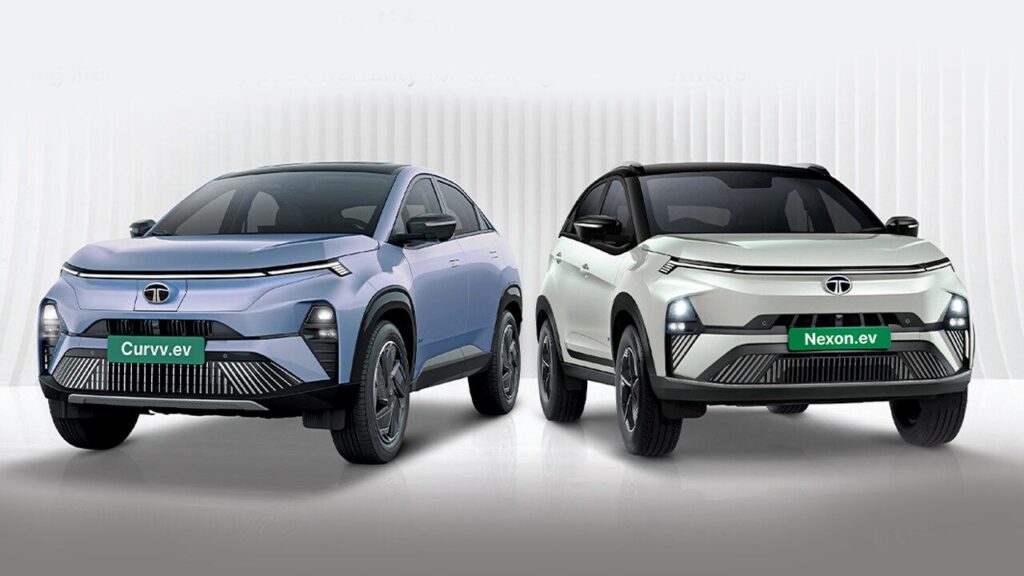
For a Tata Nexon EV (45 kWh, ex-showroom ~₹15 lakh):
- In Maharashtra or Delhi: Direct subsidy + full tax waivers can reduce on-road price by ₹2 – 3 lakh.
- In Tamil Nadu or Karnataka: Savings of ₹1.5 – 2.3 lakh mainly from tax exemptions.
- In states with no direct subsidy: Still save ₹80,000 – 1.5 lakh via road tax and registration waivers.
For electric scooters (e.g., Ola S1 X or TVS iQube):
- Delhi and Maharashtra can offer ₹20,000 – 30,000 + tax benefits.
- Total savings often make EVs cheaper than petrol equivalents from day one in top states.
Best States to Buy an EV in 2026
1. Maharashtra Leads with the highest direct subsidies (up to ₹2.5 lakh for cars) plus full tax exemptions. Ideal for buyers looking for maximum upfront reduction.
2. Delhi Excellent balanced policy with strong subsidies for both two-wheelers and cars, plus scrappage incentives. Best for NCR residents.
3. Gujarat High per kWh subsidy (₹10,000) makes larger battery EVs very attractive. Good infrastructure support.
4. Karnataka & Tamil Nadu Strong on tax waivers and charging network. Tamil Nadu is great for long-term ownership due to manufacturing ecosystem.
Real-World Ownership Considerations
In our analysis across states, total savings also depend on electricity tariffs, charging access, and insurance. Home charging in states like Delhi or Maharashtra can bring running costs to ₹1-1.5 per km. Resale value remains stronger in states with robust EV policies.
Some states have exhausted direct subsidy budgets, shifting focus to tax waivers. Policies change frequently, so check the latest notifications.
21Motoring Verdict and Buying Recommendation
In 2026, Maharashtra, Delhi, and Gujarat clearly stand out as the best states to buy an EV due to higher direct incentives and comprehensive benefits. Buyers in other states still benefit significantly from road tax and registration exemptions, which can save ₹1-2 lakh on mid-size EVs.
We recommend calculating your exact savings using local RTO quotes and comparing 5-year ownership costs. Prioritise states with strong charging infrastructure if you plan frequent highway travel. Registering the vehicle in a high-subsidy state (if feasible) can maximise benefits, but residency rules often apply.
Test drive your shortlisted EV and confirm all incentives with the dealer before purchase. With improving policies and falling battery costs, 2026 remains an excellent time to switch to electric.