At 21Motoring, our team has tested numerous electric vehicles equipped with different battery chemistries across hot Indian summers, monsoon conditions, city traffic, and highway runs throughout 2025 and 2026. We have evaluated real-world range, charging behaviour, thermal management, and long-term degradation on popular models like the Tata Nexon EV, MG Windsor EV, and various electric scooters.
This guide breaks down the key battery technologies relevant to Indian buyers. It focuses on practical differences in daily use, total cost of ownership, safety in Indian conditions, and upcoming developments to help you make an informed purchase decision.
LFP vs NMC Batteries: Which Chemistry Suits You Better
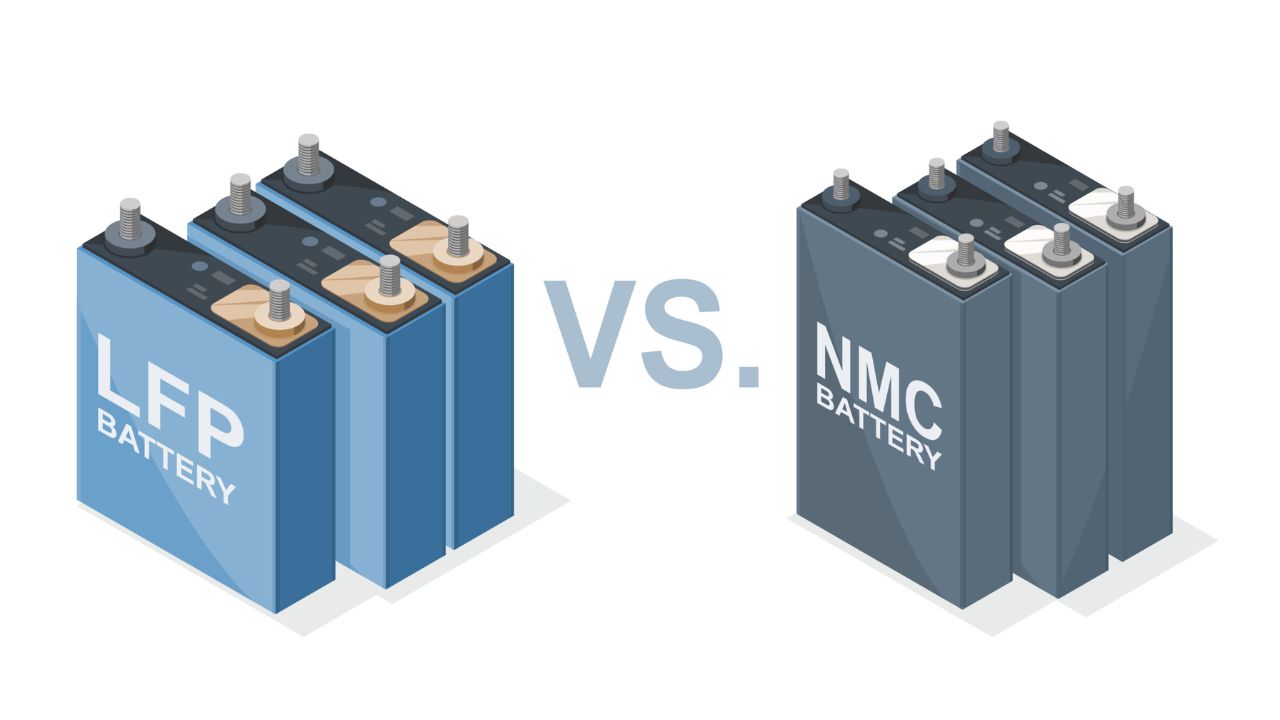
LFP (Lithium Iron Phosphate) and NMC (Nickel Manganese Cobalt) are the two dominant lithium-ion battery types in Indian EVs in 2026. They differ significantly in performance, cost, safety, and longevity.
LFP vs NMC Comparison Table (2026 Real-World Context)
| Parameter | LFP Batteries | NMC Batteries |
|---|---|---|
| Energy Density | 90-160 Wh/kg | 150-220 Wh/kg |
| Real-World Range | Moderate (better for city use) | Higher (better for highway) |
| Safety | Excellent thermal stability, lower fire risk | Good, but higher thermal runaway risk |
| Cycle Life | 3,000-5,000+ cycles | 1,500-2,500 cycles |
| Cost per kWh | Lower (more affordable) | Higher |
| Cold Weather Performance | Slightly poorer | Better |
| Heat Tolerance (Indian Summers) | Excellent | Good |
| Best For | Daily commuting, high usage, fleets | Long range, performance-oriented buyers |
Key Insights from Our Testing:
- LFP batteries excel in India’s hot climate due to superior thermal stability. They support frequent 100% charging with minimal degradation and offer lower running costs over 5-8 years. Many entry-level and mid-range EVs, especially scooters and compact SUVs, now use LFP.
- NMC batteries provide better range in the same battery size and weight, making them suitable for buyers who frequently travel highways or need maximum range from a compact pack. However, they are more expensive and may show slightly faster degradation in high-heat conditions if thermal management is average.
For most Indian buyers driving under 150 km daily with home charging, LFP offers better long-term value and peace of mind.
Solid-State Batteries: Current Status in 2026
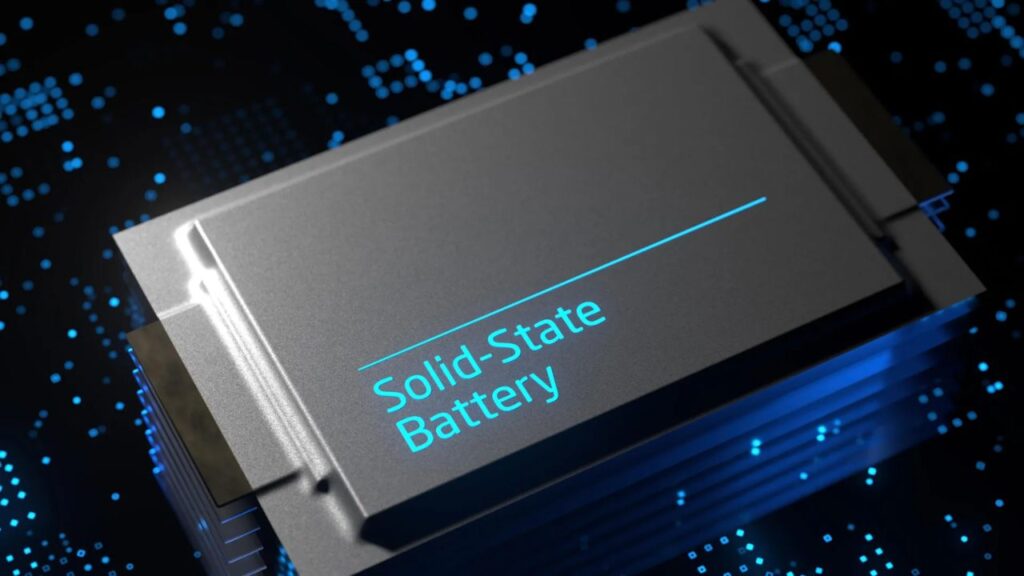
Solid-state batteries promise higher energy density (potentially 300-500 Wh/kg), faster charging, improved safety, and longer life by replacing liquid electrolytes with solid materials.
In 2026, true all-solid-state batteries remain in pilot and early production stages globally. Some semi-solid or hybrid designs are entering limited vehicles, mainly in China, with claims of 350+ Wh/kg and ranges exceeding 1,000 km in prototypes. Major players like Toyota, CATL, and others target broader commercial rollout between 2027 and 2030.
For Indian buyers, solid-state technology is not yet available in mass-market vehicles. When it arrives, expect higher upfront costs initially, with benefits in safety and range. Watch for announcements from Tata, MG, and emerging Indian battery manufacturers in the coming years.
Battery Swapping vs Plug-in Charging Infrastructure in India
India is developing both technologies simultaneously, with each suiting different use cases.
Battery Swapping:
- Ideal for high-usage fleets, delivery bikes, and ride-hailing.
- Swap takes 3-5 minutes, minimising downtime.
- Battery-as-a-Service (BaaS) model reduces upfront vehicle cost.
- Growing network focused on two-wheelers and three-wheelers in major cities.
- Advantages: Lower grid strain per station and better for users without home charging.
Plug-in Charging:
- More flexible for private buyers with home or office charging access.
- DC fast charging (up to 60-150 kW) is expanding on highways.
- 10-80% charge in 30–50 minutes on good chargers.
- Better for personal cars where you control the battery.
In our observations, swapping dominates commercial segments while home and public charging remains preferred for personal EVs. Both will coexist, with interoperability standards improving by late 2026.
Practical Buying Advice for Indian Buyers in 2026
- City commuting and budgets under ₹15 lakh: Choose LFP battery vehicles for lower costs and durability.
- Highway runs and longer range needs: Consider NMC-equipped models.
- Fleet or commercial use: Prioritise LFP with swapping where available.
- Always check battery warranty (typically 8 years/1.6 lakh km) and thermal management system quality.
Factor in electricity tariffs, home charger installation, and state subsidies when calculating savings.
Pros and Cons Summary
LFP
- Pros: Safer, longer life, cheaper, heat tolerant.
- Cons: Lower energy density, slightly heavier packs.
NMC
- Pros: Higher range, better performance.
- Cons: Costlier, potentially shorter life.
Solid-State
- Pros (Future): Superior safety and density.
- Cons (2026): Limited availability and higher cost.
21Motoring Verdict
For the majority of Indian buyers in 2026, LFP batteries strike the best balance of safety, cost, and longevity, especially in hot climates and for typical daily usage. NMC remains relevant for those prioritising maximum range. Battery swapping complements fast charging beautifully for commercial users, while solid-state technology represents the exciting mid-to-long-term future.
We recommend focusing on real-world warranty, brand service network, and your actual driving pattern rather than chasing the latest chemistry. Test drive vehicles with different battery types and calculate your 5-7 year ownership costs before buying.