The Indian automotive market has always been a challenging landscape for manufacturers, characterized by price-sensitive consumers who demand maximum value, high fuel efficiency, and unparalleled practicality. For decades, the large Indian family faced a major dilemma: hatchbacks were affordable but too small, while traditional Multi-Purpose Vehicles (MPVs) like the Toyota Innova or even the Maruti Suzuki Ertiga required stretching the budget significantly. Entering this massive void in 2019 was a revolutionary product from the French automaker, the Renault Triber. Now updated for 2026, the Renault Triber continues to hold its crown as the most affordable 7-seater crossover MPV in the market. By blending the rugged aesthetics of an SUV, the practicality of an MPV, and the footprint and affordability of a hatchback, Renault has engineered a vehicle that defies conventional automotive segments. This deep dive explores the engineering, packaging, performance, and overall value proposition of the Renault Triber to understand why it remains a game-changer for the modern family.
The Engineering Marvel, Cracking the Sub-4 Meter Code
In India, vehicle length plays a critical role in pricing due to the government’s tax structure, which heavily favors cars measuring less than four meters in length and featuring engine capacities under 1.2 liters for petrol. Traditional 7-seaters generally stretch well beyond four meters to accommodate a third row, pushing them into a higher tax bracket and consequently, a higher retail price. Renault’s engineers took on the Herculean task of fitting seven usable seats into a sub-4 meter footprint, and the result is nothing short of an engineering marvel.
Built on a heavily modified version of the CMF-A architecture dubbed the CMF-A+ platform the Renault Triber maximizes its interior volume by pushing the wheels to the absolute corners of the chassis. With an overall length of 3990 mm and a wheelbase of 2636 mm, the platform allows for a surprisingly spacious cabin. The packaging is so clever that the engine bay is compressed to liberate maximum room for the passenger compartment. This architectural genius allows the Triber to offer the cabin space of a much larger vehicle while remaining incredibly easy to maneuver in tight, congested city streets, offering a unique blend of urban agility and large-family capability.
Exterior Design: The Crossover MPV Stance
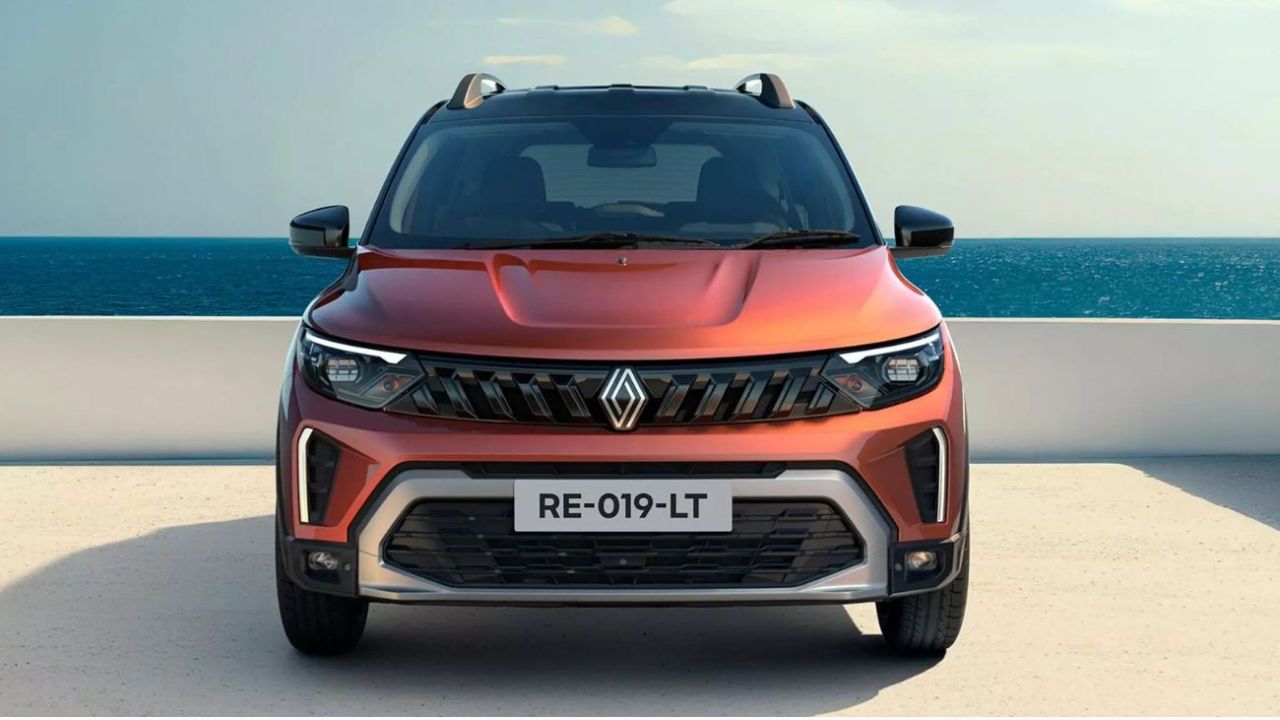
While MPVs are traditionally known for their van-like, utilitarian silhouettes, the Renault Triber adopts a more rugged, crossover-inspired design language to appeal to the younger, style-conscious demographic. Renault understood that buyers want practicality but do not want to compromise on road presence. The front fascia is bold, featuring a triple-edge chrome front grille flanked by sleek projector headlamps and stylish LED Daytime Running Lights (DRLs). The recent 2026 cosmetic updates have further sharpened its face with a redesigned bumper and piano-black finishes that add a touch of premium appeal.
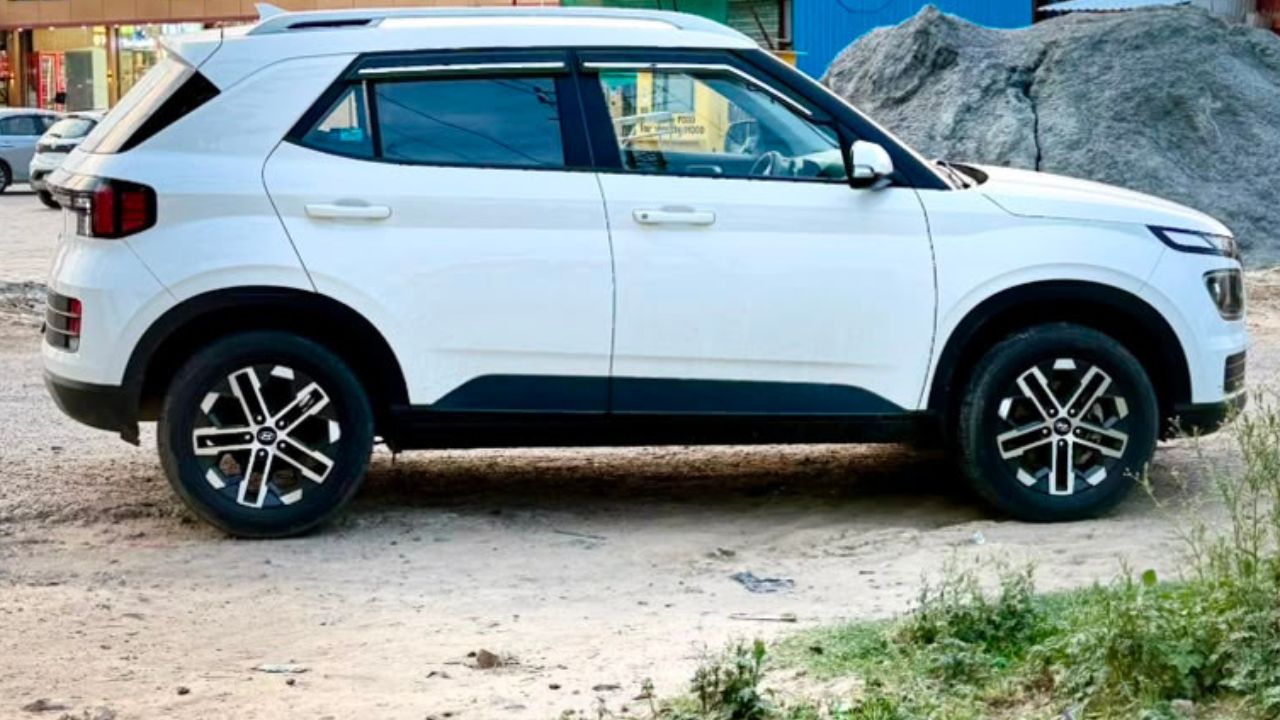
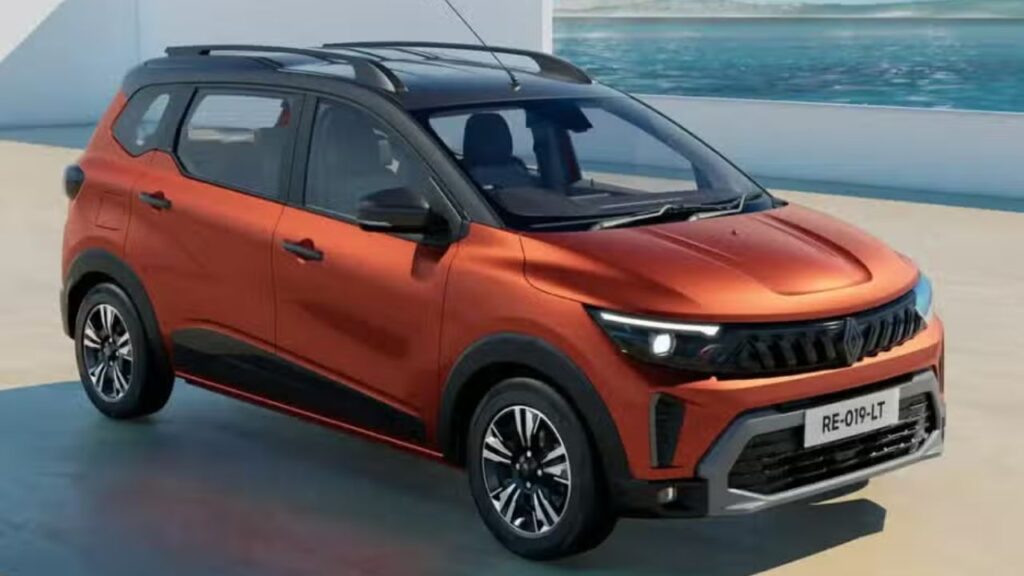
Moving to the side profile, the Triber completely masks its MPV proportions. Flared wheel arches with thick black cladding, SUV-like front and rear skid plates, and a generous ground clearance of 182 mm give it an assertive, high-riding stance. This ground clearance is not just for show; it allows the fully loaded Triber to glide over large speed breakers and pothole-ridden rural roads without scraping its underbelly. Furthermore, the functional roof rails are not mere aesthetic additions; they boast a load-carrying capacity of up to 50 kg, perfectly complementing the adventurous spirit of the vehicle. Sitting on 15-inch dual-tone styled flex wheels, the Triber manages to look well-proportioned, masking the inherent bulkiness usually associated with family movers.
Interior Space, Comfort, and Features on a Budget
Stepping inside the Renault Triber reveals a smartly appointed dual-tone dashboard that utilizes clever textures and silver accents to mask the budget-friendly hard plastics. However, the true party trick of the Triber is its cabin practicality. Renault has ensured that every inch of the interior is utilized efficiently. The vehicle offers an astonishing 31 liters of in-cabin storage space, including a cooled central console storage and upper and lower glove boxes to keep beverages cold on long road trips.
Technology and comfort have not been overlooked despite the aggressive pricing. The center console is dominated by an 8-inch (20.32 cm) floating MediaNAV touchscreen infotainment system that supports Apple CarPlay and Android Auto. The driver is greeted by a fully digital LED instrument cluster that provides all necessary telemetry in a crisp, readable format. One of the most critical comfort features for a 7-seater in a tropical climate is air conditioning, and Renault has delivered by equipping the Triber with twin AC vents for both the second and third rows, ensuring that passengers in the very back do not feel suffocated. Additional conveniences like a 6-way adjustable driver seat, a wireless charger, push-button start/stop, and steering-mounted controls elevate the daily driving experience, making it feel far more expensive than its price tag suggests.
The “EasyFix” Magic: Ultimate Seating Modularity
The absolute highlight of the Renault Triber is its seating flexibility. Unlike traditional MPVs where the third row simply folds flat into the floor (often eating up vertical cargo height), the Triber features an innovative “EasyFix” seating system. This allows owners to completely detach and remove the third-row seats from the vehicle without requiring any tools. The second row features a 60:40 split and can slide and recline, allowing passengers to negotiate legroom with those sitting in the third row.
Renault boasts over 100 possible seating configurations, but they are primarily categorized into four highly practical modes tailored for different lifestyle needs.
- Tribe Mode (7-Seater): All seven seats are deployed. While the boot space is a minimal 84 liters in this configuration, it comfortably seats a large family. The third row is best suited for children or smaller adults on shorter journeys, but the dedicated AC vents and armrests keep them comfortable.
- Life Mode (5-Seater): By completely removing the third-row seats, the Triber transforms into a spacious 5-seater with an absolutely cavernous, best-in-class boot space of 625 liters. To put this into perspective, this is significantly larger than the boot space of premium mid-size SUVs like the Hyundai Creta or Kia Seltos.
- Surf Mode (4-Seater): In this setup, one side of the 60:40 split second row is folded flat along with the third row, allowing long items like surfboards, musical instruments, or flat-pack furniture to be transported with ease.
- Camp Mode (2-Seater): With the entire second and third rows folded away, the rear cabin turns into a massive cargo hold, perfect for shifting houses or carrying a colossal amount of camping gear.
Engine, Transmission, and Performance Specifications
Powering the Renault Triber is a 1.0-liter (999 cc), naturally aspirated, 3-cylinder “Energy” petrol engine. This is the same engine block found in the Renault Kwid, though tuned slightly differently to handle the extra weight. It produces a modest 71 bhp (71.01 bhp @ 6250 rpm) and 96 Nm of peak torque at 3500 rpm. Buyers can choose between a 5-speed manual transmission and a 5-speed Easy-R Automated Manual Transmission (AMT).
| Specification | Details |
| Engine Type | 1.0L, 3-Cylinder Naturally Aspirated Petrol |
| Displacement | 999 cc |
| Max Power | 71 bhp @ 6250 rpm |
| Max Torque | 96 Nm @ 3500 rpm |
| Transmissions | 5-Speed Manual / 5-Speed AMT |
| Fuel Efficiency (ARAI) | ~17 to 20 kmpl (Petrol) / 18 km/kg (CNG) |
| Dimensions (LxWxH) | 3990 mm x 1739 mm x 1643 mm |
| Ground Clearance | 182 mm |
While the engine is highly fuel-efficient delivering user-reported mileages of up to 18-20 kmpl the performance is where the Triber reveals its budget nature. In city traffic with two or three occupants, the Triber feels peppy and tractable. The AMT gearbox, while exhibiting the typical head-nod associated with budget automatics, provides immense relief in stop-and-go traffic. However, when fully loaded with seven passengers and luggage, the 1.0-liter engine can feel strained, especially during highway overtakes or steep uphill climbs. Drivers need to work the manual gearbox aggressively to maintain momentum. To address this, Renault has also introduced a highly economical CNG variant for maximum running cost efficiency, and rumors strongly suggest the introduction of a more powerful 1.0-liter turbo-petrol engine (producing 99 bhp and 160 Nm) in late 2026, which would effectively solve the current power deficit.
Safety Rating and Equipment
Historically, ultra-budget cars in India compromised heavily on structural safety. The Renault Triber, however, shattered this stereotype. Under the older testing protocols in 2021, the Triber was subjected to the Global NCAP crash tests and walked away with an impressive 4-star safety rating for adult occupant protection and a 3-star rating for child occupant protection. The bodyshell was found to be relatively stable, offering a massive psychological reassurance to family buyers.
In its latest 2026 iteration, Renault has heavily updated the standard safety equipment. As part of their “Human First” program, the Triber now comes loaded with up to 21 standard safety features on higher variants.
- Up to 6 Airbags (Front, Side, and Curtain)
- Electronic Stability Program (ESP)
- Traction Control System (TCS)
- Tyre Pressure Monitoring System (TPMS)
- Hill Start Assist
- Anti-lock Braking System (ABS) with EBD
- Reverse Parking Sensors with a Rearview Camera
These features ensure that despite its low price point, the Triber operates on a foundation of solid, modern active and passive safety technologies, making it a highly responsible choice for transporting a family.
Variants and Pricing Breakdown
Renault’s aggressive pricing strategy is the cornerstone of the Triber’s success. Positioned to undercut nearly every other 7-seater on the market, the Triber makes multi-row motoring accessible to the masses. The lineup is broadly divided into four main trims: Authentic, Evolution, Techno, and Emotion, offering clear, incremental upgrades.
| Variant Name | Approximate On-Road Price (Starting)* | Key Feature Highlights |
| Triber Authentic | ₹ 5.81 Lakh | Dual Airbags, ABS with EBD, Rear Parking Sensors, EasyFix 3rd Row |
| Triber Evolution | ₹ 6.70 Lakh | 8-inch Touchscreen, Steering Controls, Independent Rear AC Vents |
| Triber Techno | ₹ 7.39 Lakh | Roof Rails (50kg load), LED Tail Lamps, Electric ORVMs |
| Triber Emotion | ₹ 8.00 Lakh (MT) / ₹ 8.47 Lakh (AMT) | 6 Airbags, Push Button Start, Auto AC, Rear Camera, Alloy-look Wheels |
(Note: Prices represent average 2026 ex-showroom figures and may vary slightly based on state taxes and ongoing corporate or exchange discounts, which Renault frequently offers).
By keeping the starting price comfortably under the ₹ 6 lakh mark, the Triber directly competes with entry-level hatchbacks like the Maruti Suzuki WagonR and Tata Tiago, offering significantly more car for the money.
Pros and Cons: A Balanced View
No vehicle is perfect, and building a 7-seater at this price point requires strategic compromises. To provide a clear picture for prospective buyers, here is a balanced look at the vehicle’s strengths and weaknesses.
Pros:
- Unbeatable Value: It is by far the most affordable 7-seater MPV available, offering unmatched space-per-rupee.
- Incredible Modularity: The completely removable third-row EasyFix seats and 625-liter boot space in 5-seater mode offer unmatched versatility.
- Ride Quality: The suspension is brilliantly tuned for Indian road conditions, absorbing bumps and undulations with ease.
- Safety Credentials: A 4-star Global NCAP rating (2021) combined with 6 airbags and ESP in top variants makes it a safe family hauler.
- Crossover Styling: It avoids the boring “taxi” image of traditional MPVs with its high ground clearance, roof rails, and bold front end.
Cons:
- Underpowered Engine: The 1.0L naturally aspirated engine feels lethargic when the car is fully loaded with seven adults, especially on highways.
- NVH Levels: Noise, Vibration, and Harshness (NVH) insulation is strictly average; engine noise intrudes into the cabin at higher RPMs.
- Basic Interior Plastics: While the design is smart, the quality of plastics and interior fit-and-finish remind you that it is a budget car.
- Cramped Third Row: The third row lacks under-thigh support and legroom for taller adults, making it suitable mostly for kids or short trips.
The Renault Triber is a testament to innovative automotive packaging and a deep understanding of the Indian consumer’s psyche. It is not designed to win drag races or offer luxury-segment refinement. Instead, it is meticulously engineered to solve a very specific problem: transporting a family of seven safely, comfortably, and affordably.
By brilliantly exploiting the sub-4 meter tax brackets and introducing an unprecedented level of interior modularity with the EasyFix system, Renault has created a vehicle that effectively renders traditional hatchbacks obsolete for family buyers. Whether you need a massive 625-liter cargo van for weekend camping, a comfortable 5-seater for daily office commutes, or a 7-seater for family weddings, the Triber adapts to your life effortlessly. Despite the glaring need for a punchier turbo-engine which is highly anticipated in the near future the 2026 Renault Triber stands tall as a masterclass in budget engineering. For anyone looking for maximum space, respectable safety, and decent features on a tight budget, the Renault Triber remains an unrivaled, immensely logical purchase.