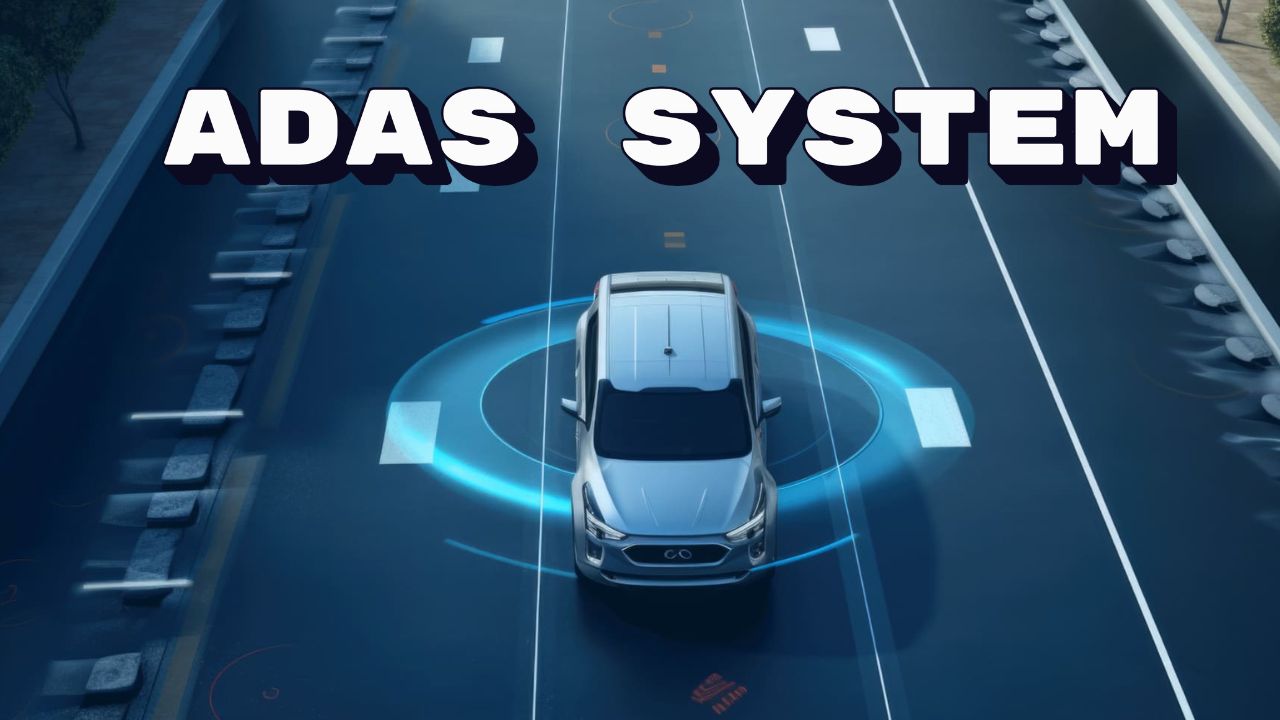
When you walk into a car showroom today, the sales brochure presents you with numerous acronyms. One of the most prominent is ADAS, which stands for Advanced Driver Assistance Systems. A few years ago, you only found these radar and camera-based safety suites in expensive European imports. Today, manufacturers offer them in mid-size SUVs and premium hatchbacks. The technology promises to correct your steering, apply the brakes automatically, and keep you safe from collisions. But driving in India presents unique challenges that automotive engineers in other countries rarely face. You share the tarmac with stray animals, erratic two-wheelers, overloaded auto-rickshaws, and pedestrians who cross busy roads at will. Lane markings often disappear entirely, and traffic flows dynamically rather than strictly adhering to painted lines. This raises a highly practical question for any new car buyer: do these advanced systems actually work in such an unpredictable environment, or do they just add unnecessary cost and annoyance to your daily commute?
Understanding the Rise of ADAS in India
Indian buyers are prioritizing safety more than ever before. Historically, fuel efficiency and low maintenance costs dictated purchase decisions. The shift toward safety is driven by alarming statistics. More than 1.68 lakh people lost their lives in road crashes in India during 2022. Human errors like poor lane discipline, speeding, and distracted driving caused a large portion of these accidents. Private buyers and government agencies both recognize that proactive technology can prevent many of these collisions before they happen.
Manufacturers responded to this demand by making safety technology accessible across lower price brackets. Brands like Mahindra, Tata, Honda, and Hyundai integrated Level 1 and Level 2 autonomous features into their mass-market vehicles. You no longer need to spend fifty lakh rupees to get a car that can read speed limit signs or warn you about a vehicle in your blind spot.
Furthermore, awareness campaigns and media coverage have educated buyers about crash test ratings and active safety features. A recent survey revealed that 82 percent of Indian drivers are willing to invest in ADAS-equipped vehicles, driven primarily by the intent to protect their families. This growing demand forces automakers to adapt their global systems for local conditions, tuning radars and cameras to recognize cycle-rickshaws and handcarts alongside standard cars and trucks.
The Features That Actually Work in India
Not all advanced features perform equally well in chaotic traffic. Some systems prove their worth every single day by acting as an additional observation tool. They fill in visual gaps and react faster than human reflexes allow.
When you navigate congested streets, visibility and reaction time are your best defenses. The most effective systems focus on alerting you to hidden dangers rather than trying to take control of the steering wheel. These specific features handle the unpredictability of local traffic exceptionally well:
- Autonomous Emergency Braking (AEB): This feature detects obstacles ahead and applies the brakes automatically if your reaction is too slow. It serves as a critical prevention tool when a scooter suddenly cuts in front of you or a pedestrian steps off the pavement without warning.
- Blind Spot Monitoring (BSM): Changing lanes in heavy traffic is a chaotic experience. Two-wheelers appear quickly, and other vehicles tailgate relentlessly. BSM uses sensors to detect vehicles in your blind spots and warns you with a light on your outside rearview mirror.
- Rear Cross-Traffic Alert (RCTA): When you reverse out of a tight parking spot, your visibility is severely limited. RCTA alerts you to vehicles or pedestrians approaching from either side, reducing the risk of minor parking collisions.
- 360-Degree Cameras and Sensors: These visual aids provide a top-down visual layout of your surroundings. They make squeezing through narrow alleys, avoiding hidden concrete blocks, and parking in tight spaces far less stressful.
Where ADAS Struggles Against Indian Traffic
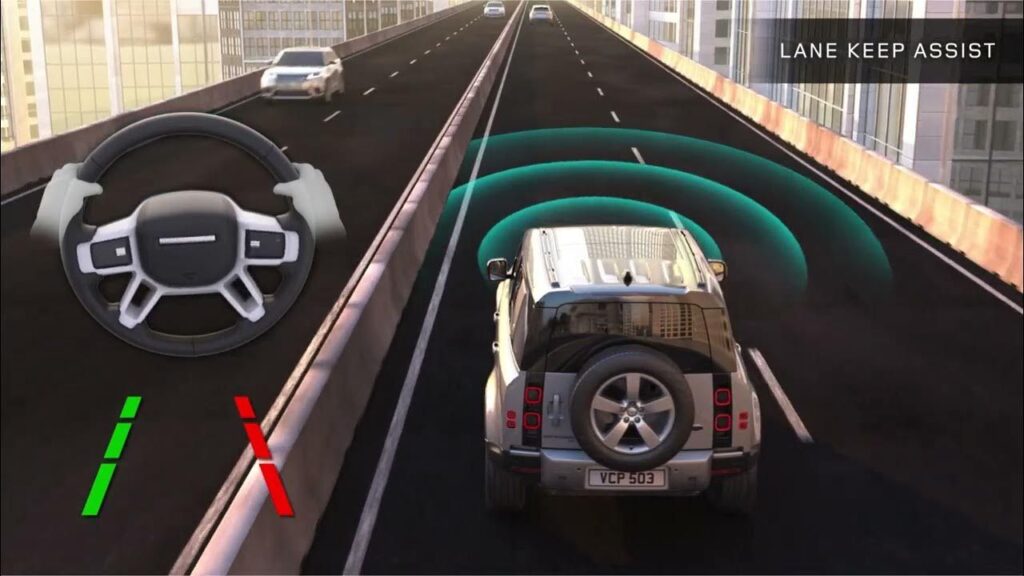
While warning systems excel, active intervention systems often struggle against the unique realities of Indian roads. Features designed for highly structured, well-marked highways can become confused or overly intrusive in our cities.
The primary issue stems from poor infrastructure and unpredictable road user behavior. Systems that rely on painted lane markings fail when the markings fade, disappear under dirt, or simply do not exist. In monsoon conditions, heavy rainfall and waterlogged streets obscure the cameras, rendering the systems inactive. Additionally, over-reliance on these systems causes driver complacency. You must remain vigilant because the technology often misinterprets sudden swerves by auto-rickshaws or motorcycles weaving through tight gaps.
| ADAS Feature | Intended Function | Challenge on Indian Roads | Verdict |
| Lane Keep Assist | Steers the car back into the lane if it drifts. | Lane markings are frequently missing, faded, or ignored by other drivers. | Unusable in city traffic; suited for new expressways. |
| Adaptive Cruise Control | Maintains a set distance from the car ahead. | Other drivers constantly cut into the safe gap you leave, causing sudden braking. | Frustrating in moderate traffic; usable only on empty highways. |
| Traffic Sign Recognition | Reads speed limits and road signs to alert the driver. | Signs are often hidden behind trees, defaced, or contradictory. | Unreliable and frequently provides incorrect speed limit warnings. |
Highway Cruising vs. City Commuting
Your daily driving route determines exactly how much value you will extract from an advanced safety suite. India is rapidly expanding its network of access-controlled expressways, such as the Delhi-Mumbai Expressway and the Samruddhi Mahamarg. On these structured, multi-lane highways, the technology performs exactly as intended.
When you embark on a long interstate journey, driver fatigue becomes a serious risk. Setting your adaptive cruise control allows you to relax your right foot while the car manages the distance to the vehicle ahead. Lane departure warnings keep you focused if your attention wanders during a monotonous stretch of road. High beam assist automatically dims your headlights for oncoming traffic, reducing glare for others and making night driving significantly easier. In this controlled environment, the technology functions as an effective assistance tool, making your journey safer and more comfortable.
Conversely, city commuting presents an entirely different scenario. During peak hour traffic in Mumbai, Bengaluru, or Delhi, a two-second following distance invites three motorcycles and an auto-rickshaw to squeeze ahead of you. If you leave your active braking and lane-keeping systems turned on, your car will brake aggressively and unpredictably, increasing the risk of getting rear-ended. The constant beeping from proximity sensors can quickly become a nuisance rather than an aid. Many drivers in metro cities find themselves manually disabling the more intrusive features just to commute peacefully.
The Cost of Advanced Safety
Safety technology requires a significant financial commitment. The hardware involves complex radar modules mounted behind the front bumper, high-resolution cameras installed behind the windshield, and ultrasonic sensors integrated into the bodywork.
When you choose a variant equipped with these features, you generally pay a premium of ₹50,000 to ₹1.5 lakh over the standard model. The financial implications do not end at the showroom. You must factor in the long-term ownership costs associated with maintaining sensitive electronic equipment in a rough driving environment. Minor accidents that used to require a cheap, straightforward bumper repair can now result in massive bills if a radar module gets crushed.
Furthermore, the intricate nature of these electronics means you are largely tied to authorized service centers for repairs. Local mechanics lack the specialized diagnostic tools required to calibrate a misaligned radar or troubleshoot a software glitch in the emergency braking system. This lack of third-party repair options keeps maintenance costs elevated throughout the vehicle’s lifespan.
- Higher Insurance Premiums: Replacing sophisticated sensors and cameras drives up the cost of collision repairs, which directly leads to higher annual insurance premiums for the vehicle.
- Expensive Windshield Replacements: If a stray stone cracks your windshield, you cannot simply install a cheap aftermarket glass. You need the original manufacturer glass, and the workshop must painstakingly recalibrate the forward-facing camera, adding significant labor costs.
- Sensor Recalibration: Even a minor bump in city traffic can knock a bumper radar out of alignment. The car will require specialized recalibration at an authorized service center for the safety systems to function accurately again.
Government Mandates and the Road to 2026
The conversation around automotive safety in India is expanding beyond passenger cars. The Ministry of Road Transport and Highways announced a sweeping mandate that fundamentally changes commercial vehicle safety. Starting April 1, 2026, all newly introduced models of heavy passenger vehicles, buses, and trucks must come equipped with a defined package of Advanced Driver Assistance Systems. This regulation applies to current production models by October 2026.
This mandate represents a massive step toward improving overall road safety. Trucks and buses are involved in more than 25 percent of total road accident deaths in India. Commercial drivers often work long hours, leading to severe fatigue and delayed reaction times. By forcing commercial fleet operators to adopt advanced emergency braking and collision warning systems, the government aims to drastically reduce fatal highway crashes. For you, the private car owner, this means sharing the highway with heavy vehicles that can detect obstacles and stop themselves before a catastrophe occurs. The widespread implementation in the commercial sector will also drive down the cost of radar and camera components, making the technology cheaper and more accessible for entry-level passenger cars in the coming years.
Should You Pay Extra for ADAS?
Deciding whether to pay the premium for advanced safety systems comes down to analyzing your specific lifestyle and driving habits. The technology offers undeniable benefits, but it is not a guaranteed prevention tool that allows you to stop paying attention to the road. It acts as a safety net, designed to intervene when human reflexes are too slow.
If you spend the majority of your time doing short grocery runs, dropping kids at a nearby school, and navigating heavy city traffic, the active intervention features will likely frustrate you. In these scenarios, a strong bodily structure, multiple airbags, and a 360-degree parking camera provide all the protection and convenience you realistically need. If your weekends involve long highway drives, or your daily commute takes you across well-marked expressways, the technology justifies the extra cost.
| Driver Profile | Driving Environment | Is ADAS Recommended? | Key Reasoning |
| The Urban Commuter | Dense city traffic, narrow streets, low speeds. | No, stick to basic safety. | Frequent false alarms and sudden braking in tight traffic cause frustration. |
| The Highway Cruiser | Frequent inter-city travel, expressways, long distances. | Yes, highly recommended. | Reduces driver fatigue significantly and prevents high-speed collisions. |
| The New Driver | Mixed city and highway driving, gaining experience. | Yes, with active features turned down. | Warning systems like blind spot monitoring provide valuable situational awareness. |
| The Budget Buyer | Mixed driving, strict financial constraints. | No, prioritize structural safety. | The high initial cost and expensive repair bills outweigh the benefits for tight budgets. |
The Indian automotive landscape is evolving rapidly. While our roads remain chaotic and unpredictable, the localized tuning of these safety systems improves with every new car generation. Manufacturers are learning how to filter out the noise of Indian traffic and deliver alerts that actually register as useful. Buying a car equipped with advanced driver assistance gives you a distinct advantage in specific scenarios. You simply need to understand the limitations of the technology, maintain your focus on the road, and let the sensors assist you in making safer driving decisions.