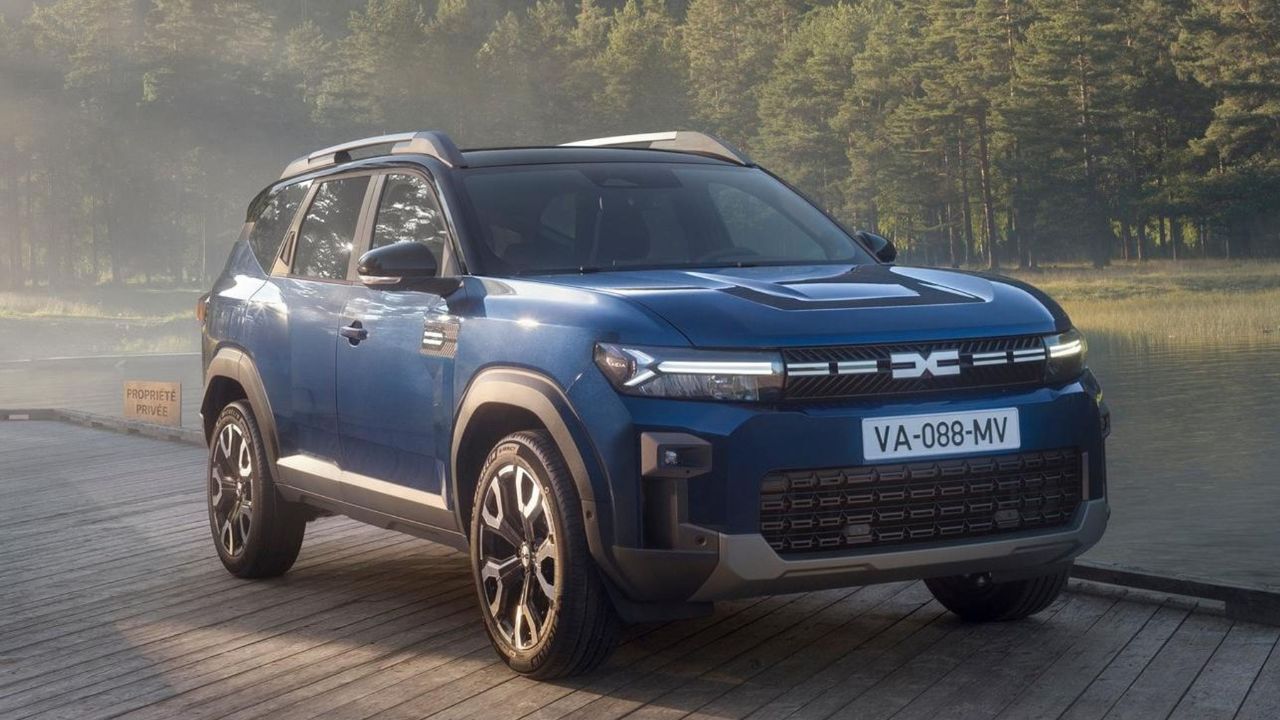
If you are currently researching midsize SUVs in India, you have likely heard the growing buzz around the Renault Bigster. Since Renault and Dacia revealed the production model globally late last year, the automotive market has been anticipating its Indian debut, projected for early 2026. The company intends to position the Bigster above the upcoming next-generation Duster, aiming squarely at the competitive C-segment SUV category. Choosing the right SUV requires careful consideration of your budget, driving habits, and family requirements, and the Bigster promises to check many of these boxes. However, because Renault has not officially launched this vehicle in the Indian market, many exact details remain unconfirmed. This guide breaks down the global specifications, current leaks, and the strongest industry predictions to help you understand what this new vehicle might bring to your driveway.
Anticipated Platform and Structural Dimensions
The core foundation of the Bigster relies on the CMF-B platform. This is the exact same architectural base that underpins the newest Duster. Renault stretches this platform for the Bigster to offer significantly more cabin volume and a commanding road presence. Globally, the Bigster measures approximately 4.57 meters in length. It features a wheelbase of 2.7 meters and boasts a generous ground clearance of around 220mm. These dimensions give the vehicle an upright, brawny stance that Indian buyers traditionally favor.
While the European Dacia version ships exclusively as a five-seater, industry experts widely anticipate that Renault will introduce a customized seven-seat variant specifically for India. A three-row configuration would allow the automaker to compete aggressively with established family haulers. If you frequently travel with a large family, this extended capacity could make the Bigster a highly practical choice. Until Renault India makes an official announcement, you should view the exact seating layouts and final dimensions as highly likely but subject to local market adjustments.
Bold Exterior Styling
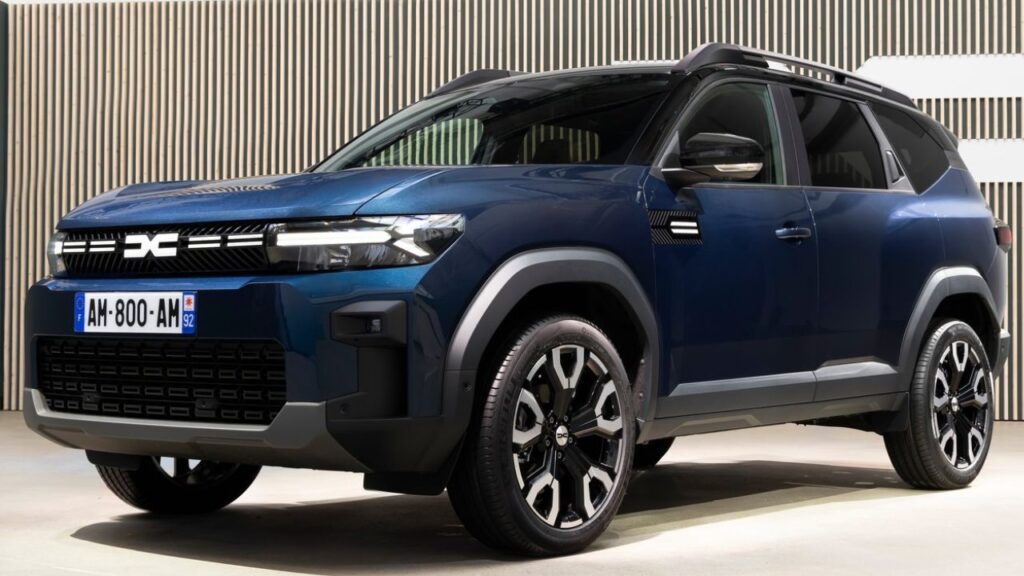
Renault clearly designed the Bigster to look tough. The exterior styling borrows heavily from the original concept vehicle, retaining its blocky, muscular proportions. At the front, you will notice the striking Y-shaped LED daytime running lights that integrate seamlessly into the wide grille. The hood features deep, sculpted lines that add to the aggressive front profile.
Moving to the sides, the vehicle displays flared wheel arches protected by thick, rugged cladding. Renault builds this cladding using a recycled plastic material called Starkle, which gives the trim a distinctive textured finish while reducing the vehicle’s environmental footprint. Depending on the trim level, buyers can expect alloy wheels ranging from 17 inches on base models up to 19-inch Rasan diamond-cut black alloy rims on top-tier variants. The roof carries prominent modular rails, and the rear finishes the look with V-shaped LED taillights and a bold bumper setup. This robust design approach ensures the Bigster will not blend into the background on crowded city streets.
Inside the Cabin
The global versions of the Bigster offer an interior that balances hard-wearing durability with modern digital features. You will find a completely redesigned dashboard anchored by two prominent screens. The driver receives a 10-inch digital instrument cluster that displays vital speed, navigation, and fuel data. In the center, a 10.1-inch touchscreen manages the infotainment system. This setup supports wireless Apple CarPlay and Android Auto, ensuring you can connect your smartphone without cluttering the cabin with cables.
Renault carries the exterior’s Y-shaped design language into the cabin, visibly integrating it into the air vents. The materials lean toward practical and washable surfaces, particularly in the Extreme trims which feature Microcloud synthetic upholstery. If you prioritize comfort on long road trips, the top variants are expected to offer dual-zone automatic climate control, a panoramic opening sunroof, and an Arkamys 3D sound system with six speakers.
One standout interior feature is the high center console available on hybrid models. This console includes a built-in armrest, wireless phone charging, twin cup holders, and an 8.6-liter refrigerated storage compartment to keep drinks cold during hot summer drives.
| Drive Type | Boot Space (Seats Up) | Boot Space (Seats Folded) |
| Front-Wheel Drive | 677 Liters | 1,977 Liters |
| Four-Wheel Drive | 629 Liters | Up to 1,900 Liters |
| Hybrid Models | 612 Liters | Up to 1,900 Liters |
(Note: A potential 7-seater Indian version will have reduced boot space when the third row is upright.)
Powertrains and Performance Options
When it comes to engines, Renault is shifting away from diesel. The company focuses entirely on a mix of turbocharged petrol and advanced hybrid technologies. Based on global specifications, we anticipate two primary engine options for the Indian market.
The first option is a 1.2-liter, three-cylinder turbocharged petrol engine paired with a 48V mild-hybrid system. This setup generates around 130 to 140 horsepower. The mild-hybrid system captures energy during braking and uses it to assist the petrol engine during acceleration, cutting down on fuel consumption and smoothing out low-speed city driving. This engine will likely pair with a six-speed manual transmission.
For those wanting an automatic transmission and higher fuel efficiency, the Hybrid 155 is the powertrain to watch. This full-hybrid system combines a larger 1.8-liter naturally aspirated petrol engine with two electric motors (a 50 hp primary motor and a high-voltage starter/generator) and a 1.4 kWh battery. The combined output sits at 155 horsepower and 170 Nm of torque. This system uses a unique clutchless automatic gearbox. In low-speed traffic, the Hybrid 155 can operate extensively in pure electric mode, which significantly improves fuel economy and reduces tailpipe emissions.
| Engine Type | Power Output | Transmission | Hybrid Tech |
| 1.2L Turbo Petrol | 130 hp to 140 hp | 6-Speed Manual | 48V Mild-Hybrid |
| 1.8L Petrol Hybrid | 155 hp | Automatic | Full-Hybrid (1.4 kWh) |
Handling and Drivetrain Capabilities
Most Bigster models will send power exclusively to the front wheels, which perfectly suits daily commuting and highway cruising. However, Renault offers a four-wheel-drive option on the 1.2-liter mild-hybrid engine in international markets. We expect this 4×4 variant to make its way to India for buyers who frequently tackle rough terrain or travel to mountainous regions.
The 4×4 versions feature a Terrain Control system with five specific driving modes. You can select the auto setting to let the car distribute torque between the front and rear axles based on current grip levels. You also get specific modes for Snow, Mud/Sand, Off-Road, and an Eco mode designed to maximize fuel efficiency. Combined with the 220mm ground clearance, this hardware ensures the Bigster can handle broken tarmac, muddy trails, and waterlogged streets with confidence. The vehicle’s suspension is expected to be tuned specifically for Indian roads, absorbing potholes and speed bumps with ease while maintaining stability at higher highway speeds.
Anticipated Safety Technology
Safety regulations in India are becoming increasingly stringent, and automakers are responding by packing their vehicles with advanced protective hardware. Globally, the Dacia Bigster scored a 3-star rating in Euro NCAP crash tests. Renault India will likely modify the localized version to meet or exceed Bharat NCAP standards.
We expect the Bigster to come standard with six airbags, ABS with EBD, electronic stability control, and four parking cameras providing a 360-degree multi-view of the vehicle. Higher variants should also introduce Advanced Driver Assistance Systems (ADAS).
Here are the safety features you can likely expect:
- Adaptive cruise control that automatically adjusts your speed to match the car ahead.
- Advanced emergency braking systems capable of detecting pedestrians and bicycles.
- Lane departure warnings and lane-keeping assist to prevent accidental drifting.
- Traffic sign recognition to keep you aware of changing speed limits.
- Driver drowsiness alerts to ensure you take necessary breaks on long journeys.
The YouClip Storage System and Accessories
One of the most practical innovations Renault introduces with this new generation of vehicles is the YouClip system. This modular attachment system helps you organize the cabin according to your specific daily needs. The Bigster comes with up to five standard mounting points scattered throughout the passenger compartment and the boot.
You can use these anchor points to attach a variety of accessories. For instance, you can mount a cup holder, a dedicated smartphone grip, a bag hook, or a portable LED reading lamp. Renault even offers a three-in-one accessory that combines a lamp, hook, and cup holder into a single unit. If you need more mounting locations, you can purchase two additional points that attach to the rear of the front headrests. This clever engineering allows you to customize the interior layout without relying on flimsy aftermarket suction cups or adhesives.
For outdoor enthusiasts, the Bigster supports an InNature Sleep Pack. This accessory transforms the rear cabin into a 1.90-meter double bed when you fold the rear seats flat. It includes a built-in shelf and dedicated storage space, turning the SUV into a capable weekend camping vehicle.
Expected Pricing in the Indian Market
Pricing remains one of the most critical factors for Indian car buyers. Because the Bigster sits above the Duster, it will command a premium price tag. Industry analysts estimate that Renault will price the base manual variants around ₹13.00 Lakh to ₹14.00 Lakh (ex-showroom). The fully loaded, full-hybrid automatic variants could stretch the price up to ₹18.00 Lakh to ₹20.00 Lakh. When you factor in insurance, registration, and road tax, the on-road price will likely range between ₹15.50 Lakh and ₹22.50 Lakh depending on your state.
If Renault localizes manufacturing heavily, including the production of hybrid batteries, they could achieve a highly aggressive starting price. This pricing strategy will dictate how well the Bigster performs against established competitors in the midsize and three-row SUV segments.
Rivals and Alternatives
The C-segment SUV space in India is crowded and fiercely competitive. If the Bigster launches as a three-row vehicle, it will need to pull buyers away from several highly successful models.
Here are the primary competitors the Bigster will face:
- Mahindra XUV700: Known for its powerful engines, extensive feature list, and premium cabin experience.
- Tata Safari: Offers a robust build, spacious third-row seating, and strong road presence.
- Hyundai Alcazar: Delivers a refined driving experience, highly reliable service networks, and premium interior trims.
- MG Hector Plus: Focuses on massive touchscreen interfaces, connected car technology, and plush ride quality.
Launch Timeline and Availability
While you can view the Bigster online today, you will have to wait a bit longer to test drive one in India. Renault plans to launch the new-generation Duster first, likely in late 2025. The larger Bigster will follow shortly after. Most automotive publications predict the Bigster will officially launch in India between early and mid-2026.
Until then, Renault continues to test heavily camouflaged prototypes on Indian roads. These test mules help the engineering teams fine-tune the suspension for local road conditions and ensure the air conditioning systems can handle peak Indian summers. If you plan to upgrade your vehicle in the next two years, the Renault Bigster deserves a spot on your shortlist. Keep an eye out for official announcements from the company as 2026 approaches, as those updates will provide the finalized specifications, confirmed pricing, and the exact release date.