If you are looking for a classic motorcycle in India, you have a wealth of options in 2026. The mid size motorcycle segment continues to grow rapidly. Buyers want motorcycles that look vintage but operate with modern reliability. Honda directly targets this requirement with the CB350 H’ness. The Japanese manufacturer built this motorcycle specifically for the Indian market to compete with established retro cruisers. Choosing a 350cc motorcycle requires a close look at engine refinement, ride quality, and daily usability. Honda brings its engineering reputation into this retro space. We will examine the exact specifications, technical features, riding dynamics, and pricing details of the Honda CB350 H’ness to help you decide if it belongs in your garage.
Neo Retro Design and Visual Appeal
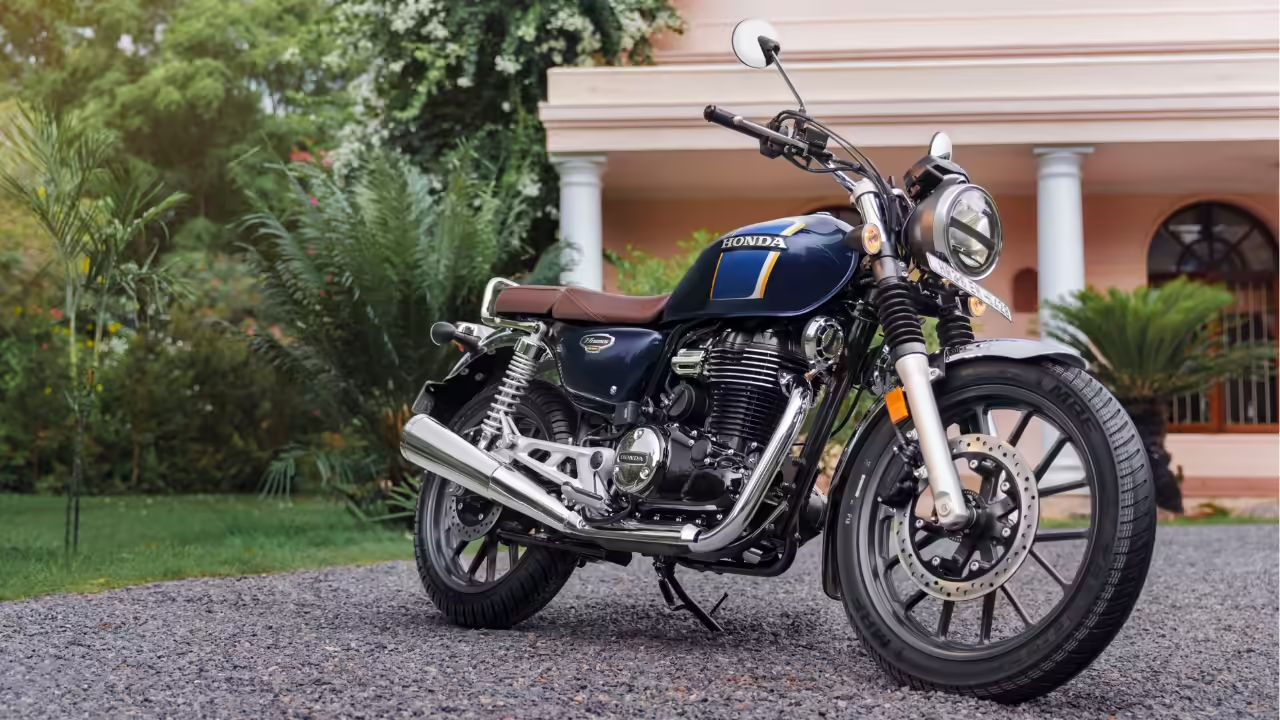
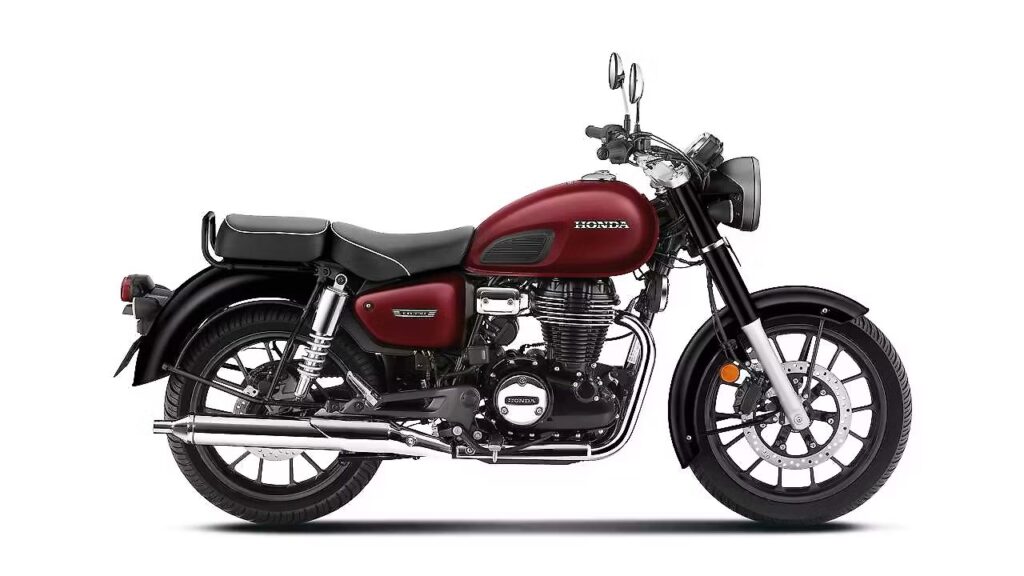
Honda avoids aggressive styling in favor of a pure classic silhouette. The CB350 H’ness features a commanding presence. The design centers around a large 15 liter fuel tank adorned with a prominent Honda badge. This tank provides a muscular shoulder line to the motorcycle. At the front, you find a round LED headlamp encased in a chrome ring. This setup offers a vintage aesthetic while providing excellent night time visibility.
The manufacturer applies chrome generously across the vehicle. You will see bright chrome finishing on the fenders, the exhaust pipe, and the engine casing. This brightwork contrasts sharply with the dark alloy wheels. Honda selected alloy wheels over traditional wire spoked wheels. Alloy wheels allow the use of tubeless tires. Tubeless tires are much easier to repair if you encounter a puncture on a long highway trip.
The rear section features a clean look. A sleek LED tail light sits above a chrome fender. The turn indicators use LED bulbs wrapped in round housings. The single piece seat provides a flat surface for both the rider and the pillion. At a seat height of 800 mm, most Indian riders can comfortably plant both feet on the ground. The motorcycle has an overall length of 2163 mm and a kerb weight of 181 kilograms. The 166 mm ground clearance handles standard speed breakers without scraping the exhaust pipe.
Core Engine Specifications and Power Delivery
The mechanical core of the CB350 H’ness is a completely new engine built from the ground up. It utilizes a 348.36 cc air cooled, four stroke, single cylinder engine. This engine generates a maximum power output of 21.07 PS at 5500 rpm. It produces a peak torque of 30 Nm at a very low 3000 rpm. This low end torque delivery defines the riding character of the motorcycle. You do not need to rev the engine hard to make progress in city traffic.
| Engine Component | Specification |
| Engine Displacement | 348.36 cc |
| Cooling System | Air Cooled |
| Maximum Power | 21.07 PS at 5500 rpm |
| Maximum Torque | 30 Nm at 3000 rpm |
| Fuel System | Programmed Fuel Injection |
| Starting Mechanism | Self Start Only |
Honda engineers focused heavily on refinement. Single cylinder engines often vibrate excessively at higher speeds. Honda counteracts this by installing a main shaft coaxial balancer. This balancer cancels out primary vibrations. You will feel almost no vibration in the handlebars, footpegs, or seat, even when cruising at 100 kilometers per hour. The exhaust note is another critical factor for buyers in this segment. Honda designed a large tailpipe with a 45 millimeter opening. This exhaust produces a deep thumping sound that matches the classic appeal of the motorcycle.
Transmission and Assist Slipper Clutch
The engine pairs with a five speed manual gearbox. The gear ratios are tall. You can ride in third gear at low city speeds without the engine stalling. On the highway, the fifth gear acts as an overdrive. It keeps the engine rpm low while you maintain highway cruising speeds. This reduces engine strain and improves fuel economy during long distance touring.
Honda includes an assist and slipper clutch as standard equipment. This mechanism serves two primary functions. First, it lightens the clutch lever pull significantly. You can operate the clutch with a single finger. This prevents hand fatigue when you ride through heavy, stop and go city traffic. Second, the slipper function prevents the rear wheel from locking up during aggressive downshifting. If you approach a corner fast and drop two gears quickly, the slipper clutch absorbs the engine braking force. This keeps the rear tire stable and prevents dangerous skids.
Chassis, Suspension, and Ride Quality
Honda built the CB350 H’ness around a half duplex cradle frame constructed from steel. This frame design mounts the engine low in the chassis. A low center of gravity makes the 181 kilogram motorcycle feel much lighter when you maneuver it through tight spaces. The weight distribution allows you to steer the motorcycle easily into corners.
The suspension setup prioritizes rider comfort over aggressive sporty handling. The front end uses large telescopic forks. The rear features twin hydraulic shock absorbers. You can adjust the rear shocks for preload depending on whether you are riding solo or carrying a heavy pillion. The suspension absorbs most road imperfections with ease. Potholes and broken tarmac do not unsettle the motorcycle. The ride feels plush and stable. At higher speeds on smooth highways, the chassis remains completely planted. You will not experience the high speed wobbles common in older classic motorcycles.
Braking Hardware and Active Safety Systems
Braking performance is a vital aspect of heavy motorcycles. Honda equips the CB350 H’ness with high quality braking hardware and active electronic safety systems. The vehicle features disc brakes on both wheels.
- The front wheel uses a massive 310 mm disc gripped by a Nissin two piston caliper.
- The rear wheel features a 240 mm disc with a single piston caliper.
- Dual channel Anti lock Braking System comes standard across all variants.
The braking system provides strong stopping power and excellent feedback at the lever. The dual channel ABS ensures the wheels do not lock up if you apply the brakes forcefully on wet or sandy surfaces.
Honda also includes a traction control system called Honda Selectable Torque Control. This system continuously monitors the rotational speed of the front and rear wheels. If the system detects the rear wheel spinning faster than the front wheel, it instantly cuts fuel delivery to the engine. This reduces engine torque and allows the rear tire to regain traction. You will find this feature extremely valuable when riding over slippery mud, gravel patches, or wet painted zebra crossings.
The motorcycle also features an Emergency Stop Signal. If you apply the brakes suddenly at a speed above 50 kilometers per hour, the rear turn indicators flash rapidly. This rapid flashing warns the drivers behind you of your sudden deceleration, helping to prevent rear end collisions.
Instrument Cluster and Connectivity Features
The CB350 H’ness features a semi digital instrument cluster. It blends a traditional analog speedometer with a small digital display. The analog needle moves across the dial, maintaining the retro aesthetic.
The digital screen packs a significant amount of information into a small space. It displays a digital trip meter, an odometer, a fuel gauge, and a clock. It also features a gear position indicator, so you always know which gear you are in. The display provides real time fuel economy, average fuel economy, and a distance to empty readout.
Higher variants of the motorcycle include the Honda Smartphone Voice Control System. You can connect your smartphone to the motorcycle using Bluetooth. Once connected, you can pair a Bluetooth headset to your helmet. The system allows you to control incoming phone calls, listen to text messages, manage your music playback, and receive turn by turn voice navigation. You control all these functions using a dedicated switch cube located on the left handlebar. You never need to take your hands off the grips or look at your phone screen while riding.
Real World Fuel Efficiency and Running Costs
Fuel efficiency is a common concern for buyers of 350cc motorcycles. The Honda CB350 H’ness delivers respectable numbers for its engine size. The official claimed mileage is 45.8 kilometers per liter. In real world city riding conditions with heavy traffic, you can expect a fuel economy of around 35 to 38 kilometers per liter. When you ride on open highways at a steady cruising speed of 80 kilometers per hour, the efficiency can climb to 42 kilometers per liter.
The motorcycle features a 15 liter fuel tank. A full tank of petrol gives you a practical riding range of approximately 500 to 550 kilometers. This large range makes the CB350 H’ness an excellent choice for long distance touring. You will not need to stop frequently for fuel.
Honda offers a standard warranty of 3 years or 42000 kilometers, whichever comes first. You can also purchase an extended warranty to cover the motorcycle for up to 6 years. Maintenance costs remain reasonable. Regular service intervals require basic engine oil changes, oil filter replacements, and chain lubrication.
| Riding Condition | Expected Mileage |
| Heavy City Traffic | 35 to 38 kmpl |
| Mixed Commuting | 38 to 40 kmpl |
| Highway Cruising | 40 to 42 kmpl |
| Official Claimed | 45.8 kmpl |
Variant Breakdown and Current Pricing
Honda offers the CB350 H’ness in three distinct variants for the 2026 model year. The mechanical specifications, engine output, and suspension setup remain identical across all three versions. The differences lie purely in the cosmetic details and the inclusion of the Bluetooth connectivity system. The motorcycle is sold exclusively through Honda BigWing dealerships.
Here is exactly what you get with each variant:
- DLX Variant: This is the base model. It features single tone paint schemes. It includes the LED lighting, the assist and slipper clutch, and the dual channel ABS. It does not include the Bluetooth connectivity system. The seats come in a standard black finish. The ex showroom price for this variant starts at approximately Rs. 1.92 Lakhs.
- DLX Pro Variant: This mid tier model upgrades the visual appeal. It features dual tone paint schemes. Honda paints the fuel tank in two contrasting colors. This variant includes the Honda Smartphone Voice Control System. The seats are finished in a premium brown material. It also gets dual horns for a louder road presence. The ex showroom price sits around Rs. 1.95 Lakhs.
- DLX Pro Chrome Variant: This top tier model includes all the features of the DLX Pro. It adds heavy chrome finishing on the front and rear fenders, replacing the body colored or matte black fenders found on the lower models. This variant costs approximately Rs. 1.97 Lakhs ex showroom.
When you factor in road tax, registration fees, and insurance, the final on road price will range between Rs. 2.25 Lakhs and Rs. 2.40 Lakhs depending on your specific state and city taxes. The Honda CB350 H’ness successfully combines vintage design with modern Japanese engineering. It provides a highly refined engine, comfortable riding ergonomics, and excellent active safety features. It caters perfectly to riders who want the visual charm of a classic cruiser but refuse to deal with heavy vibrations or frequent mechanical issues.