Everyone thought the legacy Indian two-wheeler companies were finished when electric scooters first started popping up on our roads. The fancy tech startups came in with their big touchscreens, loud marketing events, and promises of building mega-factories that would leave old-school manufacturers in the dust. Normal buyers looked at old brands like TVS and assumed they were just too slow to understand what the new generation wanted. If you walk outside onto any major city street today, you will notice the reality looks completely different. The Chennai-based manufacturer has quietly put its head down, ignored all the internet noise, and just crossed a massive sales milestone that should make every EV startup in the country sweat.
TVS has officially crossed the ten lakh cumulative retail sales mark for its electric scooter lineup in India. This makes them only the second electric two-wheeler manufacturer in the entire country to hit the one million milestone, sitting right behind Ola Electric. According to official Vahan registration data recorded on June 11, 2026, the company has delivered exactly 10,04,148 electric two-wheelers since they first entered the market back in January 2020. They did not achieve this by shouting on social media or making wild promises about the future, but they simply built scooters that middle-class Indian families actually trust. The numbers show a massive shift in how normal people are spending their hard-earned money.
The Outrageous 75-Day Sprint That Left Dealerships Completely Cleaned Out
To really understand how crazy this sales achievement is, you have to look at the speed of the recent deliveries. The final one lakh units of that massive one-million total were sold in just the past 75 days. Let that number sink in for a second because it means dealerships were clearing out stock faster than anyone anticipated. Between March 28 and June 10 of this year, TVS was moving an average of 1,333 electric scooters every single day. That is not just steady growth, but it is a flat-out stampede of buyers walking into showrooms with their checkbooks ready.
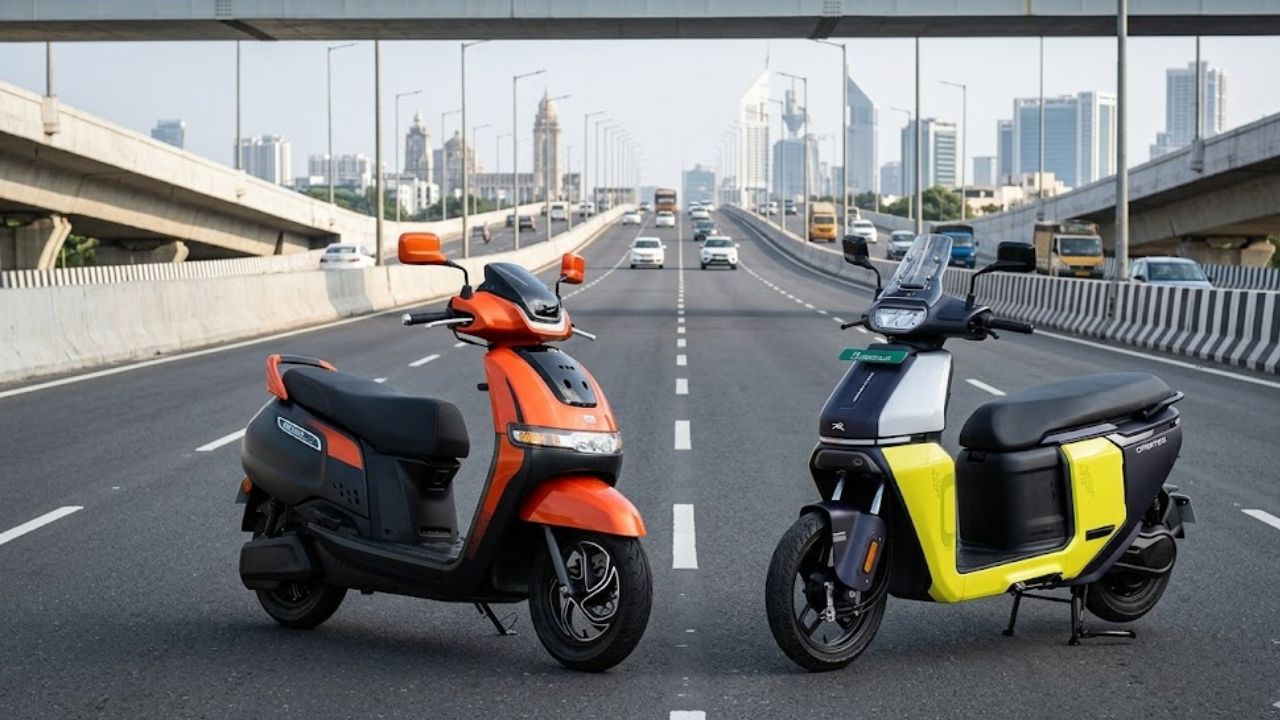
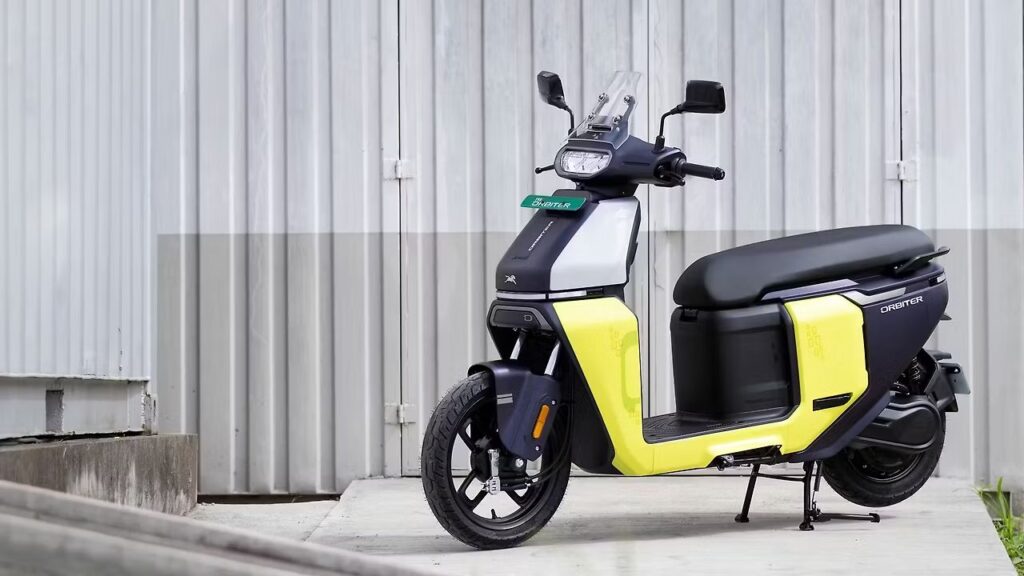
This sudden acceleration shows that the initial hesitation around electric family scooters has completely vanished. Five years ago, buying an electric scooter felt like a massive science experiment that might leave you stranded in the rain. Today, people see their neighbors riding the iQube to the local vegetable market every morning without any issues, so they go out and buy one for themselves. The company has expanded its lineup beyond the original iQube by introducing the Orbiter, which helped them capture different types of buyers who want varied styling options. This multi-product strategy is working beautifully, and the production lines in Tamil Nadu are running at maximum capacity just to keep up with the daily orders.
From Moving Like a Snail to Flying Like a Rocket: The Full Timeline
The early days of this journey were incredibly painful, and many industry observers thought the project would fail. When TVS launched the iQube in January 2020, they only sold a handful of units because people were terrified of battery fires and poor range. It took over three long years of grinding just to get the first one lakh retail sales out of the factory doors. The company had to build charging infrastructure, train mechanical staff who only knew petrol engines, and convince skeptical family buyers that batteries were reliable.
Once that initial trust was established, the sales timeline started shrinking at a terrifying pace:
- 1 Lakh to 2 Lakh Units: This milestone took just 10 months to complete as city buyers started notices the savings on petrol.
- The 3 Lakh Mark: Crossed in April 2024, which was exactly 52 months after the initial launch event.
- 3 Lakh to 7 Lakh Units: The growth shifted up a notch, taking just 17 months to add four lakh new customers.
- 7 Lakh to 8 Lakh Units: Completed in a mind-blowing three months between October and December 2025.
This data tells a very clear story of how fast adoption is happening. The first five lakh units took five full years to find homes, but the next five lakh units took just 16 months to fly off the shelves. That is how a classic compounding hockey-stick growth curve looks in the real world.
The Complete Data Breakdown of TVS Squeezing Out the Competition
The market share numbers show exactly how TVS clawed its way from a tiny minority player to a dominant market force. Back in 2020, they held a microscopic 1 percent share of the electric two-wheeler market because they were only selling in a couple of cities. By 2022, that number crept up to 8 percent as production expanded. The real explosion happened in 2023, when they crossed the 20 percent market share barrier for the first time by selling 1,77,024 units.
The year 2025 turned into a massive breakout period for the brand. They sold a whopping 3,15,083 units over those twelve months, and they grabbed the number one spot in the segment starting from April 2025. They have successfully maintained that leading position ever since, proving that their supply chain can handle massive stress while startups struggle with production bottlenecks.
The following table tracks the official volume growth and market share expansion from the very beginning of their electric journey up to the current day:
| Year | Total Units Sold (Retail) | Market Share Percentage | Performance Status |
| 2020 | Minimal Initial Batches | 1% | Restricted to select cities |
| 2022 | Steady Production Rise | 8% | Network expansion begins |
| 2023 | 1,77,024 Units | 20%+ | Crosses major volume barriers |
| 2025 | 3,15,083 Units | Segment Leader | Becomes number one player from April |
| 2026 (Jan-June) | 2,19,232 Units | Maintaining Top Tier | Already at 70% of previous year’s total |
Every single one of these registrations represents a customer who decided to skip the flashier alternatives. They chose a company that has been making two-wheelers for decades, and that traditional reliability is proving to be the ultimate weapon.
Why the West Asia Oil Crisis Is Making Normal Indian Uncles Panic-Buy EVs
You cannot talk about this massive surge in electric scooter sales without looking at what is happening at the petrol pumps. The ongoing West Asia crude oil crisis has sent international fuel prices into absolute chaos, and that pain has trickled right down to the Indian consumer. Petrol prices have climbed to uncomfortable levels in almost every major state, making the daily office commute a very painful financial experience. If you are riding an old petrol scooter that gives you thirty kilometers per liter, you are basically burning a hole straight through your wallet every month.
This external economic pressure is forcing family buyers to rethink their transportation choices. A normal middle-class father does the math on a piece of scrap paper, and he realizes that running an electric scooter costs a fraction of a petrol vehicle. Charging a TVS iQube or Orbiter at home adds a tiny amount to your monthly electricity bill, while filling up a petrol tank multiple times can easily destroy your monthly budget. This economic reality has turned electric scooters from a trendy green lifestyle choice into a mandatory survival tool for the salaried class. The traditional buyers do not care about zero-to-forty acceleration speeds, but they care deeply about how much money stays in their savings account at the end of the month.
The Insane May 2026 Record That Almost Broke the Vahan Database
The month of May 2026 will go down in history as one of the most ridiculous periods for the Indian automotive sector. TVS managed to deliver a jaw-dropping 51,605 electric units in that single month alone. This stands as the company’s best-ever single month since they started selling electric vehicles six years ago. It also represents the second-highest monthly sales figure ever recorded by any electric two-wheeler manufacturer in the history of India.
The only brand to ever beat this monthly number was Ola Electric, which managed to register 53,647 units back in May 2024. TVS came incredibly close to breaking that absolute record, and they did it without offering massive online discounts or running gimmicky marketing campaigns. The high volume shows that their distribution network is working flawlessly. They have showrooms in tier-two and tier-three towns, allowing them to collect buyers from places that internet-only startups cannot easily reach.
The Crazy 5 Lakh Prediction for the Rest of 2026
If you look at the current momentum, the company is on track to completely obliterate its previous annual records. Since the start of January 2026, they have already delivered 2,19,232 units into the hands of customers. That means in just over five months, they have already achieved 70 percent of their entire sales volume from the whole of 2025. The current daily run rate is hovering around 1,361 units every single day, which puts them on a direct path toward an unbelievable milestone.
If they maintain this exact daily speed, TVS will cross the five lakh annual sales milestone for the first time in its history this year. That would represent an insane 57 percent growth over their previous best year, which is a massive achievement for a company of this size. The broader electric two-wheeler industry is also exploding alongside them, averaging over 1,55,000 total units every single month in 2026. The entire Indian electric scooter market is currently on course to approach the two million annual sales mark for the very first time.
What This Means for Your Next Two-Wheeler Purchase
The massive volume of sales means that electric scooters are no longer a risky gamble for early adopters. With over ten lakh TVS electric options running on our roads, spare parts availability and roadside assistance have become standard things you do not need to worry about. The mechanical components have been tested across Indian summers, heavy monsoon floods, and broken rural roads. The batteries have proven that they can survive the harsh local climate without losing their capacity after a couple of years of use.
If you are still sitting on the fence about making the switch to electric, the sheer volume of registrations should give you some peace of mind. The market has moved past the point of empty promises and futuristic design sketches. People want reliable machines that get them to work on time, save them money on fuel, and do not break down when things get rough. This old-school manufacturer from Chennai has proven that you do not need to act like a tech startup to dominate the electric future. They just built a solid scooter, priced it correctly, and let the numbers do all the talking.