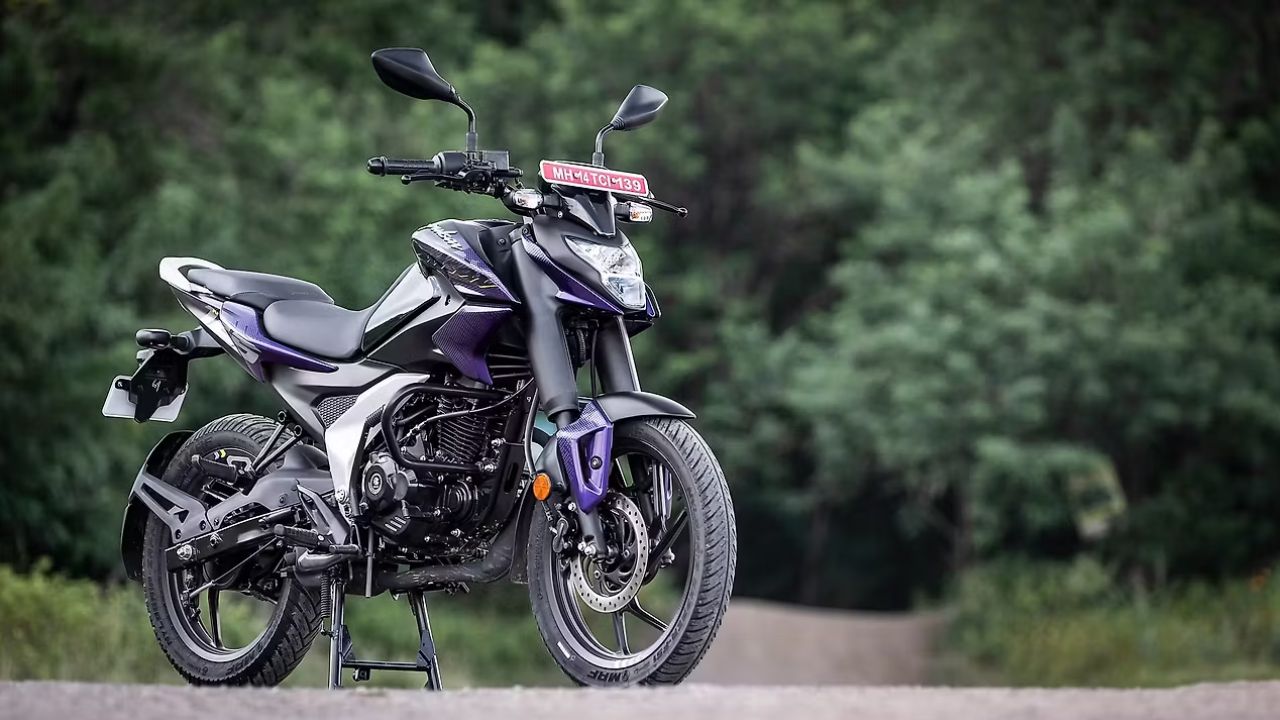
The Bajaj Pulsar N125 enters the 125cc segment with a specific set of features. The market has many commuter bikes. This model separates itself through its engine configuration and weight. The price starts from ₹92,270 for the base variant. The top-end model costs ₹93,158. These prices reflect ex-showroom rates in India. You get a motorcycle that weighs just 125 kg. This low weight makes a big difference in heavy traffic.
Buyers often look at the spec sheet first. The N125 runs on a 124.58 cc engine. The company claims a mileage of up to 60 kmpl. Test rides show a real-world figure of around 61 to 62 kmpl in mixed city conditions. The bike has a 9.5-litre fuel tank. This tank size provides a practical riding range of over 550 kilometres. A single full tank covers a week of commuting for most people.
You Won’t Believe How the Engine Handles City Traffic
The engine produces 12 PS of power at 8500 rpm. It generates 11 Nm of torque at 6000 rpm. These numbers translate to specific on-road behaviors. The motor is air-cooled and uses a two-valve, single-spark setup. The bike pulls smoothly from lower speeds.
City traffic requires frequent gear shifts. The N125 has a five-speed manual transmission. The gear shift pattern follows the standard one-down, four-up format. The clutch feels very light. Riders can shift gears precisely without much effort.
The low-end torque delivery changes how you ride. You can ride as slow as 30 kmph in fifth gear. The engine does not protest or stall at this speed. You do not have to downshift constantly in moving traffic. Overtaking slow vehicles requires very little planning. You simply twist the throttle and move ahead. The exhaust note sounds deep for a 125cc machine. It makes short rides engaging.
The Shocking Reality of Its 60 Kmpl Mileage Claim
Fuel efficiency dictates buying choices in this category. The official ARAI mileage stands between 58 and 60 kmpl. Actual usage often yields similar or slightly better results. Gentle riding in city traffic can return up to 61 kmpl.
Running costs remain very low. The 9.5-litre fuel capacity seems small at first glance. Most 150cc bikes carry 12 or 15 liters. The high fuel efficiency offsets the smaller tank. You get a range of roughly 580 km before needing a refill. This efficiency comes from the engine tuning. The power-to-weight ratio sits at 96 PS per tonne. The lightweight perimeter frame contributes to this ratio. Less weight means the engine works less to move the bike. The fuel injection system ensures precise fuel delivery.
What Happens When You Take the N125 on Bad Roads?
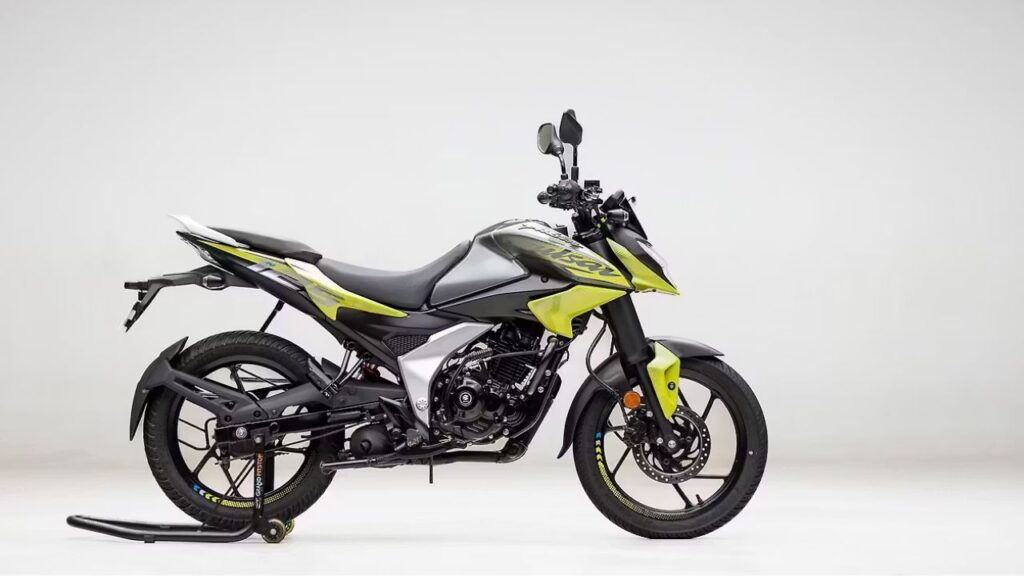
Road conditions in Indian cities vary wildly. The N125 uses telescopic front forks. The front suspension has a 125 mm stroke. The rear uses a monoshock setup. This monoshock also provides 125 mm of travel.
The suspension handle rough patches easily. The monoshock absorbs impacts from potholes. The bike stays planted over broken tarmac. The ground clearance is a massive 198 mm. You will not scrape the bottom over large speed breakers.
Rider posture affects comfort during long commutes. The seat height measures 795 mm. Shorter riders can place their feet flat on the ground. The seating position feels unusual during the first few kilometres. The footpegs sit slightly rearward. The slim handlebar rests at a comfortable height. The setup feels natural after thirty minutes of riding. The pillion seat offers generous space for the passenger.
Are the Two Variants Actually Different?
Bajaj sells the N125 in two specific variants. The base model is the LED Disc. The top model is the LED Disc BT. The price gap between them is less than ₹1,000. This small difference makes the top variant the logical choice.
The base LED Disc variant gives you basic digital instruments. It includes a combi-brake system and standard tyres. The LED headlamp provides bright illumination for night riding. The LED Disc BT variant adds Bluetooth connectivity. You get call and SMS notifications on the digital console. You do not need to pull out your phone at traffic signals. This variant also includes an Integrated Starter Generator (ISG). The ISG enables a silent start system. The start-stop feature turns off the engine during long traffic halts. It turns the engine back on when you pull the clutch. This saves fuel in heavy gridlock. The top variant also comes with a wider 110/80-17 rear tyre for better grip.
| Specifications | Pulsar N125 LED Disc | Pulsar N125 LED Disc BT |
| Engine | 124.58 cc | 124.58 cc |
| Ex-Showroom Price | ₹92,270 | ₹93,158 |
| Rear Tyre Size | Standard | 110/80 R17 |
| Bluetooth Console | No | Yes |
| ISG System | No | Yes |
The Hidden Truth About the Brakes and Tyres
Safety depends on braking hardware. Both variants use a 240 mm front disc brake. The rear wheel gets a 130 mm drum brake. The bike does not have an Anti-lock Braking System (ABS).
Bajaj uses a Combi Brake System (CBS) instead. When you apply the rear brake, the system applies some force to the front brake automatically. The front disc provides decent bite and feedback. Grabbing the front brake lever too hard can lock the wheel. Riders need to apply pressure progressively. The wheels are 17-inch alloys on both ends. The front tyre measures 80/100-17. Both front and rear tyres are tubeless. Tubeless tyres prevent sudden deflation if you get a puncture. You can ride to a repair shop safely.
Exploring the Lighting and Electrical Setup
Modern commuter bikes rely heavily on good electrical systems. The Pulsar N125 features an all-LED headlight setup. Bright, energy-efficient lighting improves visibility during night rides. The throw of the LED beam reaches far down dark roads. The spread covers the width of a standard city lane.
The tail lamp also uses LED technology. The turn indicators use halogen bulbs to keep replacement costs low. The electrical system runs on a maintenance-free battery. The hazard warning indicator is a rare find in this segment. You activate it using a dedicated switch on the handlebar. This feature flashes all four indicators simultaneously. It warns other drivers when you park on the side of a busy highway.
How the Exact Dimensions Change Your Ride
Numbers on a spec sheet translate directly to physical handling. The overall wheelbase is 1295 mm. A short wheelbase like this allows the bike to turn in a very tight radius. You can execute U-turns in narrow alleys without putting your feet down.
The 198 mm ground clearance prevents the underbelly from hitting tall obstacles. You can ride over broken bricks or deep potholes safely. The 125 kg weight makes the bike easy to load onto service ramps.
The rider triangle refers to the position of the seat, foot pegs, and handlebars. The 795 mm seat height keeps the rider low in the bike. The foot pegs force a slightly sporty knee bend. The fuel tank shape provides indentations for your knees. You can grip the tank tightly during hard braking. This prevents your body from sliding forward onto the tank.
The Reason Behind the Mileage
Achieving 60 kmpl requires specific engineering choices. The 124.58 cc engine uses a two-valve cylinder head. Two-valve engines generate better torque at lower RPMs compared to four-valve setups. You open the throttle less to get the bike moving. Less throttle means less fuel injected into the cylinder.
The bore measures 54 mm and the stroke measures 54.4 mm. This nearly square engine design balances pulling power and top speed. The fuel injection system measures air temperature and throttle position constantly. It sprays the exact amount of petrol needed for combustion.
The Integrated Starter Generator on the BT variant helps efficiency further. A traditional starter motor drains battery power quickly. The ISG starts the engine silently and instantly. The engine shuts off at traffic lights automatically. You pull the clutch lever, and the ISG restarts the engine in less than a second. You save precious fuel during long waits.
Tyre Pressures and Riding Dynamics
Maintaining the correct tyre pressure keeps you safe and improves fuel economy. Bajaj recommends a front tyre pressure of 28 psi for the rider alone. The rear tyre requires 28 psi without a pillion. You must increase the rear tyre pressure to 32 psi when carrying a passenger.
These pressures optimize the contact patch. The 80/100-17 front tyre cuts through standing water efficiently. The 110/80-17 rear tyre on the BT variant provides a large contact patch for acceleration. Alloy wheels keep the unsprung weight low. Low unsprung weight helps the suspension react to bumps much faster.
The front telescopic forks have a 125 mm stroke. They compress smoothly when you apply the front brake. This transfers weight to the front tyre, increasing grip before you turn into a corner. The monoshock rear suspension keeps the back wheel glued to the road over mid-corner bumps. The bike stays balanced and predictable on sweeping corners.
Features You Actually Use Every Day
Manufacturers often pack bikes with useless gimmicks. The N125 focuses on practical utility.
- An engine kill switch lets you turn off the motor quickly at long signals.
- A USB charging port allows you to charge your phone while riding.
- Hazard warning lights make you visible in heavy rain or fog.
The digital console shows speed, fuel level, and trip distances. It lacks a gear position indicator. New rider find this omission annoying. You have to remember which gear you are in. The console is legible under direct sunlight.
Comparing the Competition in 2026
Buyers look at alternatives before spending their money. The N125 sits alongside the TVS Raider 125 and Hero Xtreme 125R. The TVS Raider 125 costs between ₹82,860 and ₹99,070. The Hero Xtreme 125R costs between ₹91,500 and ₹1.08 Lakh. The N125 matches these competitors in power. It wins on handling due to its lightweight perimeter frame. The N125 has a more traditional riding posture compared to the aggressive stance of the Xtreme 125R.
Bajaj also sells the Pulsar 125 and Pulsar NS125. The Pulsar 125 has an older design and weighs 146 kg. The NS125 weighs 146 kg as well. The N125 is 21 kg lighter than its siblings. This massive weight difference completely changes the riding dynamics.
Should You Spend Your Money on This Bike?
The ₹92,270 starting price positions the N125 competitively. You get a light, nimble, and fuel-efficient motorcycle. The 60 kmpl mileage figure helps manage monthly expenses. The engine tuning favors city riding over highway top speeds.
The lack of ABS is a negative point. The strong points outweigh these flaws. The suspension handles bad roads effortlessly. The low seat height suits a wide range of people. The top variant offers more value. The Bluetooth alerts and silent start system add daily convenience. The wider rear tyre provides better stability on wet roads. The N125 handles daily commutes without burning a hole in your pocket. It does exactly what a 125cc commuter should do. It transports you from one place to another comfortably and efficiently.