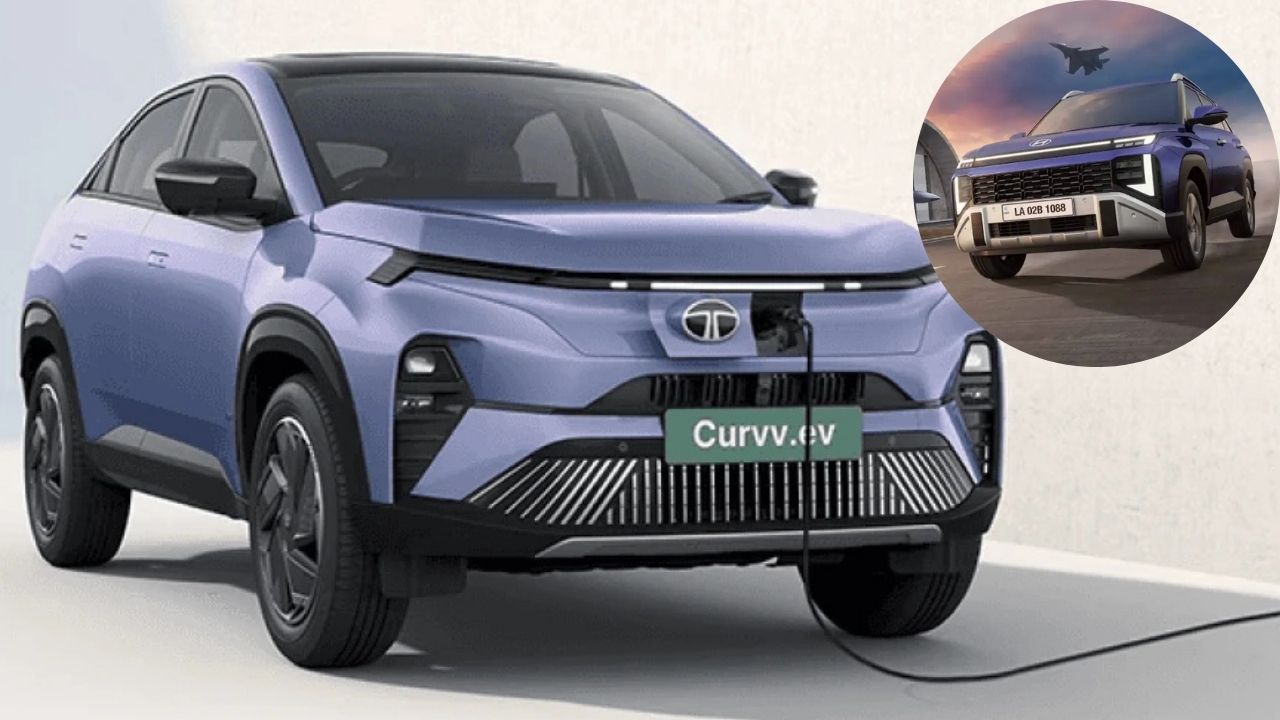
The Big Question Every Buyer Is Asking
With fuel prices steadily rising and electric vehicles becoming more common on Indian roads, one question keeps coming up among buyers in 2026: is an EV actually cheaper than a petrol car?
At first glance, electric vehicles seem like the obvious choice because of their lower running cost. However, the reality is more nuanced. The total cost of ownership depends on how you use your vehicle, where you live, and how long you plan to keep it. This article breaks down the real numbers so you can make a practical decision.
EVs Still Cost More Initially
The biggest difference between EVs and petrol cars appears at the time of purchase. Electric vehicles are still more expensive due to battery costs and newer technology.
In today’s market, a petrol hatchback typically costs around ₹6-8 lakh, while a comparable electric vehicle can range between ₹8-12 lakh. This means you are paying an additional ₹2-4 lakh upfront for an EV.
For many buyers, this higher initial cost is the main reason they hesitate to switch.
Running Cost of ICE vs EV
While EVs cost more to buy, they are significantly cheaper to run. This is where the biggest advantage of electric vehicles comes into play.
A typical petrol car delivers around 15 km per litre, and with petrol prices close to ₹95-₹100 per litre, the running cost comes to roughly ₹6-7 per kilometre.
In comparison, an EV consumes electricity instead of fuel. With electricity costing around ₹7-₹10 per unit and an efficiency of 6–8 km per unit, the cost drops to approximately ₹1-1.5 per kilometre.
This means that, in daily usage, EVs can be up to four to five times cheaper to run than petrol cars.
Electric vehicle have low cost of maintenance

Electric vehicles also have an advantage when it comes to maintenance. Since EVs have fewer moving parts and no engine, they eliminate many of the regular servicing needs associated with petrol cars.
Petrol vehicles require periodic oil changes, engine maintenance, and more frequent servicing due to mechanical wear and tear. EVs, on the other hand, mainly require basic checks and occasional component replacements.
Over time, this results in noticeably lower maintenance costs for electric vehicles.
5-Year Cost Comparison – Realistic Scenario
To understand the difference more clearly, let’s consider a practical example. Suppose you drive around 30 km daily and plan to keep your car for five years.
In the case of a petrol car, fuel expenses alone can reach approximately ₹3.5 – 4 lakh over five years, with maintenance adding another ₹60,000 or more. This brings the total running and maintenance cost to around ₹4–4.5 lakh.
For an EV, the electricity cost for the same usage would be roughly ₹80,000 to ₹1.2 lakh, while maintenance may cost around ₹30,000. This brings the total to approximately ₹1-1.5 lakh.
The difference is significant. Over five years, an EV can save you around ₹2.5-3 lakh in running and maintenance costs.
ICE Vehicles Still Win In Convenience Factor

Despite the cost advantage, EVs are not perfect for everyone. Convenience is an area where petrol cars still hold an advantage.
Refuelling a petrol car takes just a few minutes and can be done almost anywhere. EVs, however, require charging time and access to charging infrastructure. While home charging solves this issue for many users, it can be a limitation for those living in apartments or areas with limited charging options.
When an EV Makes Sense
An electric vehicle is a smart choice if your usage aligns with its strengths. It works best for people who drive regularly, have access to home charging, and plan to keep the vehicle for several years.
In such cases, the lower running and maintenance costs can easily offset the higher upfront price.
When a Petrol Car Is Still the Better Option
Petrol cars continue to make more sense for buyers who drive occasionally or take frequent long-distance trips. They are also a better choice for those who do not have convenient access to charging infrastructure.
In these situations, the flexibility and ease of refuelling make petrol cars more practical.
What Should You Choose?
The decision between an EV and a petrol car ultimately depends on your usage.
If your priority is reducing long-term costs and you drive daily, an EV can be a smarter financial choice. On the other hand, if you want lower upfront cost and maximum convenience, a petrol car remains a reliable option.
Real truth is EVs are not cheaper for everyone
Electric vehicles are not automatically cheaper for everyone. They become cost-effective only when your driving pattern supports them.
Understanding this difference is key to making the right decision.
All costs mentioned are approximate and may vary based on fuel prices, electricity rates, location, and driving habits.