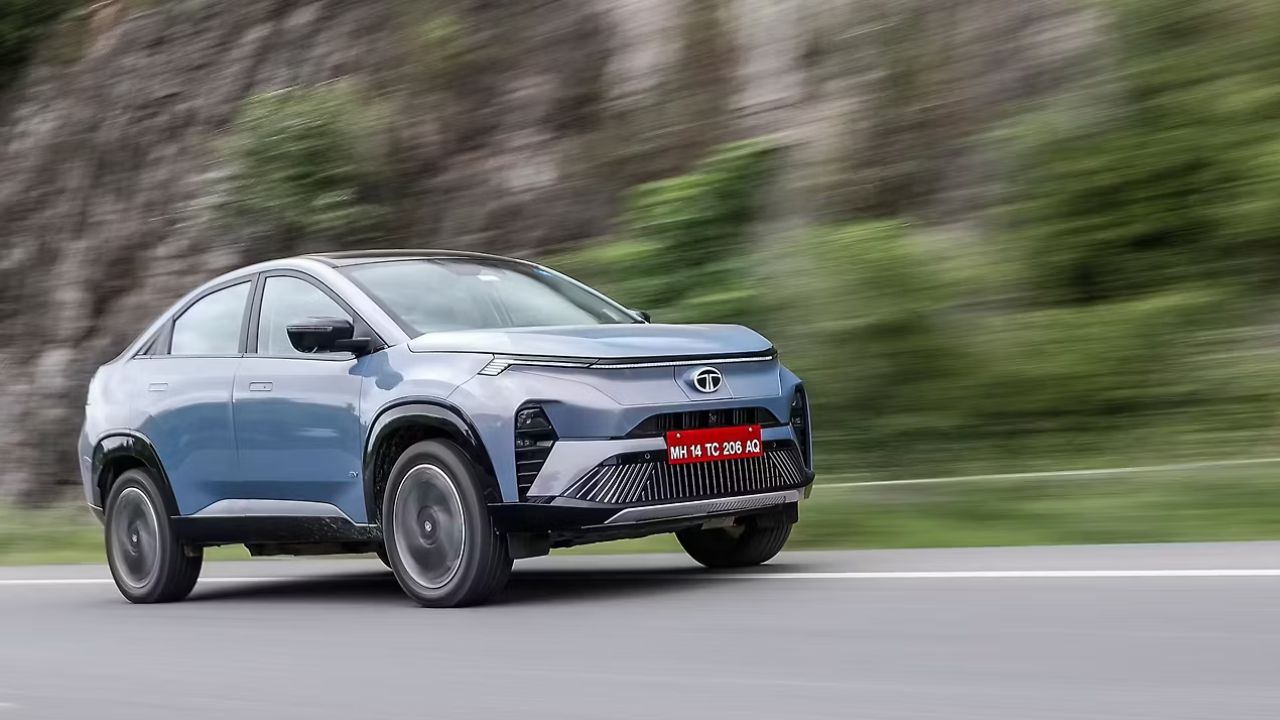
The Indian electric vehicle market continues its strong momentum as buyers in cities like Mumbai, Delhi, Bangalore, and Pune seek practical, stylish, and economical options beyond compact crossovers. The Tata Curvv EV stands out in this segment with its coupe-SUV design, strong feature set, and competitive positioning. For many considering an electric upgrade, the key question is not just the purchase price but the Tata Curvv EV long-term ownership cost over five to eight years of typical family use.
Based on official manufacturer data, ARAI certifications, and aggregated owner discussions on forums and community groups, the Curvv EV delivers one of the more compelling total cost of ownership profiles in the mid-size electric SUV space. With ex-showroom prices starting around 16.99 lakh rupees for the Accomplished X 55 variant and going up to about 19.49 lakh for higher trims, it positions itself as a premium yet accessible choice. Its 55 kilowatt-hour battery pack promises strong efficiency that translates into meaningful savings on running costs compared to petrol or diesel rivals.
Technical Deep Dive into the Tata Curvv EV
The Tata Curvv EV uses Tata’s acti.EV platform and comes primarily with a 55 kilowatt-hour battery option in current popular variants. This pack powers a front-wheel-drive permanent magnet motor producing 167 brake horsepower and 215 Newton metres of torque. Official ARAI tested range stands at 502 kilometres for the 55 kilowatt-hour version.
Performance feels adequate for Indian roads with a claimed zero to 100 kilometres per hour time in the low 9 to 11 second range depending on conditions. The liquid-cooled motor and battery thermal management help maintain consistent output even in hot city traffic common in places like Delhi or Chennai. Ground clearance around 190 millimetres combined with 17 or 18 inch wheels provides decent capability for occasional bad roads or flooded streets during monsoons.
Compared to direct rivals, the Curvv EV offers a good balance. The MG ZS EV uses a 50.3 kilowatt-hour pack with around 461 kilometres ARAI range and slightly higher power output in some trims. The Hyundai Kona Electric brings a more premium feel but at a significantly higher price point with its 39.2 kilowatt-hour battery. The Curvv distinguishes itself with coupe styling, a spacious 500 litre boot, and Tata’s growing ecosystem of service and charging support.
Real-World Usage and Efficiency for Indian Conditions
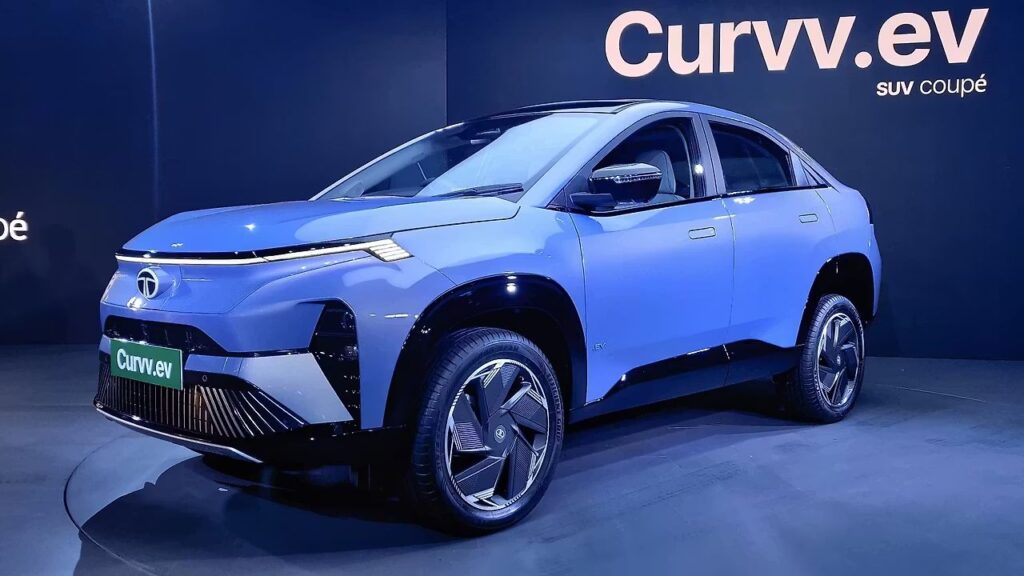
In typical Indian commuting, real-world range settles lower than ARAI figures, as expected. According to owner discussions on forums and community groups, figures of 350 to 400 kilometres in mixed city and highway driving with air conditioning on are commonly reported, which aligns with Tata’s own C75 cycle claims of around 400 to 425 kilometres for confident daily use. In dense urban traffic like Bangalore or Mumbai, expect closer to 6.5 to 7 kilometres per kilowatt-hour efficiency. Highway runs at 80 to 100 kilometres per hour can achieve similar or slightly better figures with proper regenerative braking use.
Charging fits well into average household routines. Using a 7.2 kilowatt AC wall box charger, a full charge from 10 to 100 percent takes roughly 8 hours, perfect for overnight home charging. DC fast charging at 70 kilowatt stations achieves 10 to 80 percent in about 40 to 47 minutes in real conditions. For an average Indian household paying 6 to 8 rupees per unit, a full 55 kilowatt-hour charge costs between 350 and 450 rupees at home, delivering 350 plus kilometres of range.
This works out to roughly 1 to 1.3 rupees per kilometre for home charging, dramatically lower than equivalent petrol SUVs that might consume 10 to 12 kilometres per litre and cost 8 to 10 rupees per kilometre at current fuel prices. For someone driving 15,000 kilometres annually, annual electricity costs could stay under 20,000 rupees versus 1.2 to 1.5 lakh rupees or more for a petrol equivalent.
Intercity travel with planned charging stops is manageable on major corridors. Expanding public charging networks along highways and vehicle-to-load capabilities for emergencies help mitigate range concerns. Owners report comfortable usage for family trips when stops are incorporated into the journey.
Market Position and Price Comparison
The Curvv EV competes in a crowded yet growing segment. Here is a comparison based on approximate ex-showroom prices and key specs as of mid 2026:
Price and Specs Comparison Table
| Model | Price (₹ Lakh) | ARAI Range | Battery | Max Power |
| Tata Curvv EV (55 kWh) | 16.99 – 19.49 | 502 km | 55 kWh | 167 bhp |
| MG ZS EV | 17.99 – 20.50 | 461 km | 50.3 kWh | 177 bhp |
| Hyundai Kona Electric | 23.84 – 24.03 | 452 km | 39.2 kWh | 134 bhp |
The Tata offers strong value with its lower entry price, generous features in mid trims including Level 2 advanced driver assistance systems, panoramic sunroof, and premium audio. Resale value benefits from Tata’s strong EV brand presence and widespread service network. Government policies like potential extensions under FAME III or state-level incentives, along with Production Linked Incentive scheme benefits for local manufacturing, further support long-term economics.
Total Cost of Ownership Breakdown
Over five years and 75,000 kilometres, the Tata Curvv EV shines in total cost of ownership calculations. Upfront cost after possible discounts and exchange offers can land effectively around 18 to 21 lakh rupees on-road in major cities. Insurance starts higher than petrol cars but stabilizes. Maintenance remains low with no oil changes, fewer moving parts, and scheduled services often under 5,000 rupees annually in early years. Tata provides strong battery warranty coverage, often eight years or 1,60,000 kilometres for the first owner, with some reports of lifetime high-voltage battery warranty on newer variants.
Electricity at home dominates running costs at 15,000 to 25,000 rupees per year for average use. Add insurance, minimal maintenance, and tyres replaced every 40,000 to 50,000 kilometres, and five-year operating costs stay significantly below equivalent internal combustion engine vehicles. Break-even versus a similar petrol SUV often occurs within three to four years for high-mileage users. Lower per kilometre costs make it especially attractive for families covering daily commutes plus weekend trips.
Real user pain points include initial home charger installation costs of 20,000 to 40,000 rupees and occasional service network gaps in smaller towns. However, Tata’s rapid EV infrastructure expansion addresses these progressively.
Our Take
Buy Now if your annual driving exceeds 12,000 kilometres, you have reliable home charging access, and you prioritize style, features, and running cost savings. The Tata Curvv EV delivers excellent long-term value in its segment with strong ownership economics. Wait only if you need significantly more than 400 kilometres real-world range regularly or prefer waiting for potential future battery tech improvements. Consider alternatives like the MG ZS EV if you find better deals or prefer its driving character, but the Curvv edges ahead on design and Tata’s ecosystem support.
The Tata Curvv EV represents an important step in India’s electric vehicle roadmap, blending desirable coupe-SUV aesthetics with practical ownership economics suited to urban and semi-urban Indian families. As charging infrastructure matures and electricity remains cheaper than fossil fuels, vehicles like the Curvv EV will increasingly dominate long-term cost conversations. For forward-thinking buyers in 2026, it offers a stylish, capable, and increasingly affordable way to join the electric transition without major compromises.