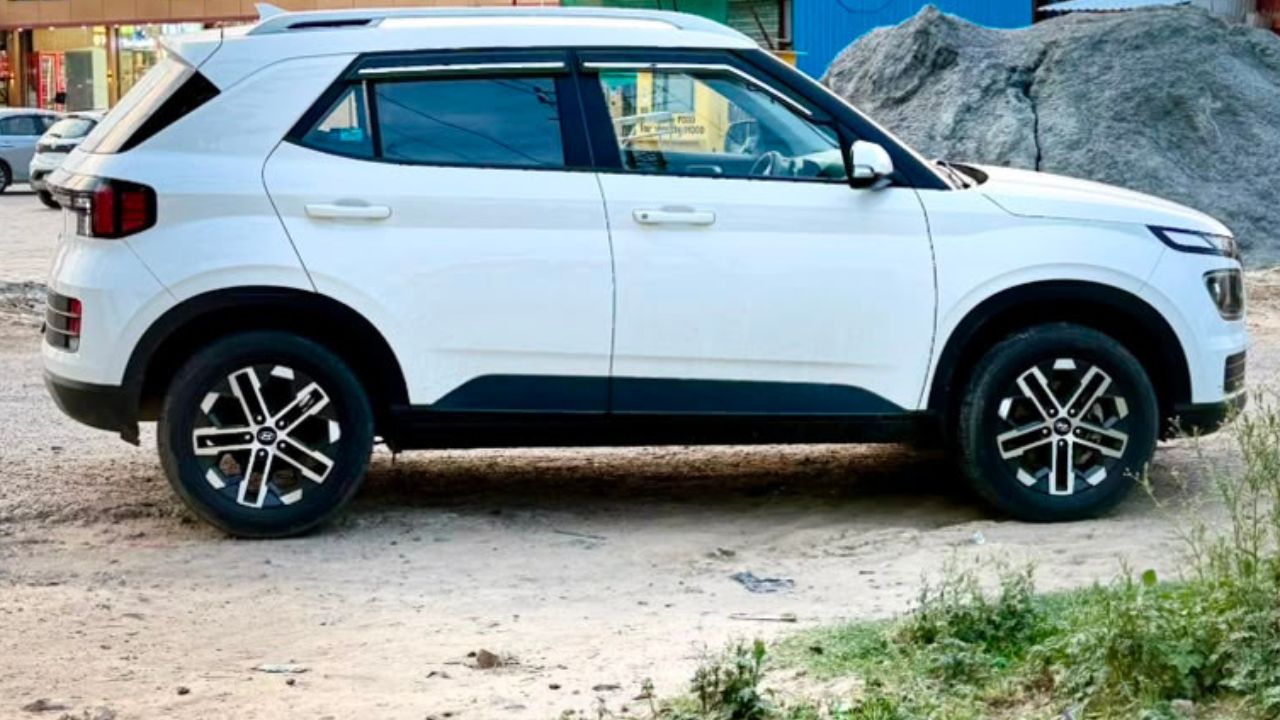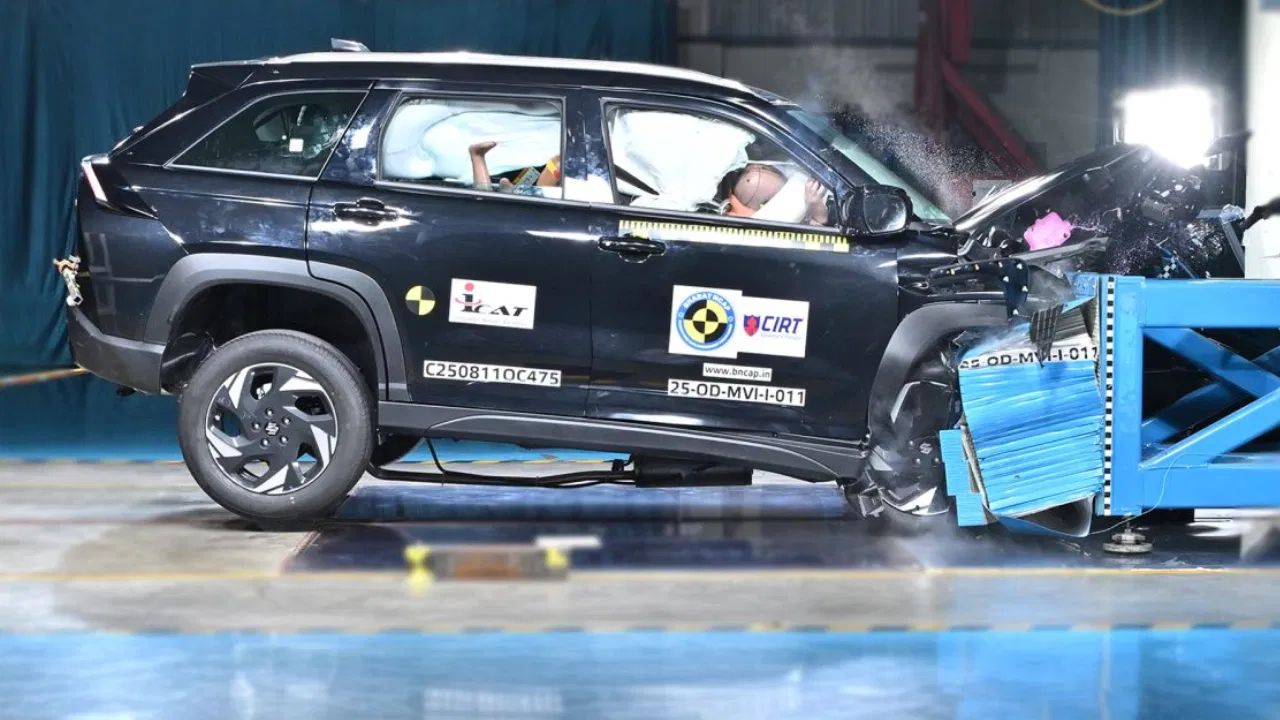
India’s automotive safety landscape has evolved considerably over recent years. For commuters navigating busy city roads or long highway stretches, understanding crash test safety ratings has become an important part of the vehicle buying process. In 2026, the distinction between Bharat NCAP (India’s national crash test program) and Global NCAP continues to shape how buyers evaluate Indian-manufactured SUVs. This article explains how the two programs differ, what the 2026 ratings indicate for popular models, and what changes are expected with Bharat NCAP 2.0.
What Are Bharat NCAP and Global NCAP?
Bharat NCAP (BNCAP), launched by the Ministry of Road Transport and Highways in 2023, evaluates vehicles under crash test protocols tailored to Indian conditions and usage patterns while remaining broadly aligned with international standards.
Global NCAP is an independent international program that has tested Indian-market vehicles through its Safer Cars for India campaign for several years, applying globally benchmarked protocols. Both programs share the core goal of providing consumers with independent, standardised safety information. However, differences in scoring thresholds and testing requirements mean that a rating from one program is not directly interchangeable with the other.
Key Differences Between Bharat NCAP and Global NCAP
Both programs evaluate adult occupant protection through frontal offset deformable barrier tests at 64 km/h and side impact tests. The main differences are:
Adult Occupant Scoring:
- Global NCAP awards a maximum of approximately 34 points for adult occupant protection, including points for seat belt reminders across front and rear seats. A five-star adult occupant rating generally requires around 34 points.
- Bharat NCAP caps adult occupant protection at 32 points. The five-star threshold is set at a minimum of 27 out of 32 points. Seat belt reminders are handled differently-points are not awarded the same way, though they are mandated for higher-star ratings on front seats.
Child Occupant Protection:
- Bharat NCAP has a dedicated child occupant scoring category, with five-star ratings requiring a minimum of 41 out of 49 points.
Local Relevance:
- Bharat NCAP’s protocols reflect factors specific to the Indian market, including right-hand drive configurations and higher average vehicle occupancy rates.
For buyers, cross-referencing both sets of ratings, where available, provides a more complete picture of a vehicle’s real-world safety performance.
2026 Safety Rating Overview for Popular Indian-Manufactured SUVs
By 2026, a number of Indian-manufactured SUVs have achieved strong ratings under Bharat NCAP and Global NCAP. Electric SUVs have generally posted high adult occupant scores, attributed in part to their rigid battery platforms, which contribute to structural integrity in crash tests.
The table below summarises publicly available ratings for selected models. Buyers should verify the rating for their specific variant and model year directly with Bharat NCAP and Global NCAP, as ratings can differ between variants.
| Model | Bharat NCAP Rating | Adult Occupant (/32) | Child Occupant (/49) | Global NCAP Status | Notable Standard Features |
|---|---|---|---|---|---|
| Tata Harrier EV | 5 Star | 32.00 | 45.00 | Strong alignment | Multiple airbags, robust structure |
| Mahindra XEV 9e | 5 Star | 32.00 | 45.00 | Competitive | High-strength build, ADAS options |
| Kia Seltos (2026) | 5 Star | 31.70 | 45.00 | Improved | 6 airbags standard in higher variants |
| Maruti Suzuki Invicto (Victis) | 5 Star | 31.66 | 43.00 | 5 Star | ESP, ISOFIX anchors |
| Mahindra XUV700 | Voluntary submission | High | High | 5 Star | 7 airbags, ADAS, ESC |
| Tata Punch EV | 5 Star | 31.46 | 45.00 | 5 Star | Strong entry-level safety credentials |
Sources: Official Bharat NCAP and Global NCAP publications. Always verify ratings for the specific variant you are considering before purchase.
What Safety Ratings Mean for Indian Buyers
In high-traffic cities, lower-speed collisions, including side impacts at intersections, are the most common type of crash, making strong side impact scores and standard electronic stability control (ESC) especially important for urban buyers. On highways, where speeds are significantly higher, structural integrity and effective restraint systems such as airbags and seat belt pretensioners play a major role in determining injury outcomes during frontal and offset crashes, which makes adult occupant protection scores particularly relevant for intercity travel. Buyers with young children should also consider child occupant protection scores along with the availability of ISOFIX anchor points in shortlisted models. Additionally, safety ratings are sometimes achieved using fully equipped test variants, so buyers should verify which airbags and safety features are standard in the specific variant they plan to purchase instead of assuming that top-spec safety equipment is available across the entire lineup.
Looking Ahead: Bharat NCAP 2.0
Bharat NCAP 2.0, proposed for introduction around 2027, is expected to expand the evaluation framework significantly. Anticipated additions include:
- Full-width frontal crash tests
- Rear impact assessments
- Greater emphasis on vulnerable road user (pedestrian) protection
- Evaluation of ADAS (Advanced Driver Assistance Systems) performance
- Post-crash safety criteria
- An expanded 100-point multi-pillar scoring system
These changes would bring Indian standards closer to the framework used by Euro NCAP while remaining relevant to Indian manufacturing and road conditions. Achieving a five-star rating under the updated protocol is expected to become more demanding, making current five-star ratings a useful but not final measure of long-term safety positioning. Buyers who prefer to wait for Bharat NCAP 2.0 results before purchasing may benefit from additional data on models tested under the updated protocol.
Overall Summary
The 2026 safety rating landscape for Indian-manufactured SUVs reflects meaningful progress from manufacturers and the growing maturity of India’s crash test ecosystem. Bharat NCAP and Global NCAP each offer distinct but complementary perspectives on vehicle safety.
For buyers, the most informed approach involves:
- Checking ratings on both the official Bharat NCAP and Global NCAP databases
- Confirming which features are standard on the specific variant being purchased
- Consulting authorised dealers for up-to-date pricing and variant-level specifications
- Reviewing independent expert assessments alongside official ratings
As Bharat NCAP evolves toward a more comprehensive evaluation framework, Indian-manufactured SUVs will face higher benchmarks, a development that benefits both buyers and overall road safety.