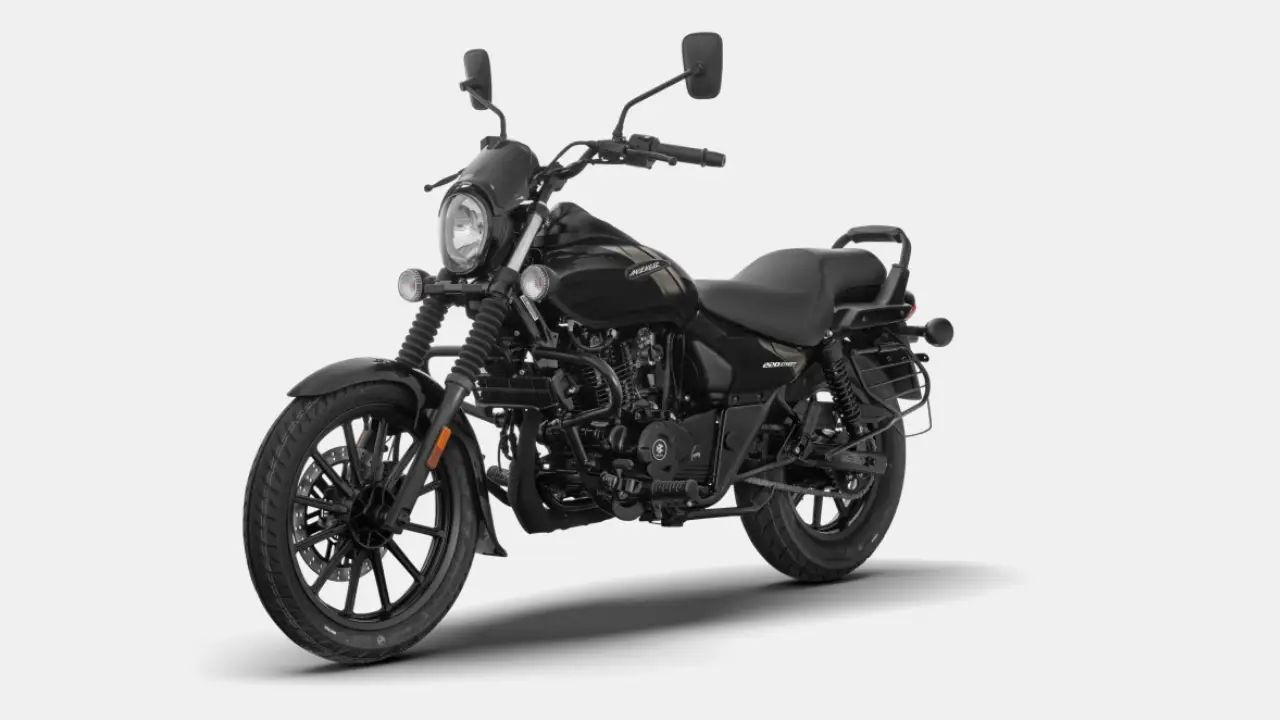
The entry-level cruiser segment in the Indian two-wheeler market has always occupied a distinct niche, providing riders with an appealing blend of relaxed ergonomics, lower seat heights, and distinct road presence without requiring the hefty financial commitment of premium middleweight motorcycles. At the forefront of democratization within this segment has been Bajaj Auto, a manufacturer that has continuously altered its product portfolio to match shifting consumer preferences. In a strategic move designed to consolidate its dominance in this space, Bajaj has officially reintroduced the Avenger 220 Street to the Indian market at a compelling price tag of Rs 1.29 lakh to Rs 1.30 lakh (ex-showroom). This launch signals a major restructuring of the Avenger family, directly filling the void left by the recent discontinuation of the smaller-capacity Avenger 160 Street. By re-introducing the larger 220cc engine into the dark, contemporary “Street” aesthetic, Bajaj aims to appeal to daily urban commuters and weekend tourers who crave the stealthy look of a modern cruiser coupled with the proven mechanics of a larger power plant.
The revival of the Avenger 220 Street is particularly notable because it marks the return of a design philosophy that was phased out a few years ago when Bajaj decided to focus the 220cc platform exclusively on the chrome-laden “Cruise” variant. However, consumer demand for blacked-out themes, sportier handling geometry, and the practical advantages of tubeless tires on alloy wheels has remained consistently high. By re-launching the 220 Street, Bajaj is effectively executing a dual-pronged cruiser strategy: catering to traditionalists with the gleaming, windshield-equipped Cruise 220, while simultaneously offering younger, urban-focused riders a darker, more agile alternative. This comprehensive analysis will deeply explore the mechanical foundations, architectural design elements, financial layout, and market positioning of this newly re-launched urban machine, illustrating why it stands as a formidable competitor in its price bracket.
Mechanical Architecture: Analyzing the DTS-i Powertrain
Beneath the low-slung frame of the newly launched Avenger 220 Street resides a familiar and thoroughly tested powertrain that has earned a reputation for reliability across millions of cumulative highway and city kilometers. The motorcycle is propelled by a 220cc, single-cylinder, four-stroke, oil-cooled engine that incorporates Bajaj’s proprietary Digital Twin Spark Ignition (DTS-i) technology alongside a modern electronic fuel injection system. This engine utilizes a Single Overhead Camshaft (SOHC) configuration with a two-valve cylinder head designed to optimize low-to-mid-range torque delivery, which is the exact power characteristic required for effortless urban filtering and stress-free highway cruising. The inclusion of an oil cooler is a critical engineering feature for this air-cooled architecture, as it utilizes a dedicated radiator setup to circulate engine oil through high-heat zones, maintaining thermal stability during prolonged periods of heavy city gridlock or continuous high-speed cruising.
In terms of raw output, the internal combustion engine generates a peak power of 19.03 PS (approximately 18.8 bhp) at 8,500 rpm and develops a maximum torque output of 17.55 Nm at 7,000 rpm. This performance capability is managed via a crisp 5-speed constant-mesh manual transmission. While some modern enthusiasts might have hoped for a sixth gear, the wide torque spread ensures that the motorcycle pulls cleanly from lower speeds even in higher gears, eliminating the need for frequent gear changes in stop-and-go commuter traffic. The power delivery is characterized by a linear acceleration curve, which makes the vehicle highly approachable for riders moving up from smaller 100cc to 125cc commuter segments, while still offering enough top-end performance to hit a comfortable top speed of around 120 km/h on open expressways.
Technical and Performance Specifications
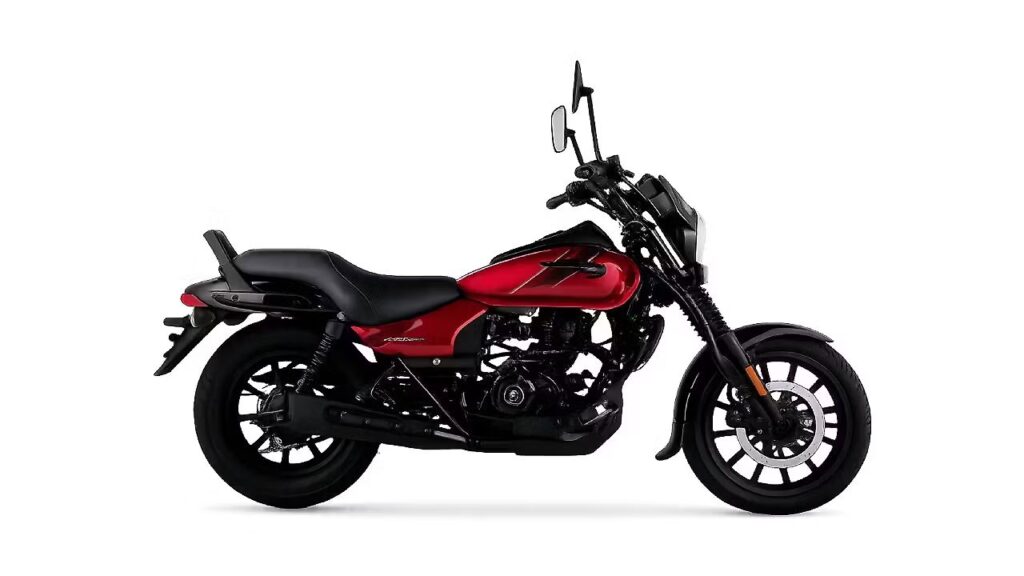
To provide a concise overview of how the mechanical systems, structural dimensions, and chassis components integrate to define the operating dynamics of this machine, the detailed technical matrix below breaks down the primary specifications of the vehicle:
| Parameter Category | Technical Specification Detail |
| Engine Type | Single-cylinder, Oil-cooled, 4-stroke, SOHC, 2-valve, DTS-i, FI |
| Displacement | 220 cc |
| Maximum Power Output | 19.03 PS (18.8 bhp) @ 8,500 rpm |
| Maximum Torque Output | 17.55 Nm @ 7,000 rpm |
| Transmission Type | 5-Speed Manual Gearbox |
| Front Suspension | Conventional Telescopic Forks with double anti-friction bush |
| Rear Suspension | Dual 5-step adjustable twin shock absorbers |
| Front Braking System | 280 mm Single Hydraulic Disc with Single-Channel ABS |
| Rear Braking System | 130 mm Mechanical Drum Brake |
| Front Wheel & Tire | 17-inch Alloy Wheel / 90/90-17 Tubeless Tire |
| Rear Wheel & Tire | 15-inch Alloy Wheel / 130/90-15 Tubeless Tire |
| Fuel Tank Capacity | 13 Liters |
| Kerb Weight | 160 kg |
Structural Dynamics and Ergonomic Configuration
The design profile of the Avenger 220 Street relies on a classic low-slung cruiser geometry that directly influences its daily rideability, high-speed stability, and parking lot maneuverability. It features an extended wheelbase of 1,490 mm and a total longitudinal length of 2,210 mm, dimensions that provide excellent straight-line stability by spreading the contact patches further apart, reducing pitching motions over undulating road surfaces. Ground clearance is rated at a protective 169 mm, ensuring that the low-slung exhaust canister and lower crankcase shield are safe from contact with tall, poorly designed speed humps common across domestic urban environments. Crucially, the motorcycle tips the scales at a kerb weight of exactly 160 kg, which is remarkably light for a 220cc cruiser machine, allowing it to remain easy to handle when pushing it out of tight parking spots or handling sudden lane-change maneuvers.
Ergonomically, the single greatest asset of the Avenger 220 Street is its remarkably low saddle height, which is pegged at an accessible 737 mm. This extremely low seat height ensures that shorter riders can easily place both feet firmly on the ground, significantly boosting confidence during low-speed maneuvers or when balancing the machine at long traffic lights. To separate the Street variant from its Cruise sibling, Bajaj has equipped this model with a flatter, lower, and slightly wider handlebar configuration. This changes the rider’s skeletal alignment from the relaxed, laid-back posture of the Cruise to a more assertive, slightly forward-leaning, command-oriented posture. The forward-set rider footpegs are maintained, preserving excellent lower-body comfort and ample legroom, while the sportier handlebar layout gives the rider greater leverage over the front wheel, enhancing steering response through crowded inner-city streets.
Aesthetic Redefinition: The Dark Street Philosophy
While the Avenger 220 Cruise relies on an abundance of gleaming chrome components across its headlight surround, rearview mirrors, exhaust heat shield, and rear pillion backrest to evoke a traditional Americana aesthetic, the 220 Street adopts a radically different, urban-focused dark theme. Bajaj has deliberately blacked out nearly every major structural and cosmetic element of the motorcycle, including the engine block, the long exhaust pipe, the front telescopic fork sleeves, and the rear shock absorbers. This minimalist, matte-and-gloss aesthetic gives the motorcycle a stealthy, muscular road presence that aligns with modern global customized cruiser design trends. It is available in distinct, deeply saturated color options like Ebony Black and Cocktail Wine Red, accented by subtle, modern body graphics that run along the side panels and fuel tank perimeter.
At the front, the visual identity of the 220 Street is anchored by a sharp, circular halogen headlamp assembly that integrates a signature horizontal LED Daytime Running Light (DRL) strip across its lower section. This configuration ensures excellent visibility during daytime riding while retaining a retro appearance. Perched directly above the headlamp is a short, tint-finished flyscreen or wind deflector that serves as a subtle styling element, helping block a portion of the wind blast away from the rider’s chest at highway speeds. Moving toward the rear, the elongated single-piece seat slopes downward into a deep contour for the rider, while the pillion section features a clean, functional matte-black grab rail instead of the large cushion backrest seen on the Cruise model, giving the rear profile a tightly tailored, sportier look.
Technological Updates and Electrical Features
- Fully Digital Instrument Console: Features an amber-lit LCD pod that replaces old analog gauges, displaying speed, fuel status, trip logs, and service reminders.
- Bluetooth Connectivity Suite: Allows riders to sync smartphones for basic notification tracking and call alerts on the go.
- Integrated USB Charging Port: Conveniently mounted near the handlebar area to keep smartphones or navigation units powered during long trips.
- Single-Channel ABS Safeguard: Integrates an anti-lock braking system on the 280 mm front disc to prevent wheel lockups during sudden emergency stops.
Chassis, Suspension, and Braking Dynamics
The underlying structural frame of the Avenger 220 Street is a robust tubular double-cradle chassis designed to balance rigidity and flexible impact absorption. The front suspension tasks are handled by conventional telescopic forks fitted with double anti-friction bushes, providing smooth travel to soak up minor road ruts, expansion joints, and broken tarmac. The rear setup features a traditional twin-shock arrangement utilizing coil-over dampening units that offer a 5-step adjustable pre-load mechanism. This adjustability allows owners to easily alter the stiffness of the rear suspension depending on whether they are riding solo, carrying a pillion passenger, or hauling heavy luggage for an extended road trip.
The wheel and tire configuration is a major area where the Street version sets itself apart from the Cruise variant. While the Cruise model uses traditional chrome spoke wheels that require inner tubes, the Avenger 220 Street rides on lightweight, multi-spoke black alloy wheels fitted with tubeless tires as standard equipment. It uses a 17-inch alloy wheel up front wearing a 90/90-section tire, combined with a wider, chunkier 15-inch rear alloy wheel fitted with a fat 130/90-section tire. The smaller diameter, wider profile rear wheel gives the motorcycle a muscular stance while enhancing traction under acceleration. Furthermore, the transition to tubeless tires provides peace of mind, as punctures can be quickly repaired on the roadside without removing the entire wheel assembly. The braking layout is a mixed configuration, using a large 280 mm front hydraulic disc brake linked with single-channel ABS, while the rear uses a budget-friendly 130 mm mechanical drum brake. This setup provides predictable stopping power, though a rear disc option would have been a welcome addition for added safety.
Market Positioning and Financial Viability
Priced competitively at Rs 1.29 lakh to Rs 1.30 lakh (ex-showroom), Bajaj has positioned the Avenger 220 Street as a highly affordable entry-level cruiser in the Indian motorcycling landscape. This pricing strategy places the 220 Street almost perfectly in line with its chrome-heavy sibling, the Cruise 220. This is an interesting strategic move because chrome finishes, tall windscreens, and pillion backrests typically command a pricing premium across the industry. By pricing them identically, Bajaj removes financial friction from the decision-making process, allowing buyers to choose purely based on style and functional preference: whether they prefer the classic chrome touring look of the Cruise or the practical alloy wheels and blacked-out urban styling of the Street.
Detailed Financial Breakdown and On-Road Cost Matrix
To give perspective on the actual acquisition costs of the motorcycle, the table below provides an estimated financial breakdown for a major metropolitan market like New Delhi:
| Expense Component | Estimated Cost Details (INR) |
| Ex-Showroom Base Price | Rs 1,30,172 |
| Regional RTO & Registration Fees | Rs 10,413 |
| Comprehensive Insurance Charges | Rs 10,879 |
| Estimated Final On-Road Price | Rs 1,51,464 |
This financial breakdown emphasizes that the vehicle can be brought home for roughly Rs 1.51 lakh on the road, making it significantly more affordable than other entry-level retro-cruisers like the Royal Enfield Hunter 350 or the TVS Ronin, which often hover closer to or above the Rs 1.75 lakh to Rs 2.00 lakh threshold on the road.
Final Verdict and Strategic Takeaways
The strategic return of the Bajaj Avenger 220 Street represents a well-timed move that brings real value back to budget-conscious riders seeking a stylish cruiser. By taking the refined 220cc oil-cooled powertrain and placing it into a blacked-out chassis rolling on tubeless alloy wheels, Bajaj has addressed the core demands of modern urban commuters. It eliminates the maintenance hassles associated with spoke wheels and chrome upkeep, while retaining the accessible 737 mm seat height and laid-back feel that have defined the Avenger nameplate for over two decades.
While the retention of a rear drum brake and the absence of a sixth gear remind us of the platform’s older roots, these choices help keep the entry price exceptionally low. Ultimately, for riders looking to graduate from basic commuter motorcycles to a machine with strong road presence, proven reliability, and affordable long-distance comfort, the re-launched Avenger 220 Street stands out as an incredibly practical and value-packed option in the modern lightweight cruiser segment.