Buying a supercar in India has always been an exercise in extreme financial pain. You find a car you love, look at the global price, and then you multiply it by two because of our legendary import taxes. It makes you question every single life choice, especially when you see people in Dubai buying the exact same machine for a fraction of the cost. But the wind is blowing in a completely different direction this week, and the wealthy elite are scrambling to call their car brokers. British supercar icon McLaren is dropping their prices by a mind-blowing 38 percent across almost their entire Indian lineup. We are talking about price cuts that could literally buy you a luxury apartment in South Mumbai or a massive farmhouse on the outskirts of Delhi.
This is not some regular end-of-year clearance sale where dealerships give you free insurance or mats to clear out old stock. It is a massive structural shift happening because of the upcoming India-UK free trade agreement. Every single billionaire in Mumbai are looking at their garage space right now, wondering if they should lock in an order before the order books overflow. Jaguar Land Rover already made some waves a few weeks ago by dropping prices on their flagship SUVs, but McLaren just walked in and completely changed the rules of engagement. They are slashing up to Rs 3.32 crore off their top-tier models, which is the single largest price correction we have ever seen in the history of the Indian performance car market.
The Multimillionaire’s Discount Code: What Is Actually Happening to McLaren Prices?
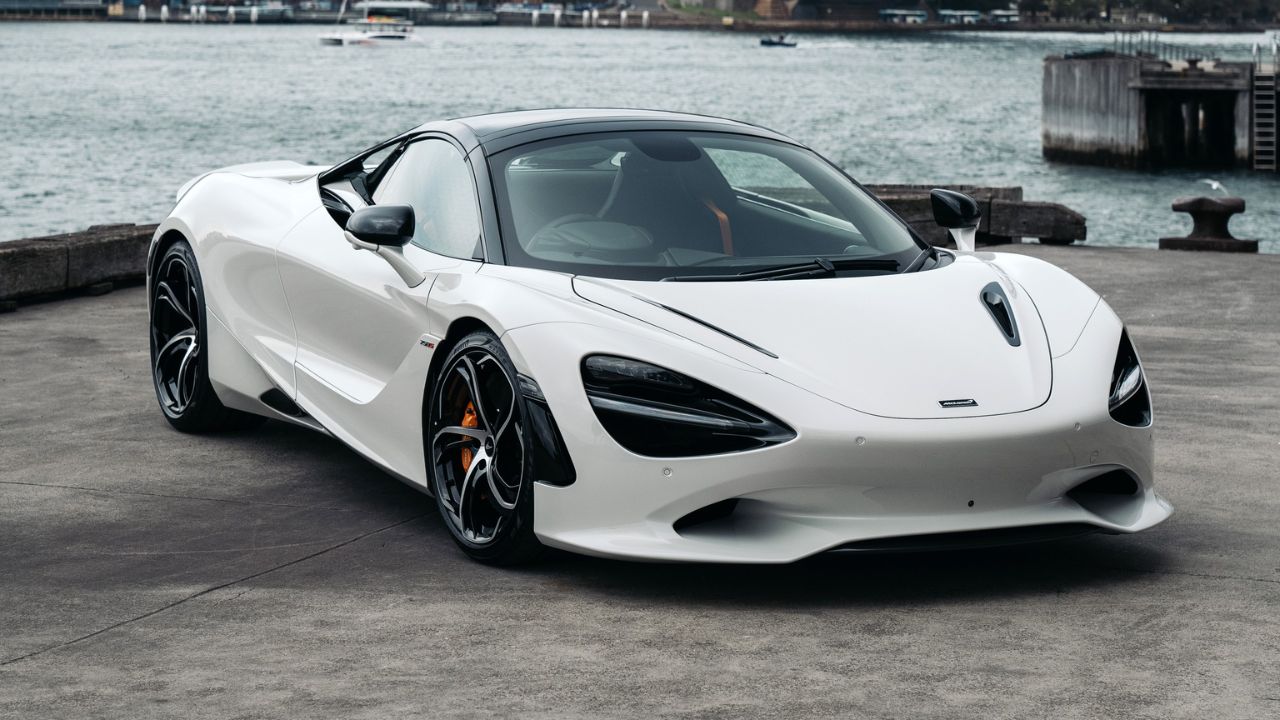
If you had Rs 8 crore sitting in your bank account last month, you could have walked into the Mumbai showroom and driven away in a shiny new McLaren 750S Spider. If you do that same exact thing today, you will walk out with the car and have more than three crore rupees left over to spend on premium fuel and track days. The numbers look completely fake when you see them on paper for the first time, but people who are close to the company operations have confirmed that these changes are absolutely real. The 750S Coupe, which used to retail at a staggering Rs 7.94 crore, is plummeted down to Rs 4.94 crore. That is a flat three-crore discount on a machine that hits zero to a hundred kilometers per hour in under three seconds.
The open-top version, which is the 750S Spider, gets an even bigger price cut because its original price was higher due to the complex roof mechanism. It goes from Rs 8.78 crore all the way down to Rs 5.46 crore, making it a massive Rs 3.32 crore cheaper than before. Then you have the GTS, which is the brand’s practical daily grand tourer designed for people who actually want to drive over speed bumps without scraping the carbon fiber floor. The GTS drops from Rs 6.15 crore to a much more reasonable Rs 3.83 crore, which puts it right in the crosshairs of cars like the Porsche 911 Turbo S and various high-end sports cars.
To give you a very clear picture of this pricing madness, here is the official breakdown of how much cash you actually save on each model:
| Model Name | Old India Price (Ex-Showroom) | New Expected Price (Ex-Showroom) | Cash Savings Total |
| McLaren 750S Coupe | Rs 7.94 crore | Rs 4.94 crore | Rs 3.00 crore |
| McLaren 750S Spider | Rs 8.78 crore | Rs 5.46 crore | Rs 3.32 crore |
| McLaren GTS | Rs 6.15 crore | Rs 3.83 crore | Rs 2.32 crore |
These numbers have not been officially blasted across billboards by McLaren’s PR team, but the importer, Infinity Cars, is already working behind the scenes to handle the sudden surge in customer phone calls. You cannot blame buyers for getting excited, because saving this much money on a factory-fresh supercar is a once-in-a-lifetime event.
The Fine Print That Rules Out the Coolest Hybrid on the Block
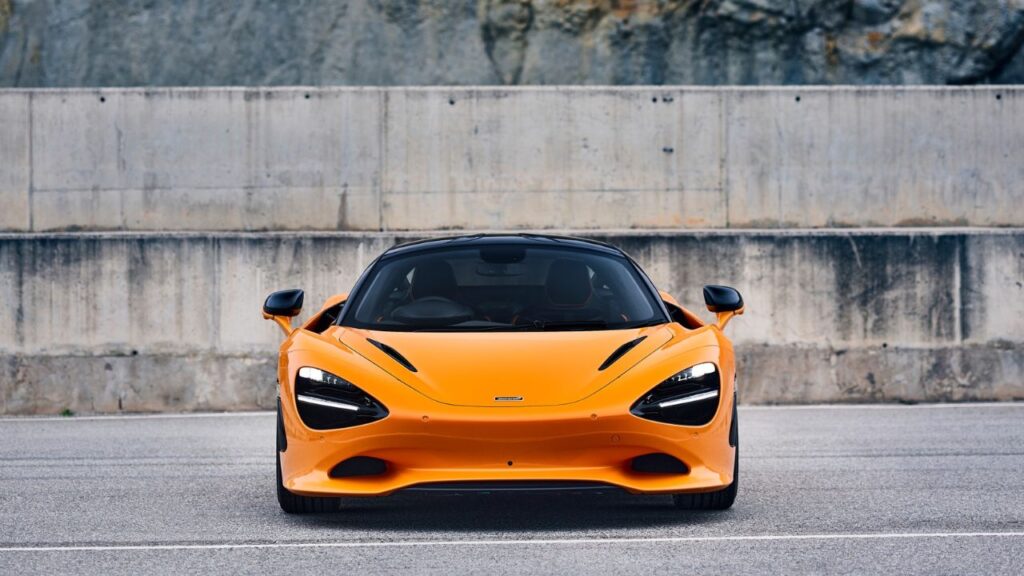
While you might want to celebrate this massive tax break, there is one very specific car that is completely left out of the party. The McLaren Artura, which is the brand’s high-tech V6 plug-in hybrid model, is not getting a single rupee taken off its price tag. It sounds completely backward because governments usually want people to buy electrified vehicles to protect the environment, but the trade agreement has very strict definitions about what qualifies for tax cuts. The text of the India-UK Comprehensive Economic and Trade Agreement states that hybrid vehicles will see no price revisions or duty benefits for the first five years of the deal.
The tax structure in India treats hybrids with a lot of suspicion, and they do not get the immediate customs relief that pure petrol and diesel cars enjoy. The Artura relies on a complex mix of a 3.0-liter twin-turbo engine and a compact electric motor, which means it remains taxed at the old, painful rates. If you want the futuristic whisper of an electric motor in your British supercar, you will have to pay the full premium for it. The buyers who want maximum value for money are naturally gravitating toward the traditional, loud V8 engines that get the full benefit of the trade deal.
Why the British Are Suddenly Winning the Indian Custom Duty War
This whole pricing shakeup comes down to a piece of paper signed by politicians on July 24, 2025. The India-UK Comprehensive Economic and Trade Agreement is designed to open up trade between the two nations, and luxury cars happen to be one of the biggest beneficiaries. Historically, if you imported a fully built car into India with an engine larger than 3,000cc, the government slapped a massive 110 percent customs duty right on top of the factory invoice. The new trade agreement cuts that 110 percent tariff down to just 30 percent in the very first year of implementation.
- The Engine Size Rule: The car must be a petrol vehicle with an engine capacity above 3,000cc, or a diesel vehicle with an engine above 2,500cc.
- The Five-Year Plan: The duty will continue to drop every year, eventually reaching a tiny 10 percent by the fifth year of the agreement.
- The Catch: This cheap tax rate is limited to an annual import quota, meaning only a specific number of British cars can enter India under these rules each year.
Both the 750S and the GTS use a massive 4.0-liter twin-turbocharged V8 engine, which comfortably places them in this top engine band. They qualify perfectly for the immediate drop to 30 percent customs duty, and that is exactly where that 38 percent retail price drop comes from.
JLR Started a Fire But McLaren Just Poured Jet Fuel on It
McLaren is not the absolute first company to jump on this trade deal train, but they are certainly doing it with the most noise. Back on May 5, Jaguar Land Rover became the first manufacturer to adjust their prices in anticipation of the new rules. JLR cut the price of their ultra-exclusive Range Rover SV by Rs 75 lakh, bringing it down to Rs 3.5 crore. They also trimmed Rs 40 lakh off the Range Rover Sport SV, making it cost Rs 2.35 crore. Those cuts represented a savings of about 15 to 18 percent, and the company openly admitted they might not pass the entire tax benefit down to the end consumer.
McLaren looked at that strategy and decided to go completely all-in by offering more than double the percentage discount. By passing on the full 38 percent benefit directly to the buyers, McLaren is making a massive play for market share in the elite segment. They entered the Indian market officially in 2021 and opened up their beautiful showroom in Mumbai in late 2022. By early 2025, they had only delivered about 50 cars in the entire country, which is a small number when you consider how many multi-millionaires live in Delhi and Mumbai alone. This price cut is an aggressive move to clear out any hesitation that wealthy buyers might have had about choosing a British brand over German or Italian rivals.
You Can Order One Today But Good Luck Getting It Past the Bureaucracy
Before you rush to transfer your crores to the dealership, you need to understand that there is a pretty massive bureaucratic hitch. The trade agreement between India and the UK has not actually come into force yet. The two countries had a firm target to implement the deal by April 2026, but that timeline has slipped completely because of ongoing political arguments. As of early June 2026, officials from both sides are still locked in rooms trying to resolve complex issues like steel safeguards and product rules.
Not a single rupee of these official duty cuts will legally apply until both governments formally exchange their ratification notifications. This means car brands like McLaren and JLR are jumping the gun, and they are offering these lower prices in anticipation of the final signature. If you buy a car right now at the new lower price, the brand is essentially taking a financial gamble that the paperwork will clear without any further delays.
Furthermore, the import quota system means that the total number of cheap tariff slots is strictly capped. This limited number of slots has to be shared across every single British car manufacturer operating in India. Getting your hands on an allocated slot is going to be just as difficult as finding the money to buy the car itself, and dealerships will likely prioritize their most loyal, repeat customers.
Is Your Garage Ready or Are the Other British Billionaire Brands Ghosting India?
McLaren and JLR have shown their hands, but there are plenty of other British luxury car companies that qualify for these exact same tax breaks. Super-luxury marques like Rolls-Royce, Bentley, Aston Martin, and Lotus all build cars in the United Kingdom with massive petrol engines that fit the description. As of right now, none of those other brands have made any sort of public announcement regarding price drops or structural revisions. They are likely sitting back and watching how the government negotiations unfold before changing their retail strategies.
The extent of future price drops from companies like Aston Martin or Rolls-Royce will depend heavily on their global import volumes and how many quota slots they can secure. For the wider luxury car market in India, this trade deal represents the first time the country has ever granted tariff concessions on fully built cars in any international trade agreement. It sets a massive precedent that could completely alter the premium car market over the next decade.
If you have been holding out on buying a pure, loud V8 supercar because the import taxes felt like a personal insult, your window of opportunity has finally opened up. The cars are getting significantly cheaper, the engines are as loud as ever, and the only real challenge left is convincing the dealership that you deserve one of those highly contested import quota slots.
Essential Ownership Realities: What It Costs After the Discount
Even if you manage to save three crore rupees on the initial purchase price of a 750S, owning a vehicle of this caliber in India is never a cheap affair. Road tax and insurance are calculated based on the ex-showroom value, so the lower pricing will save you some additional money during the registration process. However, the everyday running costs of a 4.0-liter twin-turbo V8 remain incredibly steep, and you have to factor in the local road conditions.
- Fuel Requirements: These high-performance engines require 97-octane or 100-octane premium petrol, which is only available at select fuel stations in tier-one cities.
- Ground Clearance Issues: Even with the front-axle lift system engaged on a 750S, navigating the unscientific speed breakers of Bengaluru or Mumbai requires extreme caution.
- Maintenance Logistics: Because the dealer network is concentrated in Mumbai under Infinity Cars, getting factory service or bodywork done if you live in North or South India requires shipping the car on a flatbed truck.
The price drop makes entering the McLaren family significantly easier, but the long-term commitment to maintaining a precision British supercar in Indian weather conditions remains unchanged. It is an entry ticket into an elite club, and the entry fee just got a whole lot more attractive.