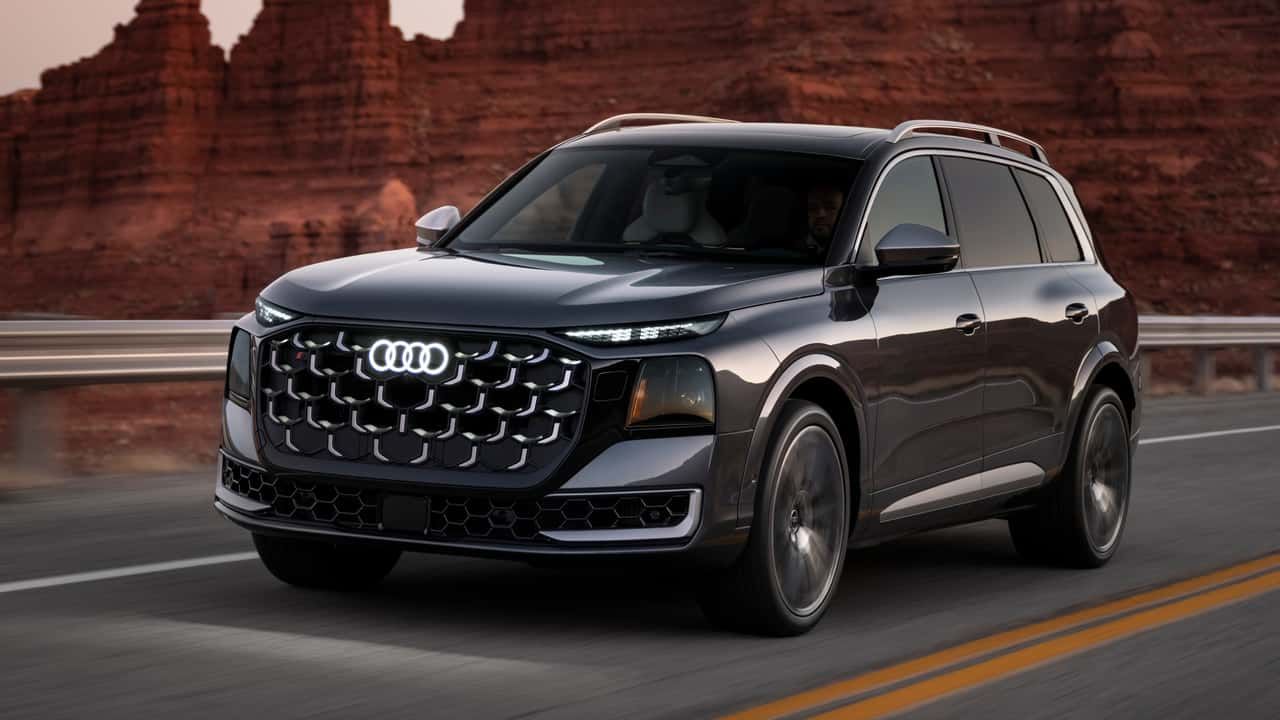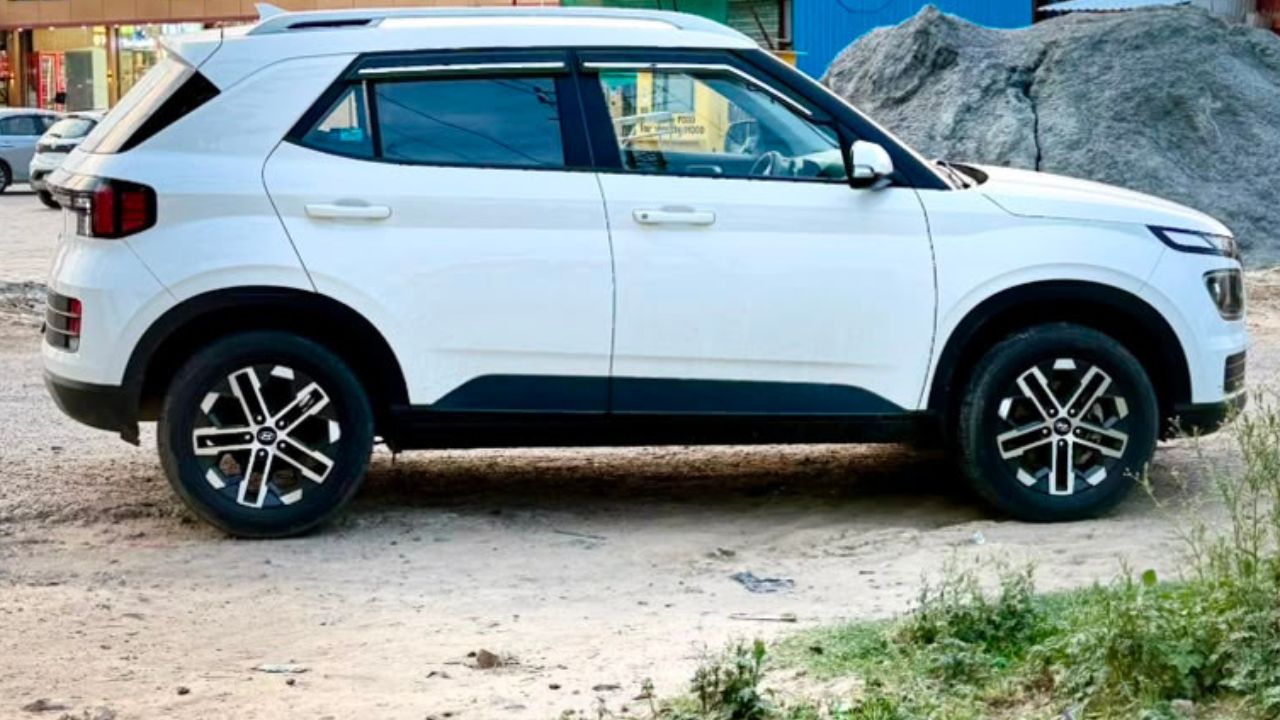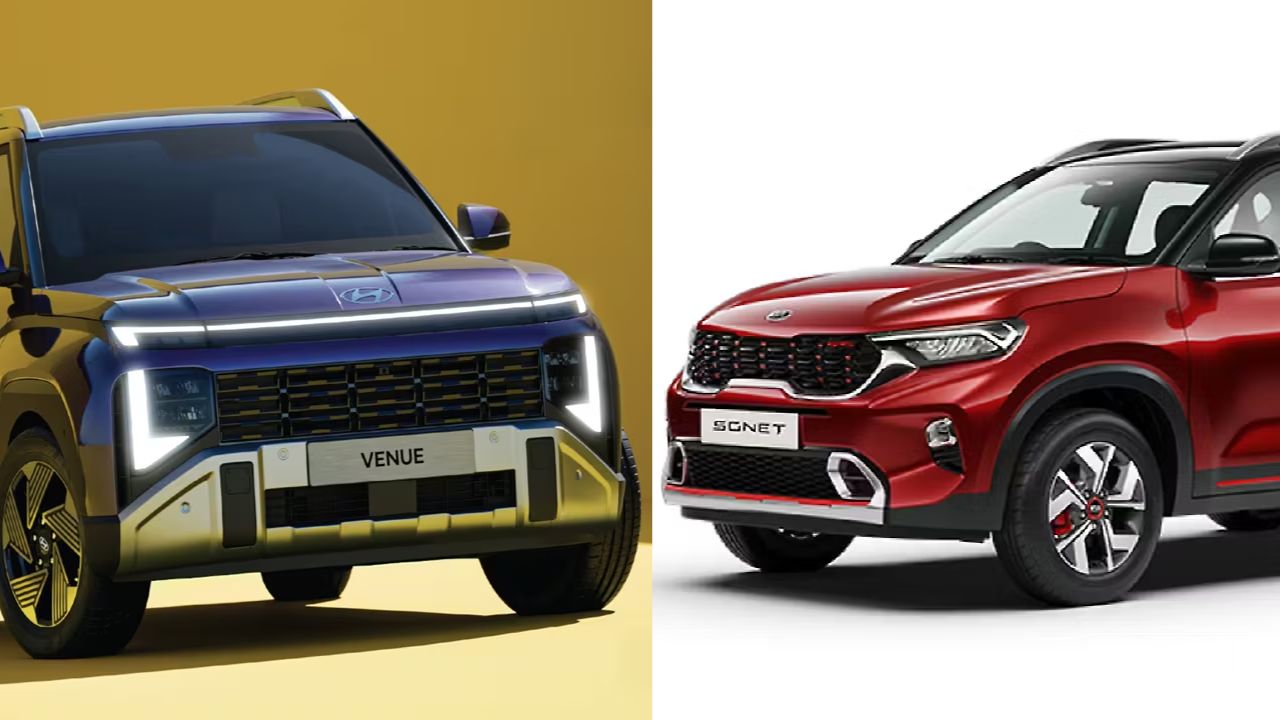
You are standing in a car showroom, looking at two compact SUVs that seem identical under the skin. The Hyundai Venue looks sharp, clean, and corporate. Right next to it or just down the road, the Kia Sonet screams for your attention with aggressive lines and a massive feature list. These two cars share the exact same mechanical foundations, but they target completely different types of drivers. Buying the wrong one will leave you with buyer remorse, especially when you realize how different they feel on daily city commutes.
Choosing between these two models requires a clear understanding of what you actually value in a daily driver. You might think you are getting the same car with a different badge, but that is a mistake. The suspension tuning is different. The variant distribution will confuse you, and the pricing structure has some sneaky gaps that can cost you thousands of extra rupees. We need to dissect every single detail to find the perfect fit for your garage.
The Price Tags That Will Make You Double Check Your Budget Right Now
You need to look closely at the entry prices because the entry-level options tell a fascinating story. The Kia Sonet starts lower at ₹7.33 Lakh for the HTE petrol variant, which makes it a highly attractive option for budget-conscious buyers. Hyundai demands a premium for its base Venue HX 2, starting your invoice at ₹8 Lakh right off the bat. That is a noticeable difference of ₹67,000 before you even calculate registration fees or local road taxes.
When you climb up the variant ladder, the financial picture shifts in ways you might not expect. Kia offers a staggering number of choices, filling up every possible price bracket up to ₹14.09 Lakh for the top-tier GTX Plus Diesel AT. Hyundai pushes the envelope even further with its luxury and dark-themed models. The top-spec Venue HX 10 Diesel AT Dual Tone will cost you ₹15.83 Lakh, which pushes it directly into the price territory of larger mid-size SUVs.
| Kia Sonet Key Variants | Engine & Gearbox | Claimed Mileage | Ex-Showroom Price |
| Sonet HTE (Base Petrol) | 1197 cc, Manual | 18.4 kmpl | ₹7.33 Lakh |
| Sonet HTK Turbo iMT | 998 cc, Clutchless Manual | 18.4 kmpl | ₹8.79 Lakh |
| Sonet HTE (O) Diesel | 1493 cc, Manual | 24.1 kmpl | ₹9.02 Lakh |
| Sonet HTX Turbo DCT | 998 cc, Automatic | 18.4 kmpl | ₹11.67 Lakh |
| Sonet GTX Plus Diesel AT | 1493 cc, Automatic | 19.0 kmpl | ₹14.09 Lakh |
| Hyundai Venue Key Variants | Engine & Gearbox | Claimed Mileage | Ex-Showroom Price |
| Venue HX 2 (Base Petrol) | 1197 cc, Manual | 18.5 kmpl | ₹8.00 Lakh |
| Venue HX 2 Turbo | 998 cc, Manual | 18.74 kmpl | ₹8.91 Lakh |
| Venue HX 5 Diesel | 1493 cc, Manual | 20.99 kmpl | ₹10.94 Lakh |
| Venue HX 6 Turbo DCT | 998 cc, Automatic | 20.00 kmpl | ₹12.18 Lakh |
| Venue HX 10 Diesel AT DT | 1493 cc, Automatic | 17.9 kmpl | ₹15.83 Lakh |
The middle variants are where most people spend their money, and here you must choose your features wisely. For instance, the Sonet HTK Plus Turbo iMT gives you a modern turbo-petrol experience for ₹9.47 Lakh. Hyundai responds with the Venue HX 5 Turbo at ₹9.90 Lakh, which gives you a traditional manual transmission instead of the clutchless iMT setup. You have to decide if you want the convenience of a modern clutchless system or the old-school control of three physical pedals.
The Fuel Efficiency Figures That Might Shift Your Final Decision
You cannot ignore the fuel efficiency numbers when fuel prices keep bouncing up and down every single week. On paper, the base 1.2-litre petrol engines look neck and neck, with the Venue claiming 18.5 kmpl and the Sonet claiming 18.4 kmpl. In the real world, you will barely notice this 0.1 kmpl difference during your daily office commute. Both cars will deliver around 11 to 13 kmpl in heavy stop-and-go city traffic, depending on how aggressively you press the throttle.
The real shock comes when you compare the heavy-duty diesel engines, where the calibration differences become incredibly obvious. Kia has managed to extract an impressive 24.1 kmpl from its manual diesel variants, making it a dream for high-mileage highway drivers. Hyundai configures the manual diesel Venue to deliver 20.99 kmpl, which is a significant drop when you calculate long-distance travel costs.
- Kia Sonet Diesel Manual: Delivers 24.1 kmpl, which minimizes highway fuel stops.
- Hyundai Venue Diesel Manual: Delivers 20.99 kmpl, offering strong torque but higher consumption.
- Kia Sonet Turbo Petrol: Holds steady at 18.4 kmpl across both iMT and DCT gearboxes.
- Hyundai Venue Turbo Petrol: Reaches up to 20.0 kmpl when paired with the smooth DCT automatic.
If you choose the automatic diesel options, the tables turn in a very interesting direction. The automatic Sonet diesel efficiency drops down to 19 kmpl due to its torque-converter setup. The automatic Venue diesel goes lower, dropping to 17.9 kmpl on the official test cycle. If your monthly running exceeds 1500 kilometers, the Sonet diesel manual will save you a massive amount of cash over a three-year ownership period.
Inside the Cabins Where You Will Actually Feel the Quality Difference
Open the doors of both vehicles, and you will see two completely opposing design languages fighting for your approval. The Hyundai Venue uses a clean layout, using a lighter dual-tone color scheme that makes the cabin feel wider than it actually is. It feels sensible, organized, and exceptionally easy to use while driving at highway speeds. The physical buttons for the climate control have a reassuring click, so you do not have to take your eyes off the road to change temperatures.
Kia takes a tech-heavy approach, fitting a massive black panel that connects the instrument cluster directly to the touchscreen infotainment system. The Sonet cabin feels cozy, wrapping around the driver like a sports car cockpit. It uses darker materials, which do an excellent job of hiding dirty scuffs from muddy shoes during the monsoon season. However, some drivers might find the dark ceiling and dark plastics a bit claustrophobic during long evening drives.
Rear seat passenger comfort is a critical area where these two urban SUVs show their unique identities. The Venue has slightly better seat packaging, offering better under-thigh support for tall adults on long weekend trips. Kia has loaded the Sonet with features like ventilated front seats, which are an absolute lifesaver during harsh Indian summer days. If you frequently travel with family members in the back seat, the Venue will probably receive fewer complaints from your parents.
Engine Options and Transmission Systems Explained Simply
You get three engine choices with both brands, but the way they pair those engines with gearboxes is highly confusing. The basic 1.2-litre naturally aspirated petrol engine is strictly for relaxed city driving, producing 83 horsepower. It comes only with a 5-speed manual transmission, which requires frequent shifting when climbing steep flyovers with a full load of passengers. If you want highway thrills, you must upgrade to the 1.0-litre three-cylinder turbocharged petrol motor.
This turbo engine produces 120 horsepower, transforming both cars into small highway rockets that can overtake long trucks effortlessly. Kia uses an Intelligent Manual Transmission, which eliminates the clutch pedal completely while letting you change gears manually. Hyundai prefers giving you a standard 6-speed manual on some turbo variants, letting you enjoy a traditional mechanical connection. Both brands offer a 7-speed Dual-Clutch Transmission for lightning-fast automatic shifts.
The 1.5-litre diesel engine is a gem, producing 116 horsepower and a massive 250 Nm of torque from very low engine speeds. It pulls cleanly from as low as 1500 RPM, meaning you do not have to shift gears constantly in slow-moving traffic. The 6-speed automatic torque converter available with this diesel engine is incredibly smooth, avoiding the low-speed jerkiness that sometimes plagues the turbo-petrol DCT setups.
| Engine | Power | Torque | Transmission Options |
|---|---|---|---|
| 1.2L Naturally Aspirated Petrol | 83 hp | Not specified | 5-speed Manual |
| 1.0L Turbo Petrol | 120 hp | Not specified | Kia: Intelligent Manual Transmission (iMT), 7-speed DCTHyundai: 6-speed Manual, 7-speed DCT |
| 1.5L Diesel | 116 hp | 250 Nm | 6-speed Manual, 6-speed Automatic Torque Converter |
The Feature List Tricks That Salespeople Use to Catch Your Attention
You will be bombarded with tech jargon when you walk onto the showroom floor, so you must separate marketing gimmicks from useful tools. Kia loves to lead the feature race, offering an air purifier with virus protection and a premium Bose sound system with 7 speakers. It also gets ambient lighting that dances along with the beat of your music, which looks cool but loses its charm after a week.
Hyundai focuses heavily on practical convenience, giving you a powered driver seat on the higher variants to help you find your perfect driving position instantly. The Venue also features a unique 2-step reclining rear seat, allowing back-seat passengers to tilt their backrests for a comfortable nap on long road journeys. Both vehicles offer connected car technology, allowing you to turn on the air conditioning remotely using your smartphone before you leave your house.
- Kia Exclusive Features: Front ventilated seats, 7-speaker Bose audio system, LED sound mood lighting, 360-degree camera.
- Hyundai Exclusive Features: 4-way powered driver seat, 2-step reclining rear seats, cornering lamps for better night visibility.
- Common Technology: Electric sunroof, wireless phone charging, android auto, apple carplay, automatic climate control.
Safety infrastructure has received a massive upgrade on both vehicles, which is excellent news for family car buyers. You get six airbags, electronic stability control, and hill-start assist control as standard equipment across almost all variants now. Higher variants of both models also introduce Level 1 Advanced Driver Assistance Systems, offering lane-keep assist and forward collision warning to protect you from unexpected highway distractions.
Ride Quality and Daily Driving Dynamics on Broken Indian Roads
You will notice a stark contrast in ride quality the moment you drive these cars over sharp potholes or broken tar. Hyundai has tuned the Venue suspension setup to be soft and compliant, absorbing minor road ripples without transferring the thuds into your spine. This soft tuning makes the Venue an absolute joy in city environments, gliding over speed breakers smoothly at low speeds. The steering wheel is light, allowing you to park in tight mall spaces using just one hand.
Kia handles suspension engineering differently, opting for a stiffer chassis setup that targets enthusiastic drivers who love fast cornering. The Sonet feels planted and stable at high highway speeds, experiencing very little body roll when changing lanes quickly. The downside is that you will feel sharp road cracks and concrete joints inside the cabin when driving alone at low speeds. The steering wheel has more weight to it, giving you more feedback and confidence when attacking mountain roads.
Braking performance is clean and predictable on both compact SUVs, giving you reassuring stopping power during emergency situations. The Sonet GTX variants come with disc brakes on all four wheels, giving it a slight edge in stopping distance during wet weather. The Venue uses front discs and rear drum brakes, which work perfectly fine but do not look as sporty behind the alloy wheels.
The Sneaky Waiting Periods That Might Mess Up Your Celebration Plans
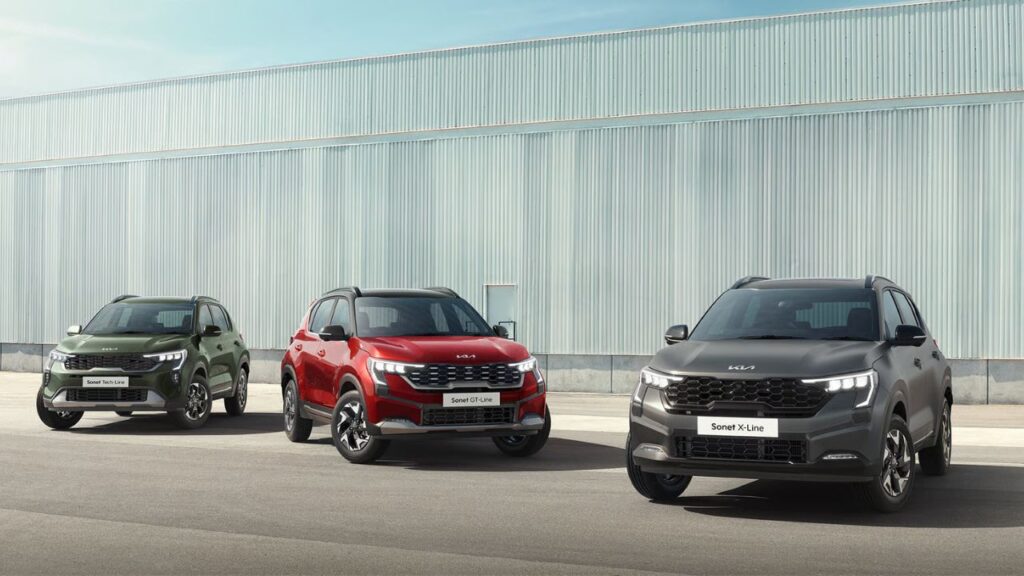
You might walk into a dealership expecting to drive home your new car next week, but the current market reality will surprise you. Both the Hyundai Venue and the Kia Sonet have an average waiting period of one month across most major tier-1 and tier-2 Indian cities. This waiting time can stretch longer if you choose specific high-demand color options like the dark Knight edition from Hyundai or the matte graphite X-Line variant from Kia.
Production schedules change quickly, so you should check with multiple dealers in your area to see who has actual physical stocks available in their yards. Hyundai typically has a larger manufacturing capacity, which sometimes allows them to deliver standard variants slightly faster than Kia. Do not let a salesperson pressure you into buying expensive accessories just to get an early delivery slot next weekend.
Which Compact SUV Should Actually Sit in Your Garage?
You should sign the cheque for the Hyundai Venue if you are looking for a mature, comfortable family car that handles the daily city grind with absolute ease. Its softer suspension will keep your parents comfortable, and the clean dashboard design will not confuse you with unnecessary touch menus. It feels like a sensible, long-term financial decision that retains its resale value exceptionally well in the used car market.
You should choose the Kia Sonet if you want a striking vehicle that stands out in a crowded parking lot and offers cutting-edge cabin technology. The ventilated seats alone are worth the entry price if you live in areas with scorching hot weather, and the punchy diesel automatic variant is easily the best highway cruiser in this segment. It is a car designed for the tech-savvy buyer who wants maximum features for every single rupee spent.