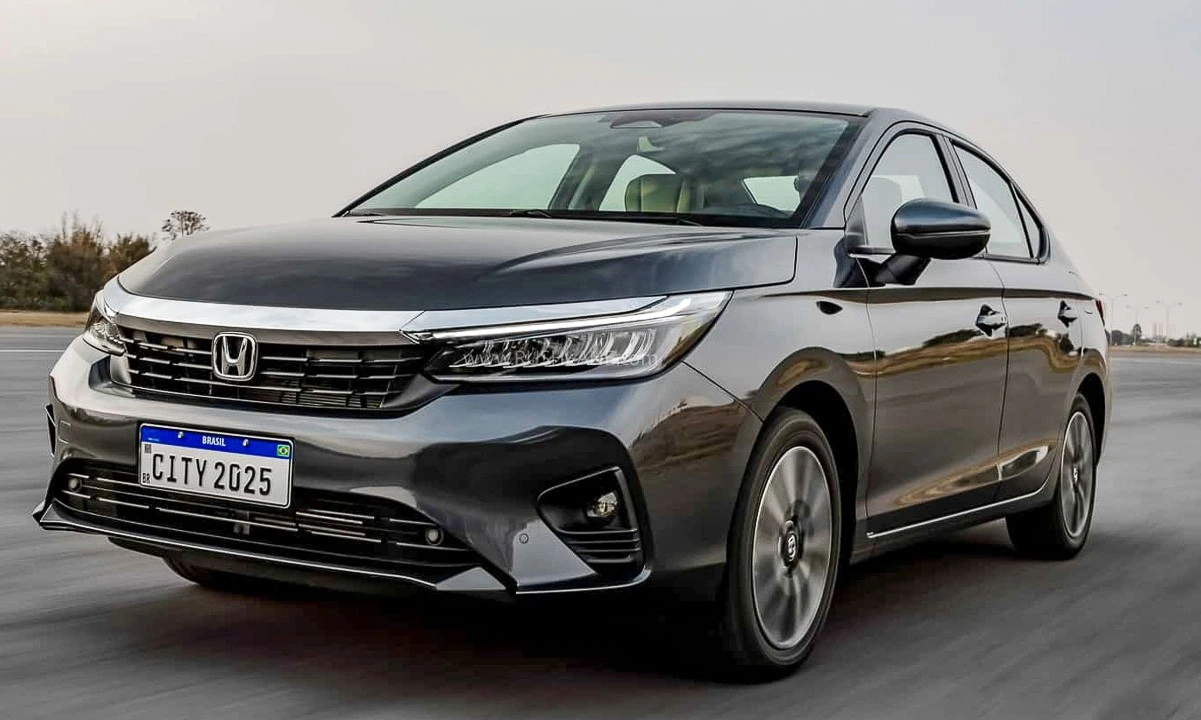
The Honda City has been around in India for over two decades and continues to be one of the most popular sedans in the country. First launched in 1998, the City has built a reputation for being reliable, comfortable, and fun to drive. Now in its fifth generation, it competes with the Hyundai Verna, Skoda Slavia, and Volkswagen Virtus. But in 2025, when SUVs dominate Indian roads, does the Honda City still make sense? Let’s look at where it shines and where it falls short.
Cabin Space That Feels Like Home
Step inside the Honda City, and the first thing you’ll notice is how roomy it feels. The front seats are wide, nicely cushioned, and offer plenty of support, making long drives very comfortable. Rear passengers also get excellent legroom and a deep seat base, which feels almost sofa-like. The cabin design is simple but elegant, with beige upholstery, soft-touch panels, and premium trim options depending on the variant. It feels more upmarket than many rivals, though taller passengers may find the rear headroom a little tight.
Smooth Engine Options With a Hybrid Choice
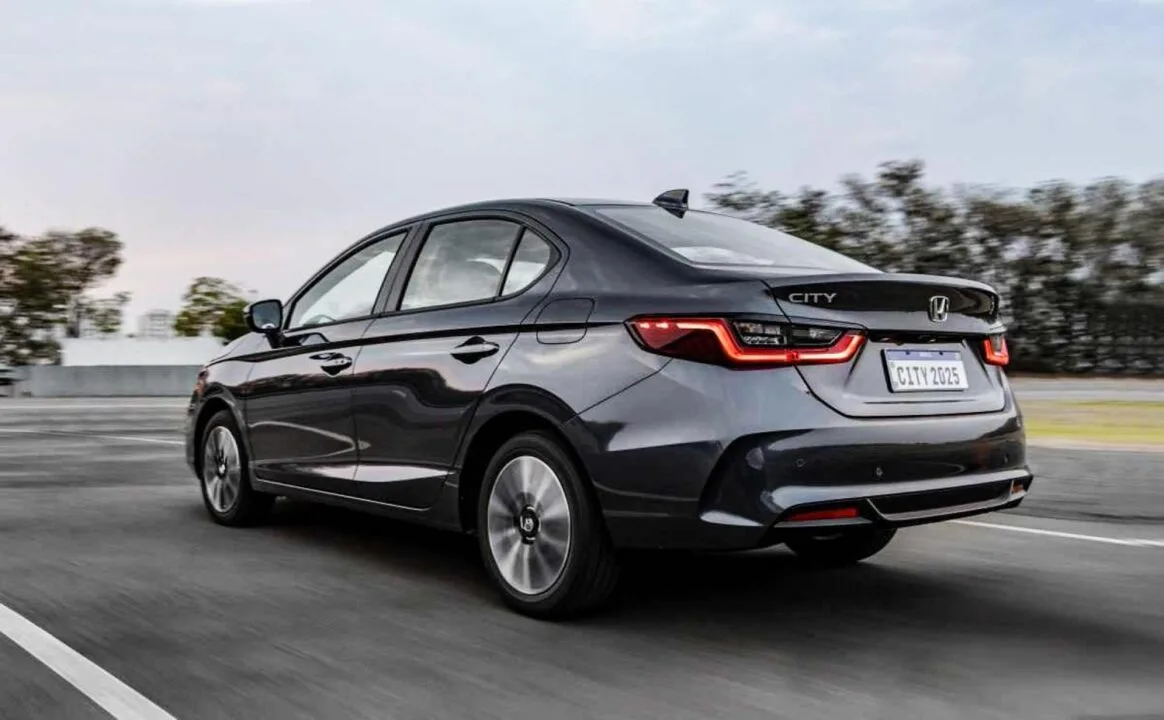
The Honda City gives you two choices under the hood. The regular 1.5-litre petrol engine is smooth, responsive, and loves to rev, especially if you enjoy spirited driving. It pairs well with both the slick 6-speed manual gearbox and the smooth CVT automatic. Then there’s the City Hybrid (e.HEV), which combines a petrol engine with two electric motors. It can run silently on electric power at low speeds and offers excellent fuel efficiency. However, it isn’t the quietest in its class, as engine and road noise do sneak in at times.
Comfortable Ride for Indian Roads
If comfort is your priority, the Honda City does a fantastic job. It absorbs bumps, potholes, and uneven roads without unsettling passengers. At highway speeds, the car feels stable and confident, which makes long trips enjoyable. The steering is light in the city but steady on the highway, giving drivers confidence behind the wheel. While the City handles corners well, pushing it too hard will cause some body roll due to its softer suspension setup.
Features Where the City Misses Out
For all its strengths, the Honda City does lag behind rivals in some features. Competitors like the Hyundai Verna and Skoda Slavia come with ventilated seats, a powered driver’s seat, and fully digital instrument clusters. The City, on the other hand, sticks with a semi-digital setup and a slightly smaller touchscreen. While the features it offers are practical, tech-savvy buyers may feel it isn’t as modern or flashy as its competition.
Hybrid Price Feels on the Higher Side
The regular petrol variants of the Honda City are priced competitively in the midsize sedan segment. But the hybrid version tells a different story. At Rs 19.90 lakh (ex-showroom), it is the only sedan in its class to offer hybrid tech but that makes it quite expensive. When you compare it to SUV hybrids like the Maruti Suzuki Grand Vitara or Toyota Hyryder, which cost around the same but offer more features and practicality, the City Hybrid feels overpriced.
Should You Buy the Honda City in 2025?
If you want a sedan that offers space, comfort, and a smooth driving experience, the Honda City is still one of the best choices you can make in 2025. It may not have all the latest bells and whistles, and the hybrid is pricey, but the City remains a reliable, refined, and premium-feeling sedan. For buyers who still prefer sedans over SUVs, the Honda City continues to stand tall as a solid choice in India’s car market.