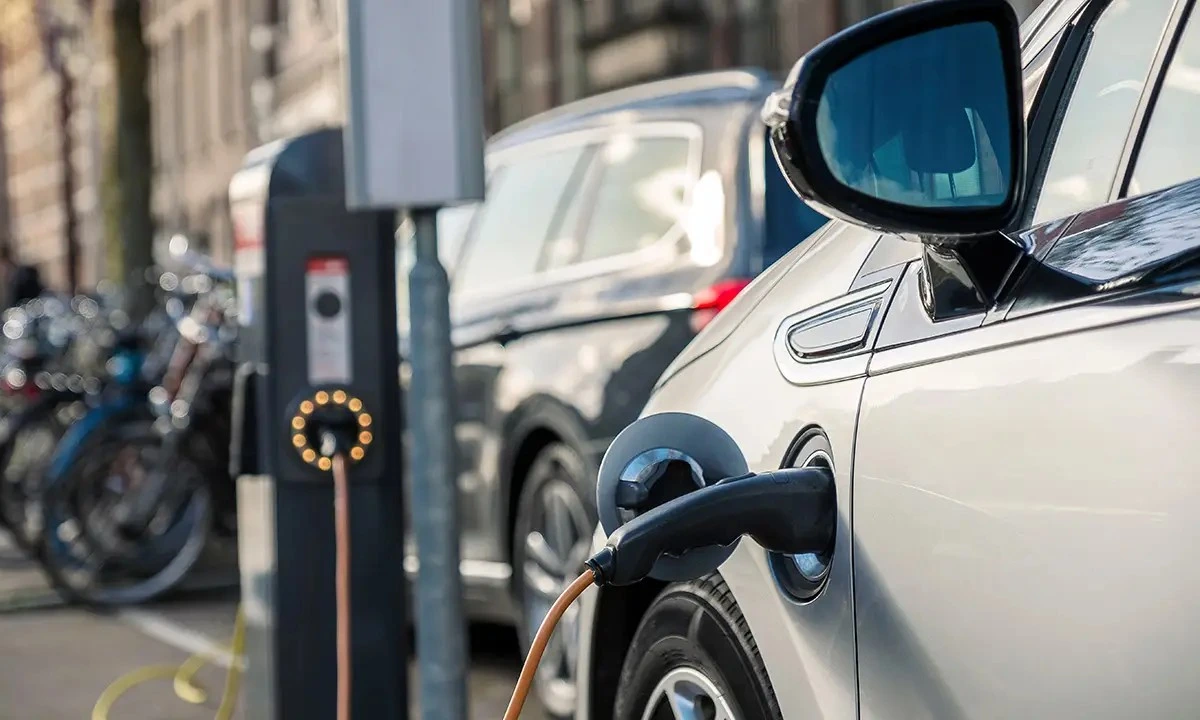
The GST Council has announced that electric vehicles will continue to be taxed at just 5%, making them the most affordable category when it comes to GST. This applies to all types of EVs, including cars, two-wheelers, and even premium electric models. At the same meeting, the council slashed GST on petrol and diesel cars from 28% to 18%, a big relief for mass-market buyers. But for electric mobility, nothing changes they stay in the lowest tax bracket. The government’s decision sends a clear signal that EV adoption remains a top priority.
Rumors Of Higher GST On Premium EVs
In the days leading up to the council meeting, there was a lot of speculation about new tax slabs for electric vehicles. Reports suggested the government might charge 5% GST on EVs priced below ₹20 lakh, 18% for mid-range EVs between ₹20-40 lakh, and even as high as 40% for premium models over ₹40 lakh. If that had happened, luxury EVs from brands like Mercedes-Benz and BMW would have become far more expensive. Thankfully, the government decided against complicating the structure and chose to keep a flat 5% rate for everyone. This move has been widely welcomed by carmakers and buyers alike.
Why EVs Still Get The Lowest Rate
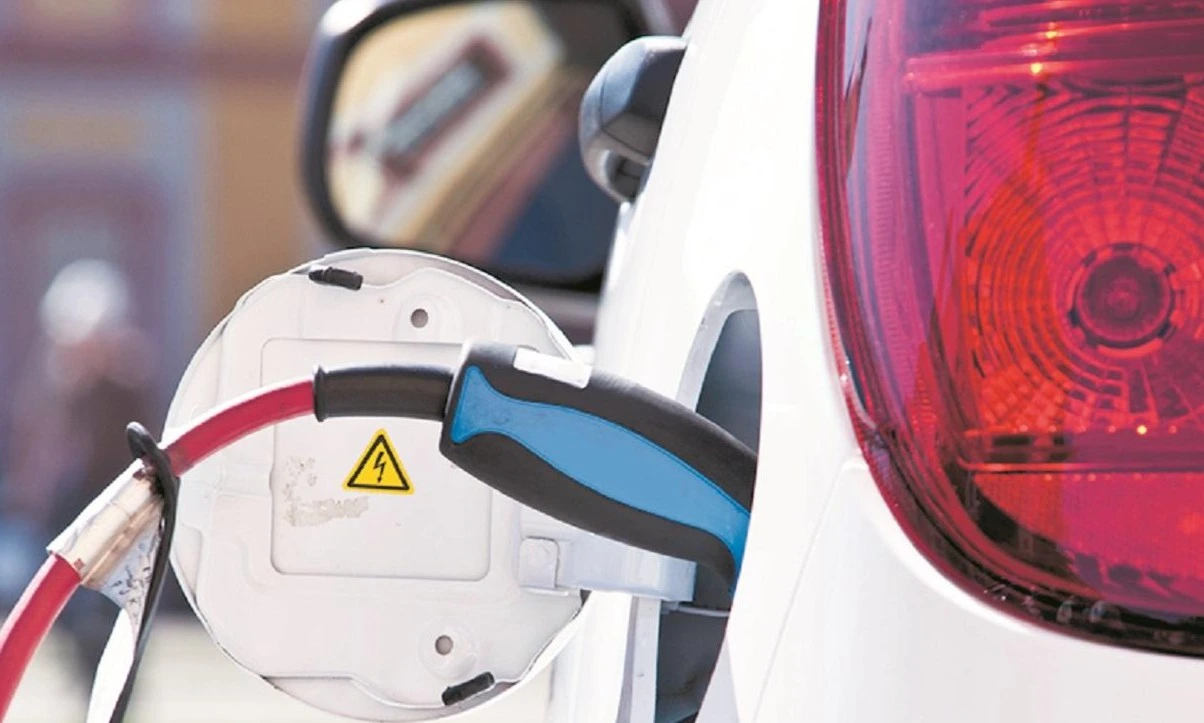
The government has been pushing electric mobility for years through schemes like FAME II. By keeping GST low, it ensures that EVs remain attractive for buyers and affordable across different segments. India has already seen strong growth in EV sales, with registrations crossing two million in 2024. Officials believe that raising taxes now could slow down this momentum, especially when automakers are investing heavily in new EV models and charging infrastructure.
What It Means For Two-Wheeler Buyers
This decision is not just about cars. It directly affects two-wheeler buyers too. Popular electric scooters like the Ola S1, Ather 450X, and Honda Activa Electric will continue to enjoy the 5% GST benefit. That makes them more appealing to everyday commuters, especially in smaller towns where cost plays a big role in buying decisions. Meanwhile, petrol and diesel scooters and bikes will now be cheaper as their GST falls to 18% starting September 22, 2025. But with EVs staying at just 5%, the price advantage for green mobility is still very strong.
A Big Boost For Festive Season Sales
The timing of this decision couldn’t be better. The festive season is one of the busiest times for car and bike sales in India, and the auto industry was eagerly waiting for clarity on GST. By keeping EV taxes steady and cutting rates for petrol and diesel vehicles, the government has managed to please both buyers and automakers. For EV buyers, the unchanged 5% GST provides certainty that the government is committed to supporting clean mobility in the long run. For the industry, it signals stability and confidence to keep investing in electric models.
With festive demand just around the corner, the unchanged GST rate is set to give a strong push to the EV market. The message is clear the government sees electric vehicles as the future of mobility, and the policy support behind them remains stronger than ever.