

The GST Council, in its 56th meeting on 3 September, has announced a big change in how cars and bikes will be taxed. The new rates will take effect from 22 September and are expected to directly impact prices across the automobile market. For everyday buyers, the news brings some relief small cars and commuter bikes are set to get cheaper. However, luxury vehicles, large SUVs, and premium motorcycles will now attract a higher tax.
Cheaper rates for small cars and bikes
Under the new tax structure, small cars measuring less than four metres and powered by petrol, CNG, or LPG engines up to 1,200cc, and diesel engines up to 1,500cc, will now be taxed at 18 per cent GST. Earlier, these cars were placed in a higher 28 per cent category with an additional cess, which made them more expensive. Similarly, motorcycles below 350cc engine capacity will also fall into the 18 per cent slab. This change means that popular hatchbacks and commuter bikes, which are widely used by middle-class families, will now become more affordable. Experts believe this could help boost sales, especially since the festive season is just around the corner.
Luxury cars and SUVs to get costlier
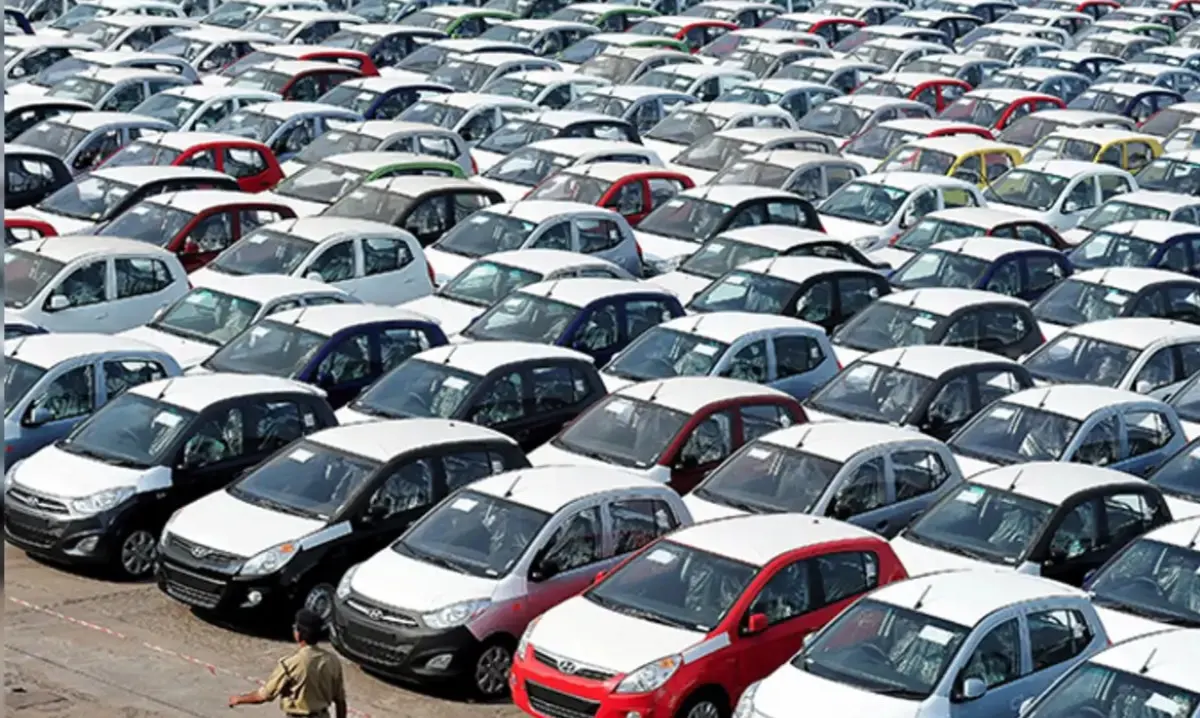
On the flip side, buyers of premium vehicles will now have to pay more. The government has introduced a new 40 per cent GST rate for luxury cars, SUVs with bigger engines, imported high-end vehicles, and motorcycles above 350cc. Although the figure sounds high, it is actually lower than the previous tax system. Earlier, these vehicles attracted 28 per cent GST plus a separate compensation cess, which pushed the effective tax to nearly 50 per cent. The new rate simplifies the structure while ensuring that high-end vehicles continue to be taxed at a higher level than mass-market cars.
Lower tax on parts and repairs
In another move welcomed by vehicle owners, the GST on all car parts and accessories has been reduced to 18 per cent. This will likely bring down the cost of servicing and repairs, something that affects almost every vehicle owner in the country. Meanwhile, electric vehicles continue to benefit from a very low 5 per cent GST, as the government looks to encourage the shift towards cleaner and greener mobility.
Why the timing matters
The revised rates come into effect from 22 September, right at the start of the festive season. This is usually when many Indians plan to buy new cars and bikes. With lower prices for small cars and commuter motorcycles, dealers are expecting more buyers to walk in. For example, a compact car that currently costs around ₹7 lakh on-road could become cheaper by up to ₹50,000, depending on the model. Similarly, entry-level motorcycles could see price drops of a few thousand rupees, making them more attractive to budget-conscious buyers.
A move to balance the market
The GST changes show the government’s attempt to make cars and bikes more affordable for the middle class while still keeping luxury vehicles under higher taxation. This balance ensures that mass-market buyers benefit, but luxury consumption also contributes more in taxes. The official notification and detailed updates have been shared by the Ministry of Finance and the GST Council. Automakers and dealers are already preparing for the transition, with many expecting sales momentum to pick up in the coming months.
Overall, the latest tax revision could give a much-needed boost to the automobile industry while easing the financial burden on everyday buyers. For customers, this festive season might just be the right time to make that long-awaited upgrade.