
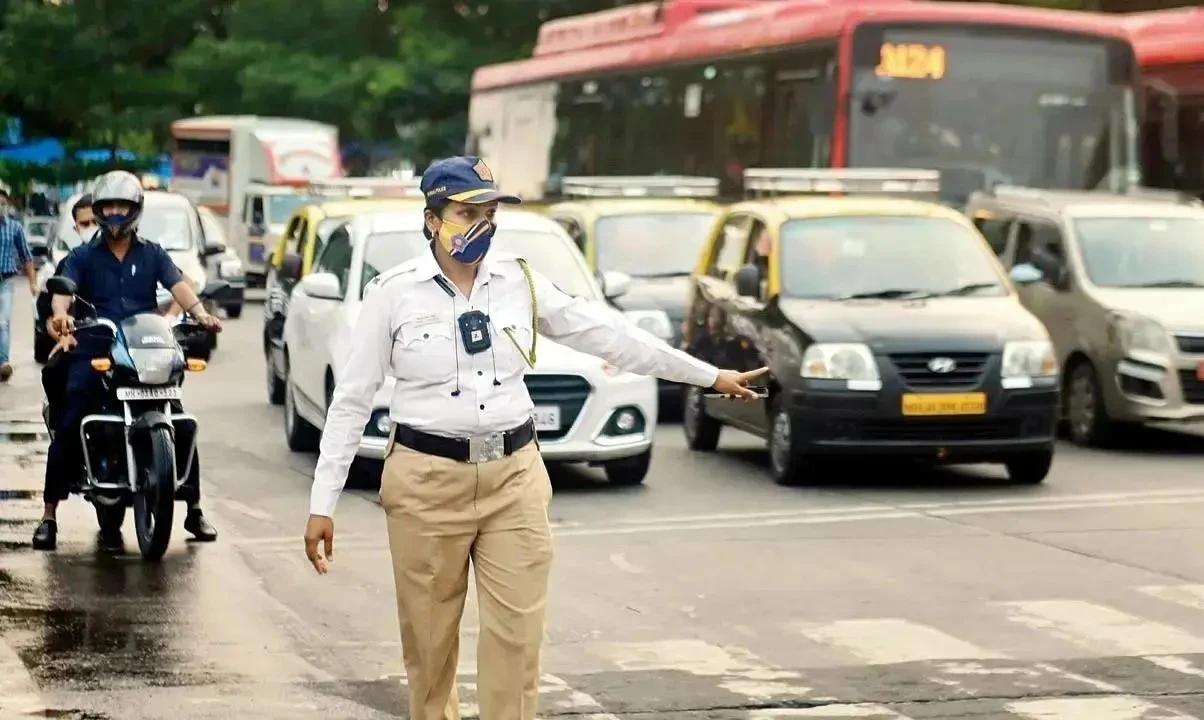
Car owners in India are seeing a sharp increase in the cost of registration renewal for 20-year-old vehicles, including cars, scooters, and motorcycles. The Ministry of Road Transport & Highways (MoRTH) has formally doubled the price, effectively making it much more costly to keep old vehicles. Since August 2025, two-wheeler owners will be required to pay ₹2,000 from ₹1,000, while the owners of cars will now be asked to pay ₹10,000 from the previous ₹5,000. Even three-wheelers and quadricycles are not spared, with the renewal charge being raised to ₹5,000. Four-wheeler imports face the highest hikes, with four-wheeler renewals hitting an eye-popping ₹80,000.
Why Is the Government Increasing These Fees?
The choice is not merely about earnings but about promoting a greener environment. Older cars are one of the biggest causes of increasing levels of air pollution in India. Most of these cars were manufactured before more stringent Bharat Stage emission norms were implemented, so they emit more toxic gases than new cars or scooters. By doubling renewal charges, the government is strongly signaling that having highly polluting vehicles on the road will not be cheap or easy anymore.
How Will This Affect Normal Owners?
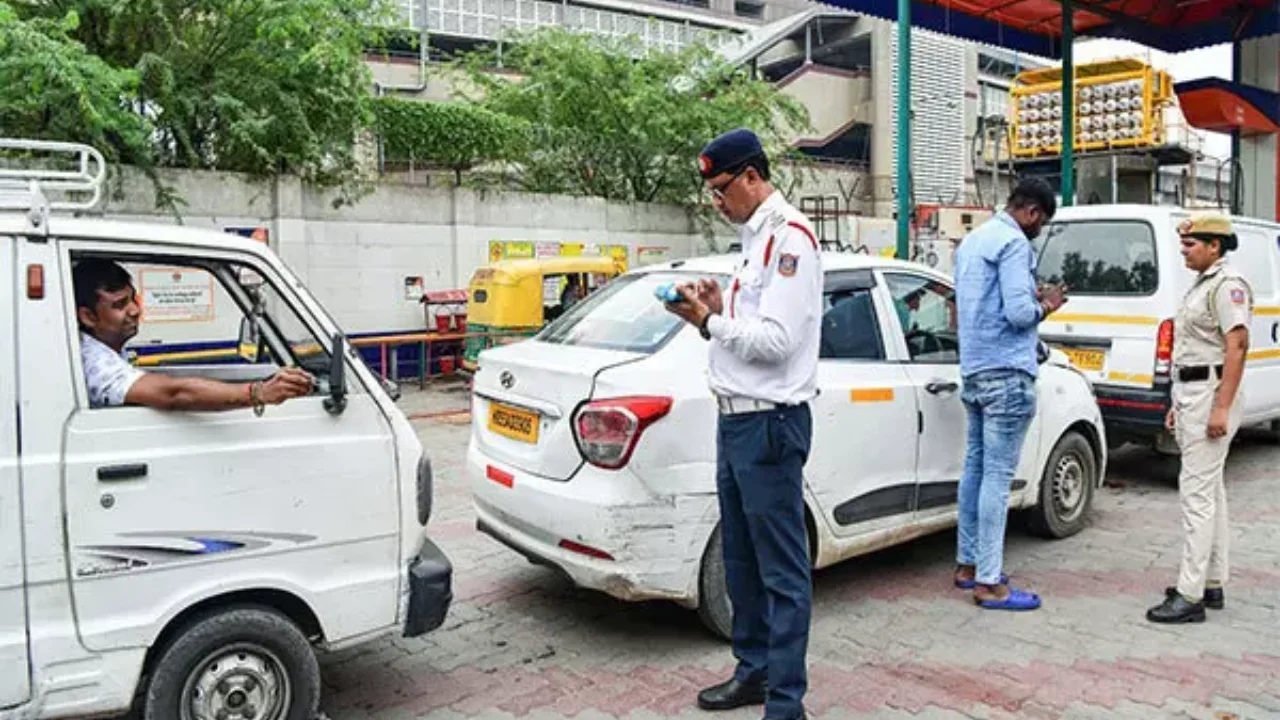
For regular citizens who have managed to keep their cars because of sentimental or financial reasons, the shift can come as a rude shock. A vehicle that was only ₹5,000 to replace a year ago now needs ₹10,000, an enormous increase. For scooters and motorbikes, the increase to ₹2,000 may not be outrageous, but for rural families or working-class people who rely on older two-wheelers, the expense is burdensome. For classic import owners, the renewal fee has become nearly out of the question, compelling many to consider whether it is even worth owning these cars at all.
Is This All About Money or Something More?
Though the increase in fees seems punitive, the bigger picture underscores India’s march toward modernization. In encouraging people away from old cars, the government is pushing owners toward newer cars, including electric vehicles. The increase in fees perfectly complements India’s overall scrappage and clean mobility agenda. It’s effectively an expensive nudge aimed at getting citizens off dirty machines and onto cleaner, more efficient transport.
What Vehicle Owners Must Do Next?
For owners of vehicles aged more than 20 years, the option is narrowing. Either pay the higher rates to renew or avail scrappage schemes and incentives for a switch. Most state transport departments are already conducting awareness campaigns and offering information on scrappage stations and EV subsidies. The government is effectively making it more rewarding to upgrade while making it expensive to hold on to the past.
This decision is bound to spark debate. On the one hand, it hurts emotional car owners and those who cannot afford to buy new ones immediately. On the other, it shows India’s desperate battle against pollution and its determination to make transport modern. By doubling up registration renewal rates on 20-year-old cars, the government is making an unambiguous statement, the future is clean, safer, and more sustainable roads. Though the increased fees will hurt now, they might lead the way to a better tomorrow.