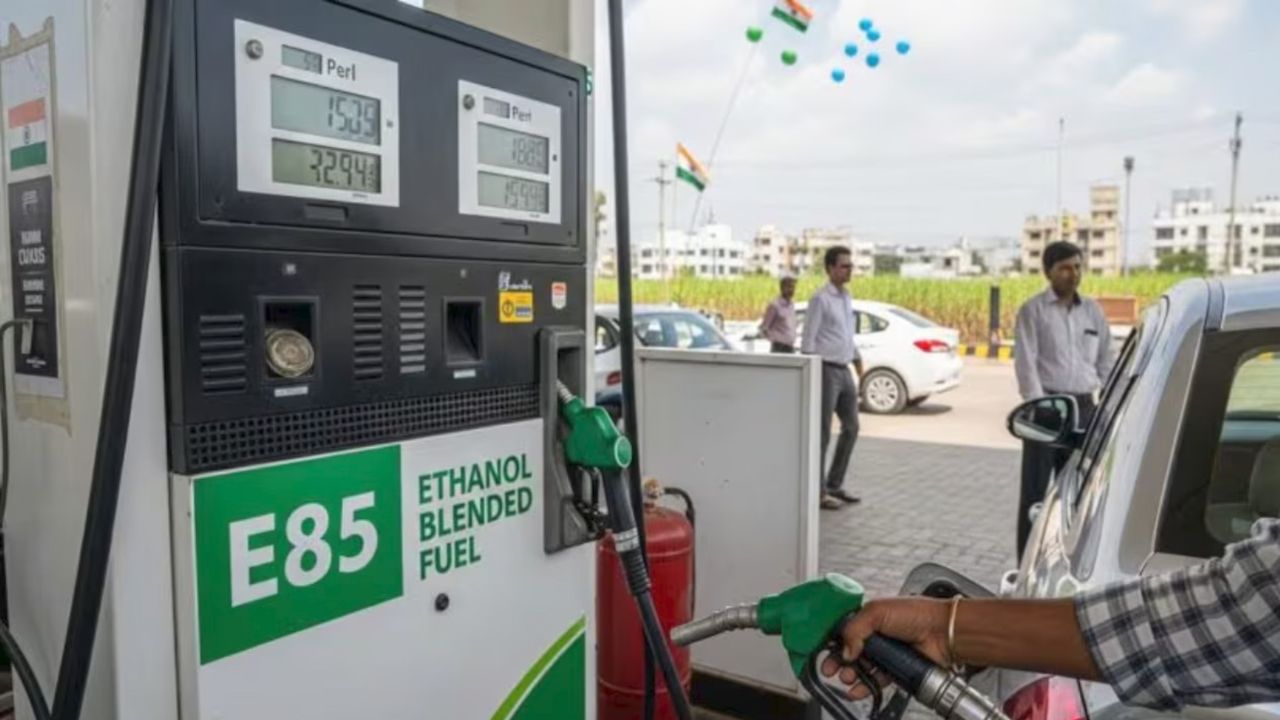
The Indian government just dropped a massive update on the consumer fuel market. You can now buy a completely new type of fuel for Rs 82.12 per litre in Delhi. Regular petrol costs Rs 102.12 right next to it at the exact same fuel station. This new cheaper fuel is called E85. It launched officially on June 5, 2026, to mark World Environment Day. You might feel tempted to pull up to the bright green pump and fill your tank immediately to save money. You must resist that urge if you drive a normal passenger car. Pouring E85 into a standard vehicle will cause massive mechanical damage very quickly. This specific fuel requires a dedicated type of engine called a flex-fuel engine. We need to look closely at exactly what E85 is, and we need to understand how it affects your wallet. You will also learn which specific vehicles can actually use this cheap fuel today.
The Real Difference Between E20 and the New E85 Blend
You already burn ethanol in your car every single day without realizing it. The government mandated a 20 percent ethanol blend for all regular petrol in India. We call this standard everyday fuel E20. Every new petrol car sold in the country since April 2023 runs on E20 safely. The oil companies mix 20 percent plant-based ethanol directly with 80 percent fossil fuel. The new E85 fuel completely flips that specific ratio upside down. You get up to 85 percent pure ethanol mixed with just 15 percent regular petrol. Ethanol behaves very differently than refined crude oil products. It carries much less raw energy per drop. It also absorbs moisture straight from the outside air very fast.
Your normal car engine relies on very specific rubber seals and plastic fuel lines. The automotive engineers designed these parts to handle regular petrol. The high alcohol content in E85 will eat through standard rubber hoses in a matter of weeks. The expensive fuel pump inside your gas tank will corrode and fail completely. Your engine computer also expects petrol to burn at a specific rate inside the cylinder. The computer will throw error codes on your dashboard, and the engine will stall constantly. You cannot just try a little bit of E85 to see what happens on the highway. A single tank can destroy expensive fuel system components in a few hours. You must buy a dedicated flex-fuel vehicle if you want to use the Rs 82.12 fuel.
How Ethanol Actually Burns Inside Your Engine
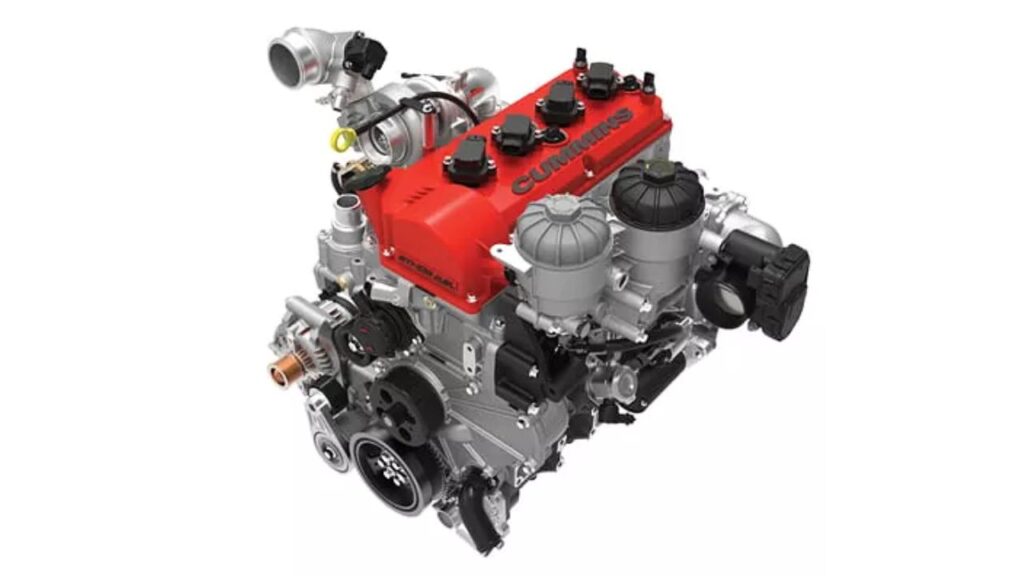
You need to understand the basic chemistry to see why engines need special parts for this fuel. Ethanol molecules contain pure oxygen inside their chemical structure. This extra oxygen cools down the intake charge before it explodes inside the metal cylinder. The engine can actually produce more total power because of this cooling effect. Race cars use high ethanol blends specifically to generate massive horsepower on the track. You get a very clean burn that leaves almost zero carbon buildup on your engine valves.
The downside becomes obvious when the outside temperature drops in the winter. Ethanol hates cold weather, and it struggles to turn from a liquid into a vapor. A cold engine block cannot ignite pure alcohol easily on a chilly morning. This cold start problem explains why the fuel is E85 instead of E100. The oil companies leave 15 percent regular petrol in the mix to help your engine start quickly. The small amount of petrol vaporizes instantly when you turn the key. It creates the initial explosion that warms up the cylinder enough to burn the alcohol.
Meet the Bikes and Cars That Actually Run on E85 Right Now
You cannot find many E85 vehicles sitting in dealer showrooms right now. The technology remains very new for the average Indian consumer market. Hero MotoCorp just released the first two mass-market commuter motorcycles built for this fuel. You can buy the new Hero HF Deluxe Flex Fuel for exactly Rs 72,792. The company also sells the Hero Splendor+ Flex Fuel for Rs 82,710. Both bikes use a heavily modified 97.2cc engine that handles high alcohol levels safely. Suzuki offers the Gixxer SF 250 FFV for Rs 1.98 lakh. These three motorcycles currently make up the entire two-wheeler flex-fuel market in India.
The four-wheeler market moves a bit slower right now. You cannot buy a new flex-fuel car today. Maruti Suzuki plans to change that situation next month. The company will launch the WagonR Flex Fuel very soon. The exterior looks exactly like the normal WagonR you see everywhere in city traffic. You only get some small green badges on the doors to tell the difference. Maruti upgraded the entire internal fuel delivery system to resist chemical corrosion. They added special digital sensors to measure the exact amount of ethanol sitting in the tank. The car computer adjusts the engine spark timing automatically based on what you pump. This make the transition totally seamless for the everyday driver. You can mix regular E20 petrol and E85 in the exact same tank without worrying.
| Vehicle Model | Vehicle Type | Current Expected Price | Availability Status |
| Hero HF Deluxe Flex Fuel | Commuter Motorcycle | Rs 72,792 | Available Now |
| Hero Splendor+ Flex Fuel | Commuter Motorcycle | Rs 82,710 | Available Now |
| Suzuki Gixxer SF 250 FFV | Sports Motorcycle | Rs 1.98 Lakh | Available Now |
| Maruti Suzuki WagonR Flex Fuel | Passenger Hatchback | Expected Rs 6.5 Lakh | Launching Soon |
The Brutal Math Nobody Tells You About Flex Fuel Mileage
The exact Rs 20 discount per litre looks amazing on the big sign outside the petrol pump. You have to look at the actual physics of burning alcohol before you celebrate the savings. Ethanol contains about 30 percent less physical energy than standard petrol by volume. You literally have to burn more liquid to travel the exact same distance on the road. Your fuel efficiency drops noticeably when you switch from regular E20 to the cheaper E85. Drivers in Brazil and the United States deal with this specific mileage penalty every day. You can expect a 20 to 30 percent drop in your total running mileage.
Let us look at a real example using basic daily math. Assume your current standard petrol car gives you exactly 15 kilometres per litre. You pay Rs 102.12 per litre, which means you spend Rs 6.81 per kilometre. You buy a new flex-fuel car and fill it with the Rs 82.12 E85 fuel. The lower energy density drops your mileage down to 11.5 kilometres per litre. You divide Rs 82.12 by 11.5, and you get Rs 7.14 per kilometre. You actually spend more money per kilometre driving on the cheaper fuel in this specific scenario. The government will need to lower the E85 price even further to make the math work for average buyers. A lot of buyers thinks the upfront discount justifies the vehicle purchase immediately. They do not realize they will visit the fuel station much more often during the week.
How Auto Makers Modify Standard Engines for E85
The heavy engineering behind a flex-fuel vehicle involves more than just swapping a few cheap rubber hoses. Car manufacturers have to redesign multiple core internal components. The fuel injectors must deliver a much higher volume of liquid to compensate for the lower energy density. These larger injectors require a more powerful electric fuel pump inside the main gas tank. The cylinder heads and the main engine block need special anti-corrosive protective coatings. Ethanol acts like a chemical solvent, and it strips away the thin oil film protecting the moving metal parts.
Car manufacturers change several specific parts to handle the alcohol safely:
- They install larger fuel injectors to pump more liquid fuel directly into the engine.
- They upgrade the internal fuel pump to resist long-term chemical corrosion.
- They add specialized electronic sensors on the fuel lines to read the exact ethanol blend.
- They apply hard protective coatings to the soft cylinder heads and engine block.
- They reprogram the main engine computer to adjust spark timing instantly.
The software running the engine requires a massive expensive upgrade. A flex-fuel vehicle uses a specialized sensor mounted directly on the main fuel line. This sensor reads the exact ratio of ethanol to petrol in real-time while you drive. It sends a fast electrical signal to the engine control unit in milliseconds. The computer adjusts the exact air-fuel mixture and the ignition timing right before the liquid enters the cylinder. You can pump 10 litres of regular petrol and 20 litres of E85 at the exact same time. The car figures out the exact blend and runs perfectly. This complex automotive engineering adds about Rs 50,000 to Rs 1 lakh to the final purchase price of the car. You have to factor this higher purchase price into your long-term monthly budget.
Where Can You Actually Find an E85 Pump This Year?
You will struggle to find E85 if you live outside of major metropolitan areas right now. The government started the national rollout very slowly to test the market reaction. You can find the new fuel at select Indian Oil stations in the busy Delhi-NCR region. They also placed dedicated pumps along the Mumbai, Pune, and Nagpur highway corridors. These specific regions sit very close to major sugarcane processing facilities. The fuel companies transport the raw ethanol much shorter distances in these exact areas. You will see dedicated E85 dispensers painted bright green to avoid any dangerous confusion at the station.
The physical expansion plan looks very aggressive over the next two short years. The petroleum ministry wants exactly 500 working dispensing stations running by December 2026. The real infrastructure push happens in 2027. The government targets 5,000 active E85 outlets across all major Indian cities by the end of that specific year. You will not see this high-blend fuel in every rural village anytime soon. The underground infrastructure costs a lot of money to build properly. Petrol stations need completely separate underground storage tanks for the high-ethanol blend. The station owners have to invest heavy private capital to upgrade their old facilities. You should check your local daily commute route before buying a flex-fuel vehicle today. You gain absolutely nothing if the nearest green pump sits 40 kilometres away from your house.
Is It Worth Waiting for a Flex Fuel Car in 2026?
The massive auto industry moves toward alternative fuels very quickly these days. You might wonder if you should delay your next major vehicle purchase entirely. The exact answer depends entirely on your home location and your personal driving habits. You should probably wait if you live in Delhi or Pune and drive very short distances. The upcoming WagonR Flex Fuel makes perfect sense as a dedicated daily city commuter car. You get a greener running vehicle that produces fewer carbon emissions in heavy stop-and-go traffic. You also directly support local Indian farmers who grow the sugarcane and maize used for the ethanol.
You should just buy a standard E20 petrol car right now if you drive long highway miles frequently. The lower total range of E85 becomes very annoying on a long family road trip. You do not want to stop for fuel every 300 kilometres on the highway. You also risk getting stranded in rural areas that do not sell the high-ethanol blend yet. The standard E20 petrol remains the absolute default fuel for the entire massive country. The government will not force you to buy E85 anytime soon. This new green fuel simply gives you another choice at the local pump.
The Real Environmental Impact of High Ethanol Blends
You hear a lot of loud talk about saving the environment with these alternative fuels. The hard reality remains somewhat complicated when you look at the raw data. Burning E85 definitely produces much less carbon monoxide and fewer greenhouse gases straight from the tailpipe. You get a cleaner burn because the ethanol contains physical oxygen molecules inside its chemical structure. This chemical reaction helps reduce the thick brown smog in heavy traffic areas like central Delhi. The busy cities will smell better, and the local air will clear up slightly over time.
You have to look at the entire heavy production process to see the full realistic picture. Local farmers use massive amounts of fresh water and chemical fertilizer to grow the raw sugarcane. Heavy farm tractors burn dirty diesel fuel to harvest the large crops. Massive commercial trucks burn more diesel to transport the raw materials to the large processing plants. The factories use industrial electricity to distill the raw alcohol. The total environmental benefits shrink heavily when you calculate all these hidden background factors. It still beats drilling deep for crude oil and shipping it across the vast ocean. India imports a huge percentage of its daily crude oil from other foreign countries. Producing fuel locally keeps the raw money inside the national economy. This exact financial security drives the government E85 push much harder than the pure environmental benefits.