Electric vehicles continue to gain strong momentum in India as buyers seek lower running costs, environmental benefits, and government support. In 2026, central schemes such as PM E-DRIVE work alongside state-specific policies to reduce the upfront cost of EVs. These incentives include direct purchase subsidies, road tax exemptions, registration fee waivers, and additional perks like toll reductions. Understanding state-wise differences helps buyers maximize savings when purchasing an electric two-wheeler, three-wheeler, car, or commercial vehicle.
Data presented here draws from official state government policies and published notifications. Savings vary by vehicle category, battery capacity, and registration location. Always verify the latest details on the respective state transport or industries department website before purchase, as policies include caps, quotas, and validity periods.
Central Government Support in 2026
The central government provides a foundation through the PM E-DRIVE scheme, which extends select demand incentives. Electric two-wheelers receive support until mid-2026 in many cases, while three-wheelers and other segments see longer coverage. Incentives typically range based on battery size, with caps to promote localized manufacturing.
These central benefits combine with state offerings. For instance, a buyer in a supportive state can layer road tax exemption on top of any central subsidy, significantly lowering the on-road price. Buyers should note that central incentives often require vehicles to meet localization and performance criteria as per official guidelines.
Why State Policies Matter Most for Savings
While central schemes offer uniform support, state incentives determine a large portion of actual savings due to taxes and local subsidies. Road tax and registration fees form a substantial part of on-road costs, often 8-15 percent or more depending on the vehicle. Full exemptions here deliver immediate benefits. Some states add direct purchase subsidies linked to battery capacity (rupees per kWh) or fixed amounts per vehicle category.
Additional benefits in leading states include toll waivers, scrappage bonuses for replacing old vehicles, and support for charging infrastructure that indirectly reduces ownership costs. Policies remain dynamic, with periodic reviews and extensions based on adoption targets and budget allocations.
Top States Offering Strong EV Incentives in 2026
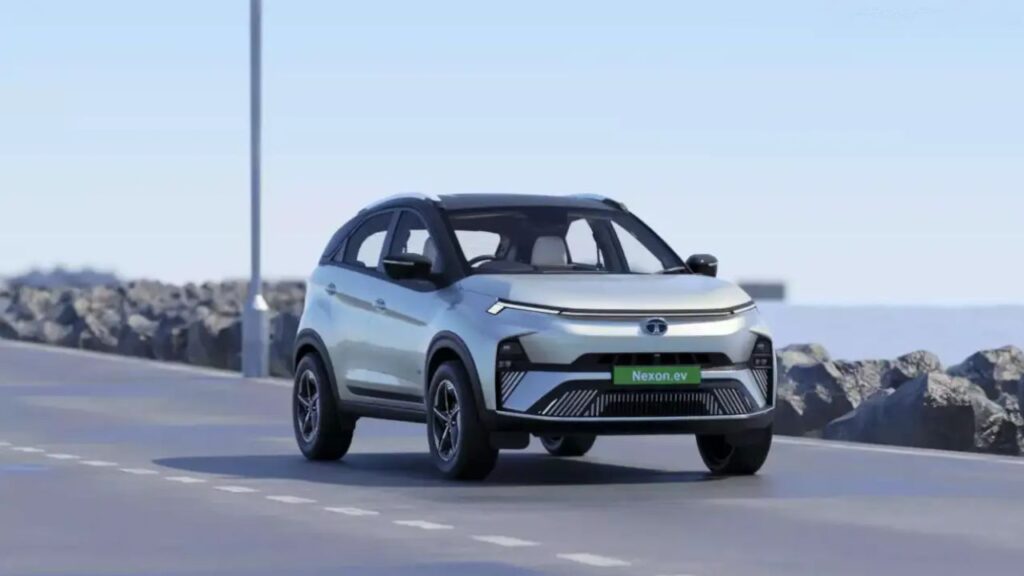
Maharashtra stands among the leaders with comprehensive support under its Electric Vehicle Policy 2025-2030. Buyers benefit from purchase incentives up to rupees 10,000 for electric two-wheelers, rupees 30,000 for three-wheelers, and up to rupees 1.5-2 lakh for four-wheelers depending on category and use (private or transport). The policy provides 100 percent exemption on road tax and registration fees, plus toll waivers on key expressways for eligible EVs. Official notifications highlight a substantial budget allocation for demand incentives, making it attractive for both personal and fleet buyers.
Delhi offers notable direct subsidies alongside tax benefits. Electric two-wheelers can receive up to rupees 30,000, while cars qualify for incentives reaching rupees 1.5 lakh in some cases, combined with full road tax and registration exemptions for vehicles up to a specified price cap (often around rupees 30 lakh). Scrappage incentives provide extra savings when replacing older vehicles. These measures come from the Delhi EV Policy framework aimed at rapid adoption in the capital region.
Gujarat features a per kWh subsidy model in its policy, historically up to rupees 10,000 per kWh with caps around rupees 1.5 lakh for four-wheelers. In 2026, a reduced motor vehicle tax rate of 1 percent (instead of higher standard rates) remains active until March 2026 or as per extensions, delivering savings of tens of thousands depending on vehicle price. Road tax and registration relief further enhance affordability.
Uttar Pradesh emphasizes tax exemptions with 100 percent waiver on road tax and registration fees for eligible EVs. Purchase subsidies apply as early bird incentives in defined segments, such as up to rupees 5,000 for two-wheelers and higher amounts for four-wheelers and commercial vehicles. The policy supports both adoption and local manufacturing, with extensions noted into 2027 for qualifying vehicles.
Tamil Nadu provides 100 percent road tax exemption for battery electric vehicles, extended until December 31, 2027. Registration fee waivers and ecosystem support for manufacturers make it buyer-friendly, particularly for two-wheelers and emerging four-wheeler segments. The state focuses on both demand and supply-side measures.
Karnataka has offered strong ecosystem support historically, though 2026 sees adjustments like tiered lifetime road tax for certain four-wheelers while maintaining exemptions for two-wheelers. Focus remains on charging infrastructure and incentives for commercial use.
Other states like Telangana offer full road tax and registration exemptions until late 2026. Many states provide varying levels of support, making it essential to compare based on your location and vehicle choice.
Savings Breakdown by Vehicle Type
For electric two-wheelers, popular daily commuters, states like Maharashtra and Delhi deliver direct subsidies of rupees 10,000-30,000 plus tax waivers. A typical 3-4 kWh scooter sees meaningful reduction in on-road price, improving payback period through lower electricity costs versus petrol.
Electric four-wheelers benefit most from high-value incentives. In supportive states, a compact EV can save rupees 1-2 lakh or more through combined subsidy, zero road tax, and registration waiver. Larger savings apply to fleet or commercial vehicles in states offering higher caps.
Three-wheelers and commercial EVs receive targeted support in most policies to boost last-mile and public transport electrification.
- Direct subsidies reduce ex-factory or on-road price
- Tax exemptions lower registration burden
- Scrappage bonuses encourage fleet renewal
- Toll waivers cut operational expenses for frequent users
Additional Perks and Long-Term Benefits
Beyond upfront savings, many states promote charging infrastructure with subsidies for private and public stations. Some offer interest subvention on loans or priority parking. Environmental benefits include lower emissions, while economic gains come from reduced fuel import dependence. Official data from state portals shows accelerating adoption in incentive-rich regions.
Buyers should consider total cost of ownership: electricity rates, maintenance, insurance, and battery warranty. Incentives shorten the gap with internal combustion engine vehicles, often achieving parity within 3-5 years depending on usage.
Comparison of EV Incentives Across Key States (2026)
The following table compares major incentives for a typical electric four-wheeler in the popular price range. Figures represent maximum potential benefits based on official policy summaries and should be verified for specific models.
| State | Purchase Subsidy (approx.) | Road Tax | Registration Fee | Other Notable Benefits | Estimated Max Savings Potential |
|---|---|---|---|---|---|
| Maharashtra | Up to ₹1.5-2 lakh | 100% exempt | Waived | Toll waiver, fleet support | Highest for many buyers |
| Delhi | Up to ₹1.5 lakh | 100% exempt (up to price cap) | Waived | Scrappage bonus | Strong direct + tax relief |
| Gujarat | Per kWh model (capped) | Reduced to 1% | Relief | Infrastructure push | Good for tax-sensitive buyers |
| Uttar Pradesh | Category-based early incentives | 100% exempt | Waived | Manufacturing-linked | High for local vehicles |
| Tamil Nadu | Limited direct | 100% exempt (till 2027) | Waived | Ecosystem focus | Excellent tax savings |
Note: Actual amounts depend on battery capacity, vehicle category, manufacturer claims, and policy quotas. Four-wheeler savings often exceed two-wheeler benefits in absolute terms.
In this comparison, Maharashtra and Delhi frequently emerge as top choices for maximum monetary savings on passenger vehicles, while Tamil Nadu and Uttar Pradesh excel in tax relief. Gujarat offers competitive per kWh support. Buyers in other states should evaluate local policies, as many provide solid exemptions even without large direct subsidies.
Factors to Consider Before Buying
Location determines incentive eligibility since vehicles must register in the state of purchase for most benefits. Timing matters due to validity periods and potential budget limits. Vehicle selection should align with policy criteria, such as approved models and localization requirements. Consult authorized dealers for exact calculations, including central scheme applicability.
Longer-term policy stability supports confidence in EV ownership. States regularly review and extend successful measures to meet national adoption goals.
State-wise EV incentives in 2026 make electric mobility more accessible than ever, with leading states offering savings of rupees 1 lakh or higher on cars and meaningful reductions on two-wheelers. By choosing the right state and vehicle, buyers can maximize financial benefits while contributing to cleaner air and energy security. Research official government portals for the latest notifications, compare total ownership costs, and engage with dealers to lock in available support. As infrastructure expands and technology improves, the case for going electric grows stronger across India. Plan your purchase wisely to save the most in this evolving landscape.