The Indian electric vehicle (EV) market has matured significantly by mid-2026, offering families compelling options that balance range, space, safety, features, and affordability. With petrol and diesel prices fluctuating and increasing environmental awareness, plus government incentives like FAME subsidies and state-level benefits, EVs under 25 lakh ex-showroom make strong sense for daily commutes, weekend getaways, and growing families. These vehicles address key family priorities: ample cabin and boot space, comfortable rear seating, robust safety ratings, reliable range for highway trips, and lower running costs (often 1-2 Rs/km versus 8-12 Rs/km for ICE cars).
This blog dives deep into the top contenders: Tata Curvv EV, MG Windsor EV, Mahindra BE 6, Tata Harrier EV, and Maruti Suzuki e Vitara/Toyota Urban Cruiser Ebella, evaluating them from multiple angles including performance, practicality, ownership experience, nuances in real-world use, and edge cases like charging infrastructure in smaller cities or family road trips. Prices mentioned are approximate ex-showroom as of mid-2026 and can vary by city, variant, and offers. On-road prices typically add 10-15% depending on location.
Understanding the Family EV Landscape in India
Family-oriented EVs in this budget segment have evolved beyond basic city runabouts into versatile SUVs and crossovers. Key considerations include ground clearance for Indian roads (ideally 180mm+), boot space for strollers/luggage (400L+), rear legroom and recline for long journeys, and advanced driver assistance systems (ADAS) for safer highway driving. Battery-as-a-Service (BaaS) options from MG and Maruti lower upfront costs but add per-km rentals, suiting high-mileage users.
Real-world range often drops 20-30% from ARAI claims due to AC use, highway speeds, and load. Charging infrastructure has improved in metros but remains patchy in Tier-2/3 cities, making home AC charging (7-11 kW) essential. Safety is paramount; most now boast 5-star Bharat NCAP ratings. Cost of ownership includes lower maintenance but higher insurance and potential battery degradation concerns over 8-10 years.
Tata Curvv EV: Stylish Coupe-SUV with Strong Range
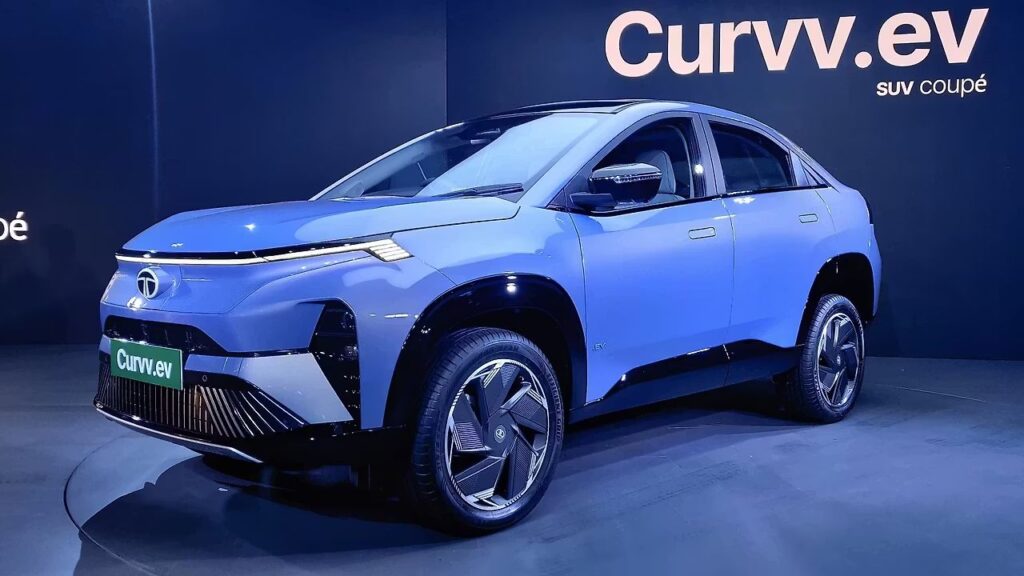
The Tata Curvv EV stands out with its coupe-SUV styling, offering a blend of aesthetics and practicality ideal for style-conscious families. Priced from around ₹16.99 lakh to ₹22.24 lakh ex-showroom, it fits comfortably under the 25 lakh budget in most variants.
It comes with 45 kWh or 55 kWh battery options, delivering ARAI ranges up to 430-502 km (higher in some claims). Real-world figures hover around 350-400 km, sufficient for inter-city family trips with planning. The 55 kWh variant produces 165 bhp and 215 Nm, providing adequate acceleration (0-100 km/h in about 8.6-11 seconds) for overtaking with kids and luggage aboard.
Family strengths include a 500L boot, reclining rear seats, and a spacious cabin with good headroom. Features like panoramic sunroof, ventilated seats, 12.3-inch touchscreen, JBL audio, and Level 2 ADAS enhance comfort and safety. Tata’s 5-star safety rating and robust build inspire confidence on potholed roads.
Nuances: The sloping roofline slightly reduces rear headroom for taller passengers compared to boxier rivals. Charging supports 70 kW DC (10-80% in ~40 mins). Ownership is backed by Tata’s extensive network, though service wait times can vary. For families prioritizing design and efficiency over outright space, it’s a compelling choice. Edge case: In hilly regions, range drops noticeably, requiring strategic stops.
MG Windsor EV: Practical and Feature-Rich Crossover for Urban Families
The MG Windsor EV, priced from ₹14-18.50 lakh (with Pro variants extending range), excels as a family hauler with innovative space utilization. Its crossover-MPV design prioritizes comfort over sporty looks. Battery options (38-52.9 kWh) claim 332-449 km range, with real-world 250-350 km depending on use. The 134 bhp/200 Nm motor delivers smooth, quiet performance perfect for city traffic and relaxed highways. Fast charging (45-60 kW) handles 10-80% in under an hour.
For families, the standout is the massive glass roof, 135-degree reclining rear seats (almost like a lounge), and 604L boot space ideal for vacations. A 15.6-inch rotating touchscreen, Infinity audio, and ADAS in higher trims add premium feel. Ground clearance (~186mm) manages bad roads adequately.
Considerations: Ride can feel stiff over sharp bumps with full load. BaaS reduces costs but calculate long-term economics. MG’s service is improving, yet Tata edges in network density. Real-world implications: Excellent for nuclear families in metros; less ideal for very rough terrain or 7-seater needs. It leads sales charts due to value and comfort.
Mahindra BE 6: Performance-Oriented with Impressive Range
Mahindra’s BE 6, starting at ₹18.90 lakh up to ~₹28 lakh (base/mid variants under 25L), brings Born Electric platform excitement to families. It offers bold design and strong specs.
With 59-79 kWh batteries, ARAI range reaches 557-683 km class-leading. Real-world: 400-550 km possible, great for long family drives with fewer charges. Higher variants deliver 228-282 bhp and 380 Nm, with quick acceleration and RWD dynamics for engaging drives. DC fast charging (140 kW) achieves 20-80% in ~20 mins. Major Features of this car are: 455L+ boot, 5-star safety, spacious cabin, premium features like panoramic roof, advanced infotainment, and ADAS. High ground clearance (~207mm) tackles varied roads well.
Nuances and edge cases: Higher power may tempt spirited driving, increasing energy consumption with family load. Premium variants push budget limits. Mahindra’s EV service network is expanding but lags Tata/Maruti in some areas. For performance-seeking families who tour frequently, it’s a top pick; city-only users might find it overkill.
Tata Harrier EV: Premium Space and Capability for Larger Families
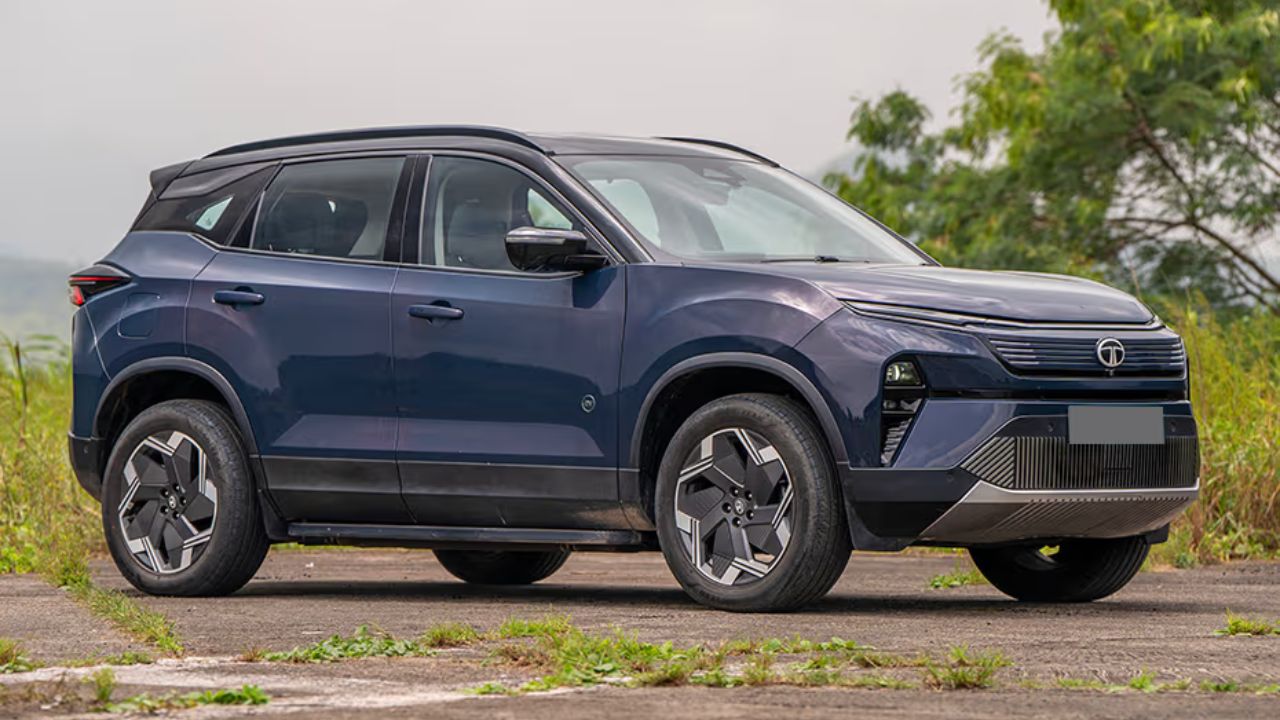
The Tata Harrier EV, from ₹21.49 lakh to ₹28-30 lakh (entry/mid under 25L), offers commanding presence and robust family utility as a larger SUV. 65-75 kWh batteries provide 538-627 km ARAI range (real-world 400-500 km). AWD options in top packs enhance confidence in monsoons or light off-road. Power up to 390 bhp/504 Nm ensures effortless performance. Fast charging supports efficient stops. It can be a good option as family EV as it offers 502L boot, premium interiors, ventilated seats, massive screens, and 5-star safety. Excellent ride quality and space suit 4-5 member families on highways.
Trade-offs: Heavier and larger, it may feel less nimble in tight city parking. Higher price leaves less buffer under 25L. Tata’s ecosystem (app, updates) is a plus. Ideal for those needing presence and versatility; overkill for small families.
Maruti Suzuki e Vitara and Toyota Urban Cruiser Ebella: Reliable and Efficient Choices
Maruti’s e Vitara (₹15.99-20 lakh) and its rebadged Toyota sibling, Urban Cruiser Ebella (₹23.6 lakh for top), leverage Maruti’s service prowess and Toyota’s reliability perception. 49-61 kWh packs deliver 440-543 km range. 142-172 bhp provides adequate performance. Features include 360° camera, sunroof, ADAS, and 5-star safety. Sliding/reclining rears and good boot space aid practicality. BaaS makes e Vitara accessible.
Ebella commands a premium for Toyota badge, warranty, and minor upgrades, appealing to brand-conscious buyers. Both excel in low ownership stress and widespread service. What it lacks is that it is less powerful than rivals; range sensitive to load/AC. Perfect for conservative families valuing peace of mind over excitement.
Comparative Analysis: Key Specs at a Glance
| Model | Price Range (₹ Lakh, ex-sh.) | Battery (kWh) | ARAI Range (km) | Power (bhp) | Boot Space (L) | Key Family Strength |
|---|---|---|---|---|---|---|
| Tata Curvv EV | 16.99 – 22.24 | 45-55 | 430-502 | 165 | 500 | Styling + Efficiency |
| MG Windsor EV | 14 – 18.50 | 38-52.9 | 332-449 | 134 | 604 | Rear Comfort + Space |
| Mahindra BE 6 | 18.90 – 28+ | 59-79 | 557-683 | 228-282 | 455+ | Range + Performance |
| Tata Harrier EV | 21.49 – 30+ | 65-75 | 538-627 | 235-390 | 502 | Size + Capability |
| Maruti e Vitara | 15.99 – 20.01 | 49-61 | 440-543 | 142-172 | Good | Service + Reliability |
| Toyota Ebella | ~23.60 (top) | 61 | 543 | 172 | Good | Brand + Warranty |
Considerations for Buyers:
- Budget & Running Costs: Factor insurance (~₹40k-60k/year), home charger installation, and electricity rates.
- Charging: Prioritize models with good DC support if highway travel is frequent.
- Warranty: Most offer 8 years/unlimited km on battery.
- Test Drive Nuances: Evaluate with full family load for space and ride.
Pros and Cons: Bullet-Point Insights
Pros Across Segment:
- Significantly lower fuel and maintenance costs.
- Modern features like ADAS, large screens, and connected tech.
- Quiet, smooth drive enhancing family comfort.
- Strong safety ratings and improving infrastructure.
Cons and Challenges:
- Range anxiety on long trips without planning.
- Higher upfront/insurance costs versus some ICE options.
- Limited fast chargers in non-metro areas.
- Potential resale concerns as technology evolves rapidly.
Final Recommendations and Broader Implications
For most families, the MG Windsor EV or Maruti e Vitara offer the best balance of practicality, cost, and reliability. Performance enthusiasts may lean toward Mahindra BE 6, while those wanting premium space choose Tata Harrier EV. The Curvv EV suits stylish urban families.
Choosing an EV supports sustainability but requires adapting to charging habits. With battery tech advancing and costs falling, these vehicles represent a smart long-term investment. Visit showrooms, calculate personal economics (use online tools), and consider local incentives. The future of family mobility in India is electric make an informed switch today.