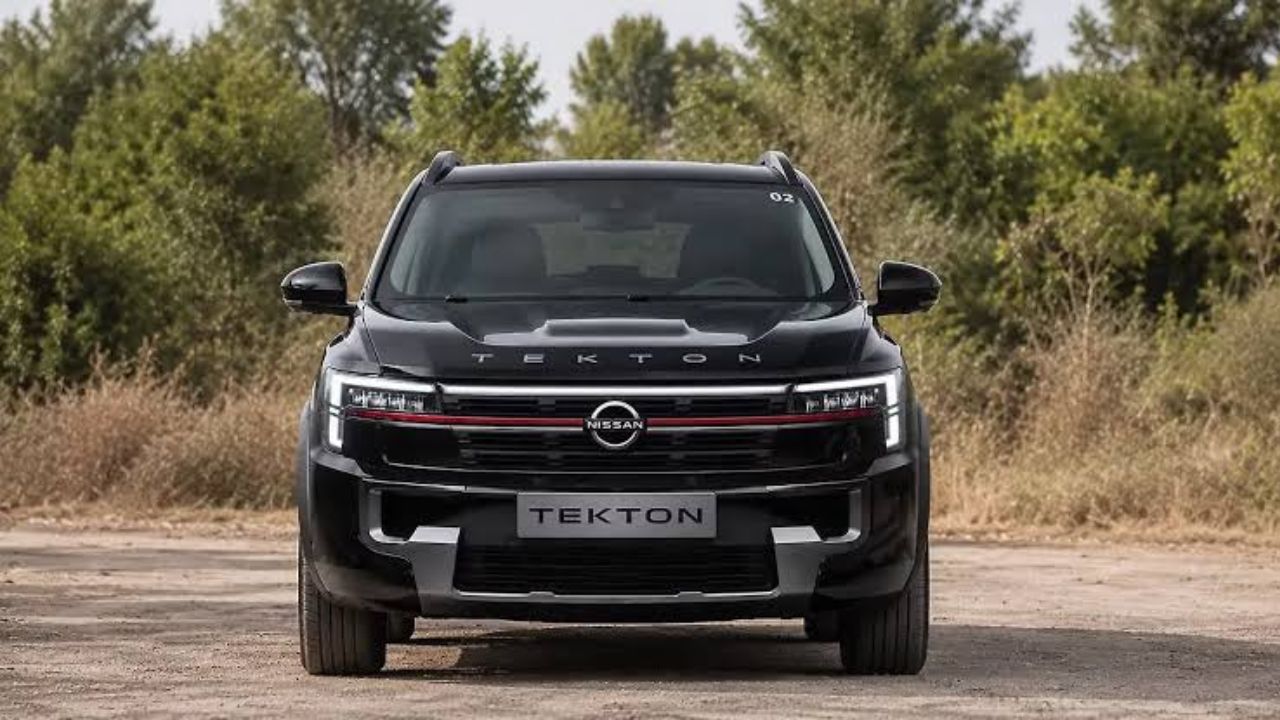
Nissan is set to make a significant return to the competitive midsize SUV segment in India with the launch of the Tekton. The new model will make its global debut on July 9, 2026, in Mumbai. This launch marks an important milestone for the Japanese automaker, which has relied heavily on the compact Magnite in recent years. The Tekton is positioned as a direct rival to popular models such as the Hyundai Creta, Kia Seltos, Maruti Suzuki Grand Vitara, Toyota Urban Cruiser Hyryder, and its alliance partner, the Renault Duster. Built on the proven CMF-B platform shared with the Duster, the Tekton aims to blend Nissan’s distinctive design language with practical engineering.
Platform and Powertrain Sharing: A Strategic Alliance Move
The Tekton will utilise the same CMF-B modular platform as the latest Renault Duster. This shared architecture brings advantages in terms of localised manufacturing at the Chennai facility and access to established powertrain options. Expected engines include a 1.0-litre turbo-petrol, a 1.3-litre turbo-petrol offering strong performance figures, and potentially a 1.8-litre hybrid powertrain with e-CVT transmission. These options will allow the Tekton to cater to buyers seeking efficiency as well as those prioritising outright performance.
Sharing components helps control development costs and enables competitive pricing. The model is expected to be positioned in the Rs 11 lakh to Rs 19 lakh ex-showroom range, making it accessible within the midsize SUV category. This strategy allows Nissan to focus resources on differentiation through styling, features, and brand positioning rather than building a completely new vehicle from the ground up.
Baby Patrol Positioning: Building Aspirational Appeal
One of the most distinctive aspects of the Tekton is its positioning as the Baby Patrol. Nissan draws inspiration from the legendary Patrol SUV, known globally for its rugged capability and premium presence. The Tekton incorporates bold design cues that echo the Patrol’s muscular stance, including a distinctive front grille, strong shoulder lines, and an overall commanding road presence. This approach helps the Tekton stand apart from its platform sibling and creates an aspirational identity that resonates with buyers seeking more than standard crossover utility.
The Baby Patrol narrative leverages Nissan’s 75 years of SUV expertise. It positions the Tekton as a rugged yet refined option suitable for both urban commuting and occasional off-road adventures. This branding could particularly appeal to customers in markets where the Patrol enjoys strong recognition, helping Nissan build emotional connections beyond mere specifications.
Opportunities for Market Expansion
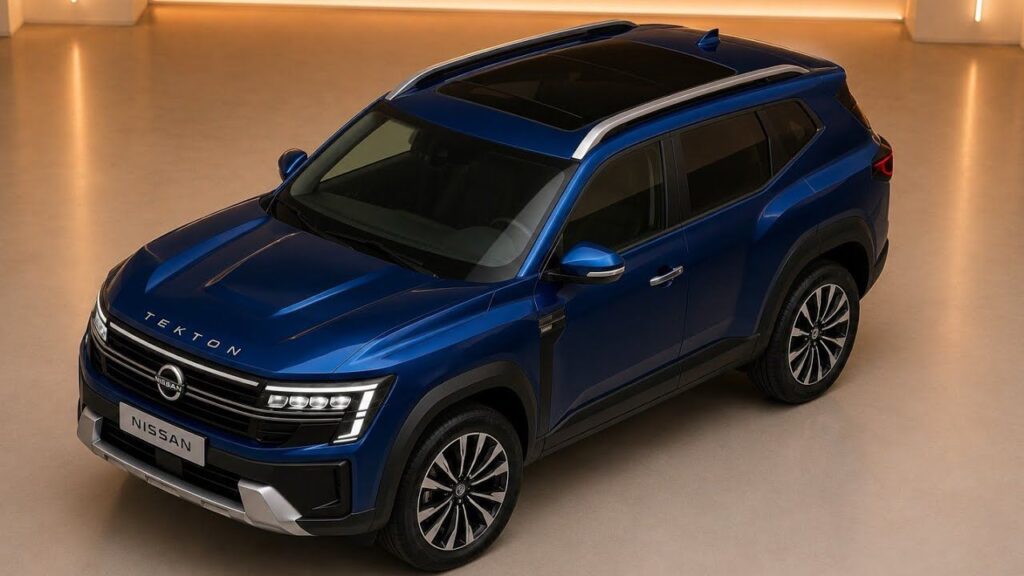
The Tekton arrives at a promising time for Nissan in India. The midsize SUV segment continues to grow rapidly, driven by demand for versatile family vehicles with modern features. As a fresh alternative to the Duster, the Tekton can attract buyers who appreciate the underlying engineering but prefer Nissan’s styling and brand values. This internal differentiation within the alliance could expand the overall customer base for both brands without significant cannibalisation.
The model serves as a much-needed flagship for Nissan India. While the Magnite has delivered consistent volumes, the Tekton elevates the brand’s presence in the higher-volume midsize category. Strong initial sales could boost showroom traffic, enhance dealer profitability, and improve overall brand perception. Shared development with Renault also means Nissan can offer competitive pricing while investing in unique features and technology.
A potential hybrid variant presents another major opportunity. With growing interest in electrified powertrains, the Tekton could capitalise on the strong demand seen for similar options in the segment. Efficient hybrid technology would provide lower running costs and better fuel economy, appealing to environmentally conscious buyers and those covering longer distances.
Feature Expectations and Customer Appeal
Buyers in the midsize SUV segment now demand comprehensive equipment levels. The Tekton is expected to offer a premium interior with modern touches such as a large touchscreen infotainment system, digital instrument cluster, 360-degree camera, connected car technology, and Level 2 advanced driver assistance systems. Ventilated seats, panoramic sunroof, and premium audio systems could further enhance its appeal on higher variants.
Safety remains a priority with multiple airbags, electronic stability control, and structural reinforcements derived from the robust CMF-B platform. The Tekton’s design and features aim to meet evolved customer expectations for comfort, technology, and refinement while maintaining strong driving dynamics.
Key Challenges in a Competitive Landscape
Despite the promising foundation, the Tekton faces several hurdles. Its closest rival may well be the Renault Duster itself. By the time the Tekton debuts, the Duster will have established market presence and customer familiarity. Nissan must create clear differentiation in exterior and interior design, feature packaging, and ownership experience to avoid being perceived as a mere rebadged version.
Nissan’s brand presence and dealer network in India remain more limited compared to dominant players like Hyundai, Kia, Maruti Suzuki, and Tata Motors. Expanding visibility and building customer trust will require aggressive marketing campaigns and consistent after-sales support. Convincing buyers to choose the Tekton over more established names will be critical for success.
Pricing strategy leaves little margin for error. The Duster starts around Rs 10.49 lakh. If the Tekton is priced too similarly, many buyers may opt for the Renault badge. Positioning it too high could push customers toward rivals with stronger brand equity. Achieving the right balance while delivering perceived value will be essential.
Modern buyers prioritise comprehensive features. The Tekton cannot rely solely on mechanical strengths or design. It must match or exceed competitors in areas such as connected technology, comfort features, and safety aids. Any shortfall in equipment levels could hinder its competitiveness.
Long-term brand confidence also poses a challenge. While Nissan has reaffirmed its commitment through new product launches, some buyers remain cautious about sustained investment in the Indian market. Consistent updates, network growth, and visible engagement will be necessary to build loyalty.
Market Positioning and Competitive Outlook
The midsize SUV segment is crowded with strong contenders offering diverse powertrains and feature sets. The Tekton’s success will depend on how effectively it carves a unique niche through its Baby Patrol identity and Nissan-specific attributes. Its global ambitions also mean the model could benefit from international validation if received well in other markets.
Production localisation and the Renault-Nissan alliance provide cost efficiencies that could translate into attractive ownership economics. Combined with potential hybrid options, this positions the Tekton favourably against purely internal combustion rivals in terms of running costs.
The Road Ahead for Nissan India
The Tekton represents a pivotal moment for Nissan in India. It offers the opportunity to move beyond being a single-model brand and establish a stronger footprint in the mainstream SUV market. Success will hinge on execution: delivering a well-differentiated product, competitive pricing, robust marketing, and excellent customer experience.
If Nissan capitalises on the Baby Patrol appeal and addresses the challenges head-on, the Tekton has the potential to become a volume driver and brand builder. The upcoming debut on July 9 will provide the first detailed look at how the company plans to tackle the segment. As the Indian automotive market continues to evolve towards more aspirational and efficient vehicles, the Tekton arrives with the right ingredients for impact, provided the brand navigates the competitive and internal dynamics successfully.