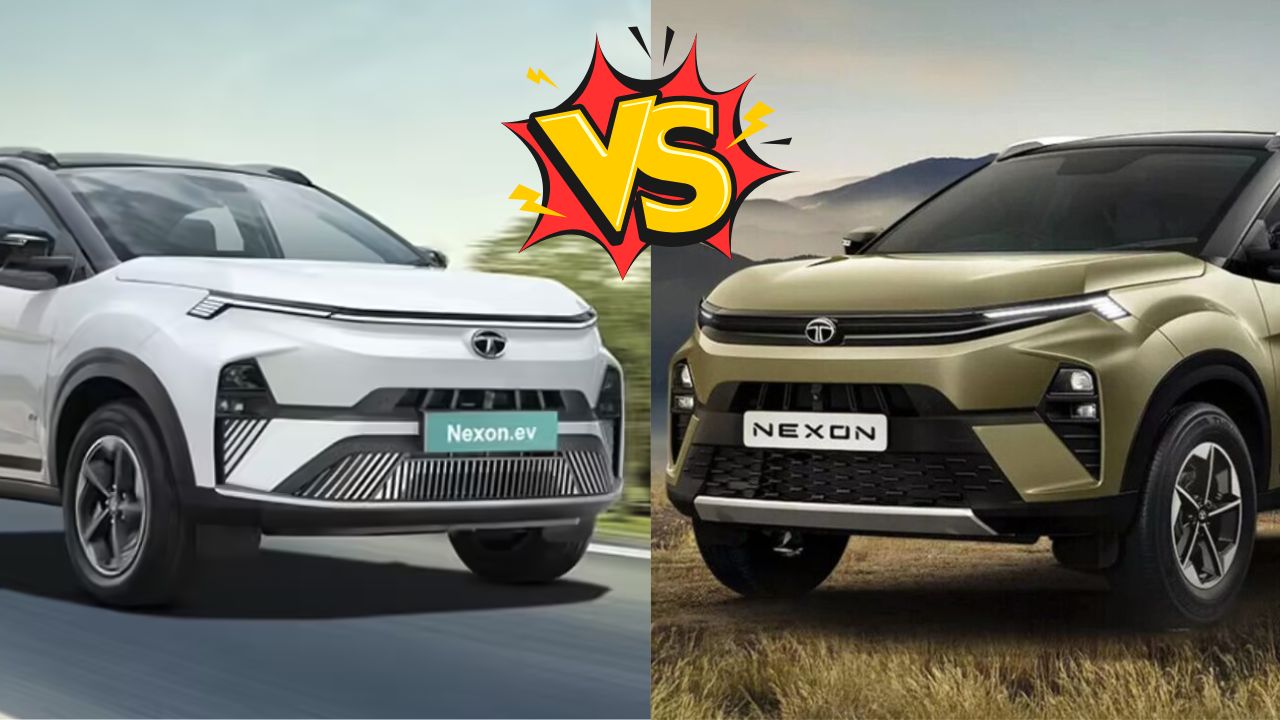
At 21Motoring, our team has extensively driven both the Tata Nexon and the Tata Nexon EV over thousands of kilometres across Indian cities, highways, ghats, and rough roads throughout 2025 and early 2026. We have tested them in real-world conditions including Mumbai-Pune expressway runs, Delhi-NCR traffic, and long highway stretches with family and luggage. This hands-on experience, combined with data from official sources like ARAI, Bharat NCAP, Tata Motors, and detailed ownership cost tracking, forms the basis of this comprehensive analysis.
Indian buyers today face a clear choice between a proven internal combustion engine compact SUV and its electric counterpart. The Nexon has been a bestseller for years due to its safety, versatility, and value. The Nexon EV has emerged as a volume leader in the electric segment thanks to strong real-world efficiency and improving charging infrastructure. This guide delivers clear, people-first insights to help you decide based on your daily commute, budget, and long-term needs in the current 2026 Indian context of rising fuel prices and evolving EV policies.
Powertrain, Performance and Driving Dynamics
We tested both vehicles back-to-back in identical conditions. The Nexon EV delivers instant torque from its electric motor, making city driving effortless and overtaking confident. The 45 kWh variants produce 142 bhp and 215 Nm, with 0-100 kmph acceleration in the low 9-second range. Drive modes (Eco, City, Sport) provide noticeable differences, and regenerative braking feels natural after adaptation.
The standard Nexon offers multiple options: the 1.2-litre turbo-petrol (around 118 bhp), 1.5-litre diesel (113 bhp and strong 260 Nm torque), and even CNG variants. Diesel variants excel on highways with effortless cruising, while petrol suits mixed usage. Both share a composed ride that handles poor Indian roads well, but the EV’s lower centre of gravity gives it better stability during cornering.
Key Specifications Comparison Table
| Parameter | Tata Nexon (ICE) | Tata Nexon EV (45 kWh) |
|---|---|---|
| Power | 118 bhp (Petrol) / 113 bhp (Diesel) | 142 bhp |
| Torque | 170 Nm (Petrol) / 260 Nm (Diesel) | 215 Nm |
| Claimed Efficiency/Range | 17-24 kmpl (ARAI) | 489 km (ARAI) |
| Real-World (Our Tests) | 14-17 kmpl Petrol / 18-23 kmpl Diesel | 320-370 km mixed |
| Ground Clearance | 208 mm (unladen) | 190 mm |
| Boot Space | ~382 litres | ~350 litres + frunk |
Dimensions remain nearly identical, making them equally practical for families.
Safety: Proven 5-Star Protection
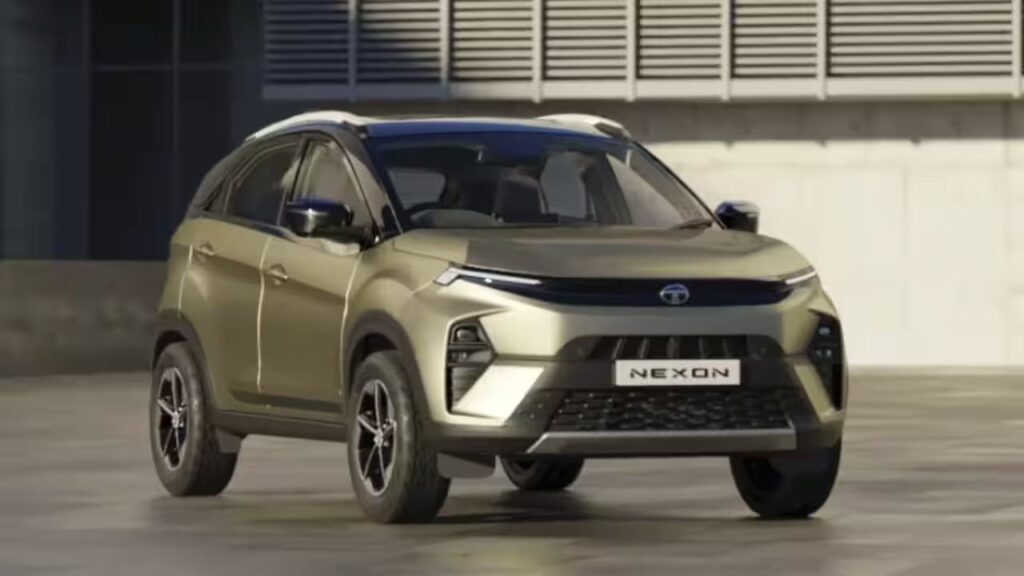
Both models have earned strong 5-star ratings in Bharat NCAP for adult and child occupant protection. Our confidence in these ratings comes from Tata’s consistent structural engineering. Features like six airbags, electronic stability program, 360-degree camera, and tyre pressure monitoring are available on higher trims of both. In our real-world driving, the electronic aids inspire confidence on wet roads and during emergency manoeuvres.
Variant-Wise Pricing and Recommendations (Ex-Showroom, May 2026)
Tata Nexon ICE starts at ₹7.37 lakh for the base Smart Petrol and extends to approximately ₹14.22 lakh for top diesel AMT variants.
Tata Nexon EV starts at ₹12.49 lakh for the Creative Plus MR (30 kWh) and goes up to around ₹17.49 lakh for top Empowered Plus A 45 variants.
Our Buying Recommendations After Testing:
- For Nexon ICE: Choose Creative Plus or Fearless series in Diesel for buyers covering over 1,500 km monthly. Petrol works well for city-focused users with lower running.
- For Nexon EV: The 45 kWh variants (Creative 45 or Fearless Plus 45) offer the best balance. They provide sufficient real-world range for most Indian use cases and come with lifetime battery warranty for the first owner on select packs. Avoid base 30 kWh if you do occasional highway runs.
Detailed Cost Analysis: Initial Purchase, Running & Maintenance
Initial Purchase: The EV carries a ₹5-6 lakh premium over comparable ICE variants. State EV subsidies, lower registration charges, and potential financing benefits help narrow this gap significantly in many regions.
Running Costs (Real-World 2026 Fuel/Electricity Prices):
- Petrol: ₹6-7 per km (at ₹100/litre, 15-17 kmpl real-world).
- Diesel: ₹4-4.5 per km (at ₹85-90/litre, 18-23 kmpl).
- EV: ₹1-1.5 per km (home charging at ₹8-10/unit, 7-8 km/kWh efficiency).
For 15,000 km annual driving, the Nexon EV can save ₹60,000 to ₹90,000 per year on energy costs alone compared to petrol.
Maintenance Insights from Long-Term Ownership Data: ICE models require periodic oil changes, filters, and timing services, averaging ₹3,000-5,000 annually. The Nexon EV benefits from fewer moving parts, regenerative braking that reduces pad wear, and simpler servicing. Annual costs typically range ₹1,500-3,000. Over five years, EV maintenance can be 40-60% lower.
Total Cost of Ownership (5 Years, 15,000 km/year): Depending on electricity tariffs and usage, the Nexon EV often breaks even within 3-4 years for city drivers with home charging. Battery warranty (8 years/1.6 lakh km standard; lifetime on many 45 kWh first-owner variants) provides long-term peace of mind. Resale value remains robust for both due to Tata’s strong brand and high demand, though EV values are supported by growing infrastructure.
Real-World Ownership: Mileage, Road Performance and Practicality
In our extensive testing:
- Nexon ICE: Delivers dependable performance with quick refuelling anywhere. Diesel variants particularly shine on long trips.
- Nexon EV: Real-world range of 320-370 km (45 kWh) in mixed conditions with AC. City efficiency is excellent. DC fast charging (60 kW) achieves 10-80% in around 40 minutes; a 7.2 kW home charger takes 6-7 hours for a full charge.
Both offer comfortable seating for five, good feature levels (ventilated seats, panoramic sunroof, premium audio on top trims), and practical storage. The EV provides a noticeably quieter and smoother cabin, plus useful V2L functionality.
Tata’s widespread service network supports both models effectively, with EV service often being quicker due to simpler mechanics.
Pros and Cons
Tata Nexon ICE Pros:
- Significantly lower upfront cost
- Excellent for long highway trips and varied conditions
- Widespread fuel availability and proven long-term reliability
- Higher ground clearance for rough roads
Tata Nexon ICE Cons:
- Higher per-kilometre running and maintenance costs
- More engine noise and vibrations
- Exposure to fluctuating fuel prices
Tata Nexon EV Pros:
- Dramatically lower running costs
- Refined, responsive, and enjoyable drive
- Quieter cabin and modern features
- Strong environmental and future-ready credentials
Tata Nexon EV Cons:
- Higher initial investment
- Range and charging planning needed for long trips
- Slightly reduced ground clearance
- Dependency on charging infrastructure
21Motoring Verdict and Buying Recommendation
After months of real-world testing and cost tracking, the Tata Nexon EV stands out as the smarter choice for most urban and suburban Indian families in 2026 who have access to home or workplace charging and cover moderate daily distances. The total ownership economics, combined with the refined driving experience and lower environmental impact, make it compelling once the premium is recovered through savings.
However, if your driving involves frequent long highway journeys, limited charging access, or a strict lower budget, the Nexon Diesel (mid to high variants) remains an outstanding, versatile option that excels in practicality.
We recommend test driving both extensively and calculating your personal 5-year costs based on exact monthly mileage and local electricity/fuel rates.