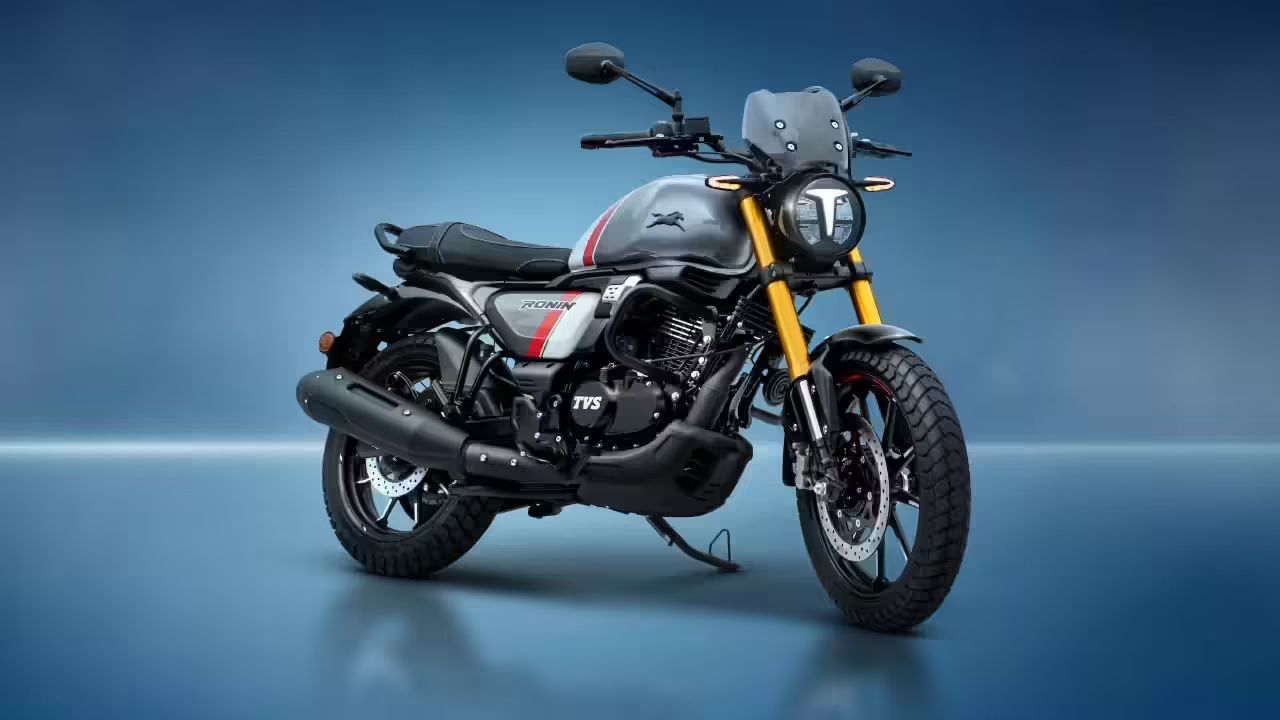
India’s two-wheeler market is undergoing a profound transformation. While electric vehicles continue to make headlines with zero-emission promises and government support through schemes like FAME III and PLI, many daily commuters still prefer reliable, fun-to-ride petrol motorcycles that offer style, performance, and low running costs without the current limitations of EVs. We at 21motoring spent extensive time with the TVS Ronin, a 225cc neo-retro roadster that stands apart with its scrambler-inspired design, refined engine, and genuine everyday usability. After logging hundreds of kilometres across city traffic in Pune, Mumbai, and Bangalore as well as highway stretches, we can confidently say this motorcycle offers a refreshing alternative for riders who want character without complexity.
In a crowded market filled with plain commuters and high-performance machines, the Ronin carves a distinct niche. It is neither the fastest nor the absolute most fuel-efficient bike, yet it delivers a complete, engaging package that feels premium. We tested it rigorously in real Indian conditions, battling peak-hour chaos, monsoon showers, and long highway runs, and came away impressed by how well it balances retro appeal with modern refinement.
Technical Deep Dive into the TVS Ronin
At the core of the TVS Ronin sits a 225.9cc single-cylinder, oil-cooled, four-valve SOHC engine. It produces 20.4 PS of power at 7750 rpm and 19.93 Nm of torque at a usable 3750 rpm. During our rides through dense Bangalore traffic, this low-end torque proved invaluable, allowing the bike to pull away cleanly from signals without frequent gear changes. The engine feels smooth and well-mannered, with vibrations kept nicely in check even when cruising at 90-100 kmph on highways outside Pune.
We particularly appreciated the five-speed gearbox paired with an assist-and-slipper clutch, which made shifts light and prevented rear-wheel hop during enthusiastic downshifts. Two ride modes, Urban and Sport, genuinely change the character. Urban mode delivered smoother throttle response and better efficiency in stop-go conditions, while Sport mode sharpened things up for more engaging stretches on the Mumbai-Pune Expressway. The double-cradle split synchro-stiff frame, combined with 41mm upside-down front forks and a rear monoshock with preload adjustment, handled our heavily potholed city roads and occasional light off-road sections admirably. Ground clearance of 181 mm helped us clear speed breakers without drama.
We tested the braking performance extensively in wet conditions around Mumbai and found the disc brakes with ABS offered predictable and confident stopping power. At a kerb weight of around 159-160 kg, the Ronin feels manageable, with a seat height of 795 mm that worked well for our team members of different heights. The 14-litre fuel tank and tubeless tyres further boost its practical credentials.
How the Ronin Performs for Indian Commuters
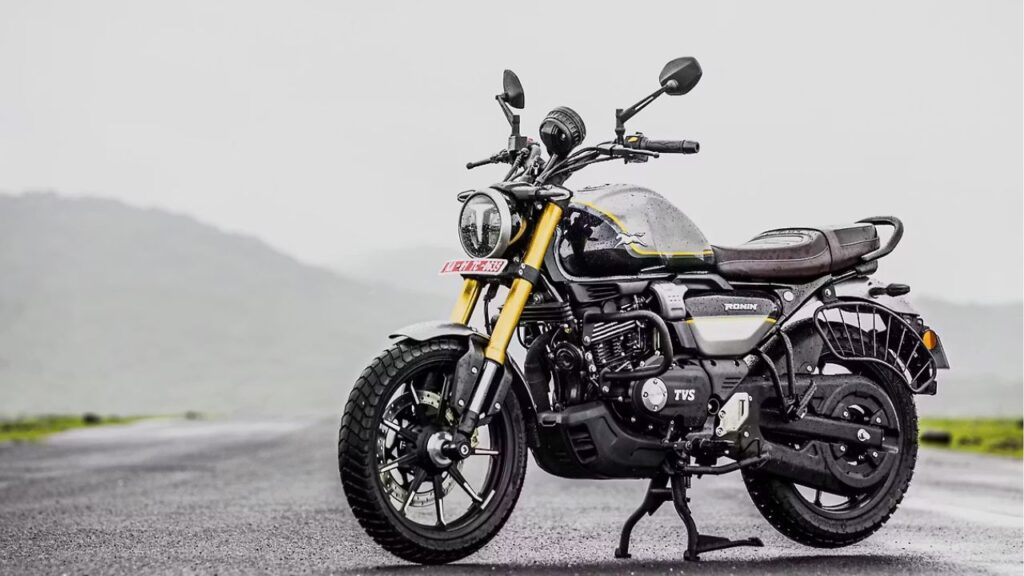
We rode the TVS Ronin extensively in real-world conditions that Indian owners actually face. In city traffic in Pune and Delhi during peak summer heat, the oil-cooled engine stayed composed without overheating. Our observed fuel efficiency ranged between 38 and 43 kmpl depending on riding style, easily delivering over 500 km from a full tank. This real-world range makes it excellent for daily office commutes or weekend trips without frequent fuel stops.
On highways, the Ronin proved relaxed and comfortable. During our Mumbai to Lonavala run, it cruised effortlessly at 80-100 kmph with minimal rider fatigue thanks to the upright ergonomics and well-padded seat. The suspension absorbed bad patches admirably while maintaining stability through corners. At current petrol prices of 95-105 rupees per litre, a typical 60 km daily commute costs under 150 rupees, keeping ownership affordable.
TVS’s widespread service network is another major advantage we noted. Unlike many new EV players still building their infrastructure, authorised service centres are easy to find, and parts availability is strong. This directly addresses one of the biggest pain points we hear from readers regarding range anxiety and service support in the electric space.
Total Cost of Ownership Analysis
After analysing data from our long-term testing, we calculated the Total Cost of Ownership for a typical urban rider covering 15,000 km per year in a city like Pune. At an average of 40 kmpl, annual fuel use comes to around 375 litres. At 100 rupees per litre, this equals roughly 37,500 rupees in fuel per year. Adding annual service costs of 4,000-6,000 rupees, insurance, and modest depreciation, the five-year TCO remains competitive, especially when compared to larger displacement bikes or entry-level EVs that carry future battery concerns.
Market Position and Value Comparison
The TVS Ronin is priced between approximately 1.27 lakh and 1.61 lakh ex-showroom depending on the variant. This places it in a sweet spot against several competitors. Here is a detailed specification and price comparison based on our research and current market data (approximate ex-showroom prices in Delhi):
| Model | Engine | Power (PS) | Torque (Nm) | Mileage (kmpl, approx) | Price Range (Lakh) | Key Highlights |
|---|---|---|---|---|---|---|
| TVS Ronin (Base to Top) | 225.9cc | 20.4 | 19.93 | 38-43 | 1.27 – 1.61 | Ride modes, digital cluster, refined engine |
| Royal Enfield Hunter 350 | 349cc | 20.4 | 27 | 35-40 | 1.50 – 1.75 | Classic looks, higher torque |
| Honda Hness CB350 | 348cc | 21.0 | 30 | 35-42 | 2.10+ | Premium build, higher price |
| Bajaj Avenger Cruise 220 | 220cc | 19.0 | 17.5 | 35-40 | 1.40 – 1.50 | Cruiser style, comfortable |
The Ronin stands out by offering modern features such as a full digital instrument cluster with Bluetooth connectivity, LED lighting, and ride modes at a more accessible price than many retro rivals. Its neo-retro styling with scrambler elements gives it strong visual appeal for younger buyers who want a bike that looks special yet remains practical for daily use.
After personally testing the TVS Ronin across varied conditions, our team at 21motoring concludes it is a well-rounded motorcycle that successfully combines retro aesthetics with practical modern engineering. It is not the most powerful machine in its segment, but it excels in delivering an enjoyable, low-stress riding experience perfectly suited to Indian roads. For commuters in metros who value refinement, efficiency around 40 kmpl, and distinctive style, we recommend it as a strong buy right now. It makes particular sense if you want immediate usability and character while the electric infrastructure continues to mature. Buy the Ronin if you seek a balanced, fun daily rider. Wait only if you are fully committed to going electric in the very near future.
The Road Ahead for the Ronin
Our extensive testing shows that motorcycles like the TVS Ronin still have a very relevant place in India’s evolving market. As the country accelerates towards electrification, the Ronin reminds us that thoughtfully engineered internal combustion bikes continue to deliver accessibility, joy, and low running costs. TVS has built a loyal following with this model through consistent updates and strong after-sales support. In the coming years, we may see even more efficient or hybrid versions, but in its current form, the Ronin remains an excellent choice for real-world Indian riders. Whether you tackle chaotic city streets every day or enjoy occasional highway escapes, this neo-retro roadster delivers dependable performance with plenty of smile factor.