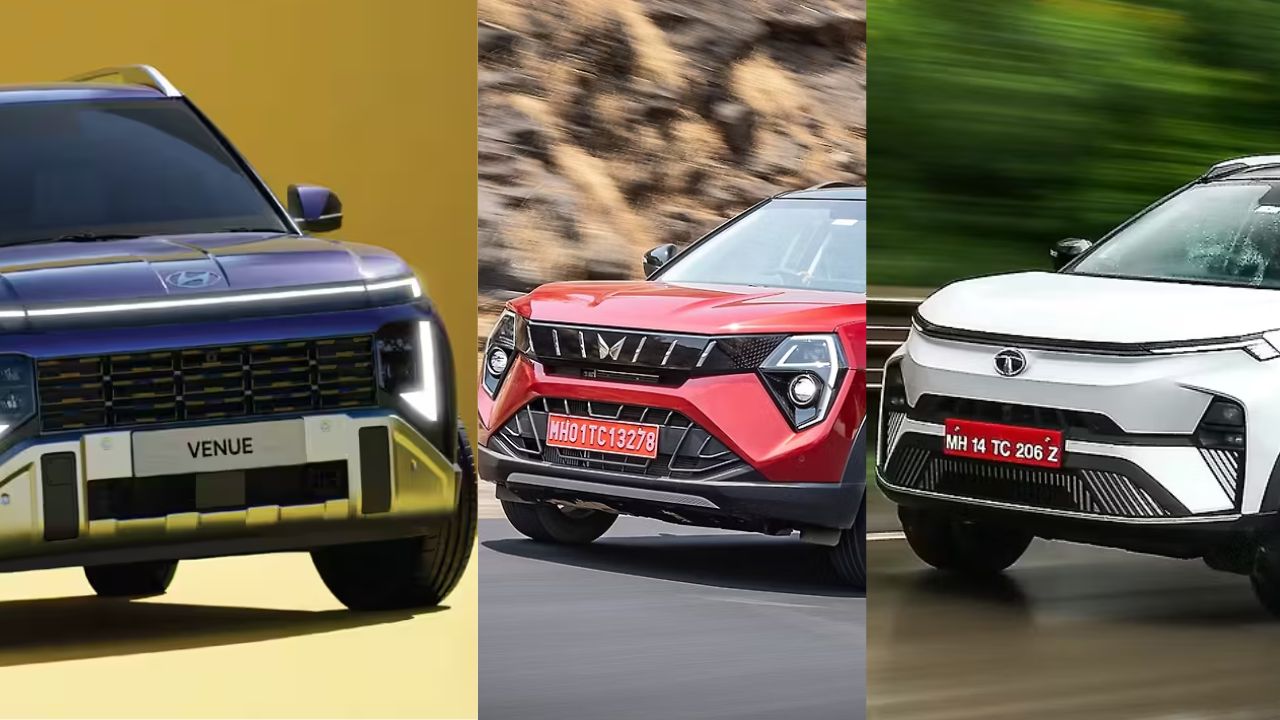
India’s compact SUV segment continues to evolve rapidly in 2026, driven by a mix of improving road infrastructure, rising fuel costs in cities like Delhi and Bangalore, and growing emphasis on safety and features. Buyers in Bhopal navigating mixed urban and highway routes, or Bangalore commuters dealing with heavy traffic and occasional potholes, seek vehicles that balance efficiency, comfort, and confidence. The Tata Nexon, Mahindra XUV 3XO, and Hyundai Venue stand out as strong contenders in this fiercely competitive space, each bringing distinct strengths to the table.
These three models cater to similar buyer profiles but differ in character. The Tata Nexon has built a reputation for ruggedness and top-tier safety. The Mahindra XUV 3XO impresses with its spacious cabin, powerful engines, and modern tech. The Hyundai Venue shines with premium appeal, refined driving dynamics, and a feature-loaded cabin that feels upscale. This detailed comparison examines their real-world performance on Indian roads, helping you decide which one suits your daily commute and weekend getaways.
Technical Deep Dive: Motors, Batteries (Where Applicable), and Performance Specs
All three SUVs are primarily internal combustion engine offerings, though the Nexon also has a strong electric variant presence in the broader lineup. For this shootout, we focus on their popular petrol and diesel options, as these remain the go-to choices for most Indian buyers concerned with range flexibility and infrastructure.
The Tata Nexon comes with a 1.2-litre turbocharged Revotron petrol engine producing around 120 PS and 170 Nm of torque, paired with options for manual, AMT, or DCT transmissions. Its 1.5-litre Revotorq diesel delivers 115 PS and a strong 260 Nm, making it punchy for overtakes. Ground clearance sits at about 208 millimetres, aiding it over speed breakers and light off-road sections common in smaller cities. The suspension setup is tuned for compliance, soaking up bad roads without feeling too soft.
Mahindra’s XUV 3XO offers multiple 1.2-litre turbo petrol options, including a direct-injection TGDi unit pushing up to 131 PS and 230 Nm, giving it a sportier edge. The 1.5-litre diesel produces solid torque figures around 300 Nm in higher states of tune. With a longer wheelbase of 2600 millimetres, it feels more planted and offers generous rear legroom, a boon for families in Delhi’s stop-go traffic. Its wider stance enhances stability at highway speeds.
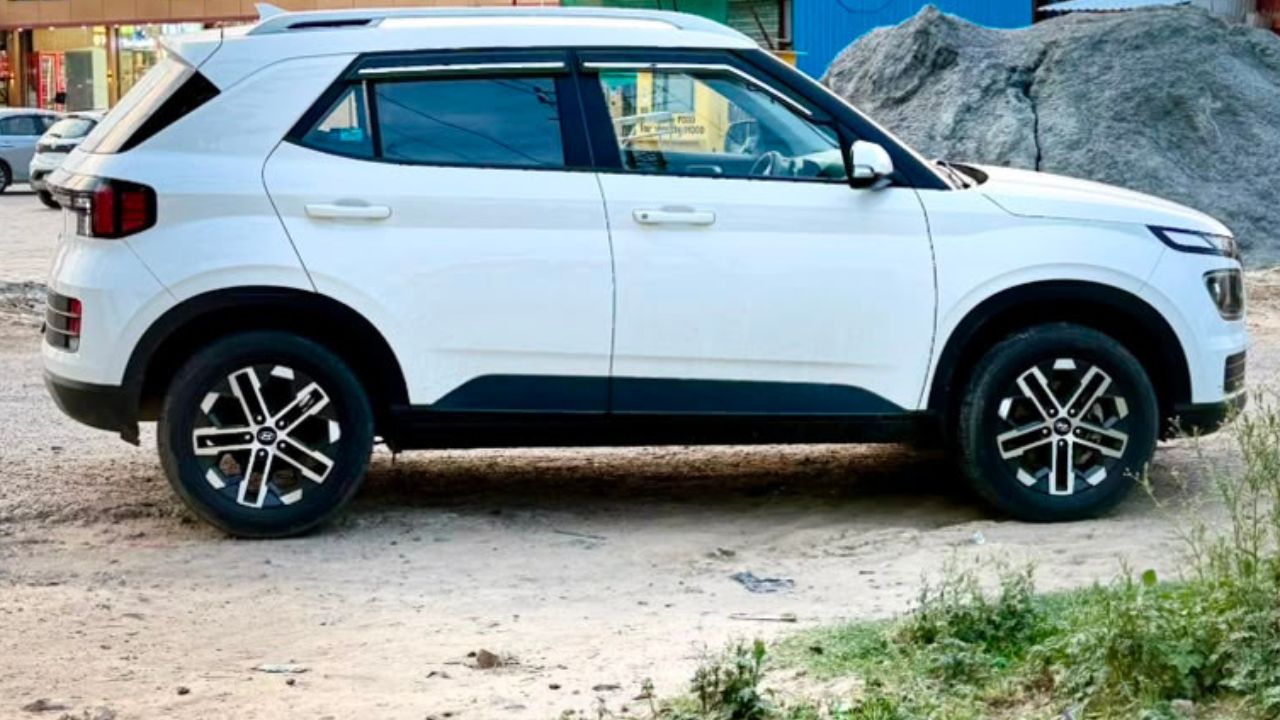
The Hyundai Venue brings a 1.2-litre naturally aspirated or turbo petrol options along with a refined 1.5-litre diesel. The turbo petrol pairs well with the 7-speed DCT for smooth shifts, while the diesel excels in refinement. At around 3995 millimetres long, it maintains a compact footprint ideal for tight parking in Bangalore. Ride quality is composed, with good high-speed stability.
Technical Specifications Comparison
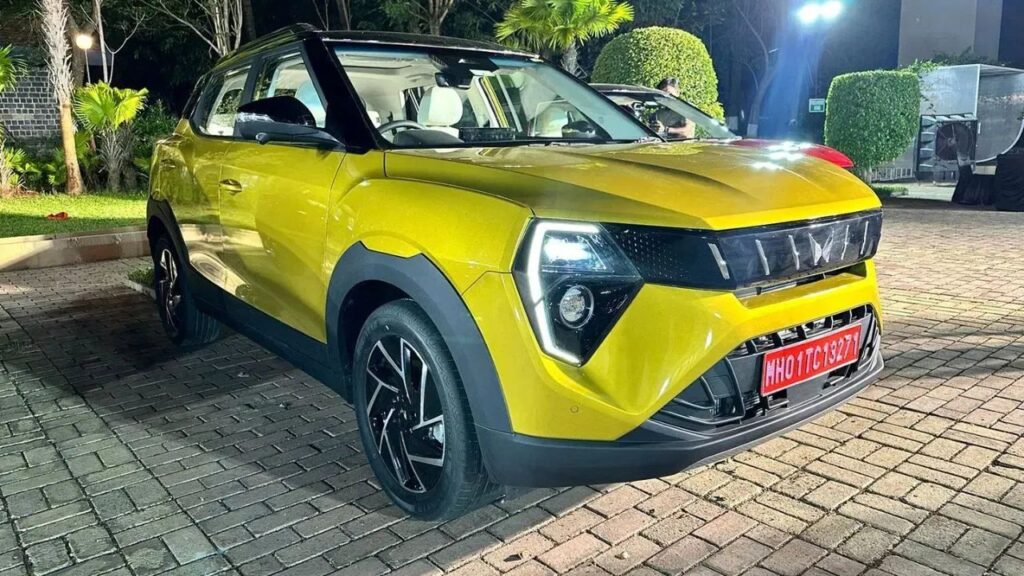
Here is a detailed side-by-side comparison of key technical specifications (data based on 2026 models, focusing on representative petrol and diesel variants):
| Parameter | Tata Nexon | Mahindra XUV 3XO | Hyundai Venue |
|---|---|---|---|
| Length x Width x Height (mm) | 3995 x 1804 x 1620 | 3990 x 1821 x 1647 | 3995 x 1800 x 1665 |
| Wheelbase (mm) | 2498 | 2600 | 2520 (approx.) |
| Ground Clearance (mm) | 208 | 201 | 190-195 |
| Boot Space (litres) | 382 | 364 | 350-375 |
| Fuel Tank Capacity (litre) | 44 | 42 | 45 |
| Petrol Engine Options | 1.2L Turbo – 120 PS / 170 Nm | 1.2L Turbo – 111 PS / 200 Nm 1.2L TGDi – 131 PS / 230 Nm | 1.2L NA/Turbo – ~83-120 PS |
| Diesel Engine Options | 1.5L Turbo – 115 PS / 260 Nm | 1.5L Turbo – 117 PS / 300 Nm | 1.5L Turbo – 115 PS / 250 Nm |
| Transmission Options | 5/6MT, AMT, DCT | 6MT, 6AT, AMT | 5/6MT, DCT, iMT |
| Seating Capacity | 5 | 5 | 5 |
| Safety Rating (Bharat NCAP) | 5 Star (Adult & Child) | 5 Star | 5 Star (recent models) |
| Kerb Weight (approx. kg) | 1300-1400 | 1300-1400 | 1150-1300 |
This table highlights the Nexon’s edge in ground clearance for rough roads, the XUV 3XO’s advantage in wheelbase and width for interior space, and the Venue’s competitive balance across dimensions and refinement.
Expert Insight: Total Cost of Ownership (TCO) Analysis
For a typical 15,000 kilometre annual usage in a city like Bhopal (assuming current fuel prices around 95 rupees per litre for petrol and 85 for diesel), the diesel variants generally offer lower running costs. A Nexon diesel might cost around 5.5 to 6 rupees per kilometre in mixed conditions, while petrol hovers at 7 to 8 rupees. The XUV 3XO‘s efficient diesel can edge closer to 5 rupees per kilometre on highways. Venue diesel offers similar efficiency but with slightly higher service costs typical of Hyundai. Over five years, diesel options can save 50,000 to 80,000 rupees in fuel alone compared to petrol, though consider lower diesel demand and potential resale factors. ARAI-certified figures need real-world context, as traffic, AC usage, and load affect outcomes significantly.
Range in City vs. Highway, Charging Costs (Fuel Equivalent)
Real-world mileage tells the true story for Indian conditions. In bustling city traffic with frequent idling and AC on, the Tata Nexon petrol returns roughly 11 to 13 kilometres per litre, improving to 15 to 17 on highways at moderate speeds. Diesel variants fare better at 15 to 18 in the city and 20 to 23 on open roads. Owners in Bangalore report solid performance despite congestion, with the higher ground clearance helping over flooded sections during monsoons.
The Mahindra XUV 3XO petrol automatic delivers around 10 to 12 kilometres per litre in city driving and 16 to 18 on highways, per independent tests. Its diesel shines with 15 to 18 city and up to 21 plus on long stretches, making it a mileage muncher for inter-city trips from Delhi to nearby destinations. The spacious cabin reduces fatigue on longer drives.
Hyundai Venue petrol (especially turbo) offers 12 to 15 in the city and 16 to 19 on highways. Diesel models achieve 16 to 20 in urban settings and 20 plus out on highways. Its lighter steering and refined cabin make it pleasant for daily commutes in Bhopal’s mixed conditions. All three handle 400 to 600 kilometre real-world ranges on a full tank depending on variant and driving style, alleviating range anxiety compared to early EVs.
Fuel costs vary but remain practical. Expect monthly fuel bills of 4,000 to 7,000 rupees for average users, lower for efficient diesels. Service networks are widespread for all brands, though Tata and Mahindra edge in smaller towns, while Hyundai offers premium after-sales experience.
Price Comparison and Value for Money Verdict
Pricing positions them closely, starting from around 7.3 to 8 lakh rupees ex-showroom for base models and stretching to 14 to 16 lakh for top variants. The Tata Nexon starts aggressively around 7.37 lakh, offering strong value with its safety credentials. Mahindra XUV 3XO begins near 7.5 lakh, loaded with features even in mid trims. Hyundai Venue starts slightly higher at about 8 lakh, justifying it with premium fit and finish.
Value depends on priorities. Nexon wins for safety-conscious buyers on a budget. XUV 3XO offers the most space and punch. Venue appeals to those wanting a polished, brand-premium experience.
Our Take
After extensive analysis of specifications, real-world tests, and user feedback from Indian conditions, the Tata Nexon emerges as the most well-rounded choice for the majority. Its proven 5-star safety rating across adult and child parameters, combined with robust build quality and improving feature set, makes it a safe bet for families. The diesel variant particularly delivers excellent efficiency and torque for varied Indian roads. If you prioritize cabin space and modern tech like advanced ADAS, go for the Mahindra XUV 3XO. Choose the Hyundai Venue if you value refinement, brand service experience, and a more car-like drive. Buy now if your usage demands immediate reliability and safety; waiting might bring minor updates but these models are already mature in 2026.
Future Outlook
The compact SUV segment in India is heading toward greater electrification, with government policies like extended PLI schemes and potential FAME III support accelerating battery tech and local manufacturing. While pure ICE models like these three will coexist for years due to infrastructure realities, expect more hybrid options and improved EV variants. For now, the Tata Nexon, Mahindra XUV 3XO, and Hyundai Venue represent excellent choices tailored to real Indian needs, from congested city streets to highway cruising. Test drive all three back-to-back to match your personal driving style and priorities. The right one will feel like a reliable companion for years ahead.