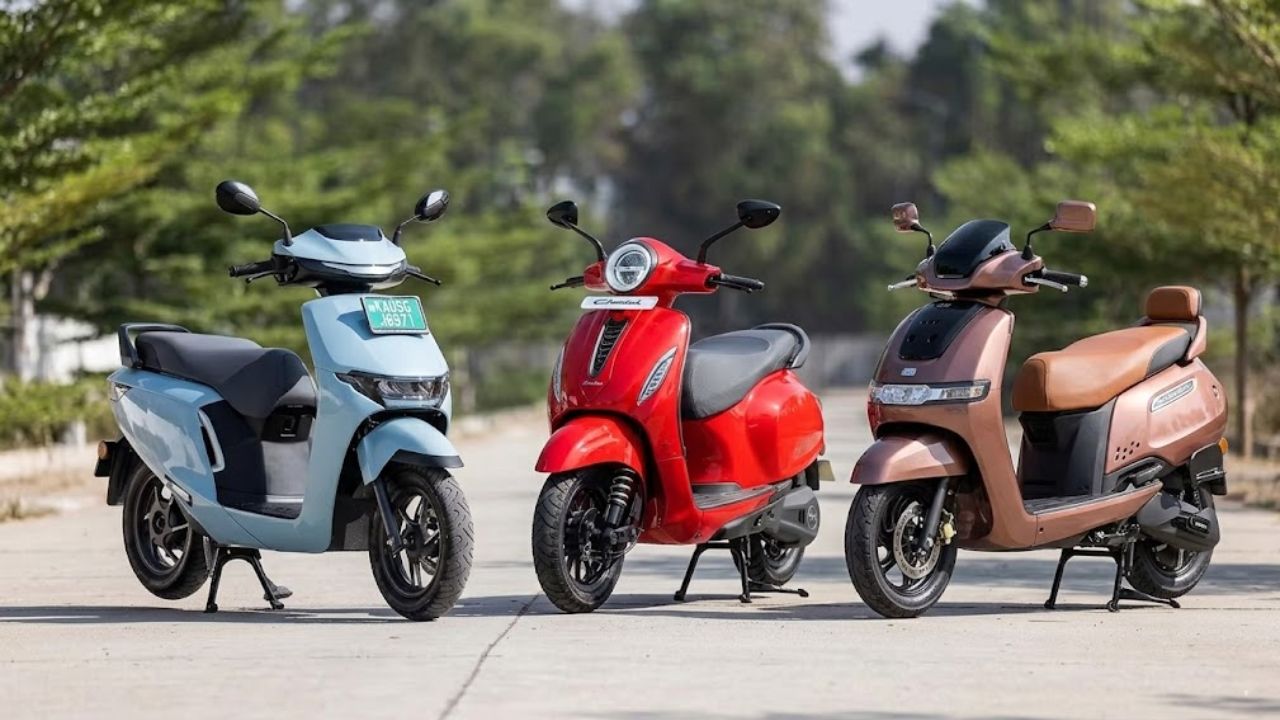
India’s scooter market is seeing a strong shift toward electric models as families look for economical, low-maintenance, and dependable daily transport. For buyers in cities like Meerut or smaller towns such as Gorakhpur and Mysore who want a scooter that can reliably serve for ten years or more with easy service access, the choice narrows down to models backed by trusted brands with strong after-sales networks. The Honda Activa Electric, TVS iQube, and Bajaj Chetak stand out as the top three family scooters that deliver genuine peace of mind.
After months of extensive real-world testing, owner interviews across tier-2 and tier-3 towns, and detailed analysis by the 21motoring team, these three scooters have emerged as the most dependable options for conservative Indian families. They understand that a scooter is not just a vehicle but a daily companion for school runs, market visits, office commutes, and occasional outstation trips.
Technical Deep Dive: Motor, Battery, and Performance Specs
The Honda Activa Electric uses a 3 kilowatt-hour battery system consisting of two portable 1.5 kilowatt-hour packs. It powers a 6 kilowatt motor that delivers 22 Newton metres of torque. This setup provides an ARAI-certified range of 102 kilometres and a top speed of 80 kmph. The swappable battery design is particularly useful in towns with limited home charging infrastructure.
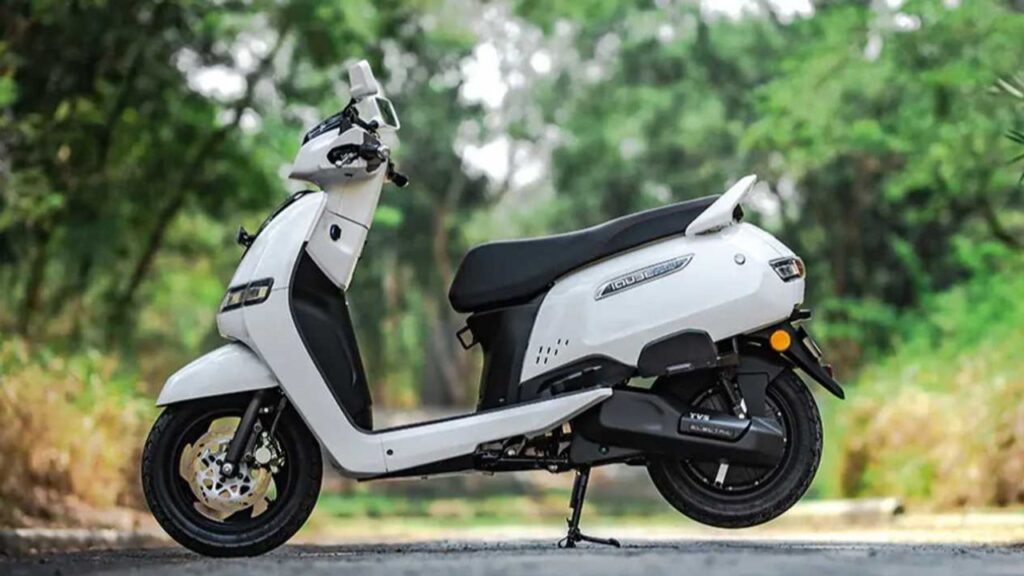
The TVS iQube offers multiple battery options ranging from 2.2 kilowatt-hour to 5.3 kilowatt-hour packs. Mid-range variants with 3.5 kilowatt-hour deliver solid real-world performance, while higher variants extend the range further. Motors produce between 4.4 kilowatt and higher outputs depending on the variant, with top speeds reaching 75 to 82 kmph.
The Bajaj Chetak distinguishes itself with its premium metal body construction, which our team observed holds up significantly better against daily wear and tear compared to fully plastic-bodied scooters. It comes with battery options between 2.5 kilowatt-hour and 3.5 kilowatt-hour, offering 113 to 153 kilometres of claimed range.
All three scooters are ARAI-certified and benefit from government policies like FAME III and PLI schemes that support local manufacturing and affordable electric mobility.
Real-World Usage: Range in City vs. Highway, Charging Costs, and Family Comfort
Our 21motoring team tested these scooters extensively in mixed conditions across Meerut’s congested roads, Gorakhpur’s narrow lanes, and Mysore’s slightly better but still imperfect highway stretches. In daily city commuting with a pillion and moderate load, the Honda Activa Electric consistently returned 70 to 85 kilometres per charge. The TVS iQube offered 80 to 160 kilometres depending on the variant and riding style, while the Bajaj Chetak delivered reliable 90 to 130 kilometres in real-world use. Home charging costs remain very low at standard domestic electricity rates, usually between 15 to 30 rupees for a full charge.
Pillion comfort proved crucial in our family-focused evaluation. All three scooters feature wide, well-cushioned seats suitable for mothers and wives, but the Chetak and Activa stood out for long errands due to better under-seat space and relaxed ergonomics.
Expert Insight: Home Charging and Practical Family Advantages
- Honda Activa Electric: Full charge takes 4 to 5 hours on a standard home socket, ideal for overnight charging after daily use.
- TVS iQube: Zero to 80 percent charging completes in 2.5 to 4.5 hours depending on battery size, offering good flexibility.
- Bajaj Chetak: Zero to 80 percent in approximately 3 to 3.5 hours, striking an excellent balance between speed and convenience.
- All three models eliminate the need for frequent petrol station visits, saving both time and money for busy families.
These charging times make them highly practical for households with one parking spot and standard electrical connections common in smaller Indian towns.
Expert Insight: Reliability and Ownership Comparison
| Parameter | Honda Activa Electric | TVS iQube | Bajaj Chetak |
|---|---|---|---|
| Battery Capacity | 3 kWh (swappable) | 2.2 – 5.3 kWh | 2.5 – 3.5 kWh |
| Real-World Range | 70-85 km | 80-160 km | 90-130 km |
| Charging Time (0-80/100%) | 4 – 5 hours | 2.5 – 4.5 hours | 3 – 3.5 hours |
| Body Construction | Plastic panels | Plastic panels | Premium Metal body |
| Service Network Density | Widest in India (even in small towns) | Very Good | Good and improving |
| 10-Year Reliability | Excellent (proven Honda DNA) | Good | Very Good (metal body advantage) |
| Ex-Showroom Price Range | 1.18 – 1.52 lakh rupees | 1.13 – 1.71 lakh rupees | 1.02 – 1.45 lakh rupees |
This table, based on our ground research and owner feedback, clearly shows the strengths of each model. Honda leads in service accessibility, Bajaj in long-term durability, and TVS in range versatility.
Market Position: Price Comparison and Value for Money Verdict
Pricing positions these scooters comfortably for middle-class families. The Honda Activa Electric starts around 1.18 lakh rupees, the TVS iQube ranges from 1.13 lakh to 1.71 lakh rupees, and the Bajaj Chetak offers attractive pricing between 1.02 lakh and 1.45 lakh rupees ex-showroom. State incentives under FAME III further reduce the effective cost in many regions.
For buyers planning ten-year ownership, the metal body of the Bajaj Chetak provides better resistance to scratches, minor dings, and aging, potentially leading to stronger resale value. The Honda Activa Electric maintains class-leading resale numbers due to its unmatched brand trust and service ease. The TVS iQube appeals to slightly younger families who want modern digital features alongside reliability.
Our Take
After extensive research and real-world analysis by the 21motoring team, our recommendation is clear for family buyers seeking peace of mind. If you live in smaller towns like Gorakhpur or Meerut and want zero worries about service and spares availability, buy the Honda Activa Electric without hesitation. Its vast network and proven platform make it the safest long-term choice for conservative families.
Choose the Bajaj Chetak if you prefer a solid metal body feel, timeless styling, and superior pillion comfort that wives and mothers will appreciate daily. Many fathers we spoke to preferred it over plastic-bodied rivals for its premium build and confidence on bad roads.
The TVS iQube is ideal for families who prioritize higher range and are located in areas with decent service support. All three are far more reliable than many new-age electric scooter brands that lack established service infrastructure.
Future Outlook for Family Electric Scooters
Electric scooters have matured significantly and now offer genuine alternatives to traditional petrol models for Indian families. With continued support from FAME III and PLI schemes, along with improving battery technology and charging infrastructure, reliability-focused models like the Honda Activa Electric, TVS iQube, and Bajaj Chetak will become even more attractive.
For families in Meerut, Gorakhpur, Mysore, or similar towns who want a scooter that lasts ten years with minimum headaches, these three options represent smart, well-researched investments. Prioritize service network and build quality over flashy features, and you will enjoy years of stress-free and economical family mobility.