India’s electric vehicle revolution is in full swing in 2026. With improving charging networks, continued government support through schemes like PM E-DRIVE and potential FAME III extensions, and rapidly maturing battery technology, more families and daily commuters in cities like Pune, Mumbai, Delhi, and Bangalore are seriously considering making the switch from petrol or diesel to electric. Yet, despite the excitement, buying an EV remains a decision that demands careful thought. We at 21motoring have tested dozens of electric scooters, motorcycles, and cars across real Indian conditions, and we have seen first-hand how overlooking key factors can turn excitement into regret. Here are the seven most important things every buyer must check before purchasing any electric vehicle in India this year.
Technical Deep Dive: Understanding What Powers Modern EVs
At the heart of every electric vehicle lies its battery pack, electric motor, and Battery Management System. Most scooters and cars in 2026 use Lithium Iron Phosphate (LFP) batteries for better safety and longevity under Indian heat, while some premium models still offer Nickel Manganese Cobalt (NMC) for higher energy density. Look for ARAI-certified range figures, but remember these are lab-tested and often 20 to 30 percent higher than what you will experience in real traffic with air conditioning running.
Motors are usually permanent magnet synchronous types delivering instant torque, which makes city driving in stop-go Bangalore traffic feel effortless. Performance specs such as 0 to 40 kmph acceleration in under 3 seconds are common in good scooters, but what matters more is sustained performance and thermal management. Advanced Battery Management Systems with active cooling help prevent power derating in Delhi’s scorching summers. Always verify IP65 or higher ratings for water and dust protection, especially if you park outdoors or ride through Mumbai monsoons. Government policies like PLI schemes have pushed local manufacturing, improving component quality and parts availability, but standards still vary across brands.
Real-World Usage: Range, Charging, and Daily Practicality
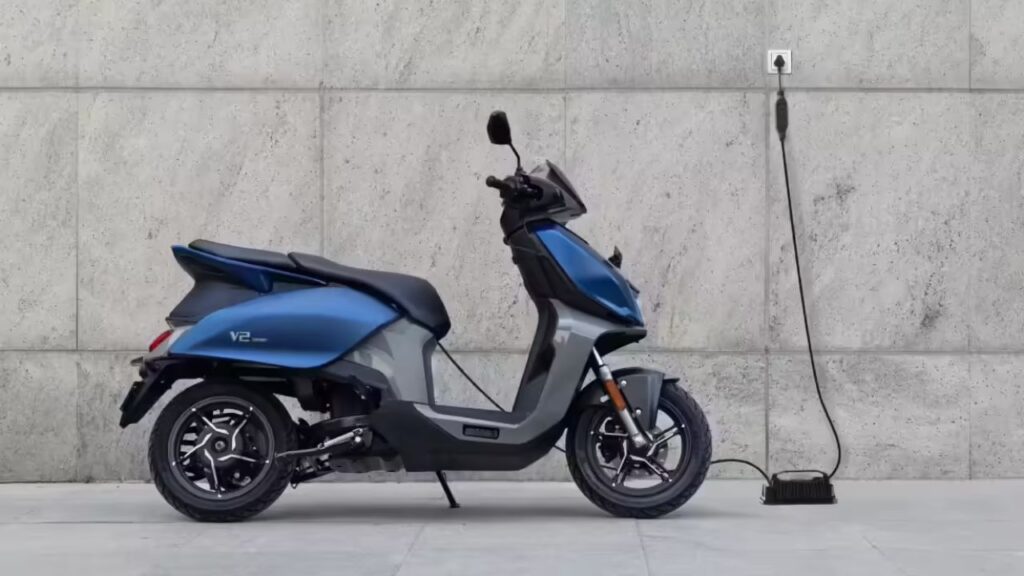
Real-world range remains one of the biggest concerns for Indian buyers. In our extensive testing across city and highway routes, most electric scooters deliver 70 to 85 percent of their claimed ARAI range depending on rider weight, traffic, and use of features. A scooter promising 150 km might comfortably give you 110 to 120 km in Pune’s mixed conditions, which is usually enough for daily commutes but requires planning for longer trips.
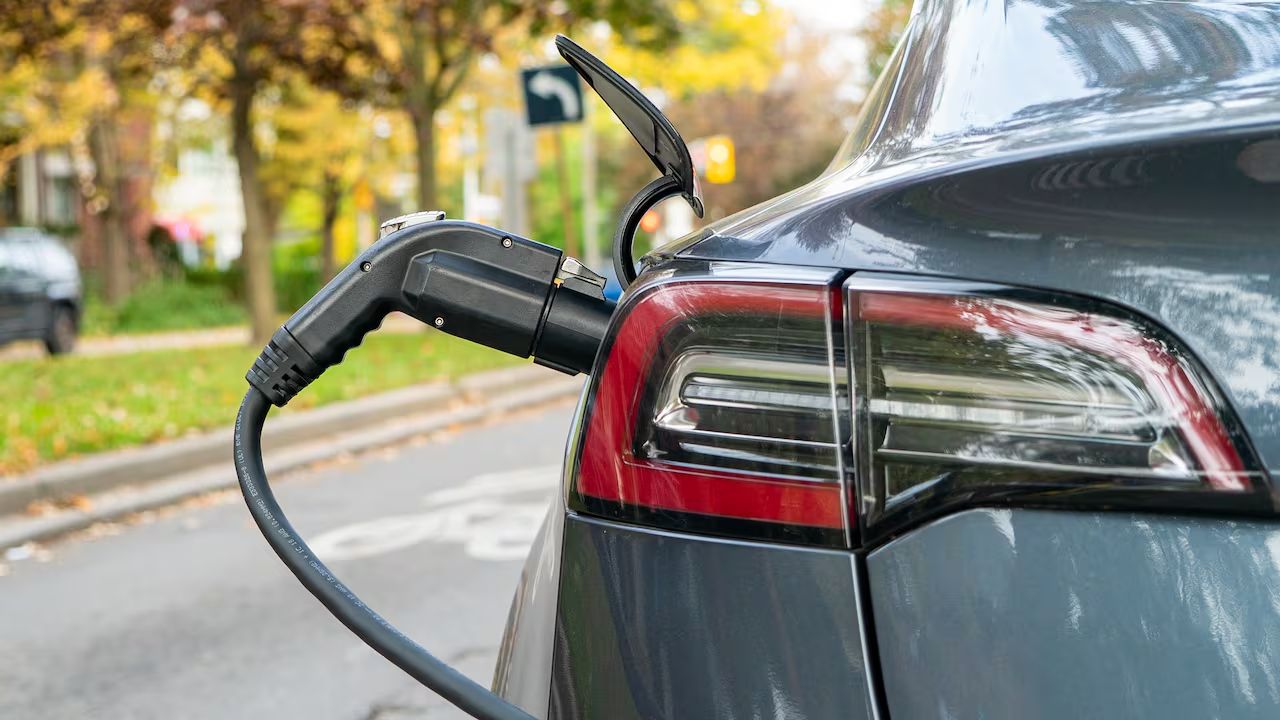
Charging infrastructure has grown significantly, with over 27,000 public stations nationwide by early 2026, yet availability and reliability differ greatly by city. Home charging is ideal and cheapest. A typical 3.3 kW wall charger can fill a scooter battery in 4 to 6 hours overnight at roughly 2 to 3 rupees per unit of electricity, making running costs extremely low compared to petrol scooters. Public fast charging, however, can cost 8 to 12 rupees per unit and still faces occasional downtime or queue issues, especially during peak hours.
Range anxiety is real for highway users or those without dedicated parking for home charging. Service infrastructure is another pain point. Established players with widespread networks offer better peace of mind than newer entrants still expanding their authorised centres.
Total Cost of Ownership Analysis
We calculated the five-year Total Cost of Ownership for a typical electric scooter used for 12,000 km annually in a city like Mumbai. Assuming an ex-showroom price of 1.2 lakh rupees after subsidies, home charging at 2.5 rupees per unit, and average efficiency of 8 to 10 km per kWh, annual electricity cost stays under 4,000 rupees. Add minimal maintenance (no oil changes or clutch replacements) of around 2,000 to 3,000 rupees per year. Over five years, the TCO often emerges 25 to 40 percent lower than a comparable petrol scooter when factoring in fuel savings, even after accounting for slightly higher insurance and potential battery degradation. For cars, the savings are even more pronounced on high-usage patterns, though upfront costs remain higher.
7 Critical Things to Check Before Buying Any Electric Vehicle in India in 2026
1. Your Actual Daily Driving Pattern and Parking Situation Start here. EVs suit predictable city commutes best. Measure your average daily distance and check if you have access to overnight charging at home or office. Without home charging, ownership convenience drops significantly in most Indian cities.
2. Real-World Range vs ARAI Claimed Figures Always discount ARAI numbers by 20 to 30 percent. Test ride the vehicle in conditions similar to your daily use. Ask dealers for real-user data or independent tests rather than brochure claims.
3. Battery Warranty, Safety Certifications, and Thermal Management Insist on minimum 5 to 8 years or 80,000 to 1,60,000 km battery warranty. Verify ARAI compliance with latest AIS-156 and AIS-038 standards for thermal runaway protection and IP ratings. This is crucial in India’s extreme temperatures.
4. Charging Infrastructure Near Your Routes Use apps like PlugShare or manufacturer networks to map chargers along your regular paths and occasional highway trips. Prioritise vehicles with fast-charging support if you travel frequently.
5. Service Network and Spare Parts Availability Choose brands with established service reach, especially in your city and frequent travel destinations. Newer EV startups are improving fast, but legacy two-wheeler makers still hold an edge in smaller towns.
6. Government Subsidies and State Incentives Check current eligibility under PM E-DRIVE or state policies in Maharashtra, Delhi, Karnataka, and others. Subsidies can reduce effective price by 10,000 to 50,000 rupees or more depending on the model and battery size. Policies can change, so confirm before booking.
7. Resale Value, Software Updates, and Future-Proofing Electric vehicles depreciate differently. Look for brands with strong software update support and over-the-air capabilities. Battery health and technology obsolescence will influence resale in 2028-2030.
Market Position: Price Comparison and Value for Money Verdict
Electric vehicles in 2026 offer varied positioning. Entry-level scooters start under 80,000 rupees on-road after subsidies, while premium models with larger batteries and better features cross 1.5 lakh rupees. Cars begin around 10 to 12 lakh rupees for compact options like updated Tata models. When compared feature-to-feature, many EVs now deliver better value than equivalent ICE vehicles on running costs, though initial purchase price and charging convenience remain deciding factors. The sweet spot for most Indian families lies in reliable mid-range scooters and compact cars from established manufacturers that balance price, range, and support.
Here is a quick comparison of popular segments (approximate on-road prices in major metros, post-subsidy where applicable):
| Segment | Example Models | Price Range (Lakh) | Typical Real-World Range | Best For |
|---|---|---|---|---|
| Entry Scooter | TVS iQube, Hero Vida VX2 | 0.90 – 1.30 | 80-110 km | Daily city commute |
| Premium Scooter | Ather 450X, Ola S1 Pro | 1.40 – 2.00 | 110-140 km | Feature-rich daily + weekend |
| Compact EV Car | Tata Punch EV, Nexon EV | 11 – 18 | 200-300 km | Family + occasional highway |
| Premium EV SUV | Mahindra XEV series, Tata Curvv EV | 20+ | 300-450 km | Long-distance comfort |
Our Take
After testing multiple electric vehicles across thousands of kilometres and speaking with hundreds of owners, our clear recommendation in 2026 is to buy if your daily usage is under 100-120 km, you have reliable home charging, and you prioritise low running costs and refinement. The technology has matured enough for most urban and suburban Indian needs. Wait only if you frequently undertake long unplanned highway trips, lack home charging access, or need maximum flexibility in remote areas where service is still developing. For the majority of commuters in Pune, Mumbai, Delhi, or Bangalore, a well-chosen EV now delivers excellent value and driving pleasure.
The Road Ahead for EV Adoption in India
2026 marks a tipping point for electric mobility in India. With expanding infrastructure, better batteries, and strong policy support, the barriers that once held back mass adoption are steadily coming down. By doing your homework on the seven critical points above, you can confidently join the electric shift without facing common buyer regrets. The future looks bright for cleaner, quieter, and far more efficient personal transportation. At 21motoring, we believe the right EV, chosen with proper research, can genuinely transform your daily commuting experience for the better in the years ahead.