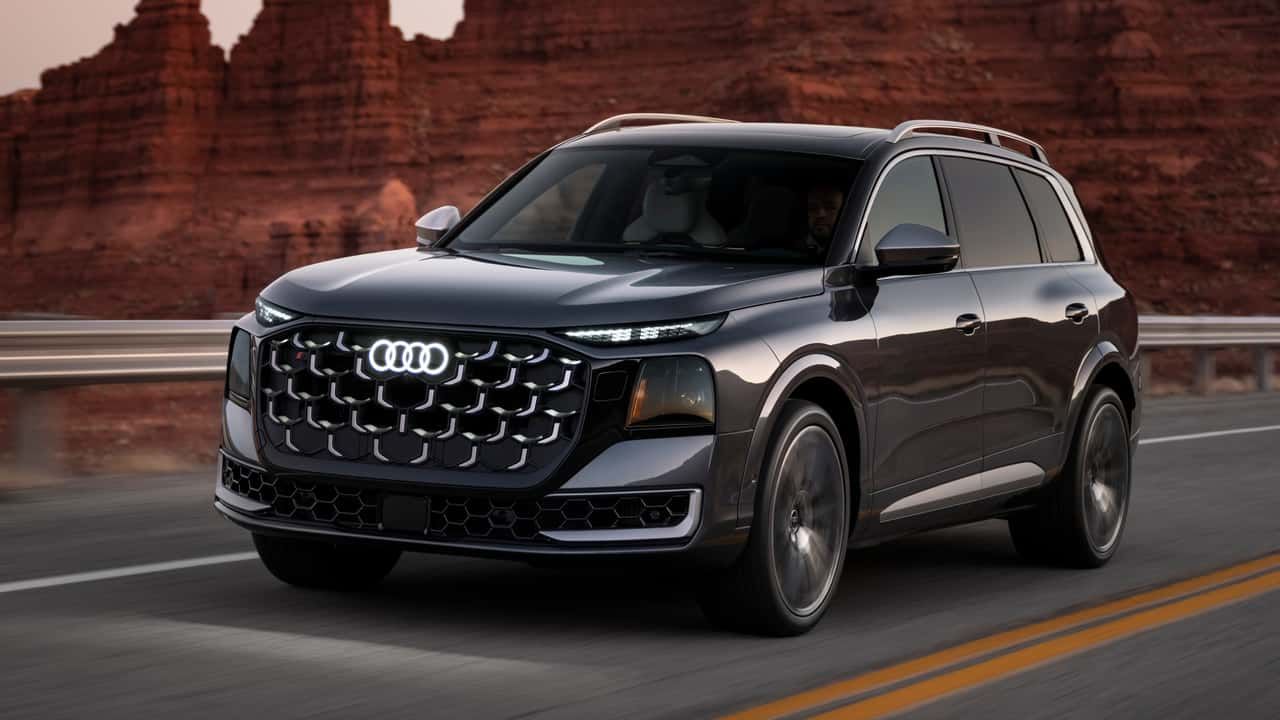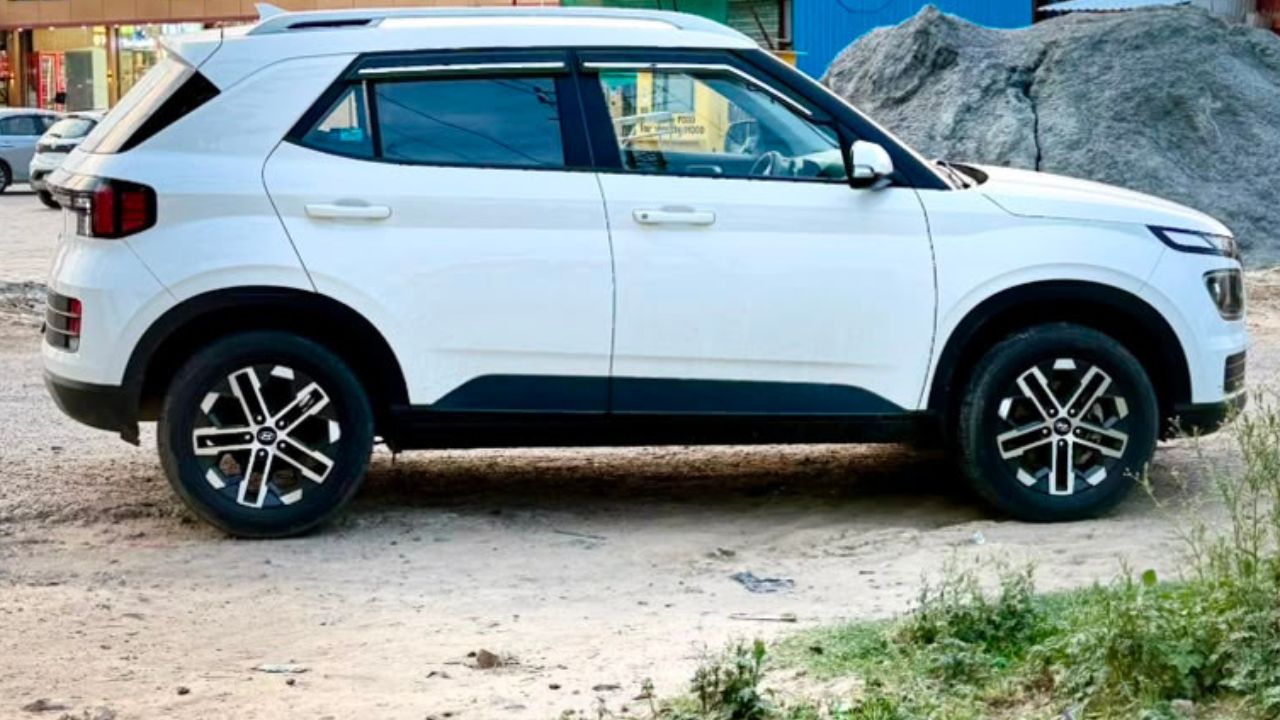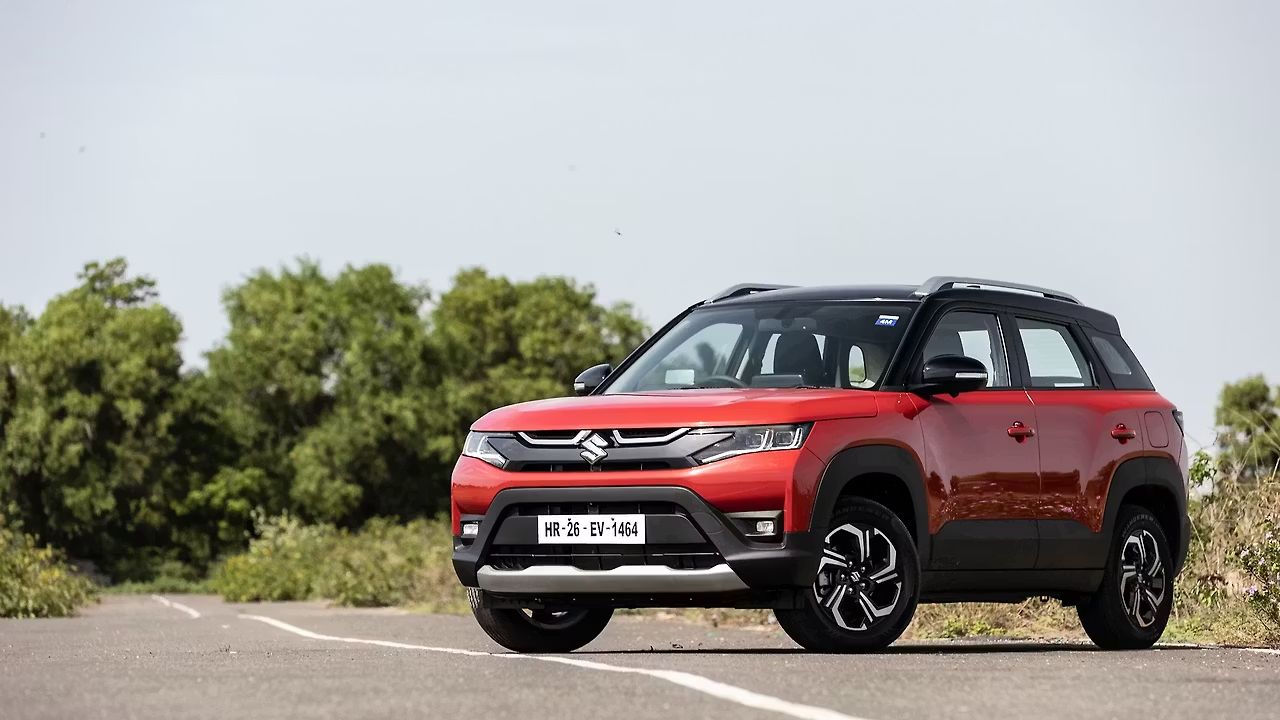
The Indian automotive market has completed a massive transition. In the financial year 2025 to 2026, utility vehicles account for roughly 65 percent of all passenger vehicle sales in the country. Buyers are completely moving away from traditional sedans and choosing sports utility vehicles. This change is visible on every city road and highway. You see fewer compact sedans and a massive increase in sub compact and mid size SUVs. The Tata Nexon alone sold over 2,16,000 units in the past year. Buyers want space, high ground clearance, and multiple engine options. When you purchase a car today, you look for practical benefits that match your daily commute and weekend travel requirements. Sedans restrict your ability to travel on poorly maintained roads. SUVs give you the mechanical capability to handle varied terrains without damaging your vehicle.
The Impact of Ground Clearance on Daily Commutes
Indian roads present unique challenges. You regularly encounter unexpected speed breakers, deep potholes, and waterlogged streets. High ground clearance is the primary reason buyers choose an SUV over a sedan. A sedan offers around 165 millimetres of ground clearance. Driving over steep speed breakers often scrapes the underbody, causing mechanical damage and expensive repairs.
SUVs solve this problem by offering significantly more space between the road and the vehicle chassis. Vehicles like the Mahindra Thar provide 226 millimetres of clearance. The Toyota Fortuner gives you 225 millimetres. Even compact front wheel drive SUVs offer between 190 and 205 millimetres of clearance. This extra 40 to 60 millimetres prevents underbody damage. You can drive through rough patches with complete confidence. Automakers install heavy duty multi link suspensions in SUVs to absorb harsh impacts 25 percent more effectively than sedan setups. You get a controlled ride on broken roads without feeling every bump.
Driving Position and Visibility
Your view of the road dictates your reaction time and overall safety. SUVs position your seat 150 to 200 millimeters higher than a sedan. This raised seating arrangement gives you a clear, commanding view of the traffic ahead. You can spot stalled vehicles, pedestrians, and potholes much earlier. In heavy urban traffic, this superior visibility reduces your blind spots by 30 to 40 percent.
In a sedan, you sit close to the ground. Taller vehicles block your forward visibility. This low seating posture increases driver fatigue over long distances because you strain to see the road. The tall stance of an SUV eliminates this issue. You sit upright, which supports your lower back and reduces physical strain during a long commute. The large glass areas on SUVs also improve side visibility. You find it easier to merge into fast moving highway traffic or navigate tight parking structures.
Interior Dimensions and Passenger Comfort
Cabin space heavily influences car purchasing decisions. Families need vehicles that comfortably fit five adults and their luggage. SUVs feature tall rooflines and wide bodies. This architectural design translates into massive interior volume. You get 20 to 30 percent more shoulder room and legroom compared to a sedan in the same price bracket.
Specific automotive specifications prove this advantage. The Mahindra XUV700 provides 1,105 millimetres of rear leg space, whereas a competing mid size sedan offers only 890 millimetres. This difference determines passenger comfort on long highway trips. SUVs also offer excellent headroom so taller passengers do not rub their heads against the ceiling. The boot space is highly practical, offering 500 to 800 litres of cargo capacity in larger models. You can fold the rear seats flat to transport bulky items like furniture or bicycles. A sedan has a sealed trunk that limits the shape and size of the cargo you can carry.
Powertrain Options and Fuel Flexibility
Automakers now offer a diverse range of powertrains specifically tailored to their SUV lineups. You have the freedom to choose an engine that matches your exact driving habits. Sedans often lack this variety in the current market.
Here are the primary powertrain options driving SUV sales:
- Petrol engines cater to buyers who want smooth city drives, quiet cabins, and lower initial purchase prices.
- Diesel engines provide the heavy low end torque required to pull a fully loaded vehicle up steep hills.
- Compressed natural gas variants appeal to urban commuters looking for the lowest possible daily running expenses.
- Electric vehicle configurations lead the modern market, with models like the Tata Nexon EV offering zero tailpipe emissions and low maintenance costs.
- Hybrid systems combine a petrol engine with an electric motor to give you exceptional fuel efficiency in stop and go traffic.
Urban Friendly Dimensions of Compact SUVs
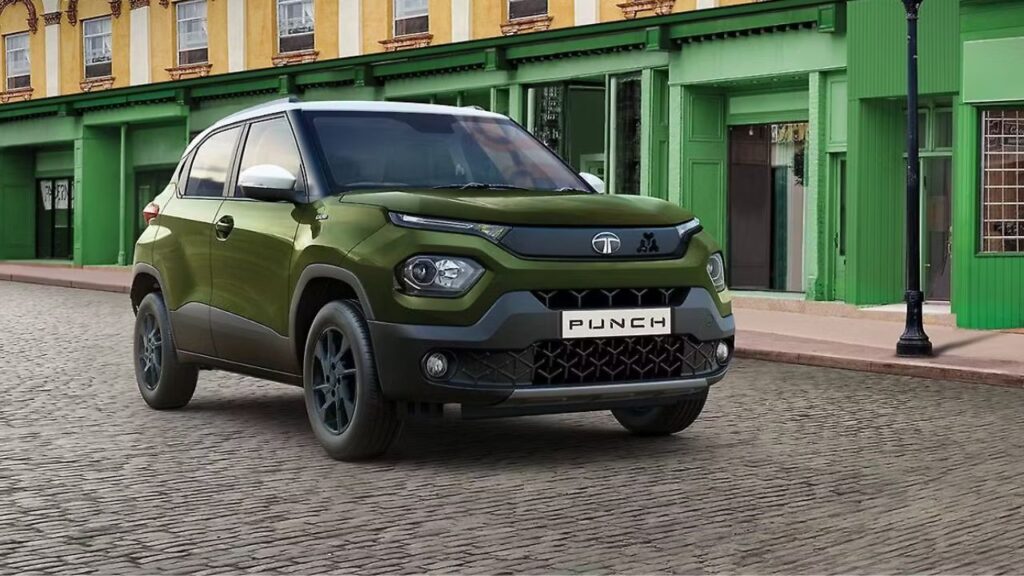
Many buyers worry that an SUV will be too difficult to park in a crowded city. Automakers solved this problem by creating the sub 4 metre compact SUV segment. These vehicles take up the exact same footprint as a premium hatchback. You get all the structural benefits of an SUV without the parking headaches.
Vehicles like the Tata Punch and Maruti Suzuki Brezza excel in urban environments. They measure under 4,000 millimetres in length. This short length gives them a tight turning radius. You can easily navigate narrow lanes, crowded markets, and small apartment parking spots. The government taxes vehicles under 4 metres at lower rates, and automakers pass these savings to you. You get a feature rich, tall vehicle at a price that rivals traditional sedans. This segment serves buyers who want small city cars with the stance of full size vehicles. It gives you maximum utility in a highly manageable size.
Analyzing Sales Data and Market Share
The sales figures from the financial year 2026 clearly demonstrate consumer preferences. Sedans now represent a small fraction of total passenger vehicle sales. The lists of top sellers are completely dominated by compact and mid size SUVs. Buyers spend their money on vehicles that offer maximum utility, and they are choosing taller vehicles.
Here is the sales data for the top performing SUVs in the financial year 2026:
| Model | Sales Volume FY 2026 | Vehicle Segment |
|---|---|---|
| Tata Nexon | 2,16,054 Units | Compact SUV |
| Hyundai Creta | 2,01,921 Units | Mid Size SUV |
| Tata Punch | 1,83,980 Units | Micro SUV |
| Maruti Suzuki Brezza | 1,75,000 Units | Compact SUV |
| Mahindra Scorpio N | 1,40,000 Units | Mid Size SUV |
These numbers prove that the market shift is permanent. Manufacturers are discontinuing slow selling sedans and redirecting their research budgets toward developing new SUV platforms. You benefit from this competition because automakers constantly upgrade their SUV models with better technology and safer structures to win your business.
Advanced Features at Accessible Prices
Modern SUVs come equipped with technology that was previously restricted to luxury vehicles. When you buy a compact SUV in 2026, you get access to advanced comfort and safety features. Manufacturers use these features to attract buyers away from the sedan market.
Here is a comparison of feature availability between typical SUVs and sedans in the same price range:
| Feature Category | SUV Availability | Sedan Availability |
|---|---|---|
| Panoramic Sunroof | Widely available across variants | Rare and limited to premium models |
| Advanced Driver Assistance | Common in mid to top trims | Limited to very few models |
| Ground Clearance | 190 to 235 millimetres | 160 to 170 millimetres |
| Seating Posture | Upright and commanding | Low and reclined |
| Cooling Systems | Ventilated seats are common | Ventilated seats are rare |
You get touchscreen infotainment systems, wireless phone charging, and automatic climate control as standard equipment on many SUVs. Panoramic sunroofs make the cabin feel open. You receive better value because automakers prioritize their SUV lineups when introducing technology.
The Economics of Ownership
You must consider the total cost of ownership before choosing an SUV. While they offer superior space and ground clearance, SUVs generally cost more to run than sedans. A sedan features a streamlined aerodynamic shape and a lighter kerb weight. This design helps a sedan return excellent fuel efficiency. Most sedans deliver 18 to 25 kilometres per litre on the highway.
SUVs weigh 25 to 50 percent more than sedans, and their boxy shapes create aerodynamic drag. Consequently, SUVs typically return 12 to 18 kilometres per litre. You will spend more money on fuel every month. Additionally, replacement parts cost more. SUV tyres measure 18 to 22 inches in diameter. A single SUV tyre costs 12,000 to 18,000 rupees, while a smaller sedan tyre costs around 8,000 rupees. Insurance premiums also run higher for SUVs due to their larger engine displacements and higher purchase prices. You trade lower running costs for increased utility and structural capability.
Safety Ratings and Structural Strength
Safety is a primary concern for Indian car buyers in 2026. Buyers check Global NCAP safety ratings before making a purchase. SUVs inherently provide a strong sense of security. Their tall structures and heavy frames offer excellent protection during collisions. When you sit higher, you are physically separated from the direct impact zone of lower vehicles.
Automakers build modern SUVs using high strength steel. They equip these vehicles with six airbags, electronic stability control, and roll over mitigation systems as standard. The democratization of Advanced Driver Assistance Systems further improves safety. Your SUV can automatically apply the brakes before a collision or warn you if you drift out of your lane. While modern sedans also feature high safety ratings, buyers perceive the bulk and weight of an SUV as a definitive safety advantage.
Making Your Decision
Choosing between an SUV and a sedan depends entirely on your daily routine. If you drive exclusively on well paved city roads and prioritize low running costs, a sedan remains a highly logical choice. Sedans offer unmatched fuel efficiency and cheaper maintenance.
However, if you encounter broken roads, carry large items, or frequently travel with a full cabin of passengers, an SUV is the better tool for the job. You get the necessary ground clearance to avoid underbody damage. You gain a commanding view of the road that makes driving less stressful. The sales numbers clearly show that a vast majority of buyers find the practical benefits of an SUV far outweigh the increased fuel and maintenance costs. You should evaluate your specific travel routes and budget to decide which vehicle format serves your needs the best.