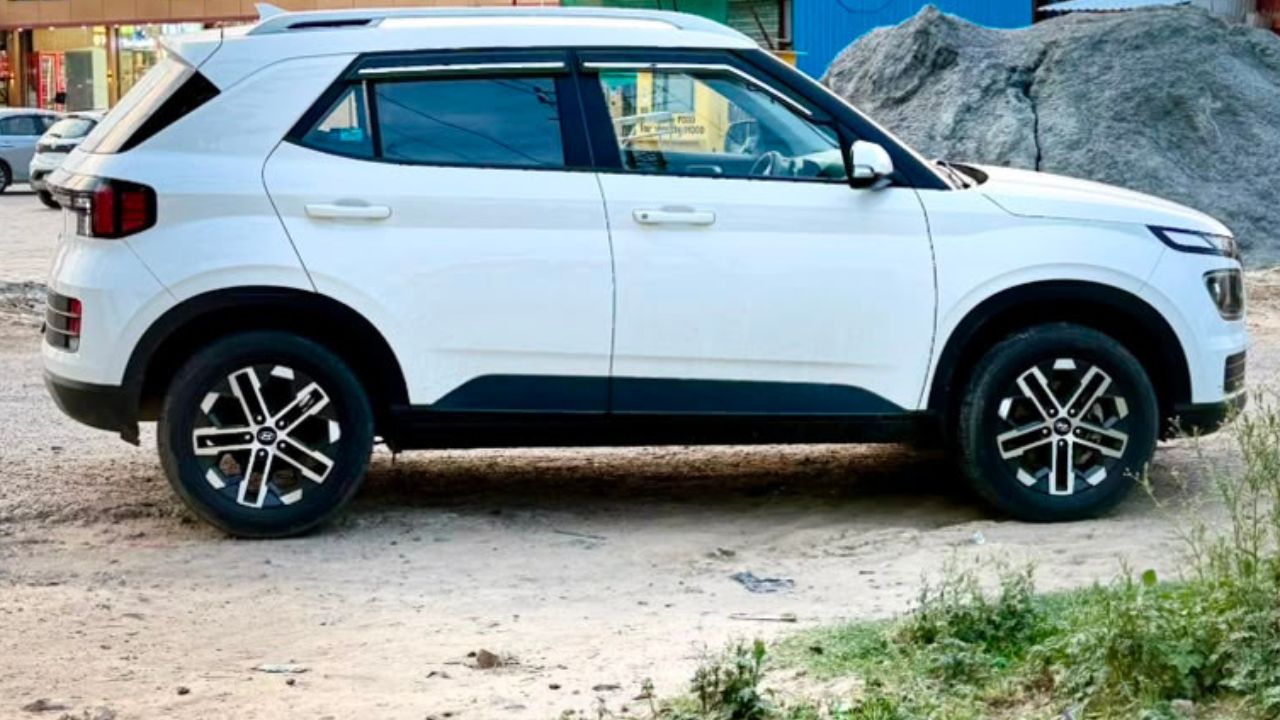
The Indian electric vehicle market presents you with a clear choice between two dominant manufacturers in 2026. Tata Motors commands the highest sales volume, holding a massive share of the electric passenger vehicle segment. MG Motor competes aggressively by introducing premium technology at accessible price points. When you decide to purchase an electric car, you must evaluate how these two brands approach vehicle design, battery performance, and software integration. Tata converts its existing, proven internal combustion engine vehicles into electric models while simultaneously developing dedicated electric architectures. MG brings born electric vehicles from its global portfolio and adapts them for Indian conditions. Choosing between Tata and MG requires you to look beyond the exterior styling and analyze their platforms, real world range, cabin electronics, and long term reliability.
Assessing the Product Portfolios
Tata Motors builds its strategy on market saturation. They offer an electric vehicle for nearly every budget and requirement. Your entry point is the Tiago EV, which serves as a highly practical city commuter. If you need a compact sport utility vehicle, you can choose the Punch EV. The Nexon EV remains the highest selling electric vehicle in the country, providing a balance of space, performance, and price. Tata recently expanded its upper segment with the Curvv EV and the upcoming Harrier EV, targeting buyers who want larger batteries and longer highway capabilities. This extensive lineup ensures that you stay within the Tata ecosystem regardless of your financial capacity. You can start with a 24 kilowatt hour battery in the Tiago and move up to a 75 kilowatt hour battery in the Harrier EV.
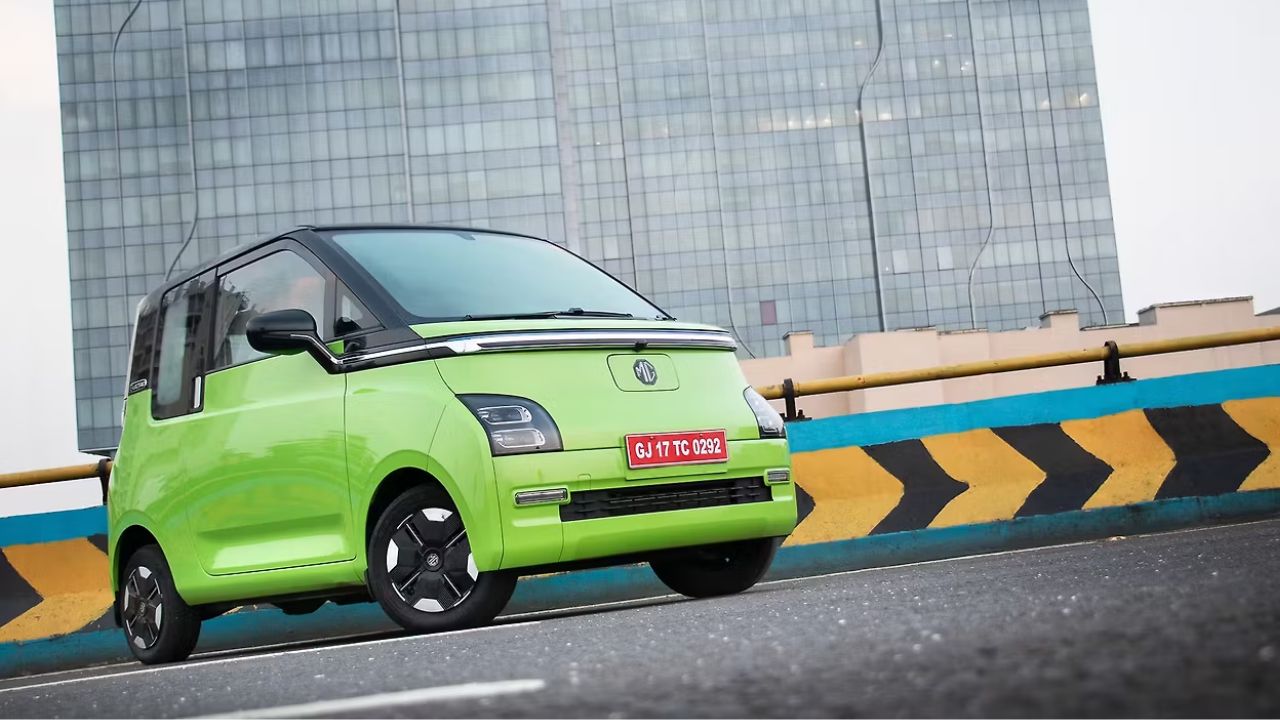
MG Motor operates with a highly targeted portfolio. They do not attempt to match Tata model for model. Instead, they launch specific vehicles that disrupt established segments. The Comet EV targets the ultra compact urban mobility sector. It features a two door design and a small footprint, allowing you to park in tight spaces easily. The Windsor EV acts as an intelligent crossover utility vehicle, offering massive cabin space and premium materials for families. The ZS EV competes directly with the upper variants of the Nexon EV and Curvv EV, giving you a refined driving experience and proven global technology. For the luxury segment, MG offers the Cyberster sports car and the M9 EV. MG focuses on maximizing interior technology and unique body styles rather than standardizing conventional shapes.
Technical Specifications and Performance Metrics
Comparing the technical output of these vehicles helps you understand what you receive for your money. Tata provides multiple battery options for almost every model. The Nexon EV gives you a choice between a 30 kilowatt hour medium range battery and a 40.5 kilowatt hour long range battery. This flexibility allows you to pay only for the range you actually need. Tata equips the new Punch EV and Curvv EV with the Acti.ev platform, which improves energy efficiency and creates more cabin space. The Acti.ev platform supports charging speeds up to 150 kilowatts, allowing you to charge from 10 to 80 percent in under 30 minutes on compatible fast chargers. You get robust torque delivery and multiple driving modes that actively change the vehicle’s behavior.
MG Motor equips its vehicles with prismatic cell batteries that prioritize thermal stability and longevity. The ZS EV features a 50.3 kilowatt hour battery pack, delivering 176.75 horsepower and 280 newton meters of torque. You experience rapid acceleration and sustained highway speeds without sudden power drops. The Windsor EV provides a 38 kilowatt hour battery, focusing on urban efficiency and smooth power delivery rather than outright acceleration. MG consistently optimizes their battery management systems to reduce standby drain. When you park your MG for several days, you will notice minimal battery percentage loss.
Here is a comparison of the primary models available from both manufacturers in 2026.
| Brand | Model | Battery Capacity | Claimed Range | Starting Price |
| Tata | Tiago EV | 19.2 to 24 kWh | 250 to 315 km | Rs 7.99 Lakh |
| MG | Comet EV | 17.3 kWh | 230 km | Rs 7.50 Lakh |
| Tata | Punch EV | 25 to 35 kWh | 315 to 421 km | Rs 9.69 Lakh |
| MG | Windsor EV | 38 kWh | 331 km | Rs 14.10 Lakh |
| Tata | Nexon EV | 30 to 40.5 kWh | 325 to 465 km | Rs 12.49 Lakh |
| Tata | Curvv EV | 45 to 55 kWh | 502 to 585 km | Rs 16.99 Lakh |
| MG | ZS EV | 50.3 kWh | 461 km | Rs 17.99 Lakh |
Battery Technology and Platform Design
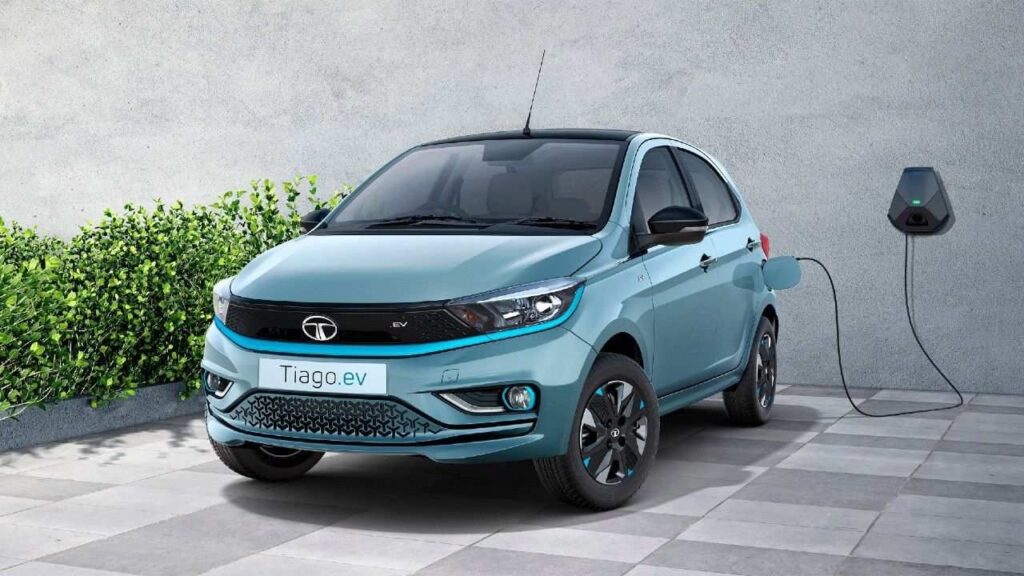
The foundation of an electric vehicle dictates its long term viability. Tata Motors transitions from internal combustion engine conversions to dedicated electric platforms. Early models like the Nexon EV and Tiago EV share their chassis with petrol counterparts. This approach limits maximum battery size and slightly compromises interior floor space. However, Tata addresses these issues with the new Acti.ev architecture. This dedicated electric platform houses the battery pack securely between the axles. It features an integrated six in one drive unit that combines the motor, inverter, and controller. You benefit from reduced weight, better thermal management, and a flat cabin floor. Tata uses lithium iron phosphate chemistry, which handles the hot Indian climate exceptionally well and allows you to charge to 100 percent regularly without degrading the cells.
MG Motor utilizes born electric architectures across its entire lineup. The Comet EV sits on the Global Small Electric Vehicle platform. This design maximizes interior volume while keeping the exterior dimensions tiny. The wheels sit at the absolute corners of the vehicle. The ZS EV and Windsor EV also use platforms designed specifically for electric propulsion. MG employs advanced liquid cooling systems that maintain optimal battery temperatures during continuous fast charging sessions. This thermal regulation ensures your battery accepts charge quickly and maintains consistent output during long summer highway drives. The structural integration of the battery pack in MG vehicles also contributes to high torsional rigidity, which improves handling and crash safety.
Software, Features, and Cabin Experience
Electric vehicle buyers expect advanced technology inside the cabin. MG Motor positions itself as a technology company that builds cars. When you step into the Windsor EV or ZS EV, you immediately notice the massive digital displays. MG equips the Windsor EV with a 15.6 inch central touchscreen and a fully digital instrument cluster. The user interface resembles a high end tablet. You control nearly every vehicle function through the screen. MG integrates its i-Smart system, offering over 55 connected car features, wireless Apple CarPlay, and Android Auto. You get unique additions like digital keys with Bluetooth technology and advanced voice commands. The material quality in MG cabins feels decidedly premium, with soft touch plastics, leatherette upholstery, and panoramic sunroofs available in most trims.
Tata Motors completely revamped its cabin experience to compete with international brands. The Punch EV, Nexon EV, and Curvv EV feature a new digital cockpit design. You get a 10.25 inch or 12.3 inch touchscreen infotainment system depending on the model. Tata introduces the Arcade.ev app suite, allowing you to watch videos or play games while waiting at a charging station. The digital instrument cluster integrates navigation maps directly into your line of sight. Tata includes physical toggle switches for essential climate controls, which you might find easier to use while driving compared to screen based controls. You also receive features like ventilated front seats, premium audio systems, and electronic parking brakes. Tata focuses heavily on practical comfort, whereas MG prioritizes a futuristic, screen dominated environment.
Strengths and Weaknesses
Understanding the specific advantages of each brand helps you align your purchase with your priorities. Both manufacturers excel in different areas.
Tata Motors Advantages:
- You have access to a massive service network that reaches tier two and tier three cities easily.
- You can choose from a wide variety of body styles and price points.
- You receive high ground clearance on models like the Nexon EV and Punch EV, preventing underbody scrapes on rough roads.
- You get robust suspension setups designed specifically for harsh Indian road conditions.
MG Motor Advantages:
- You interact with superior cabin technology, larger screens, and smoother software interfaces.
- You experience excellent build quality with premium materials and minimal panel gaps.
- You benefit from born electric platforms that maximize interior passenger space.
- You get unique urban mobility solutions like the Comet EV for extreme city congestion.
Charging Infrastructure and After Sales Support
Owning an electric vehicle requires reliable after sales support. Tata Motors holds a significant advantage in sheer numbers. Because Tata sells internal combustion engine vehicles alongside electric models, they possess an extensive dealership network across the country. You can find a Tata service center in almost every major town. Furthermore, Tata Power actively installs fast chargers along major highways and inside city limits. When you buy a Tata EV, you gain access to a rapidly expanding ecosystem. However, due to the high volume of cars sold, you might experience longer wait times at service centers. Some owners report software bugs in the early production batches of new Tata models, requiring dealership visits for updates.
MG Motor operates a smaller, more focused dealership network. You will primarily find MG showrooms and service centers in tier one and large tier two cities. If you live outside these areas, accessing routine service or emergency repairs can be difficult. To counter this, MG provides comprehensive warranty packages and roadside assistance programs. You get a reassuring ownership experience through their dedicated customer service channels. MG dealerships often install fast chargers on their premises, which you can use if you own an MG vehicle. The reliability of MG software and hardware is generally strong, resulting in fewer unscheduled visits to the service center. You trade the widespread availability of Tata for a more personalized service experience with MG.
Which Brand Should You Choose?
Your final decision between Tata EVs and MG EVs depends on where you live and how you use the car. If you require a vehicle with high ground clearance for broken roads, prefer physical climate controls, and want the reassurance of a massive service network, you should buy a Tata EV. The Punch EV and Nexon EV offer exceptional value, rugged build quality, and practical features for daily Indian driving conditions. You get a vehicle built to handle abuse while keeping running costs low.
Conversely, if you live in a major metropolitan area and prioritize cabin luxury, you should choose an MG EV. The Windsor EV and ZS EV provide smoother software, more passenger space, and a premium interior feel that rivals entry level luxury cars. The Comet EV is the perfect second car for running local errands in dense traffic. You will pay slightly more for comparable range, but you receive a more refined technological experience. Both brands build capable electric vehicles, so you must weigh practicality and network size against premium features and software sophistication.