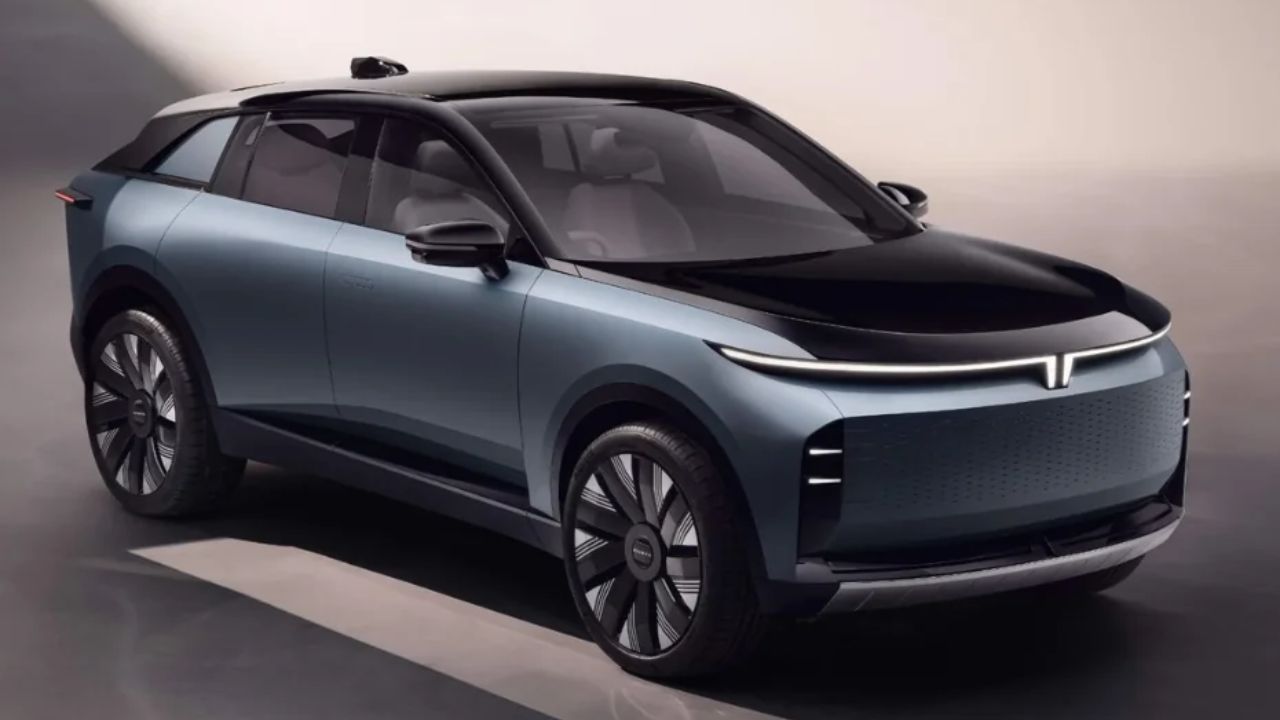
If you are following the Indian electric vehicle market, you have likely seen the discussions surrounding the Tata Avinya. Tata Motors unveiled this concept car to demonstrate their future direction for premium electric mobility. The manufacturer plans to launch the production version of the Avinya in late 2026 or early 2027. Unlike standard car launches, the company intends to use the Avinya nameplate as an entirely new premium sub brand. This brand will eventually include multiple body styles, including sports utility vehicles and multi purpose vehicles. Because the vehicle remains in the development phase, you must remember that Tata Motors has not confirmed the final production specifications. The details currently available stem from the concept vehicle presentations and official corporate roadmaps. We will examine the anticipated design elements, platform architecture, battery expectations, and interior layout of the Tata Avinya based on the information provided by the company so far to help you understand what to expect.
Exterior Design and Catamaran Inspiration
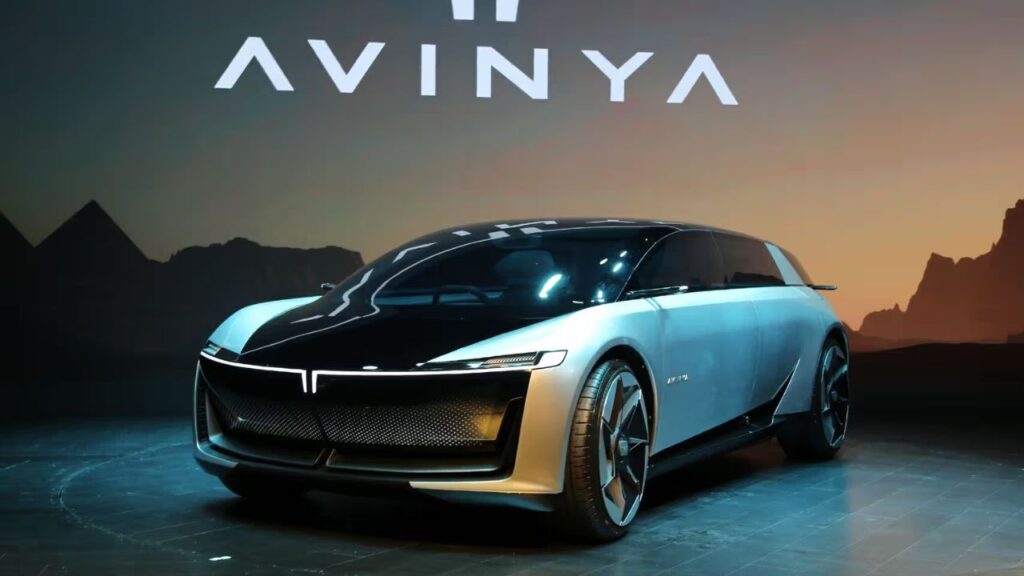
The exterior design of the Tata Avinya concept departs from conventional vehicle categories. The designers at Tata Motors created a shape that blends the tall stance of a sports utility vehicle with the practical space of a multi purpose vehicle and the agility of a premium hatchback. The company states the design takes inspiration from a catamaran boat, resulting in a wide and aerodynamic footprint. The front profile features a minimalist approach to lighting. You will notice a large illuminated Tata logo that extends outward into slim LED daytime running lights. These lights span the entire width of the front fascia.
The side profile reveals extremely short front and rear overhangs. Pushing the wheels out to the extreme corners of the vehicle maximizes the interior cabin space. The concept vehicle sits on massive 22 inch alloy wheels featuring a distinct swirl pattern. One of the most striking features of the concept is the door design. The vehicle utilizes large butterfly doors that open outward and upward, completely eliminating the traditional central pillar. While these doors look visually impressive on a concept car, production vehicles often revert to standard hinged doors for safety and manufacturing reasons. The rear of the car mirrors the front with a continuous, ultra slim LED light strip acting as the tail lamp. The body is finished in a unique color called Samudra, reflecting the tones of ocean water. The paint process uses specialized reflective pigments that change slightly depending on the viewing angle and the ambient lighting conditions. This attention to detail emphasizes the premium positioning of the vehicle.
Platform and Structural Engineering
The mechanical foundation of the Tata Avinya represents a major shift for the company. The vehicle will utilize the Electrified Modular Architecture. Tata Motors secured a licensing agreement to use this advanced platform from their luxury subsidiary, Jaguar Land Rover. The company refers to this as their Generation 3 electric vehicle architecture. Older electric vehicles from the brand relied on modified internal combustion engine platforms. This new architecture is built strictly and exclusively for electric powertrains.
This dedicated electric platform allows engineers to completely flatten the cabin floor. Without the need for a transmission tunnel or exhaust routing, the interior space increases dramatically. The wheels are pushed out to the far edges of the frame, which improves high speed stability and gives the vehicle a confident stance on the road. The Electrified Modular Architecture also supports advanced driver assistance systems. The structural engineering focuses heavily on battery protection and passenger safety. The platform incorporates high strength materials designed to absorb impact energy efficiently during a collision.
Furthermore, the architecture guarantees high levels of water and dust resistance, meeting strict global engineering standards. This ensures the electrical components remain safe even during heavy Indian monsoons or on rough, unpaved roads. The suspension tuning will likely benefit from Jaguar Land Rover engineering, resulting in a vehicle that absorbs potholes efficiently while maintaining tight body control through sharp corners.
| Platform Feature | Expected Benefit |
| Electrified Modular Architecture | Provides a completely flat interior floor |
| Jaguar Land Rover Engineering | Ensures premium ride quality and handling |
| Generation 3 Design | Exclusively built for electric powertrains |
| High Strength Casing | Protects the battery pack from physical impacts |
Interior Cabin and Minimalist Philosophy
When you look inside the Tata Avinya concept, you immediately notice the complete absence of massive digital screens. Modern cars typically feature highly complex touchscreen interfaces that dominate the dashboard. Tata Motors chose a completely different direction. The designers aim to reduce driver distraction and create a calming environment. The interior focuses on sensory experiences rather than visual overload.
Instead of a central touchscreen, the dashboard features a soundbar covered in premium fabric. The vehicle relies heavily on an intelligent voice assistant to control the climate, navigation, and media functions. Essential driving information, such as your speed and remaining battery range, appears on a slim digital display integrated directly into the steering wheel rim. The concept vehicle replaces traditional side mirrors with high definition cameras. These cameras project live video feeds onto small screens located near the front pillars.
The seating arrangement prioritizes extreme comfort. The front seats in the concept vehicle have the ability to rotate, making it easier for passengers to enter and exit. The rear seats feature a lounge style bench design, offering massive legroom. Natural light enters the cabin through a large panoramic glass roof. The company committed to using sustainable and recycled materials throughout the interior, avoiding traditional leather in favor of eco friendly fabrics. The cabin also includes hidden air conditioning vents and an integrated aroma diffuser to maintain a fresh environment.
Here is a list of the anticipated interior features you can expect in the production model:
- A completely screenless main dashboard design to minimize driver distraction and improve focus.
- Advanced voice activated controls for all media, navigation, and climate functions.
- Sustainable and recycled fabric upholstery utilized instead of traditional animal leather.
- Lounge style rear seating combined with a completely flat floorpan for maximum comfort.
- Integrated aroma diffusers and hidden climate control vents to maintain a fresh, relaxing environment during stressful commutes.
Anticipated Battery Technology and Range
The success of any premium electric vehicle depends heavily on its battery performance. While Tata Motors has not released the exact battery capacity figures in kilowatt hours, they have provided clear targets for the Avinya production models. The Generation 3 architecture accommodates much larger battery packs than the current vehicles in the company lineup. The manufacturer claims the Avinya will deliver a minimum driving range of 500 kilometers on a single full charge.
This extended range makes the vehicle highly suitable for long highway trips between major cities. To support long distance travel, the electrical architecture supports ultra fast DC charging. According to the initial concept presentations, the vehicle can add 500 kilometers of driving range in under 30 minutes when connected to a compatible high speed charging station. This charging speed significantly reduces the waiting time during road trips.
The actual real world range will naturally vary based on your driving style, the ambient temperature, and your use of the air conditioning system. However, the aerodynamic exterior design plays a massive role in reducing wind resistance, which helps the battery maintain its charge at higher highway speeds. The Electrified Modular Architecture allows the vehicle to support multiple battery sizes. The company might offer a standard range battery for city commuters and a more expensive, high capacity battery for buyers who frequently travel across states. The electric motors will likely sit on both the front and rear axles, providing an all wheel drive configuration for the higher priced variants.
| Battery and Range Specification | Anticipated Details |
| Minimum Target Range | 500 Kilometers |
| Fast Charging Capability | Adds 500 km range in under 30 minutes |
| Architecture Support | Multiple battery sizes and configurations |
| Drivetrain Options | Front wheel drive and all wheel drive |
Expected Pricing and Market Positioning
Positioning the Avinya as a premium brand means the pricing will sit significantly higher than current electric vehicles from the manufacturer. Industry analysts expect the first production models to carry a price tag ranging between Rs 30 Lakh and Rs 60 Lakh ex showroom. This pricing strategy places the Avinya directly above the upcoming Tata Sierra electric vehicle but keeps it below the imported luxury vehicles from European manufacturers.
When the Avinya officially arrives in showrooms around late 2026 or early 2027, it will face strong competition in the Indian market. Buyers evaluating the Avinya will likely compare it against the BYD Atto 3, the BYD Seal, and the upcoming Mahindra XEV 9e and BE 6 models. The success of the Avinya will depend on how closely the production vehicle matches the promises made by the concept. If Tata Motors successfully delivers the 500 kilometer range, the 30 minute fast charging, and the premium Jaguar Land Rover based platform, the Avinya will serve as a strong option for buyers looking to upgrade to a high end electric vehicle.
You should monitor official announcements from Tata Motors as 2026 progresses. The company will eventually reveal the final production design, the exact battery specifications, and the official booking dates. Dealerships will likely begin accepting unofficial expressions of interest a few months before the actual launch. Preparing your finances and understanding your charging infrastructure options at home will help you make a quick decision when the vehicle finally becomes available. Until that official launch occurs, the Tata Avinya remains one of the most highly anticipated concept vehicles transitioning into a reality for the Indian automotive market.