Families plan long road trips every summer. You pack heavy bags, you need massive space. The Toyota Innova Crysta defined this specific passenger segment for years. Fleet operators buy them constantly. Private buyers trust the Japanese badge completely. Toyota just launched the updated 2026 model in India. Dealerships started accepting official bookings this morning. You want a tough diesel MPV. This specific vehicle remains the default choice for many.
The updated model brings subtle visual changes. Toyota kept the mechanical foundations mostly identical. The ladder-frame chassis survives terrible village roads. The rear-wheel-drive setup handles steep mountain inclines easily. The market shifted toward petrol hybrids recently. Many buyers still demand the raw pulling power of a turbocharged diesel engine. Toyota listens to these specific customers. They kept the diesel production lines running.
Exterior Design and Physical Dimensions
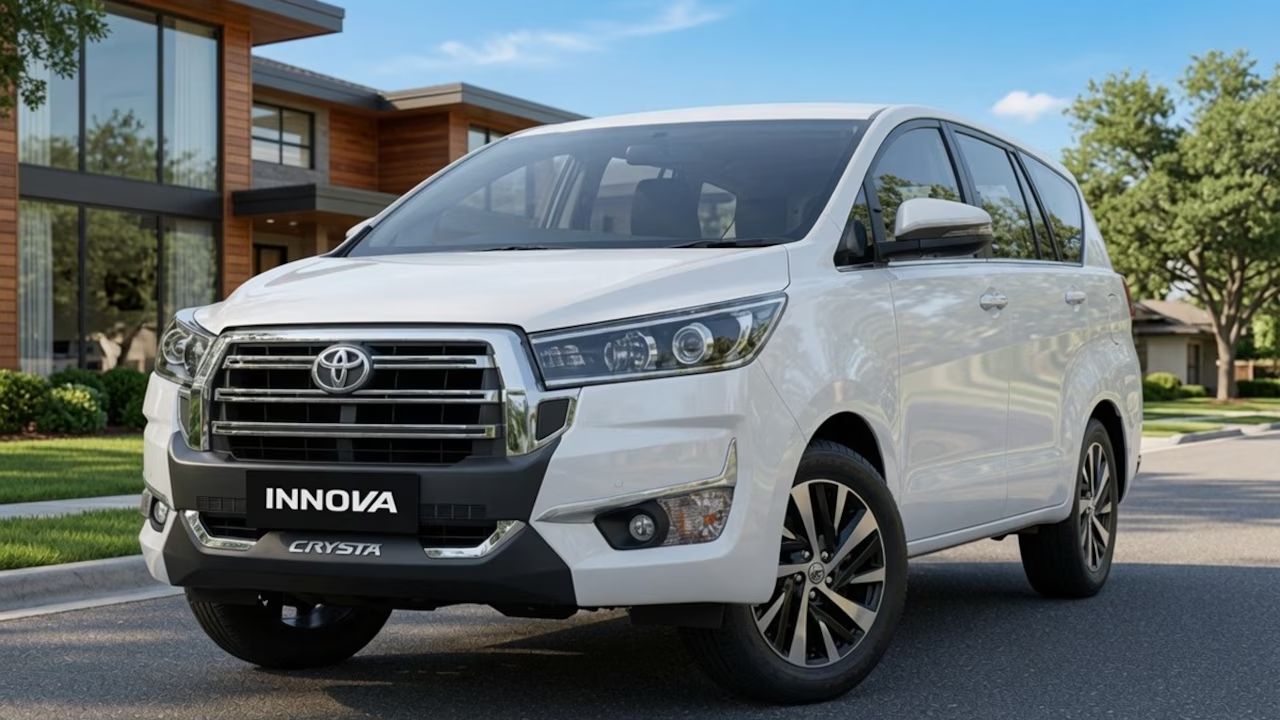
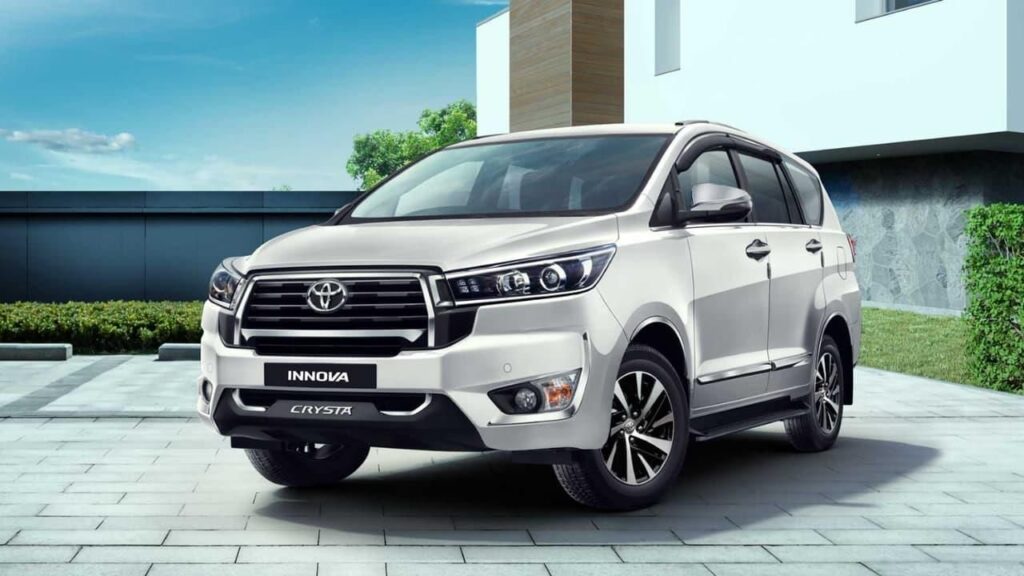
The front fascia gets a heavy redesign this year. Toyota installed a wider trapezoidal grille, the plastic slats look much thicker now. The old halogen headlights disappear completely. You get bright LED projector lamps on the top variants. The front bumper houses new fog lamp enclosures. The turn indicators sit much lower on the bumper plastic. You look at the car from the front, it looks slightly more aggressive.
The side profile looks exactly the same as the older models. The factory stamps the exact same metal doors. The large glass windows provide excellent visibility for all passengers. The car sits on 17-inch diamond-cut alloy wheels. Base models receive 16-inch steel rims with plastic covers. The wheel arches look slightly flared. The overall ground clearance remains exactly the same at 178 millimeters. You clear large speed breakers without scraping the metal underbelly.
You walk to the back, the visual changes are minimal. The taillights feature a slightly darker red housing. The thick chrome strip above the license plate remains completely untouched. A small roof spoiler integrates the high-mount stop lamp. The rear wiper and defogger come standard on the middle variants. The physical footprint of the vehicle remains massive. You need a large parking space to fit this car properly.
Physical Size and Dimensions
| Vehicle Dimension | Measurement in Millimeters |
| Total Overall Length | 4735 mm |
| Total Overall Width | 1830 mm |
| Total Overall Height | 1795 mm |
| Total Wheelbase | 2750 mm |
Interior Cabin and Seating Space
You spend all your time inside the cabin. Toyota knows this perfectly, they updated the dashboard plastics. The hard grey materials feel slightly softer now. The driver gets an 8-inch touchscreen display. It looks small by modern automotive standards. It supports Android Auto and Apple CarPlay through a wired connection. Wireless phone connectivity remains completely absent. The traditional analog dials stay behind the heavy steering wheel. A small digital screen shows your exact fuel economy numbers.
You want luxury, you look at the seats. The top variants offer perforated leather upholstery. The seats provides excellent lower back support for long highway drives. The driver gets an eight-way power-adjustable seat mechanism. The passenger seat uses manual adjustment levers. The physical air conditioning buttons sit right below the touchscreen display. You press a real button to lower the temperature. You do not have to dig through complex digital menus.
The second row remains the absolute best place to sit. You can choose individual captain chairs, you can pick a standard flat bench. Toyota includes small fold-out tray tables for the middle passengers. They hold a small water bottle easily. Air conditioning vents sit flush inside the fabric roof. The rear passengers control their own fan speed. The windows roll down completely. You get dedicated reading lamps above the doors.
The third row serves a very specific purpose. Small children sit there very comfortably. Adult passengers will complain after one hour. Your knees point upward, the seat cushion sits very low to the floor. Accessing the third row requires tumbling the middle seats forward. You fold the third row up against the side windows. This creates a massive cargo area. You can fit four large travel suitcases easily. You fold all rear seats flat, you can transport heavy furniture.
Engine Specifications and Gearbox Options
Toyota sell this specific model with one engine option only. The strict government emission rules killed the old petrol variant entirely. You only get the proven 2.4-litre turbocharged diesel motor. This four-cylinder engine produces exactly 148 horsepower. The torque figures hit 343 Nm at just 1400 rpm. You start the engine, the whole cabin vibrates slightly. Diesel clatter enters the cabin at high engine speeds.
The low-end torque helps you overtake heavy trucks on the highway. You press the accelerator pedal, the car moves forward steadily. You do not get massive acceleration. You get reliable, consistent pulling power. A fully loaded car climbs steep hills without dropping speed. The heavy engine block uses a timing chain instead of a rubber belt. This metal chain lasts for lakhs of kilometers without requiring replacement.
The gearbox choices remain very simple for the buyer. You can pick a five-speed manual transmission. You can also select a six-speed torque converter automatic. The manual gearbox features very long physical throws. The clutch pedal feels quite heavy in stop-and-go traffic. Your left leg gets tired after an hour. The automatic transmission solves this exact problem perfectly. It shifts gears smoothly, it keeps the engine rpm very low.
Powertrain and Performance Data
| Technical Category | Specification Details |
| Engine Displacement Volume | 2393 cc Diesel |
| Maximum Horsepower | 148 hp @ 3400 rpm |
| Maximum Peak Torque | 343 Nm @ 1400-2800 rpm |
| ARAI Certified Fuel Economy | 15.3 Kilometers Per Litre |
| Total Fuel Tank Capacity | 55 Litres |
Ride Quality and Suspension Tuning
The heavy ladder-frame chassis adds massive physical weight to the vehicle. The suspension uses a double wishbone setup at the front axle. The rear gets a four-link setup with heavy coil springs. You drive over a broken road, the car shakes. The suspension absorbs large deep potholes easily, small bumps enter the cabin directly. Toyota tuned the springs to carry heavy passenger loads. An empty car bounces around on uneven concrete surfaces.
The ride quality improves massively when you load the car. You put seven heavy adults inside, the suspension settles down completely. The physical weight presses the tires into the tarmac. The heavy hydraulic steering requires actual physical effort during tight parking maneuvers. It feels very heavy at zero speed. High-speed stability remains excellent on flat concrete expressways. Strong crosswinds do not affect the heavy metal body. You hold the steering wheel straight, the car tracks perfectly straight.
Braking Hardware and Safety Features
The heavy curb weight requires very strong brakes. Toyota uses large ventilated disc brakes at the front wheels. The rear wheels still use traditional mechanical drum brakes. This setup sounds outdated for a car in this price bracket. The actual braking performance remains completely adequate for daily use. You press the brake pedal hard, the car stops straight. The nose dives slightly under heavy emergency braking. The 17-inch tires offer thick rubber sidewalls. These thick sidewalls prevent expensive wheel rim damage on deep highway potholes.
Indian buyers care about crash safety ratings now. The 2026 Innova Crysta covers the basic requirements perfectly. The base models include three airbags standard. The top variants get seven total airbags. You get vehicle stability control, you get electronic hill start assist. Anti-lock brakes and electronic brakeforce distribution come standard across all variants.
Here are the standard safety features included:
- Seven SRS airbags on top models.
- Electronic vehicle stability control system.
- ISOFIX child seat mounting anchors.
- Front and rear parking sensors.
- Speed-sensing automatic door locks.
The physical metal shell feels incredibly strong. The doors close with a heavy solid thud. Toyota does not offer advanced driver assistance systems on this specific model. You do not get automatic emergency braking. You do not get blind spot monitoring or lane keeping assist. You must rely on your own physical driving skills entirely.
Variant Breakdown and Features
Toyota structures the variant lineup to target different types of buyers. They offer the GX, VX, and ZX trim levels. You must pick the right variant based on your exact daily needs. The price jumps significantly between each specific trim level.
The GX variant serves the commercial fleet operators mostly. It comes with basic fabric seats, it misses out on the large touchscreen. You get manual air conditioning controls. It provides the exact same mechanical reliability for much less money. Fleet owners buy this variant, they add aftermarket seat covers later.
The VX variant targets middle-class families directly. It adds the factory touchscreen, it brings automatic climate control. The alloy wheels make the exterior look much better in your driveway. You get premium fabric seats, you get a leather-wrapped steering wheel. This variant offers the absolute best value for private buyers.
The ZX variant sits at the absolute top of the range. It offers soft leather seats, it gives you the maximum number of safety airbags. You get power-adjustable driver seats. The exterior gets extra chrome strips around the windows. The price gap between the VX and ZX models is massive. You pay a high premium for luxury features.
| Trim Level | Seating Options | Material Finish | Entertainment Unit | Safety Setup | Target Market |
| GX | 7-Seater / 8-Seater | Standard Grey Fabric | No Factory Screen | Three Standard Airbags | Fleet Operators and Taxi Drivers |
| VX | 7-Seater / 8-Seater | Premium Woven Fabric | 8-inch Touchscreen | Three Standard Airbags | Middle-Class Private Families |
| ZX | 7-Seater Only | Perforated Leather | 8-inch Touchscreen | Seven Total Airbags | Luxury Buyers and Corporate Executives |
Pricing Structure and Real-World Value
The showroom prices increased slightly for the 2026 model year. Toyota charges a massive premium for their long brand reputation. The entry-level GX variant starts at Rs 19.99 lakh. The fully loaded ZX automatic reaches Rs 26.50 lakh. These numbers represent the ex-showroom prices before local taxes. You add your state road taxes and comprehensive vehicle insurance. The final on-road price crosses thirty lakh rupees in many states.
Ex-Showroom Variant Pricing
| Specific Variant Name | Ex-Showroom Price (INR) |
| GX Manual 7-Seater | Rs 19.99 Lakh |
| VX Manual 7-Seater | Rs 24.39 Lakh |
| VX Automatic 7-Seater | Rs 25.89 Lakh |
| ZX Automatic 7-Seater | Rs 26.50 Lakh |
This represents a huge amount of money for a basic diesel MPV. People pay it completely willingly. Owning a Toyota diesel MPV brings extreme peace of mind. The service intervals arrive every 10,000 kilometers. The routine engine oil change costs very little. Factory mechanics rarely find unexpected mechanical failures. The interior cabin plastics resist heavy daily scratching. Children can abuse the rear seats, the materials survive the punishment.
The resale value remains absurdly high in the used car market. You drive this car heavily for five straight years. You put one lakh kilometers on the odometer. You sell it for seventy percent of your original purchase price. No other car in India holds its exact financial value this well.
Market Context
The market offers very few direct alternatives right now. The Mahindra XUV700 provides much more modern technology. It gives you massive bright digital screens, it includes full ADAS safety features. The XUV700 feels lighter and much faster on the road. The third row feels very cramped compared to the spacious Toyota.
The Tata Safari offers great modern exterior styling. It has a very comfortable interior cabin. Tata struggles with long-term electronics reliability issues sometimes. The Innova Crysta just works perfectly every single day. The local mechanics understand the simple engine layout perfectly. Factory spare parts are available in every small rural town.
The 2026 update keeps the old successful formula completely intact. Toyota did not change the core mechanical bits at all. They updated the front plastic styling, they added a few minor interior cabin features. You want a high-tech modern computer on wheels, you look elsewhere. You want a durable transport vehicle, you buy this exact one. The dealership network handles servicing efficiently. The running costs remain highly predictable over time. You book the car today, you wait three months for physical delivery. The heavy market demand never seems to drop.