The Indian hatchback market is highly aggressive right now. You walk into a dealership today. You expect modern technology immediately. Car makers know this reality perfectly well. Tata Motors launched the 2026 Tiago facelift in late May. Hyundai updated the Grand i10 Nios with the Vibe Edition earlier in April. Both cars want your hard-earned money, both promise an excellent daily driving experience. The competition feels completely fierce. You need to know which car actually delivers real value on the actual road. We test both models thoroughly. We examine the exact specifications closely. You make the final purchasing decision based entirely on hard facts.
Design Wars: Which Hatchback Actually Turns Heads?
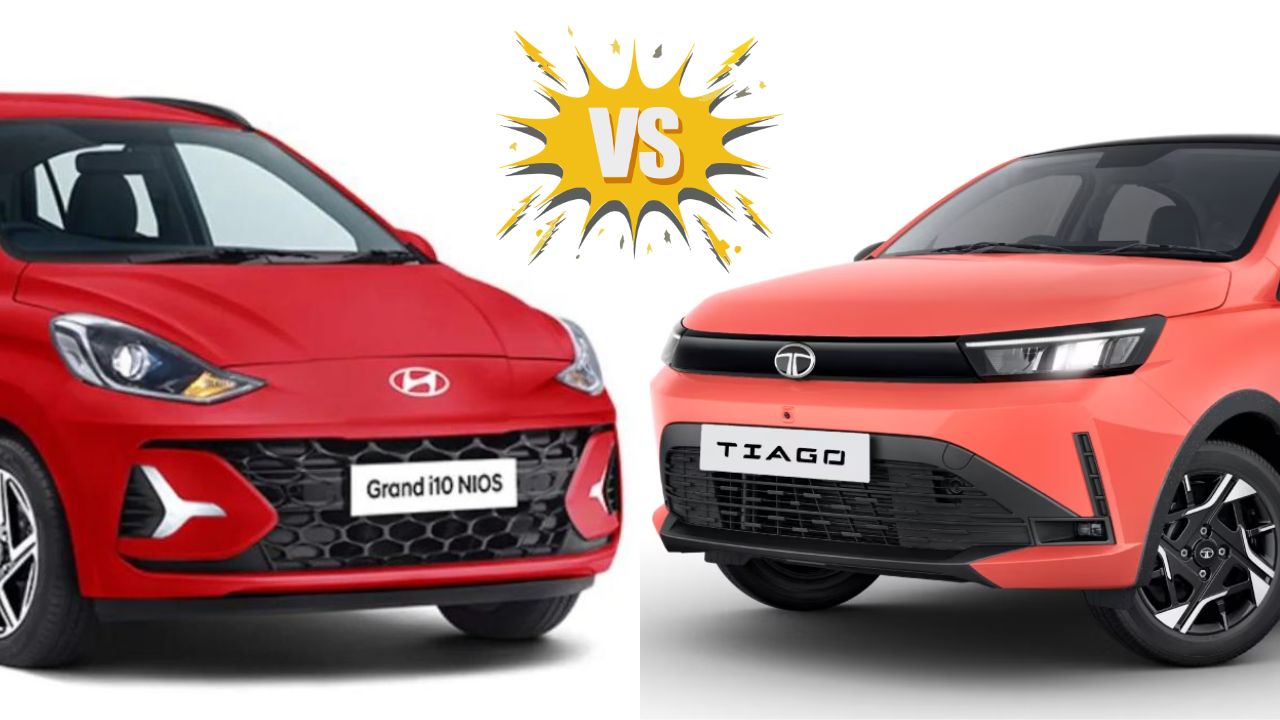
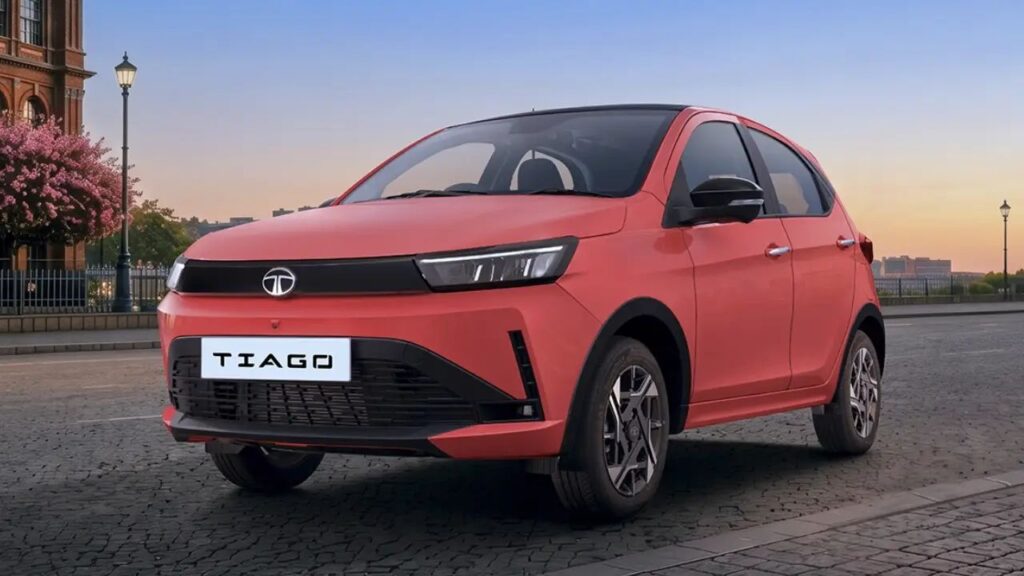
Tata completely abandoned the rounded look of the older Tiago models. The 2026 facelift adopts a very sharp exterior design. You look at the front grille, you see immediate structural changes. The engineers removed the old chrome strip to create a cleaner aesthetic. They installed sleek rectangular LED headlamps instead. Eyebrow-style daytime running lights sit right above the main lamps. The car looks angry, it demands attention in heavy traffic. The front bumper gets massive air intakes. Gloss-black detailing surrounds the center logo. You walk around the side profile. New 15-inch dual-tone alloy wheels fill the wheel arches perfectly. Connected LED taillights finish the modern rear design.
Hyundai takes a completely different visual approach with their Grand i10 Nios Vibe Edition. They focus on a sporty aesthetic directly. The factory offers a brand new Titan Grey Matte paint option. This finish remains entirely unique in this specific budget segment. Blacked-out alloy wheels give the car a stealthy appearance. The front grille retains the familiar wide cascading shape. The LED daytime running lights sit low on the front bumper. The car looks planted, the physical stance feels very wide. You park it on the street, people notice the unique matte color instantly. It looks like a premium vehicle from a much higher price bracket.
Inside The Cabin: Huge Screens vs Dashcam Security
You open the heavy door of the 2026 Tiago. The interior looks completely different now. The old all-black cabin is gone entirely. A new dual-tone light grey and black color scheme brightens the tight space. The dashboard holds a massive 10.25-inch touchscreen infotainment system. This screen supports wireless Android Auto and Apple CarPlay connections. Tata includes dual wireless phone chargers directly in the center console. You get modern Type-C charging ports for rapid battery top-ups. The physical air conditioning buttons remain intact. This makes temperature adjustments incredibly easy while driving. A digital driver display sits directly behind the steering wheel.
Hyundai fights back with very clever convenience features. The Grand i10 Nios Vibe Edition offers an all-black interior layout. Red inserts run across the dashboard and the interior door panels. This specific combination creates a very youthful driving environment. The center screen measures exactly eight inches. It handles smartphone connectivity flawlessly. The biggest technical addition sits right behind the rearview mirror. Hyundai installed a factory dashcam directly from the assembly line. This camera records your daily driving, it captures unexpected road events instantly. You access the video footage through a dedicated mobile application. A leather-wrapped steering wheel feels excellent in your bare hands.
Passenger Safety: Which Car Actually Protects Your Family?
Safety standards dictate buying decisions across India today. Buyers refuse to accept cheap metal shells anymore. Tata established a very strong reputation for crash safety. The 2026 Tiago comes with six standard airbags across all variants. Electronic stability control helps you maintain grip on wet roads. The engineers added a 360-degree camera system for tight parking. Small cameras sit on the outer mirrors and the front bumper. You park in tight spaces, the central screen shows every blind spot. You avoid scratching the new paint on hidden concrete pillars. Tyre pressure monitoring keeps track of your air levels constantly.
The Grand i10 Nios matches these core safety requirements perfectly. Hyundai provides six airbags as standard equipment on every single trim level. The structural frame uses high-strength steel heavily. The factory dashcam adds an extra layer of personal security. It records footage automatically during a bad collision. This video evidence protects you from false insurance claims later. The Nios includes a highline tyre pressure monitoring system. You get rear parking sensors and a standard reverse camera. Both manufacturers take occupant protection very seriously now. You transport your family, you feel secure in either vehicle.
Engine Performance: Automatic Comfort Or Paddle Shift Fun?
The mechanical heart of the Tiago remains unchanged for 2026. A 1.2-litre naturally aspirated petrol engine sits under the hood. It produces exactly 86 PS and 113 Nm of torque. You can buy it with a simple five-speed manual gearbox. You can also choose the five-speed automated manual transmission. Tata added paddle shifters to the AMT version. You pull the right paddle, the gearbox drops a gear instantly. You overtake slow trucks on the highway easily. Buyers who want lower running costs can pick the CNG variant. The CNG model generates exactly 73.4 PS of power.
Hyundai uses their proven 1.2-litre Kappa petrol engine. It delivers very similar power numbers on paper. The engine runs incredibly smooth at low idle speeds. You press the accelerator pedal, the power delivery feels completely linear. The Vibe Edition offers both manual and AMT gearbox options. The Hyundai AMT feels slightly more refined during slow traffic crawling. The gear shifts happen without any annoying head-nodding effect. The cabin isolation blocks out annoying mechanical noises completely. The Nios handles chaotic city traffic beautifully. The light steering wheel makes U-turns completely effortless.
Hard Facts: Direct Specification Comparison
Car buyers need clear data before spending their hard-earned money. We compiled the exact specifications for both vehicles. This layout organizes technical data for quick scanning.
2026 Vehicle Specification Breakdown
| Feature Category | Tata Tiago (2026 Facelift) | Hyundai Grand i10 Nios (Vibe Edition) |
| Engine Capacity | 1.2L Petrol / CNG | 1.2L Petrol |
| Standard Safety | 6 Airbags, ESC | 6 Airbags, TPMS |
| Unique Tech | 360-Degree Camera | Factory Dashcam |
| Infotainment Screen | 10.25-inch Touchscreen | 8-inch Touchscreen |
| Interior Theme | Light Grey and Black | All-Black with Red Inserts |
| Boot Space | 242 Litres | 260 Litres |
Cabin Comfort: Can Five Adults Actually Fit Inside?
You buy a hatchback for standard family duties. Space management becomes a daily concern. The Tiago provides excellent front seat support. The seats hold your body tightly during sharp cornering. The new dual-tone interior makes the cabin feel much larger than it actually is. You sit in the back, the knee room feels perfectly adequate. Three average adults can sit in the rear bench for short city trips. Long highway journeys might cause slight shoulder rubbing. The boot capacity measures exactly 242 litres. You can pack two medium suitcases for a weekend trip easily.
The Grand i10 Nios offers slightly different space dynamics. The front seats feel a bit softer. You sink into the cushions comfortably. The red inserts break the visual monotony of the dark plastics. The rear seat reclines at a very comfortable angle. Rear passengers get their own dedicated air conditioning vents. You travel in the brutal summer heat, the back seat stays icy cold. This small addition makes a massive difference for long family road trips. The Nios offers 260 litres of luggage space. You can squeeze an extra duffel bag in the trunk. Both cars feature folding rear seats for transporting large boxes.
Transmission Tech: Do You Really Need An Automatic?
Driving a manual car in heavy traffic ruins your left knee eventually. The automatic variants cost more money upfront. They save you from immense physical fatigue daily. Tata uses an Automated Manual Transmission in the Tiago. The engineers added paddle shifters right behind the steering wheel. You control the exact shift points when you want sporty driving. You leave it in automatic mode for the daily commute. The gearbox shifts slightly slowly during hard acceleration. You learn to modulate the throttle to smooth out the gear changes. It behaves perfectly fine for normal city driving speeds.
Hyundai refined their AMT technology over many years. The Nios automatic feels incredibly smooth for a basic hatchback. Electric actuators engage the clutch disc with precise timing. The car crawls forward smoothly when you lift your foot off the brake. This specific creep function helps you navigate inch-perfect parking spots. The gearbox drops two gears instantly when you press the accelerator hard. You overtake large commercial buses without second-guessing the power delivery. You pay a slight penalty in overall fuel economy for this convenience. The comfort trade-off makes complete sense for urban drivers.
Quick Feature Details: What Separates Them?
Buyers look for specific technical equipment. These specific features define the modern hatchback experience today.
- The Tiago includes a massive 10.25-inch infotainment display.
- The Nios Vibe offers a factory dashcam system for extra security.
- Tata provides a 360-degree parking camera on the top variants.
- Hyundai features rear air conditioning vents for ultimate passenger comfort.
- The Tiago includes dual wireless charging pads in the center console.
- The Nios offers an exclusive Titan Grey Matte paint option.
Dealership Realities: Booking Processes And Waiting Periods
You decide to buy the new Tata Tiago. The company modernized the entire purchasing process recently. You can book the car online through their official portal. You pay a token amount of Rs 11,000 to secure your spot in line. The website lets you configure the exact variant and exterior color. You can also walk into a physical showroom to complete the paperwork. Tata promises actual deliveries starting in the second half of June 2026. You select a popular color, you might wait up to two months. The high demand creates immediate waiting lists at local dealers.
Hyundai manages their supply chain with extreme efficiency. You walk into a Hyundai dealership, you usually find cars in stock. The Vibe Edition sits on showroom floors right now. You pay the booking amount, the dealer processes your loan application quickly. You can often take physical delivery within a couple of weeks. The dealership staff handles the government registration process smoothly. They explain the new dashcam features thoroughly before handing over the keys. Excellent customer service defines the standard Hyundai buying experience. They want you to leave the showroom completely satisfied.
The Price Tag: Who Wins The Budget Battle?
The financial breakdown determines the absolute winner in this segment. Tata Motors launched the 2026 Tiago facelift very aggressively. The base model starts at exactly Rs 4.69 lakh ex-showroom. This pricing undercuts major competitors instantly. The top-spec Creative+ variants cost more but offer massive tech additions. You want a 360-degree camera, you pay the premium. The exact variant spread accommodates strict budgets easily. You walk into the showroom with five lakh rupees, you drive home in a solid car.
The Grand i10 Nios commands a slightly higher asking price. The new Vibe Edition starts at Rs 7.09 lakh ex-showroom for the manual Sportz variant. The AMT version pushes the price to Rs 7.61 lakh. You pay more money upfront for the reliable Hyundai badge. You get immediate access to premium features like the dashcam and matte paint. The Nios offers an incredibly refined daily ownership experience. The huge dealership network resolves service issues very quickly. The higher initial cost pays off through excellent long-term mechanical reliability.
Both hatchbacks target the exact same customer base. The 2026 Tata Tiago wins the absolute value argument. You get a massive touchscreen, you get modern cameras. The aggressive starting price makes it incredibly attractive. The Hyundai Grand i10 Nios wins the refinement contest. The engine feels smoother, the cabin materials feel slightly better assembled. The factory dashcam offers brilliant real-world utility. You must test drive both cars on broken city roads. You check the rear seat space yourself. You make the final choice based entirely on your daily commute. The Indian buyer finally has two brilliant options.