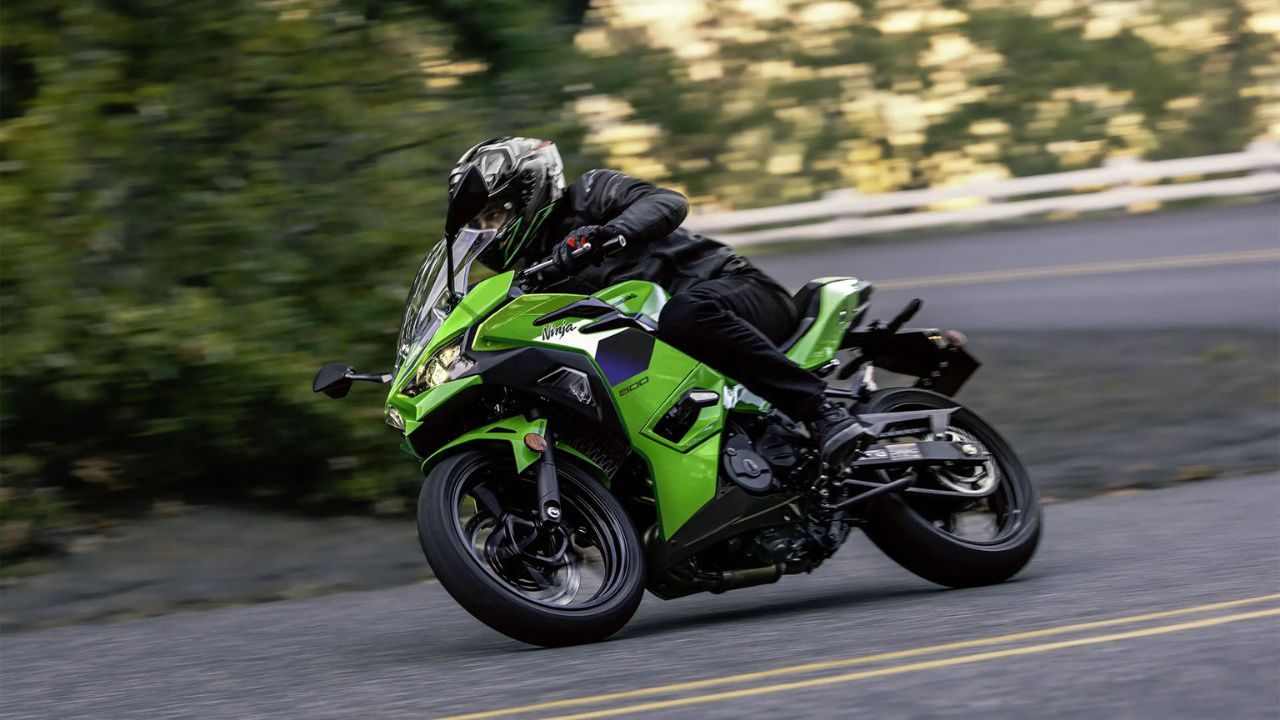
If you want a middleweight sportbike in 2026, the Kawasaki Ninja 500 demands your attention. Kawasaki recently launched the 2026 version of the Ninja 500 in India. They priced it at ₹5,76,000. You might wonder if a 451cc motorcycle justifies this premium price tag. Let us look at the exact performance numbers, fuel efficiency, and practical usability of this machine. You will find out exactly what you get for your money.
Why Everyone Is Obsessed With This 451cc Engine
The heart of the 2026 Ninja 500 features a liquid-cooled, parallel-twin 451cc engine. This powertrain produces 45.4 PS of power at 9,000 rpm. It also generates 42.6 Nm of torque at 6,000 rpm. The engineers tuned this motor for a strong mid-range pull. You do not need to rev the engine to its redline just to merge onto the highway. The power delivery stays linear and predictable.
When you ride through city traffic, the assist and slipper clutch makes a massive difference. You only need a light pull on the clutch lever to change gears. This reduces hand fatigue during long commutes. The six-speed gearbox shifts precisely. Kawasaki updated this 2026 model to comply with E20 fuel standards. You can now use a 20 percent ethanol blend without damaging the internal components. This update prepares the motorcycle for future fuel availability in India.
Many riders upgrading from a 300cc bike worry about managing the extra power. You will find the Ninja 500 highly approachable. The throttle response feels crisp. The engine does not scare you with sudden power spike. You can smoothly accelerate out of corners. The parallel-twin configuration keeps vibrations well under control at lower RPMs. You might notice mild vibrations through the footpegs when you push past 7,500 rpm. These vibrations remain tolerable for most riders.
The Shocking Top Speed and Real-World Mileage
You expect a sportbike to go fast. The Ninja 500 delivers on that front. This motorcycle reaches a top speed of 190 kmph. Reaching 100 kmph from a standstill takes only a few seconds. The aerodynamic fairing deflects wind effectively at these high speeds. You can comfortably cruise at 120 kmph all day without feeling battered by the wind. The chassis stays planted, and the motorcycle feels incredibly stable.
Fuel efficiency often takes a hit when you increase engine displacement. The official ARAI mileage for the Ninja 500 sits at 26.31 kmpl. Real-world testing shows slightly different numbers. If you ride aggressively in stop-and-go traffic, you will get around 22 kmpl. When you take the bike on an open highway and maintain a steady 90 kmph, the mileage jumps closer to 28 kmpl.
The fuel tank holds 14 liters of petrol. You can expect a realistic riding range of about 330 kilometers between fuel stops. This range makes the Ninja 500 a capable touring machine. You will spend less time looking for gas stations and more time enjoying the ride. A long distance trip suddenly becomes much more appealing.
The Ultimate Handling Secret They Did Not Tell You
Kawasaki built the Ninja 500 around a lightweight high-tensile steel trellis frame. The entire motorcycle weighs just 171 kg with a full tank of fuel. This low kerb weight completely changes how the bikes handles. You can flick the motorcycle into corners with minimal effort. The steering feels light at slow speeds. You can easily maneuver through tight parking spaces.
The suspension setup includes a 41mm telescopic fork at the front. The rear gets a gas-charged monoshock with preload adjustability. The front suspension offers 120 mm of travel. The rear provides 130 mm of travel. This setup absorbs bumps and uneven road surfaces effectively. You will not feel every single crack in the pavement. The suspension balances sportiness and comfort perfectly.
You ride on 17-inch alloy wheels. The front wheel uses a 110/70 section tyre, and the rear uses a 150/60 section tyre. Kawasaki chose Dunlop Sportmax GPR-300 radial tyres for this model. These tyres provide excellent grip on dry roads. You can confidently lean the bike into sweeping curves.
The braking hardware ensures you stop safely. The front brake uses a massive 310mm disc with dual-piston calipers. The rear brake features a 220mm disc. A dual-channel Anti-lock Braking System comes standard. The ABS intervenes smoothly when you brake hard on wet surfaces. You will feel confident knowing the brakes offer strong stopping power.
Why You Will Actually Fit on This Motorcycle
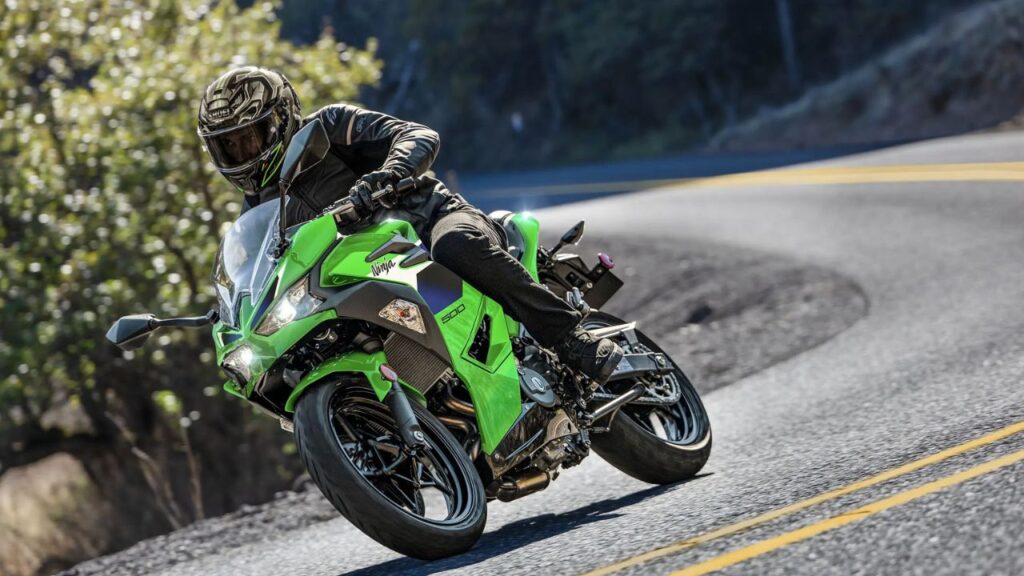
Sportbikes often force riders into an uncomfortable riding posture. The Ninja 500 takes a different approach. The clip-on handlebars sit relatively high. The footpegs mount slightly lower and further forward than a track-focused supersport. This setup creates a relaxed, slightly forward-leaning posture. You can ride for two hours straight without getting a severe backache. Your wrists will not ache after a standard commute.
The seat height measures 785 mm. This low seat height benefits riders of different sizes. If you stand 5 feet 5 inches tall, you can easily plant both feet flat on the ground. This instills a lot of confidence at traffic lights. The rider seat features decent padding. You will find it comfortable for daily commuting. The pillion seat lacks generous cushioning. Your passenger might complain on longer trips, so keep rides two-up relatively short.
Kawasaki equipped the bike with a 5-inch digital LCD instrument console. This display shows your speed, engine RPM, gear position, and fuel level clearly. It also features Bluetooth connectivity. You can connect your smartphone using the Kawasaki Rideology app. The screen displays incoming calls and message notifications. You can also review your riding logs on your phone after a trip.
Shocking Facts About the Competition
The middleweight segment in India offers several options. You should look at the Aprilia RS 457 before making a decision. The Aprilia produces 47.5 PS of power. It costs ₹4.24 lakh ex-showroom. The Yamaha R3 costs around ₹4.64 lakh ex-showroom. The Ninja 500 remains significantly more expensive than these rivals.
The premium pricing happens because Kawasaki imports the Ninja 500 into India as a Completely Built Unit. Local assembly would lower the price. If you care strictly about the price-to-performance ratio, the competitors offer stronger value. If you value the proven reliability of a Kawasaki engine and the extensive dealer network, you might justify the extra cost. Many riders happily pay more for the brand reputation.
Maintenance Costs You Need to Prepare For
Owning a premium motorcycle involves recurring expenses. You need to service the Ninja 500 every 6,000 kilometers or six months. A standard service includes an oil change, an oil filter replacement, and a chain adjustment. You can expect a basic service to cost between ₹5,000 and ₹7,000.
The brake pads usually last around 12,000 kilometers, depending on your riding style. A new set of front brake pads will cost you roughly ₹3,500. The Dunlop tyres generally wear out after 15,000 kilometers. Replacing both tyres will set you back about ₹14,000. You should factor these maintenance costs into your budget before buying the motorcycle. Proper maintenance keeps the engine running flawlessly for years.
Technical Specifications at a Glance
You can review the exact measurements and performance figures below to understand what the 2026 Kawasaki Ninja 500 offers.
| Specification | Measurement and Details |
| Engine Displacement | 451 cc Liquid-Cooled Parallel Twin |
| Maximum Power | 45.4 PS @ 9,000 rpm |
| Maximum Torque | 42.6 Nm @ 6,000 rpm |
| Top Speed | 190 kmph |
| Fuel Tank Capacity | 14 Liters |
| Claimed Mileage | 26.31 kmpl |
| Kerb Weight | 171 kg |
| Seat Height | 785 mm |
| Ground Clearance | 145 mm |
| Price (Ex-Showroom) | ₹5,76,000 |
Key Features You Will Actually Use
The spec sheet contains a lot of technical terms. Here are the features that directly impact your daily ride.
- Slip and Assist Clutch: This prevents the rear wheel from locking up if you downshift too aggressively before a corner.
- Dual-Channel ABS: This system keeps you upright during emergency braking situations.
- LED Lighting: The twin LED headlamps illuminate the road effectively at night.
- Bluetooth Console: This lets you check incoming calls without pulling your phone out of your pocket.
- E20 Fuel Compliance: This ensures your engine runs safely on modern ethanol-blended petrol.
Should You Drop ₹5.76 Lakh on This Bike?
The 2026 Kawasaki Ninja 500 brings a fantastic parallel-twin engine to the street. You get strong mid-range torque, agile handling, and comfortable ergonomics. The 190 kmph top speed and 26.31 kmpl mileage give you both performance and practicality. The low 171 kg weight makes it incredibly easy to ride in the city. The updated Lime Green paint scheme makes the bike look striking in person.
The main drawback remains the steep price tag. At ₹5.76 lakh, you pay a heavy premium for the Kawasaki badge. The competitors offer similar performance for significantly less money. If a strict budget restricts you, you might want to look elsewhere.
If you have the budget, you will find the Ninja 500 highly rewarding. You get a motorcycle that works perfectly as a daily commuter and a weekend tourer. The engine runs smoothly, and the build quality feels premium. You will not outgrow the 451cc motor quickly. It offers enough power to keep experienced riders entertained while remaining friendly for newer riders upgrading to the middleweight class. You should test ride the Ninja 500 and feel the parallel-twin performance yourself.