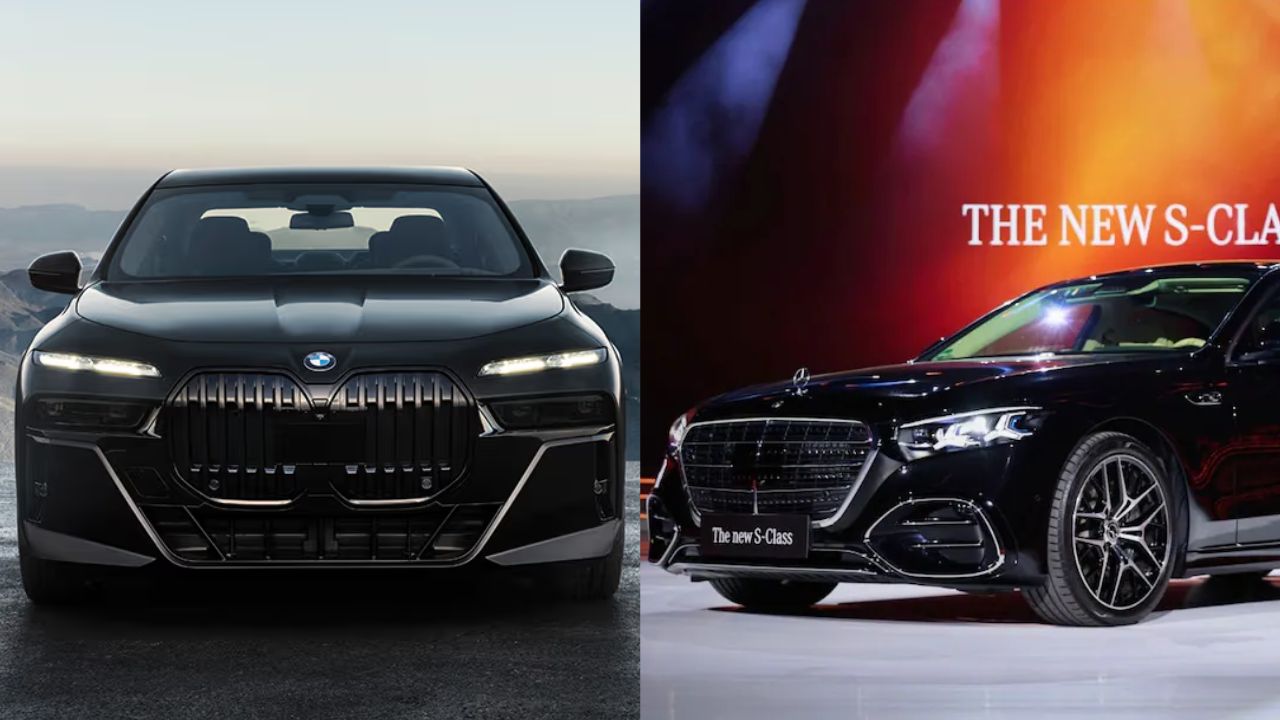
Are you ready to witness the ultimate clash of the titans in the luxury car segment? The automotive world is buzzing right now because the rivalry between Mercedes-Benz and BMW has just reached an entirely new level. The Mercedes S-Class and the BMW 7 Series have long been the absolute flagship luxury sedans of their respective brands, fighting for the top spot in the garage of elite buyers. A massive update arrived for the S-Class in June 2026, and it has shaken the entire industry. For the first time ever in India, the S-Class gets a highly advanced plug-in hybrid powertrain, something the current 7 Series simply does not offer. The BMW 7 Series continues to rely on its tried and tested turbo-petrol and diesel engine options. If you are planning to spend a couple of crores on a luxury sedan today, you need to know exactly what you are paying for. We are comparing these two incredible machines on paper, looking deeply into their powertrain specifications, exterior dimensions, and official pricing.
The Powertrain Battle: Hybrid Efficiency Meets German Muscle
When you are spending this kind of money on a flagship sedan, you expect breathtaking performance under the hood. The 2026 Mercedes S-Class takes a massive leap into the future with its new S 450e variant. It packs a 3.0-litre turbocharged inline-six petrol engine, which is paired seamlessly with a powerful electric motor. This plug-in hybrid setup draws power from a substantial 22kWh battery pack. The combined system output stands at an incredible 435 horsepower and a massive 680Nm of peak torque. All this power is sent to the rear wheels via a smooth 9-speed automatic transmission. The S-Class completes the 0-100kph sprint in just 5.7 seconds, offering serious pace for a luxury barge.
On the other side of the ring, the BMW 7 Series offers a more traditional approach. Buyers can choose between a 3.0-litre turbo-petrol engine and a 3.0-litre diesel mill. The 7 Series makes do with just a 48V mild-hybrid system, providing additional electrical boost just for short bursts of acceleration. The petrol variant produces 381 horsepower and 520Nm of torque, while the diesel version churns out 286 horsepower and 650Nm of torque. Power goes to the rear wheels through a snappy 8-speed automatic gearbox. But if were to look at the claimed 0-100kph acceleration times, the BMW petrol sedan is slightly quicker, clocking in at 5.4 seconds. The diesel 7 Series takes about 5.8 seconds to hit the same exact mark. Both luxury sedans feature an electronically limited top speed of 250kph.
The true party trick of the new S-Class lies in its massive battery pack. The 22kWh unit allows for an impressive electric-only range of around 115km on a full charge. This is a massive advantage for daily city commutes, letting you drive in absolute silence without burning any petrol. Mercedes claims the battery can be charged from 10 to 80 percent in a quick 20 minutes using a 60kW DC fast charger. This hybrid setup also helps the S-Class deliver a claimed WLTP fuel-efficiency figure of 32.3kpl.
| Specification | 2026 Mercedes S-Class (S 450e) | BMW 7 Series (Petrol) | BMW 7 Series (Diesel) |
|---|---|---|---|
| Engine | 3.0L Turbo-Petrol Plug-in Hybrid | 3.0L Turbo-Petrol | 3.0L Diesel |
| Cylinders | 6, Inline | 6, Inline | 6, Inline |
| Hybrid Battery Size | 22 kWh | Not Applicable | Not Applicable |
| Maximum Power | 435 hp | 381 hp | 286 hp |
| Peak Torque | 680 Nm | 520 Nm | 650 Nm |
| Transmission | 9-speed Automatic | 8-speed Automatic | 8-speed Automatic |
| 0–100 kph Time | 5.7 seconds | 5.4 seconds | 5.8 seconds |
| Claimed Top Speed | 250 kph | 250 kph | 250 kph |
Dimensions and Practicality: Which German Giant Rules the Road?
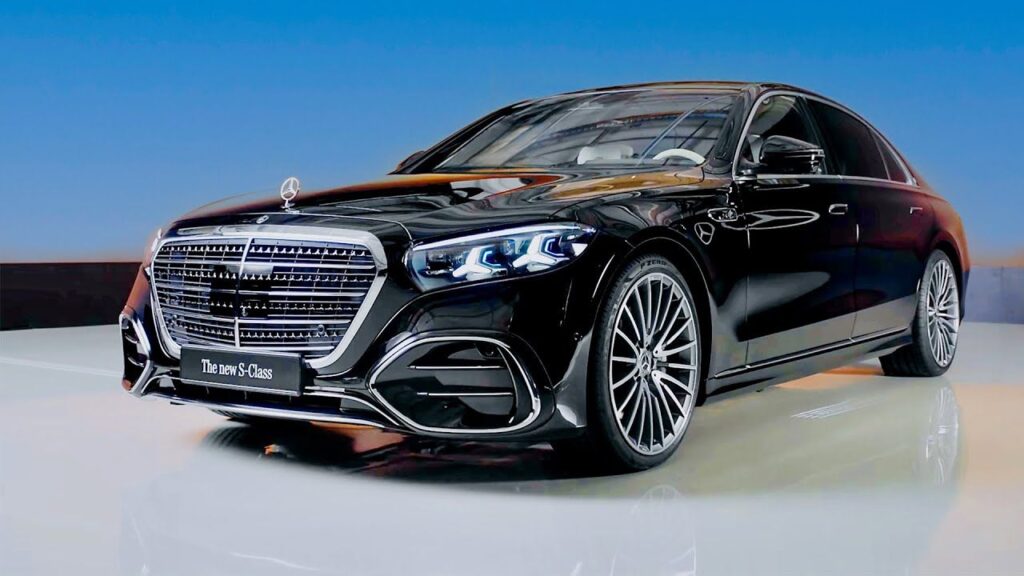
Road presence is absolutely crucial when you are driving a flagship luxury car. When it comes to sheer exterior dimensions, the BMW 7 Series holds a clear advantage in almost every single measurable area. The 7 Series looks incredibly imposing on the road, measuring 5,391mm in total length. This makes it a significant 87mm longer than the S-Class, which measures 5,304mm. The BMW is also 29mm wider and 41mm taller than its rival from Stuttgart. This extra size translates into a very commanding stance that demands respect in daily traffic. However, the two luxury sedans is almost identical in terms of their wheelbase. The S-Class measures 3,216mm between the axles, which is just 1mm more than the 7 Series. This means interior passenger space is exceptionally generous in both of these incredible vehicles.
The biggest practical difference between the two cars hides right inside the trunk. The BMW 7 Series offers a highly generous 540 litres of luggage capacity. This is a massive 195 litres more than what you get in the Mercedes S-Class. The S-Class only provides 345 litres of boot space, which might be a dealbreaker for buyers who travel frequently with heavy luggage. This drastic reduction in cargo capacity is largely due to the large 22kWh battery pack placed directly under the boot floor. You have to sacrifice a fair amount of practicality to enjoy the benefits of that plug-in hybrid system. Both vehicles roll out of the showroom on beautiful 20-inch alloy wheels that complement their massive proportions perfectly.
| Dimension | 2026 Mercedes S-Class | BMW 7 Series |
| Total Length | 5,304 mm | 5,391 mm |
| Total Width | 1,921 mm | 1,950 mm |
| Total Height | 1,503 mm | 1,544 mm |
| Wheelbase | 3,216 mm | 3,215 mm |
| Boot Space | 345 Litres | 540 Litres |
| Wheel Size | 20 Inches | 20 Inches |
Price Wars: Is the New S-Class Actually Worth the Massive Premium?
Pricing is where the battle gets incredibly interesting for prospective buyers. The 2026 Mercedes S-Class demands a very steep price for its newly acquired hybrid technology. At the time of writing this comparison, the S-Class is available exclusively with the plug-in hybrid powertrain in India. The S450e Launch Edition Exclusive Line is priced at Rs 2.20 crore. If you want the sportier look, the S450e Manufaktur Edition AMG Line will set you back Rs 2.38 crore.
This aggressive pricing strategy makes the Mercedes significantly costlier than its primary rival. The BMW 7 Series presents a much stronger value proposition right now, priced attractively at Rs 1.85 crore for both the petrol and diesel versions. This means the S-Class carries a massive premium of up to Rs 53 lakh over the BMW.
- The S-Class offers an incredible 115km electric range, saving you money on daily fuel costs.
- The BMW 7 Series saves you over half a crore upfront while providing significantly more boot space.
- Mercedes plans to introduce a cheaper, petrol-only S 450 variant at a later date to bridge the gap.
- Both cars offer top-tier luxury, but the massive price gap is impossible to ignore for smart buyers.
Choosing Your Ultimate Luxury Flagship
Choosing between the 2026 Mercedes S-Class and the BMW 7 Series is an incredibly difficult task. Both of these cars represent the absolute pinnacle of modern automotive engineering. The S-Class holds a massive advantage with its 435 horsepower output and advanced plug-in hybrid technology. Driving for 115 kilometers on pure electric power is an absolute game changer for urban executives. It feel like you are driving a silent electric car and a powerful petrol car wrapped into one stunning package.
However, the BMW 7 Series fights back hard with its superior practicality and highly aggressive pricing. It offers a massive boot, quicker acceleration in the petrol guise, and an incredibly imposing exterior design. The Rs 53 lakh price difference is quite substantial, even for wealthy buyers in this elite segment. If you prioritize cutting-edge hybrid technology and silent electric commuting, the S-Class is your best bet today. If you want maximum road presence and outstanding value for your money, the 7 Series remains an unbeatable package.