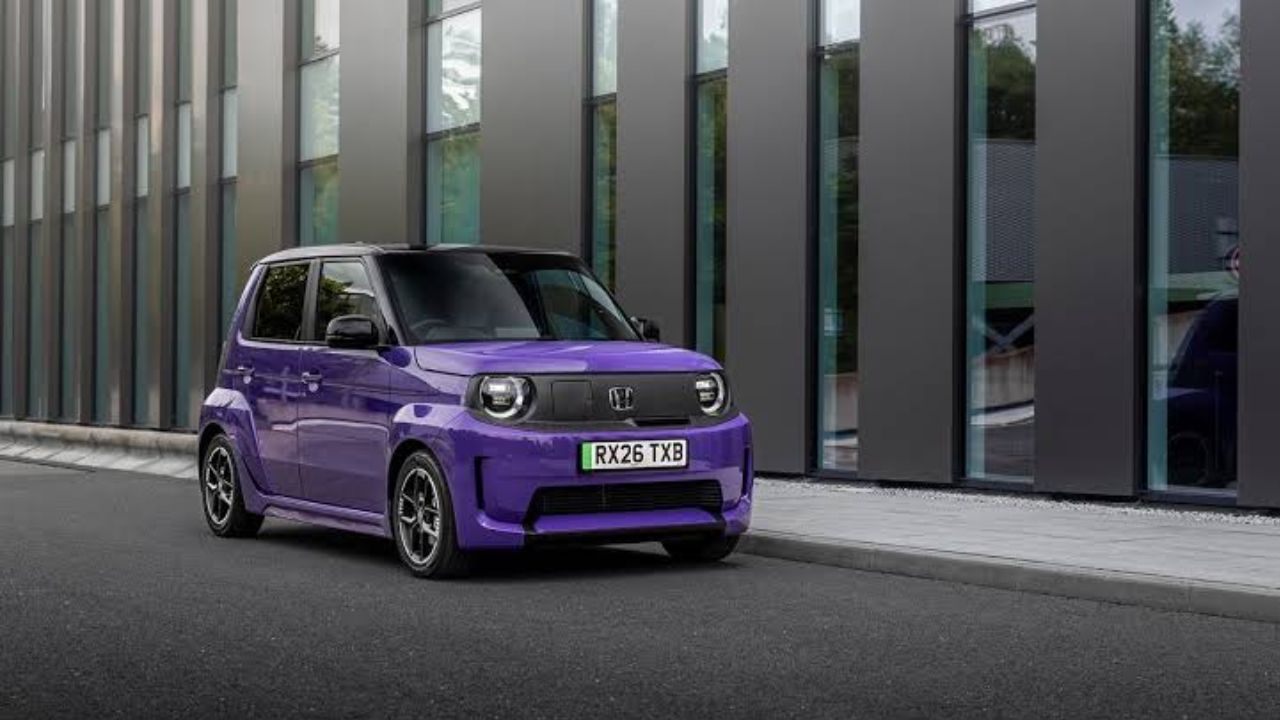
Honda has introduced the Super-N, a compact electric hatchback that challenges the notion that small EVs must be utilitarian and uninspiring. Priced from £18,995 in the UK (roughly Rs 21-22 lakh at current exchange rates), the Super-N draws inspiration from Honda’s iconic N-Series kei cars and the spirited 1980s City Turbo II. Launched with orders opening around mid-June 2026 and deliveries commencing in July-August 2026, it stands out for its lightweight construction, playful BOOST Mode, and emphasis on driving enjoyment in an era where many electric vehicles prioritize efficiency and seriousness over character.
The Super-N arrives as Honda’s affordable entry into the European electric city car segment, serving as the brand’s sole current EV offering in the UK market. By focusing on fun-to-drive attributes while maintaining practicality within a diminutive footprint, Honda aims to recapture the “Joy of Driving” in an electrified package. Early reviews highlight its engaging dynamics, retro-inspired styling, and value proposition, positioning it as a refreshing alternative to heavier, more appliance-like rivals.
Design and Dimensions: Kei-Car Roots with Character
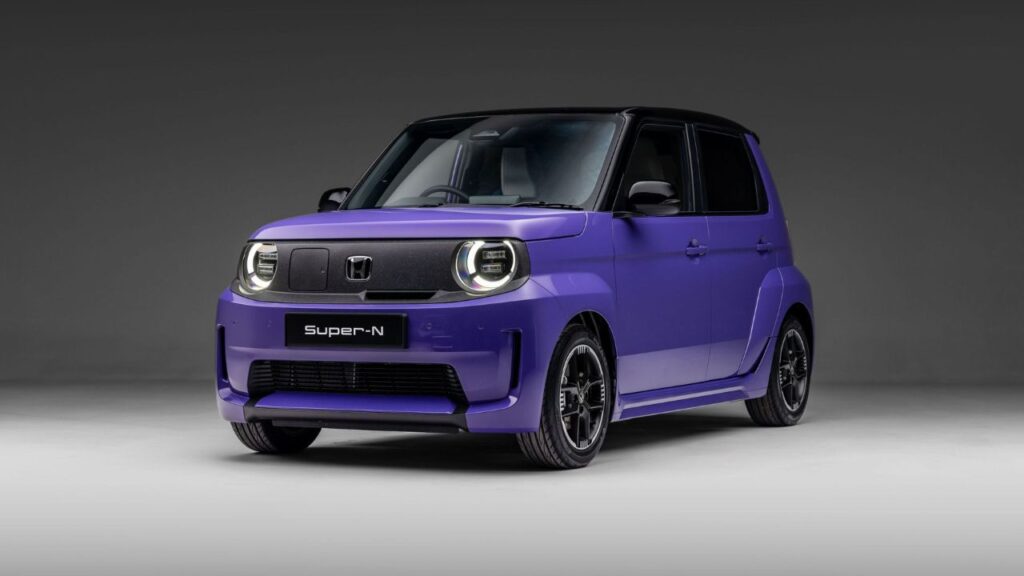
The Super-N measures just 3,599 mm in length, making it one of the smallest proper cars available in the UK market. Its design features a wide stance, prominent wheel arches, blister-style bumpers, and aerodynamic details that evoke classic hot hatches. The boxy, upright proportions pay homage to Honda’s N-Series kei cars popular in Japan, while European adaptations include a slightly larger footprint than strict kei regulations allow. Eye-catching color options, including a striking purple finish often highlighted in reviews, enhance its quirky appeal.
Despite its compact exterior, the Super-N offers surprising interior versatility. Honda’s signature Magic Seats enable flexible configurations, allowing the cabin to comfortably seat four adults. Luggage capacity starts at 162 litres with seats upright and expands to as much as 967 litres with the rear seats folded, making it practical for urban errands and weekend getaways. The driver-focused cabin includes physical controls, quality materials, and a layout that prioritizes engagement over minimalist digital interfaces.
Powertrain and Performance: BOOST Mode Delivers Excitement
Power comes from a front-mounted electric motor paired with a 29.6 kWh lithium-ion battery. In standard mode, the motor produces 47 kW (approximately 63 hp) and 162 Nm of torque, resulting in a 0-100 km/h (0-62 mph) time of around 14.5 seconds. Activating the dedicated BOOST Mode via a steering wheel button temporarily increases output to 70 kW (around 94 hp), slashing the sprint time to approximately 10 seconds. Top speed is electronically limited to about 135 km/h (84 mph).
This BOOST functionality, combined with a simulated seven-speed transmission using paddle shifters and Active Sound Control for artificial engine noise, creates a more involving driving experience. The system coordinates with interior lighting and displays for added theatrical effect, transforming mundane city drives into something more engaging. The lightweight kerb weight of 1,097 kg further amplifies the responsive handling and agile feel.
Key Specifications
| Parameter | Details |
|---|---|
| Length / Kerb Weight | 3,599 mm / 1,097 kg |
| Battery Capacity | 29.6 kWh |
| Power (Normal / BOOST) | 47 kW (63 hp) / 70 kW (94 hp) |
| 0-100 km/h (BOOST) | Approx. 10 seconds |
| Top Speed | 135 km/h (84 mph) |
| WLTP Range (Combined / City) | 206 km (128 miles) / 320 km (199 miles) |
| Charging (10-80%) | Approx. 30 minutes at 50 kW DC |
Range, Efficiency, and Charging Practicality
The Super-N’s modest battery size results in a WLTP combined range of 128 miles (206 km), with city driving extending to around 199-320 km depending on conditions and testing cycle. This setup suits its primary role as an urban runabout, where real-world efficiency benefits from the lightweight platform and regenerative braking. Early driving impressions note competitive consumption figures around 4.2-4.8 mi/kWh in mixed use.
DC fast charging supports up to 50 kW, enabling a 10-80% charge in approximately 30 minutes. Home AC charging is straightforward for overnight top-ups. While the range may limit longer trips, it aligns well with typical daily commuting patterns for city dwellers, and the fun-focused driving dynamics help offset any perceived limitations.
Driving Dynamics and Interior Experience
Reviews consistently praise the Super-N’s chassis tuning, wide track, and large-diameter tires for delivering stable handling and confidence-inspiring cornering. The low weight and responsive steering make it feel lively and nimble, reviving the spirit of small, engaging cars from past decades. Suspension setup balances comfort with sportiness, though the firm ride over rough surfaces reflects its performance-oriented calibration.
Inside, the cabin emphasizes driver involvement with a straightforward layout, good visibility, and features that enhance the experience without unnecessary complexity. Safety equipment is appropriate for the class, though full Euro NCAP results were pending at launch. The overall package delivers a sense of occasion rare in affordable EVs.
Market Positioning and Competition
At £18,995, the Super-N undercuts several rivals while offering distinctive character. It competes with models like the Renault Twingo E-Tech, Citroën ë-C3, and Leapmotor T03, but differentiates itself through Honda’s engineering focus on fun and build quality. In India, where a converted price of around Rs 22 lakh would position it above entry-level options like the Tata Tiago EV or MG Comet EV, it would appeal to enthusiasts prioritizing driving enjoyment over maximum range or rock-bottom pricing.
Honda’s decision to emphasize lightweight construction and playful features addresses a growing critique of modern EVs as heavy and dull. The Super-N proves that small, affordable electric cars can retain personality and driver appeal.
Broader Implications for the EV Landscape
The Super-N represents Honda’s thoughtful approach to electrification in the shrinking small-car segment, where regulatory and profitability pressures have reduced options. By adapting kei-car efficiency and adding EV-specific enhancements like BOOST Mode, Honda demonstrates a path forward for engaging, compact electric vehicles. Its success could influence other manufacturers to invest in fun-to-drive small EVs rather than solely larger crossovers.
Early reviews describe it as “more than the sum of its parts,” with charm and usability that outweigh modest specifications on paper. As charging infrastructure improves and battery technology advances, models like the Super-N help broaden electric mobility’s appeal beyond efficiency-focused buyers to those who value the driving experience.
Honda’s Super-N successfully injects excitement into the urban EV segment. Its combination of compact dimensions, BOOST-enhanced performance, simulated gearbox, and retro charm serves as a reminder that electrification need not sacrifice driving pleasure. For buyers seeking an affordable, characterful city car that puts a smile on the face, the Super-N stands as a compelling choice in a increasingly standardized market. As deliveries ramp up in the UK and interest potentially spreads to other markets, it may well influence the future direction of small electric vehicles.