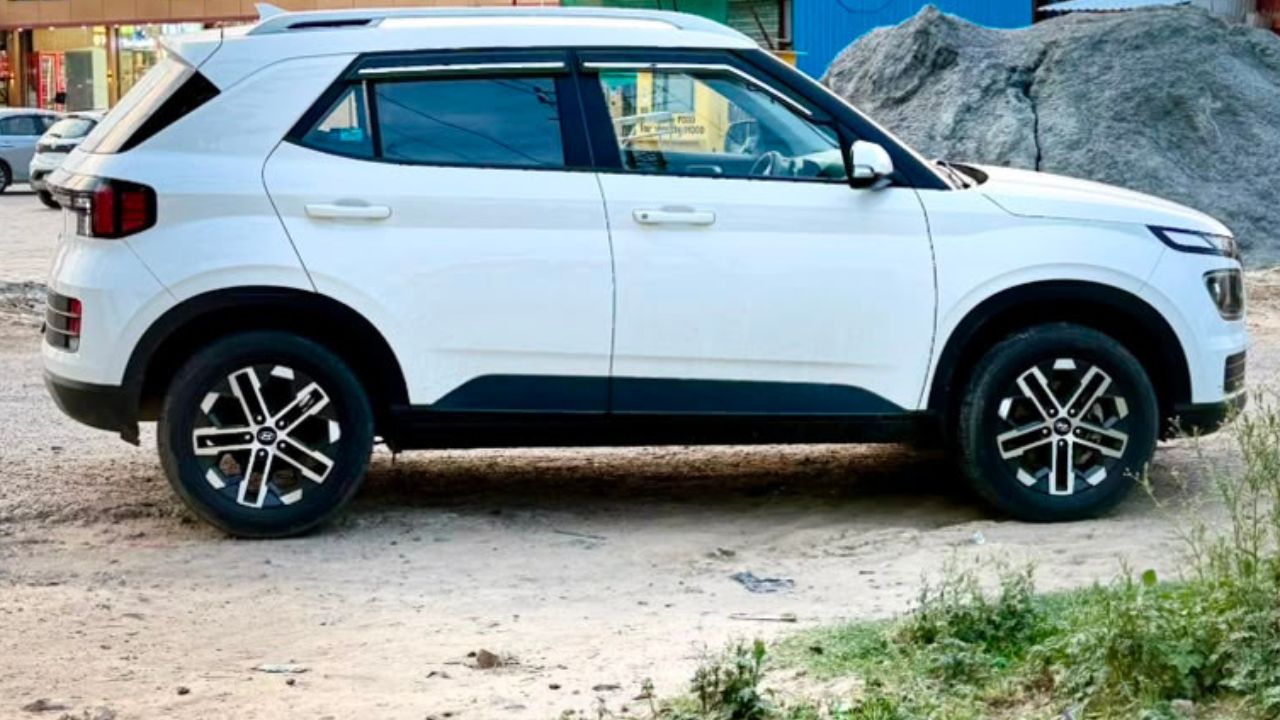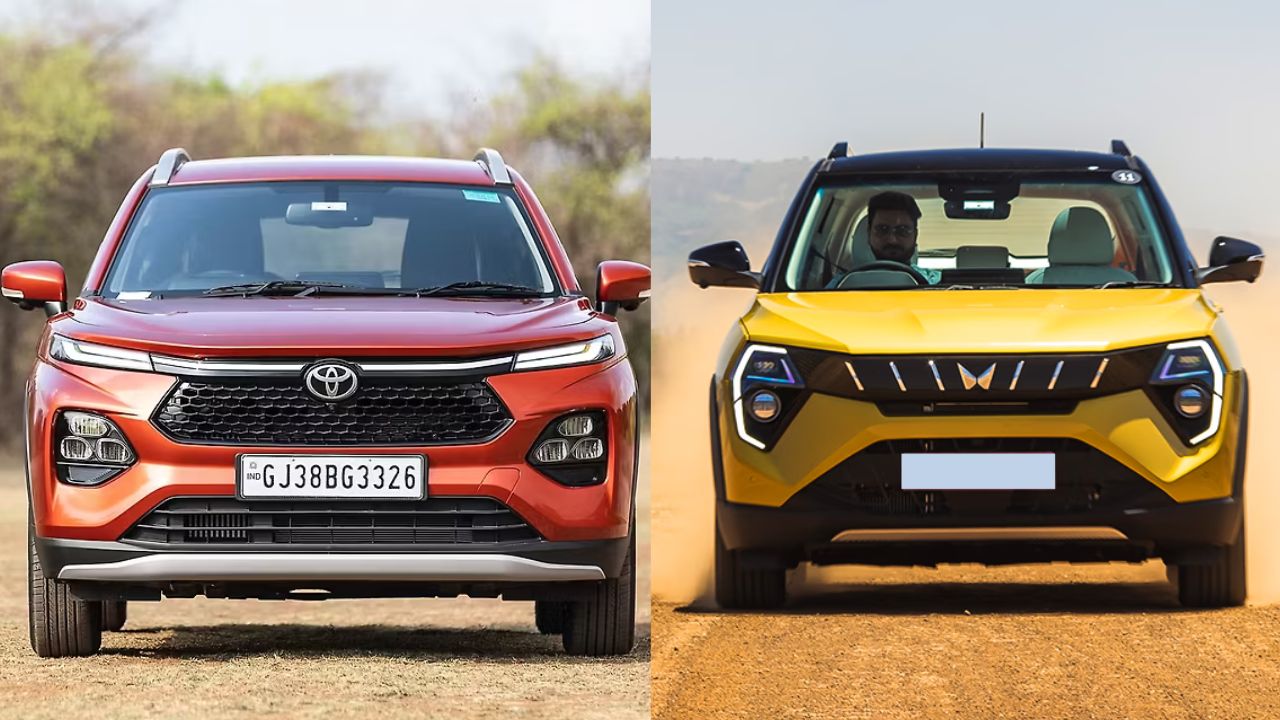
The compact SUV segment in India remains one of the most competitive categories with buyers seeking a balance of style, features, performance, and running costs. Two strong contenders in the turbo-petrol automatic space are the Mahindra XUV 3XO and the Toyota Urban Cruiser Taisor. Both models pair direct-injection turbo-petrol engines with smooth torque-converter automatic gearboxes. While the XUV 3XO impresses with higher power output, the lighter Taisor focuses on efficiency and Toyota’s renowned reliability. This comparison examines their key differences based on official specifications and real-world testing to help buyers make an informed choice.
Pricing and Variant Availability
The Mahindra XUV 3XO offers its 1.2-litre turbo-petrol automatic from the MX2 Pro variant upwards with ex-showroom prices starting around Rs 9.94 lakh. Top-end variants extend up to Rs 14.89 lakh. This wide range allows buyers to access the powerful turbo engine across multiple trims equipped with varying levels of features.
In contrast the Toyota Taisor turbo-petrol automatic is available only in the higher G and V trims. Prices for these variants range from Rs 11.35 lakh to Rs 12.23 lakh ex-showroom. The more restricted availability keeps the Taisor focused on well-equipped models but at a slightly higher entry point for the automatic turbo-petrol combination.
Engine Specifications and Performance
Both SUVs employ three-cylinder turbo-petrol engines mated to six-speed torque-converter automatics but deliver distinctly different driving experiences. The Mahindra XUV 3XO features a larger 1.2-litre turbo-petrol unit producing 131 hp and 230 Nm of torque. This powertrain delivers strong mid-range pull and responsive acceleration making it enjoyable for enthusiastic drivers. The engine is tuned for performance with direct injection technology that enhances throttle response.
The Toyota Taisor on the other hand uses a smaller 1.0-litre turbo-petrol engine generating 100 hp and 147.6 Nm of torque. Despite lower outputs the Taisor benefits from a significant weight advantage. Its kerb weight of around 1060 kg compared to the XUV 3XO’s 1411 kg results in a livelier feel in everyday driving scenarios.
Key Specifications Comparison:
| Specification | Mahindra XUV 3XO | Toyota Taisor |
|---|---|---|
| Engine | 1.2-litre turbo-petrol | 1.0-litre turbo-petrol |
| Power | 131 hp | 100 hp |
| Torque | 230 Nm | 147.6 Nm |
| Gearbox | 6-speed TC AT | 6-speed TC AT |
| Kerb Weight | 1411 kg | 1060 kg |
| ARAI Mileage | 18.20 kmpl | 19.86 kmpl |
The XUV 3XO feels more powerful during overtakes and highway merges while the Taisor offers adequate performance for city and highway use with lighter controls.
Real-World Fuel Efficiency: City and Highway Performance
Official ARAI figures suggest the Taisor holds an edge with 19.86 kmpl compared to the XUV 3XO’s 18.20 kmpl. Real-world testing confirms this advantage. In controlled city driving conditions the Toyota Taisor returned 10.17 kmpl while the Mahindra XUV 3XO managed 9.89 kmpl. The difference stems from the Taisor’s lower weight and mild-hybrid assistance which provides torque fill and smoother stop-start functionality.
On highway runs at consistent speeds the gap widens. The Taisor achieved 15.35 kmpl against the XUV 3XO’s 13.01 kmpl. Overall average efficiency stood at 12.76 kmpl for the Taisor and 11.45 kmpl for the XUV 3XO representing a 1.31 kmpl advantage for the Toyota.
The XUV 3XO was tested in its most efficient Zip drive mode yet its heavier build and performance-oriented tuning naturally consume more fuel. Both vehicles feature automatic start-stop systems but the Taisor’s mild-hybrid technology delivers additional economy benefits particularly in urban stop-and-go traffic.
Design, Dimensions, and Practicality
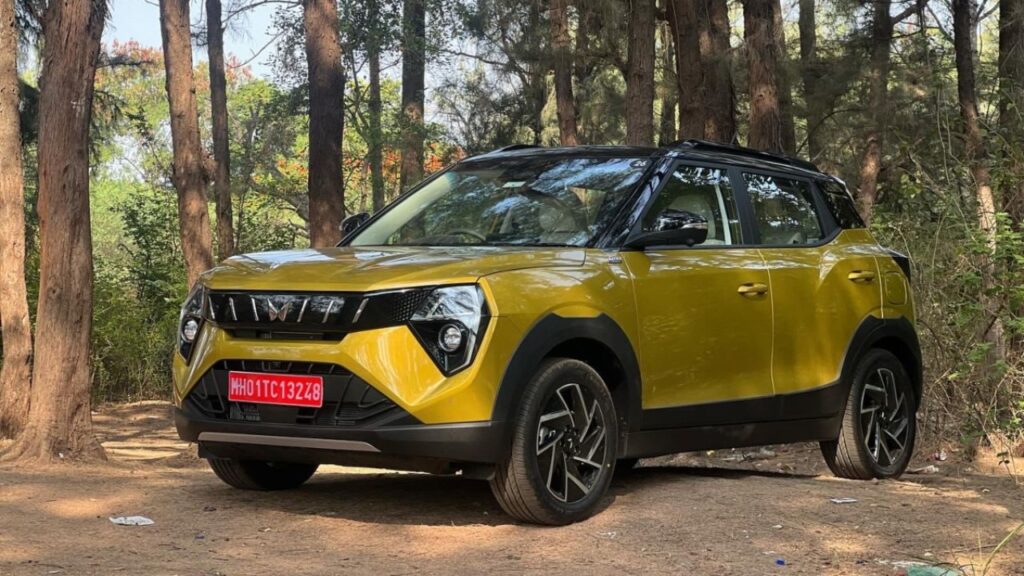
The Mahindra XUV 3XO showcases a bold and muscular design with a large front grille, connected LED lighting, and rugged cladding. It measures larger in most dimensions offering a more commanding road presence. The cabin feels spacious with good knee room and shoulder space for five adults. Boot capacity is generous at around 364 litres making it suitable for family outings.
The Toyota Taisor adopts a sleek crossover-inspired styling with clean lines and premium detailing. Its compact dimensions and lighter weight contribute to nimble handling in tight city streets. While rear space is adequate the Taisor prioritizes a premium feel with high-quality materials and thoughtful ergonomics. Boot space stands competitive though slightly less than the XUV 3XO in absolute terms.
Both SUVs offer modern interiors with touchscreen infotainment systems wireless connectivity and multiple convenience features. The XUV 3XO stands out with advanced driver assistance systems and a panoramic sunroof on higher trims while the Taisor emphasizes refinement and user-friendly interfaces typical of Toyota vehicles.
Ride, Handling, and Driving Dynamics
The XUV 3XO delivers a composed ride over varied road surfaces thanks to its well-tuned suspension. Its higher power output translates to confident highway cruising and quick overtaking maneuvers. However the additional weight can be felt during enthusiastic cornering.
The Taisor shines with agile handling and a lighter steering feel that makes it easier to maneuver in urban environments. Its mild-hybrid system smooths power delivery and enhances refinement. Both models provide comfortable long-distance capability but the Taisor feels more effortless for daily commuting.
Features and Safety
Mahindra equips the XUV 3XO generously with Level 2 advanced driver assistance systems a 360-degree camera panoramic sunroof Harman Kardon audio and ventilated seats on top variants. Safety ratings remain strong with robust structural engineering.
The Toyota Taisor offers a comprehensive feature list including a large touchscreen connected car technology and multiple airbags. Toyota’s reputation for durability and consistent safety performance adds peace of mind. Both vehicles meet stringent safety standards but the XUV 3XO provides more segment-first gadgets in its higher trims.
Ownership Costs and Long-Term Value
Fuel efficiency directly impacts running costs. The Taisor’s better mileage translates to noticeable savings over time especially for high-mileage users. Toyota’s widespread service network and strong resale value further enhance ownership satisfaction.
The XUV 3XO counters with a more accessible pricing for the turbo automatic powertrain and potentially lower initial purchase cost in mid variants. Mahindra’s improving after-sales support and comprehensive warranty packages make it competitive. Buyers who prioritize performance may find the extra fuel expense worthwhile.
Which One to Choose
Prospective buyers should consider their priorities carefully. Those seeking stronger performance exciting drive dynamics and feature-loaded cabins will lean towards the Mahindra XUV 3XO. Its powerful engine and spacious interior suit enthusiasts and growing families. Drivers focused on fuel efficiency lighter handling and proven Toyota reliability will appreciate the Taisor. Its mild-hybrid system and superior real-world mileage make it easier on the pocket for daily use.
Test drives in both city and highway conditions are essential to experience the power delivery ride quality and cabin ambiance firsthand. Factors such as preferred design language available variants in local dealerships and long-term maintenance preferences should also guide the final decision.
Two Capable Contenders with Distinct Strengths
The Mahindra XUV 3XO and Toyota Taisor turbo-petrol AT represent excellent choices in the compact SUV space. The XUV 3XO delivers thrilling performance and premium features while the Taisor excels in efficiency and effortless driving manners. With real-world mileage favoring the Taisor by over 1 kmpl on average buyers valuing economy may prefer the Toyota. Those craving power and presence will find the Mahindra more appealing. Both models advance the segment with modern powertrains and strong value propositions making the choice ultimately dependent on individual driving needs and lifestyle preferences. As the compact SUV market evolves these two stand out as worthy options for discerning Indian buyers.