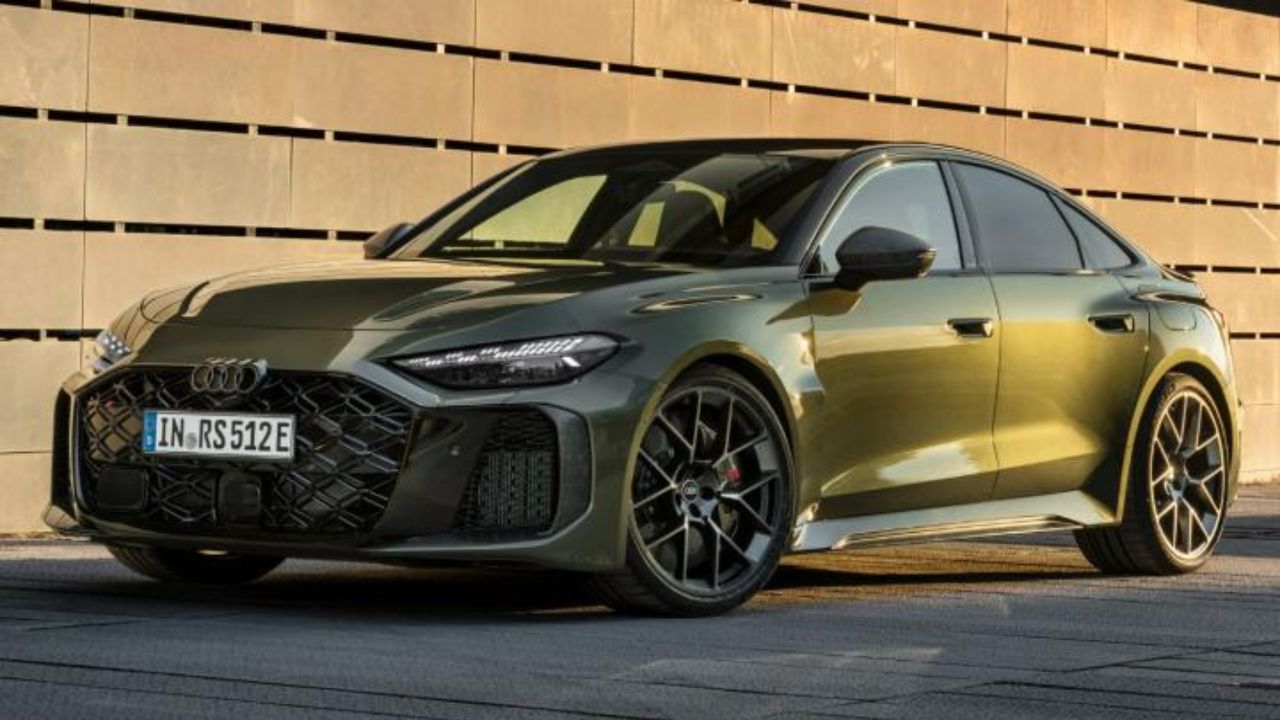
The performance sedan market in India is preparing for a major arrival. Audi recently confirmed the launch of the new RS 5 in the Indian market. Following a global debut in February 2026, the updated model introduces a drastic shift in Audi nomenclature and engineering. Under the new naming strategy, even numbers represent electric vehicles, and odd numbers denote internal combustion engine models. Consequently, the A4 family transitioned into the A5 lineup, making the new RS 5 the direct successor to the previous generation RS 4. Buyers in India will exclusively receive the sedan version. Audi decided to skip the Avant station wagon variant for the Indian market due to the traditional preference for sedans among local luxury buyers. The company will import the performance sedan as a Completely Built Unit. This vehicle represents a major technological leap for the brand. It arrives as the first plug in hybrid RS model in the global lineup. Audi pairs a high output combustion engine with an electric motor to generate massive power figures, signaling a clear shift away from pure petrol setups toward electrified performance. The outgoing S5 Sportback recently disappeared from the Indian website, making room for this flagship offering. Enthusiasts waiting for a German luxury car that balances everyday driving with track level capability have a lot to anticipate. Let us examine the engine specifications, aggressive styling, technological upgrades, and the expected pricing for the 2026 Audi RS 5.
Powertrain and Plug In Hybrid Technology
The most significant update to the 2026 Audi RS 5 sits in the engine bay. Audi engineers equipped the car with a 2.9 litre twin turbo V6 petrol engine. They paired this combustion engine with a potent plug in hybrid system. The internal combustion unit alone produces 510 horsepower and 600 Nm of torque. The electric motor adds an additional 177 horsepower and 460 Nm of torque. Working together, the combined system output reaches a massive 639 horsepower and 825 Nm of torque.
You will immediately notice the difference in straight line speed. The manufacturer claims the sedan sprints from zero to 100 kilometres per hour in a mere 3.6 seconds. An eight speed torque converter automatic transmission sends power to the wheels. This gearbox ensures rapid shifts and smooth power delivery across the rev range. The car also features an advanced limited slip centre differential. Depending on the driving situation, the all wheel drive system can send up to 70 percent of the torque to the front axle or up to 85 percent to the rear axle. This dynamic torque vectoring provides maximum grip during tight cornering and high speed runs.
Because this is a plug in hybrid, you do not always need to consume petrol. The vehicle carries a 25.9 kWh battery pack. Using electric power alone, you can drive the car for over 80 kilometres. This electric range allows you to complete your daily city commutes without engaging the V6 engine. When the battery runs low or you demand maximum performance, the petrol engine seamlessly activates. The battery can accept fast charging at public stations or charge slowly overnight using a standard home wallbox. This dual personality makes the vehicle incredibly versatile for both short grocery runs and long weekend road trips.
| Specification | Details |
|---|---|
| Engine Setup | 2.9 Litre Twin Turbo V6 |
| Electric Battery Capacity | 25.9 kWh |
| Combined Horsepower | 639 hp |
| Combined Torque | 825 Nm |
| Transmission | 8 Speed Automatic |
| Zero to 100 kph Time | 3.6 Seconds |
| Pure Electric Range | 80 Kilometres |
Exterior Styling and Road Presence
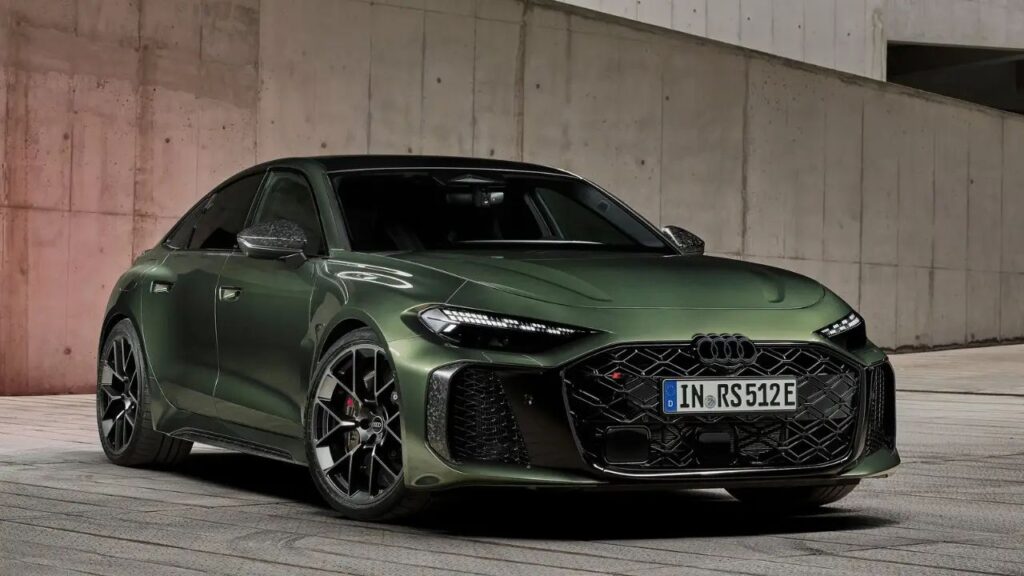
Audi completely redesigned the exterior to separate the RS 5 from the standard A5 sedan. The vehicle has a very wide stance. The designers widened the wheel arches by four centimetres on both sides. This extra width accommodates larger wheels and gives the car an aggressive, muscular appearance. At the front, the massive honeycomb grille dominates the fascia. It provides the necessary airflow to cool the engine and the hybrid components. Large functional air intakes sit on either side of the front bumper to channel air toward the massive brake rotors.
The lighting technology receives a major upgrade. The car features smoked Matrix LED headlamps with chequered flag daytime running lights. These lights adjust their beam pattern automatically to prevent blinding oncoming traffic while providing maximum visibility. At the rear, you will find connected OLED taillights. These taillights feature programmable light signatures and communicate with other road users by flashing specific patterns during sudden braking.
The side profile reveals 20 inch alloy wheels fitted as standard equipment. Behind these large wheels, you can spot the massive RS steel brakes designed to bring the heavy sedan to a rapid halt. Aggressive side skirts manage the airflow running along the bottom of the doors. The rear bumper integrates a prominent aerodynamic diffuser and the signature oval RS exhaust tips. These large exhaust outlets produce a loud, mechanical engine note when you select the aggressive driving modes. The rear diffuser also helps plant the rear end of the car to the road at high speeds.
- Massive front honeycomb grille for improved cooling and aggressive styling.
- Flared wheel arches that increase the vehicle width by four centimetres.
- Smoked Matrix LED headlamps with distinct chequered flag daytime running lights.
- Connected OLED taillights with customisable lighting signatures.
- Factory fitted 20 inch lightweight alloy wheels.
- Signature oval RS dual exhaust tips mounted within the rear aerodynamic diffuser.
Interior Design and Digital Upgrades
The cabin of the Audi RS 5 moves entirely into the digital age. When you step inside, a triple screen dashboard layout immediately catches your eye. The driver gets an 11.9 inch digital instrument cluster displaying vital driving metrics, navigation prompts, and hybrid system status. The centre of the dashboard houses a massive 14.5 inch infotainment screen. This primary screen controls the media, vehicle settings, and climate functions. Audi also includes a 10.9 inch dedicated display for the front passenger. The passenger can watch videos or adjust the navigation without distracting the driver.
The interior materials reflect the premium price tag. You sit in heavily bolstered front bucket seats. These seats keep you firmly in place during hard cornering and feature multiple electronic adjustments. The cabin follows a dark, sporty theme dominated by black leather and Alcantara materials. Red stitching and carbon fibre trim pieces break the dark theme and add a racing aesthetic to the environment. Despite the addition of the hybrid battery under the floor, the sedan retains reasonable headroom and legroom for adult passengers in the back.
The steering wheel gets a specific RS treatment. It features a flat bottom design and includes dedicated buttons for selecting driving modes. You can quickly switch from a quiet, electric only mode to the loudest RS performance mode with a single press. The ambient lighting system offers dozens of colour choices to match your preference. The boot space is slightly smaller than a standard combustion engine sedan due to the battery pack, but it still comfortably holds two large suitcases for an airport run.
- 11.9 inch digital driver display with RS specific layouts.
- 14.5 inch central infotainment touchscreen with connected car features.
- 10.9 inch dedicated screen for the front passenger.
- Sporty bucket seats upholstered in premium leather and Alcantara.
- RS specific steering wheel with dedicated boost and driving mode buttons.
- Multi colour ambient lighting system across the dashboard and door panels.
Driving Dynamics and Handling
Adding a hybrid battery and an electric motor increases the overall weight of the vehicle. Audi engineers worked meticulously to ensure this extra mass does not ruin the driving dynamics. The standard RS steel brakes provide immense stopping power. If you plan to take the car to a race track, you can opt for the carbon ceramic brake package. These ceramic brakes resist fade during repeated heavy braking.
The suspension system uses adaptive dampers. In comfort mode, the suspension softens to absorb bumps and road imperfections, making the car comfortable for daily city use. You still need to slow down over large speed breakers due to the low ground clearance, but the damping effectively filters out minor road undulations. When you switch to dynamic mode, the dampers stiffen significantly. The steering becomes heavier, providing more precise feedback from the front wheels. The active torque vectoring system pushes the car through corners with immense grip.
Despite the heavy curb weight, the electric motor provides instant torque the moment you press the accelerator. This electric assistance eliminates turbo lag completely. You get immediate acceleration exactly when you need it. The combination of the grippy all wheel drive system, the adaptive suspension, and the instant electric torque makes the car feel nimble and incredibly fast on twisty mountain roads. The sophisticated traction control prevents the tires from spinning excessively, ensuring all 639 horsepower translates directly into forward momentum.
| Handling Component | Feature Details |
|---|---|
| All Wheel Drive | Rear biased with up to 85 percent rear torque split |
| Suspension | Adaptive dampers with Comfort and Dynamic modes |
| Standard Brakes | High performance RS steel brake rotors |
| Optional Brakes | Carbon ceramic rotors for track use |
| Steering Setup | Variable ratio with electric power assistance |
Expected Pricing and India Launch Strategy
Audi India plans to bring the RS 5 to the country as a Completely Built Unit. This import strategy means the car will attract heavy customs duties. Industry experts expect the pricing to start at around Rs 1.5 crore, ex showroom. This price positions the sedan at the premium end of the luxury performance segment. Buyers will likely receive extensive warranty coverage on the hybrid battery pack to provide peace of mind regarding the complex new powertrain technology.
The manufacturer recently removed the older S5 Sportback from its Indian website. This move clearly makes room for the new RS flagship model. While an exact launch date remains unannounced, dealership sources expect the car to arrive in showrooms by the second half of 2026. Audi will likely open official bookings a few months before the physical launch, allowing early customers to customise their paint colors and interior trim options.
If you are considering this vehicle, you must understand its market position. The primary rival in India is the Mercedes AMG C63 S E Performance, which also utilizes a complex plug in hybrid powertrain. Another competitor is the BMW M3 sedan, known for its pure combustion engine approach. The Audi appeals to buyers who want a comfortable daily driver that can operate silently on electric power, yet still deliver immense speed when requested. The massive battery, aggressive styling, and updated cabin technology make the 2026 RS 5 a highly compelling choice for luxury performance buyers in India.