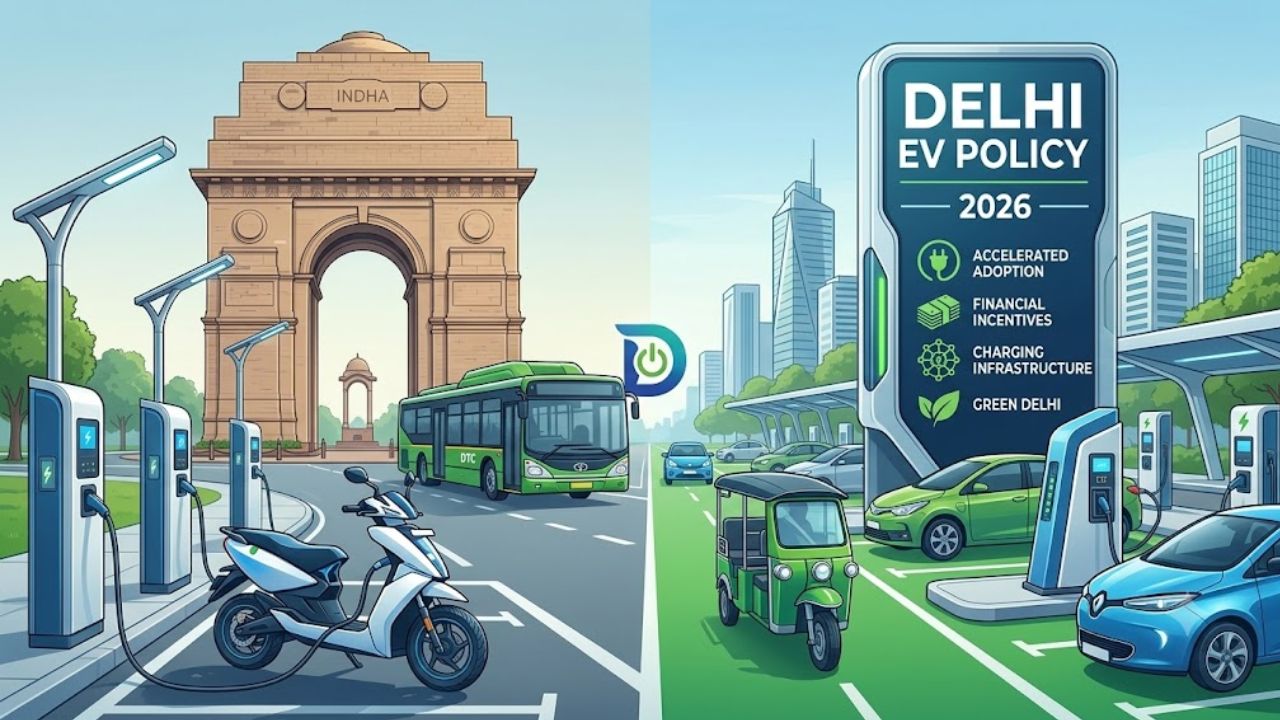
The Delhi government has approved the Delhi EV Policy 2026 which introduces ambitious measures to accelerate the adoption of electric vehicles in the national capital. Effective from July 1 2026 and valid until March 31 2030 the policy includes a phased ban on internal combustion engine vehicles with a key focus on two wheelers. From April 1 2028 only new electric two wheelers will be eligible for registration in Delhi marking a significant shift in urban mobility strategy.
This policy aims to combat severe air pollution by promoting cleaner transportation options. Two wheelers constitute a large portion of Delhi vehicle stock making their electrification a critical step toward improving air quality and reducing emissions.
Timeline for Electric Vehicle Transition
The policy establishes clear deadlines for different vehicle categories to transition to electric powertrains. For two wheelers the cutoff is April 1 2028 after which only electric models can be newly registered. Auto rickshaws and N1 goods carriers face an earlier deadline with only electric versions permitted from January 1 2027.
These timelines provide the industry and consumers with adequate preparation time while sending a strong signal about the governments commitment to sustainable mobility. The phased approach allows manufacturers to ramp up production and charging infrastructure to develop in tandem with demand.
Purchase and Scrappage Incentives to Boost Adoption
To encourage the switch to electric vehicles the policy offers attractive financial incentives. Electric two wheeler buyers can avail up to Rs 30000 in purchase support while electric three wheelers and N1 goods vehicles qualify for up to Rs 50000 and Rs 1 lakh respectively. These incentives are structured to decrease over time encouraging early adoption.
Scrappage incentives ranging from Rs 5000 to Rs 1 lakh are available for those replacing older polluting vehicles with electric alternatives. All incentives will be directly credited to beneficiaries bank accounts streamlining the process and ensuring transparency.
Additional benefits include road tax and registration fee exemptions further reducing the cost of ownership for electric vehicles. These measures combined with the registration restrictions create both push and pull factors for EV adoption.
Infrastructure Development Targets
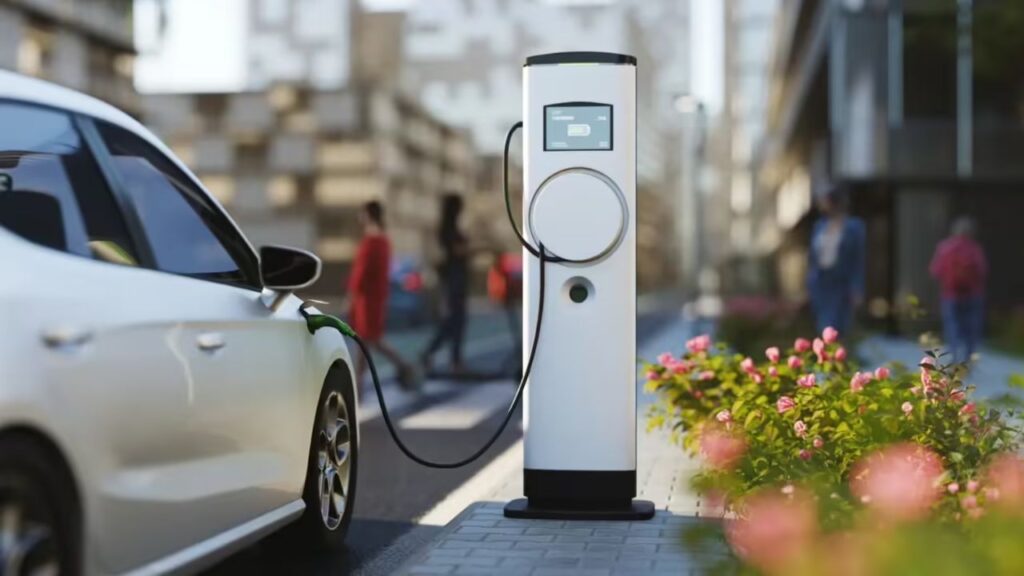
A key pillar of the Delhi EV Policy 2026 is the expansion of charging infrastructure. The government has set a target of installing over 30000 EV charging points across the city to address range anxiety and support growing electric vehicle numbers. This network will include public charging stations at strategic locations such as parking areas commercial hubs and residential complexes.
The focus on infrastructure development is essential for the success of the electrification mandates. Adequate charging availability will encourage consumers to make the switch and ensure the policy achieves its environmental goals.
Impact on Two Wheeler Industry and Sales Projections
The April 2028 deadline for two wheelers is expected to have a substantial impact on the industry. Analysis suggests that such policies could increase the electric vehicle share in two wheeler sales to 21 to 23 percent by financial year 2029 compared to 18 to 20 percent without the mandate. This could add nearly six lakh electric two wheelers to national sales volumes.
Two wheelers account for around 67 percent of Delhi registered vehicles making this transition particularly significant. The policy may also inspire similar initiatives in other states accelerating nationwide electric vehicle adoption.
Manufacturers are likely to respond by expanding electric two wheeler portfolios and improving technology to meet demand. The incentives and market signals will encourage investment in research development and local manufacturing.
Key Provisions of Delhi EV Policy 2026
- Only electric two wheelers eligible for new registration from April 1 2028
- Electric only registration for auto rickshaws and N1 goods carriers from January 1 2027
- Purchase incentives up to Rs 30000 for electric two wheelers
- Scrappage incentives for replacing old vehicles with electric models
- Target of over 30000 charging points across Delhi
Environmental and Economic Benefits
The policy is designed to deliver multiple benefits including improved air quality reduced dependence on imported fossil fuels and creation of green jobs in manufacturing charging infrastructure and related services. By targeting high impact vehicle categories it addresses a major source of urban pollution.
Economically the transition supports local industry through incentives for domestic production and fosters innovation in battery technology and vehicle design. Consumers stand to gain from lower running costs and modern features associated with electric vehicles.
Challenges and Implementation Considerations
While the policy sets ambitious targets successful implementation will require coordination between government agencies manufacturers and consumers. Challenges include ensuring sufficient charging infrastructure scaling up supply chains and addressing consumer concerns about electric vehicle technology.
The government has emphasised stakeholder consultation during policy formulation to address potential issues. Ongoing monitoring and adjustments will be necessary to achieve the desired outcomes while minimising disruptions.
The Delhi EV Policy 2026 represents a comprehensive approach to sustainable mobility combining regulatory measures financial incentives and infrastructure development. Its focus on two wheelers recognises their dominant role in urban transportation and potential for rapid electrification.
As the policy takes effect from July 1 2026 all stakeholders will need to prepare for the changes ahead. For consumers this means evaluating electric two wheeler options and planning for the transition. Manufacturers will focus on meeting the new demand while expanding charging networks.
The long term vision extends beyond 2030 with continued emphasis on electric mobility as a cornerstone of Delhis environmental strategy. This policy positions the national capital as a leader in clean transportation initiatives that could serve as a model for other cities facing similar challenges.
In summary the Delhi EV Policy 2026 with its mandate for electric only two wheeler registrations from 2028 marks a decisive step toward cleaner air and sustainable mobility. Supported by incentives and infrastructure development it creates a robust framework for transition. The coming years will test the effectiveness of this approach but the policy clearly signals Delhis commitment to a greener future.