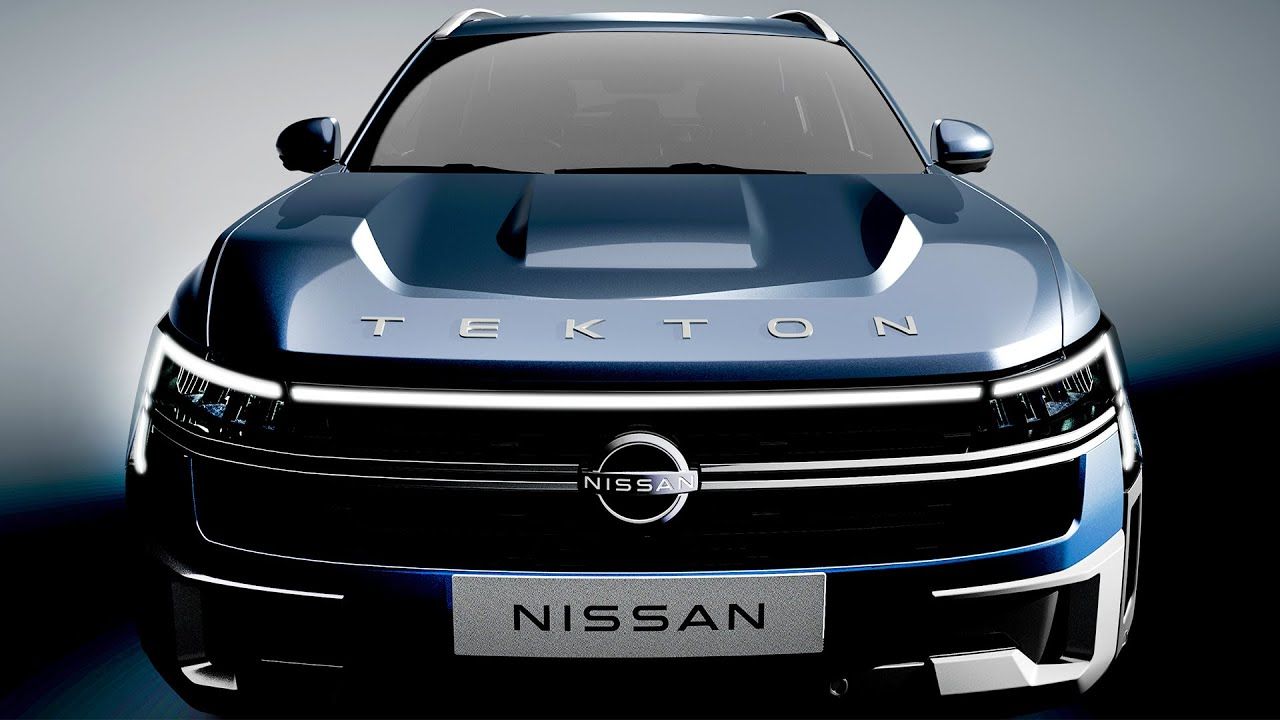
Come summer of 2026, eyes turn toward Nissan reviving its presence in India’s growing midsize SUV scene through the debut of the Tekton. Slated for first look globally on July ninth, this model arrives wrapped in meaning – Tekton stems from an old term for builder, hinting at structure, skill, backed by solid form. Rather than chasing trends, it borrows bold lines seen once on Patrol and Armada models, giving rise to whispers calling it a smaller sibling among giants. Though placed in the upscale corner of the Compact SUV group, its soul leans on heritage, not flash, pulling threads from past greatness while stepping into new territory. Instead of shouting innovation, it stands quietly, shaped like purpose.
From the Chennai factory tied to the Renault-Nissan partnership, the Tekton emerges through the “One Car, One World” approach – ready for India, possibly beyond. Sitting on the CMF-B base, just like the latest Renault Duster, its sights are set on models such as the Hyundai Creta, Kia Seltos, Toyota Urban Cruiser Hyryder, along with the Maruti Suzuki Grand Vitara. By June 2026, exact details and price tags remain hidden before release, yet behind-the-scenes images, teaser clips, plus inside knowledge already sketch a solid outline of what lies beneath the surface.
How would Exterior Of This Car Look ?
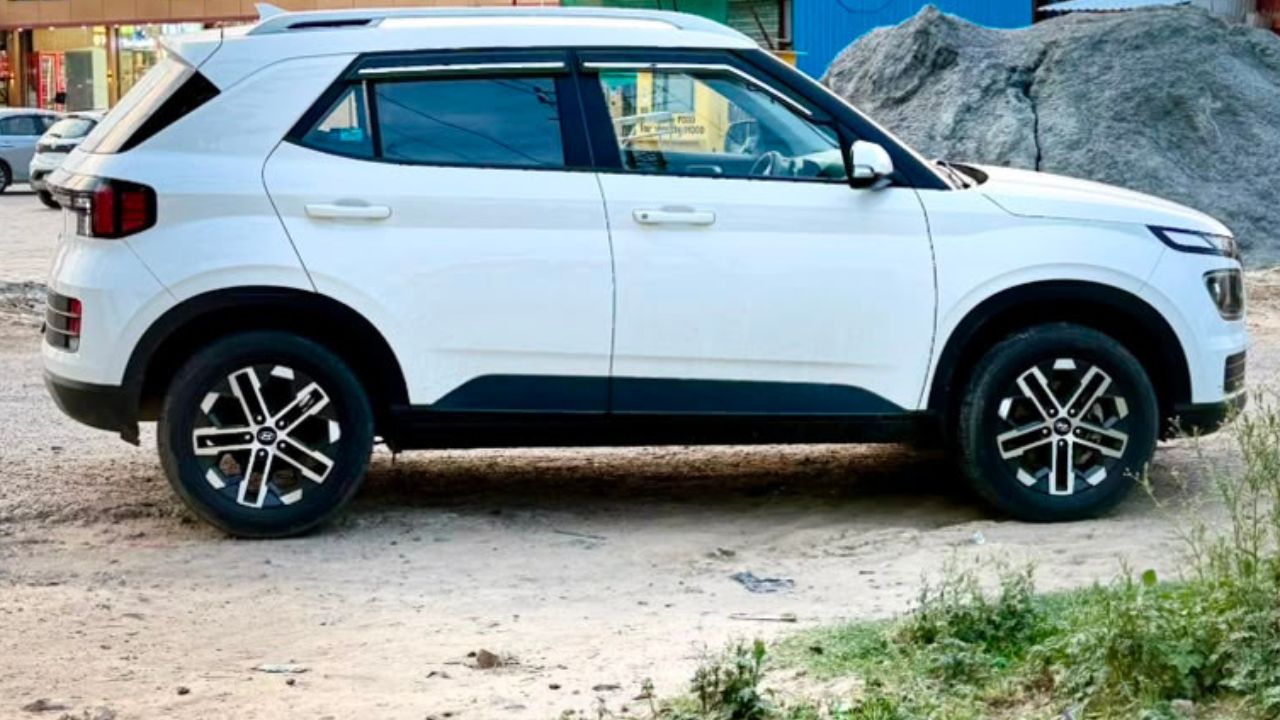
Standing tall, the Tekton carries itself like a true SUV built for challenge. Lit by C-shaped LEDs, its face pairs sharp lights with shiny trim across the grille. A strong bumper wears fake aluminum pieces, adding grit up front. Stretching edge to edge at the back, the taillight forms a glowing line borrowed from the Patrol’s tough look. From the side, it shows off thick pillars, wide fenders, and rails along the roof – each piece building an unshakable outline.
Standing tall among compact SUVs, its size fits right into the C-segment – roughly 4,300 millimeters long, giving ample room inside thanks to a 2,657-millimeter stretch between wheels. Built to handle uneven terrain, it should offer solid ground clearance, likely over 200 millimeters, suited well for India’s varied roads. Bright paint options meet sharp-looking alloys, shaping a look that balances class with real-world toughness. Unlike softer city-focused models, this one leans on bolder styling without sacrificing everyday strength.
What About Interior Design And Modern Features ?
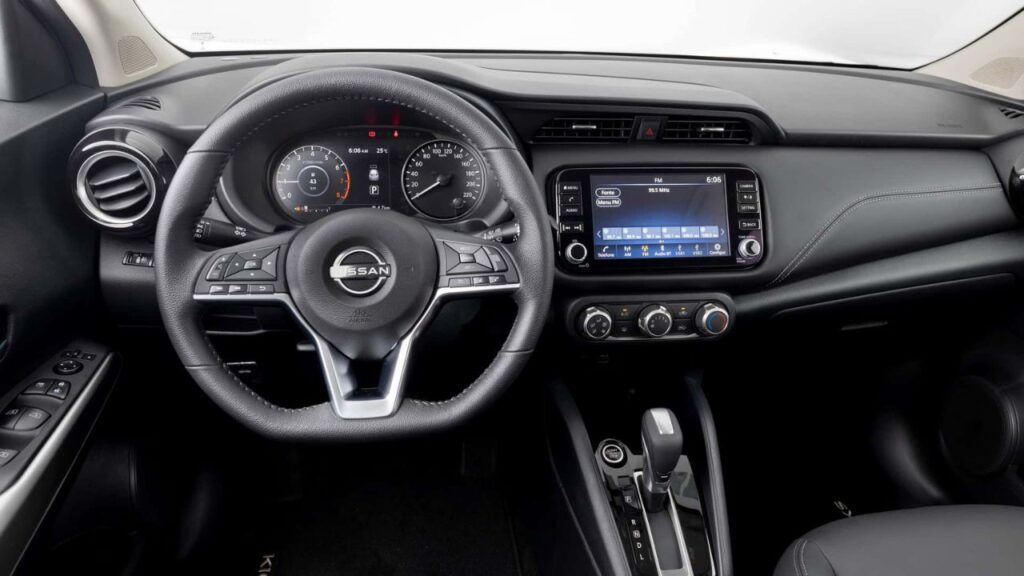
Inside, details stay under wraps but clues suggest a clean, upscale feel. A digital dash appears standard, along with a big center screen – probably between ten and twelve inches on better models. Connectivity comes through without cables, supporting both major phone systems. Soft glow lights run along the edges, matching fine fabric on seats. Top versions might get a wide glass roof overhead. Power starts at the touch of a button there too. Charging happens without plugging in. Sound fills the space through speakers tuned for clarity.
Among soft surfaces, you’ll spot shiny black panels and brushed metal bits that lift the feel inside. Stretch-out room up front and behind makes life easier, especially when someone tall climbs into the back. High-end versions probably include semi-autonomous driving aids, a full-view camera setup, along with smart phone linking – just what others in this group offer too.
Engine And Performance Specs
Expect the Tekton to come with petrol and hybrid engines that sip less fuel while delivering solid go. Performance stays sharp, tuned especially for how people drive across India. Diesel lovers will be left out – none planned at launch.
A small turbo petrol engine kicks things off – borrowed from the Magnite family – delivering roughly 100 horsepower and 160 newton-meters of twist. This version links up with a six-speed stick shift. Zippy performance makes it well suited for getting around town without fuss.
A 1.3-liter turbo petrol powers the mid and higher trims, offering around 156 to 163 horsepower along with 250 to 280 newton-meters of twist. Choose between a six-speed stick shift or a six- or seven-speed dual-clutch automatic setup. Highway passing feels confident even when the car carries weight, thanks to solid surge in the middle gears.
A powerful 1.8L hybrid system should lead the lineup, mixing a gasoline engine with an electric motor plus a compact battery of roughly 1.4 kWh. Power totals close to 160 horsepower, delivering strong fuel economy – official figures suggest 23 to 25 kilometers per liter. This setup probably uses a CVT or a specialized gearbox built just for hybrids.
Front wheels handle the driving in every version offered. Smoother rides come from well-tuned performance, quieter cabins, along with selectable settings behind the wheel. On regular roads, petrol models may deliver between 15 and 18 kilometers per liter, while hybrids climb past 22 – putting them ahead where daily expenses count.
| Engine / System | Power Output (HP) | Torque (Nm) | Transmission Options | Fuel Economy (km/l) |
|---|---|---|---|---|
| 1.0L Turbo Petrol | ~100 HP | ~160 Nm | 6-speed Manual | 15-18 |
| 1.3L Turbo Petrol | 156–163 HP | 250–280 Nm | 6-speed Manual / 6- or 7-speed DCT | 15-18 |
| 1.8L Strong Hybrid | ~160 HP (combined) | N/A (electric assist) | CVT / Dedicated hybrid gearbox | 23-25 |
Pricing and Variants
One step closer to launch, specifics per version stay under wraps. Likely price tags in Delhi sit between ₹11 lakh and ₹19 lakh before registration. This lines up sharp competition on cost alone. Lower entry points might happen if battery leasing rolls out. Government perks could tilt numbers down too.
| Variant (Expected) | Engine | Transmission | Price (₹ Lakh) |
|---|---|---|---|
| Visia Base | 1.0L Turbo Petrol | 6MT | 10.5 – 11.5 |
| N-Connecta | 1.3L Turbo Petrol | 6MT / DCT | 13.0 – 15.0 |
| Tekna Mid | 1.3L Turbo Petrol | DCT | 15.0 – 16.5 |
| Tekna Plus Hybrid | 1.8L Strong Hybrid | Hybrid Automatic | 16.5 – 19.0 |
Right now, these numbers are just rough guesses – what you pay could shift depending on where you live and local deals. Down the line, maybe by 2027, Nissan might roll out extra versions or even a three-row model.
Safety and Practicality
Most versions will have several airbags, plus ABS paired with EBD for better braking. Electronic stability control comes standard, along with hill-start assist to prevent rollback. Tyre pressure alerts keep an eye on tread safety at all times. Top models go further – featuring advanced driver aids like automatic emergency stops. Lane guidance helps maintain position without constant steering tweaks. Cruise control adjusts speed based on traffic flow ahead. Built on Nissan’s sturdy CMF-B frame, the car holds up well under stress. Engineering choices aim squarely at durability through smart design.
Inside, room matters most – five seats fit without squeeze. Storage shifts smoothly behind the back row. Families across India will find cool air reaching every corner seat. Surfaces resist stains, handle spills well. Coming down the line, seven seats arrive under a different name. That one follows after this.
Ownership Experience Market Positioning
Starting fresh in India matters more now for Nissan. A growing number of dealers could make reaching customers easier over time. Backing that up, solid service terms might tip choices their way. Warranty likely lasts between three and five years, sometimes longer. Hybrid batteries come with separate long-term promises. Fixing things won’t demand a fortune, mainly because parts mix across brands inside the alliance.
Out there among city workers and busy households, the Tekton pulls attention with sharp looks, plenty of tech, along with agile handling and solid fuel economy. Built right here in India, it also sets sights beyond borders, showing Nissan means business locally. Rivals crowd the space, though, making it crucial that fit, finish, and ride comfort meet what buyers expect.
Future Outlook
After launch, Nissan will roll out more electric vehicles along with extra models before 2027. Not long after the Tekton arrives, another wave could bring fresh SUVs and battery-powered options. Testing has already begun, with prototypes spotted handling bumpy terrain across changing weather zones. What’s clear is that real-world trials are shaping how these cars perform on India’s toughest routes.
Summer heat builds just before July ninth, when Nissan plans its big moment. A new kind of presence steps into view – solid frame, sharp lines, built without hiding details. Underneath rests familiar engineering, tuned now for different roads, varied demands. Some will care about fuel types; others watch how it handles long stretches. Price whispers suggest room to move within tight markets. Alliance backing means parts flow easier, service follows close. Not every feature shouts, yet most stay useful day after day. Buyers eye space, comfort, how light enters through wide glass. Competition already holds ground, firm in habits. This model does not copy – it shapes another path. Attention grows, quiet but steady, ahead of first drives.