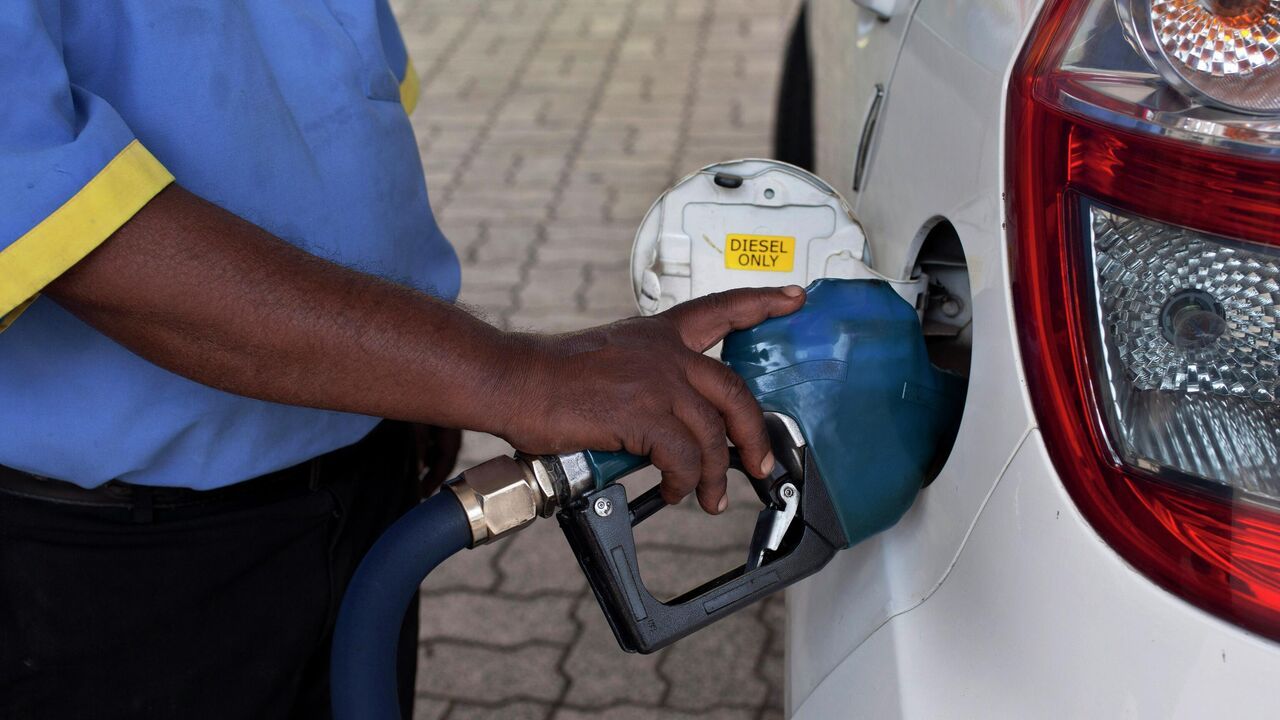
Right now, the Indian passenger vehicle market is changing fast. By mid-2026, things look pretty different. In May that year, fuel prices jumped by ₹3 per litre in major cities, thanks to trouble in West Asia and supply problems at the Strait of Hormuz. Petrol ended up costing ₹97.77 and diesel ₹90.67 per litre in Delhi. This tight gap almost no difference has made diesel less attractive. It’s become very hard for buyers to justify paying more up front for diesel when the price advantage is so small.
Indians used to love diesel cars. They handled highways well, gave great mileage, and had tons of torque for easy overtaking. But those days are fading. Diesel’s share of new car sales dropped from 33% in 2019 to less than 18% in 2026. Blame stricter rules and city registration bans – buyers are now forced to rethink their options.
So, why are diesel cars vanishing from the Indian market?
Regulations have hit hard. The government rolled out strict emission standards that make diesel engines ridiculously expensive to manufacture. With BS6 Phase 2 norms starting in April 2023, the testing moved from labs to real roads. Real Driving Emissions (RDE) systems catch what’s actually coming out of cars, and diesel engines have a tough time they naturally spew more Nitrogen Oxides (NOx) and Particulate Matter (PM). To meet these limits, manufacturers install costly Selective Catalytic Reduction (SCR) hardware. This system uses AdBlue basically, a water and urea solution to clean up NOx emissions.
On top of that, Diesel Particulate Filters (DPF) are now mandatory. They catch microscopic soot and require complex exhaust setups. All this adds at least ₹1.5 lakh to ₹3 lakh on top of the price of a petrol car. For small cars, this extra cost just doesn’t make sense, so diesel dropped out of the compact segment almost completely. Maruti Suzuki, Volkswagen, Skoda, and Honda all quit making diesel cars. Now, only a handful of brands are left, and Mahindra owns more than half the remaining diesel car market.
Is buying a diesel car in Delhi-NCR or other big cities just too risky now?
Honestly, yes. The National Green Tribunal (NGT) sticks to a strict rule: diesel cars in Delhi-NCR only get a 10-year registration. After that, no matter how good your car’s condition is, it’s banned from the roads. Resale values have tanked because of this – used diesels sell for ₹50,000 to ₹1,00,000 less than petrol cars of the same age.
Short city drives are tough for diesel, too. The DPF needs hot exhaust to burn off trapped soot. In Delhi’s traffic, the exhaust never gets hot enough, so the filter clogs up. This triggers warning lights, puts the engine in “limp mode,” and destroys acceleration. Repairs aren’t cheap, either. Because of all these hassles, city buyers are steering clear of diesel cars.
Is diesel still worth it in 2026? Let’s do the math.
Here’s how petrol and diesel mid-size SUVs stack up using current fuel prices in Delhi:
- Diesel SUV costs ₹2,00,000 more than petrol right off the bat.
- Fuel costs: ₹97.77 per litre for petrol, ₹90.67 for diesel.
- Real-world mileage: 13 km/l for petrol, 17 km/l for diesel.
- Running costs: ₹7.52/km (petrol) and ₹5.33/km (diesel).
You save ₹2.19 for every km with diesel, a decent gap. But to recover that extra ₹2,00,000 you paid up front, you need to clock over 91,000 kilometers. If you drive about 12,000 km a year, it’ll take 7.6 years to break even. Add in AdBlue refills and pricier oil changes, and the break-even stretches past 8 years. For most city drivers, diesel just isn’t practical anymore.
What else can you buy instead of diesel?
There are plenty of options now. Some match or even surpass diesel’s efficiency and torque.
- Strong Hybrid Electric Vehicles (SHEVs): These mix a petrol engine with an electric motor. In traffic, they run mostly electric, delivering 22-25 km/l. Popular picks are Toyota Innova HyCross, Urban Cruiser Hyryder, and Maruti Suzuki Grand Vitara.
- Battery Electric Vehicles (EVs): If you can charge at home, EVs are unbeatable for low running costs (under ₹1.5/km). They’re smooth and quiet in traffic. The Tata Nexon EV, MG Windsor EV, and Mahindra BE 6e are solid choices with long-lasting batteries.
- Modern Turbo-Petrol Engines: Want torque? Turbo-petrols like Volkswagen Taigun 1.0 TSI or Kia Syros 1.0 T-GDi give great pull at low speeds. Flooring it will drop your mileage, but they feel fun to drive.
- Factory-Fitted CNG Cars: CNG technology’s improved a lot. Tata’s twin-cylinder setup keeps boot space, and AMT gearboxes make city driving easy.
How do these powertrains compare over five years?
Here’s a quick breakdown using 15,000 km/year:
- Petrol: 13 km/l, ₹7.52/km, ₹5,99,000 total.
- Diesel: 17 km/l, ₹5.33/km, ₹4,54,750 total.
- Strong Hybrid: 23 km/l, ₹4.25/km, ₹3,58,750 total.
- Electric (EV): 6 km/kWh, ₹1.5/km, ₹1,22,500 total.
EVs are the cheapest to run and maintain by far. Hybrids offer a solid balance – diesel-like city mileage without range anxiety or charging headaches.
But when does diesel still make sense?
Diesel isn’t totally dead, just specialized. It’s ideal if:
- You drive more than 25,000 km a year, mostly highways, so the DPF gets a chance to regenerate naturally.
- You need a big, body-on-frame SUV like the Toyota Fortuner or Mahindra Scorpio-N for heavy loads or tough terrain. These beasts actually need diesel’s torque.
- You live outside areas with strict bans like Delhi-NCR and plan to keep the car for its whole life.
The default “diesel for everyone” era is gone. Now, it’s a niche option for specific needs. If you do mostly city driving, go with a strong hybrid, EV, or a modern turbo-petrol. Just match your car to the kind of mileage you actually do – it’s the smartest way to spend your money.