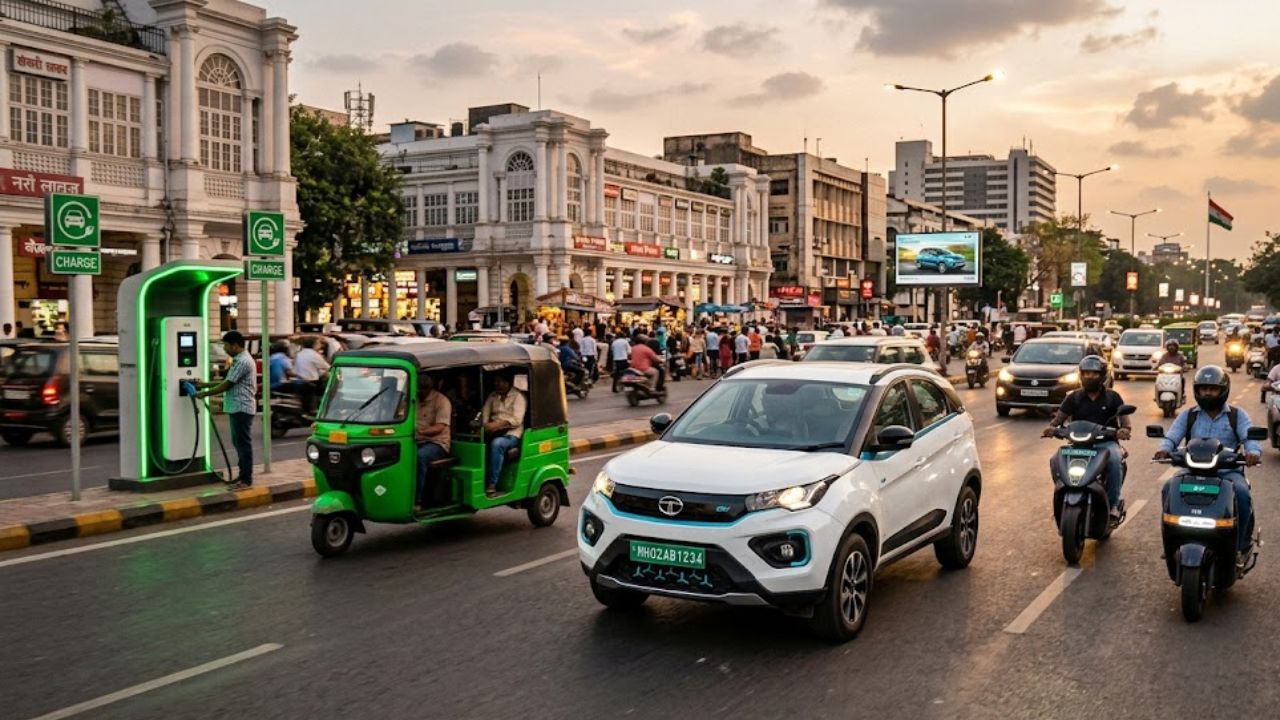
Car showrooms in smaller Indian cities are crowded with buyers looking at electric vehicles. The promise of running a car for one rupee per kilometer sounds unbeatable. Petrol prices hover near one hundred rupees per liter, making the switch attractive. Marketing brochures focus entirely on fuel savings, rarely mentioning the structural differences of running an electric car outside major metropolitan areas. Tier-2 cities present a different set of operational parameters. Power distribution grids, local tax structures, and residential layouts vary wildly between regions. Indore, Coimbatore, and Surat are leading the charge in vehicle adoption, yet the math is not uniform. Buyers often calculate their budget using simplified online formulas. Real-world ownership reveals localized expenses that salesmen omit during the test drive. Evaluating the true economic impact requires a cold look at domestic electricity bills, municipal policies, and mechanical realities. Let us break down the exact expenses you will face.
What is the actual electricity cost for charging an EV at home in Indore?
Charging an electric hatchback or sedan at home modifies your domestic electricity bill structure. In Indore, the Madhya Pradesh West Zone Electricity Distribution Company uses a slab-based billing system. If your household consumption is already high, adding a vehicle pushes you into the highest tariff bracket. The base rate for consumption above 300 units sits at approximately ₹6.98 per unit. You must also factor in a 9% state electricity duty along with fixed monthly charges. A standard electric car with a 30 kWh battery pack requires about 33 units of electricity to charge fully from zero, accounting for minor transmission losses. At the top slab rate, a single full charge costs roughly ₹230 in pure energy charges. If you drive 1,500 kilometers a month, you will charge the vehicle around six times. This adds nearly 200 units to your monthly statement. This push can shift a household into a luxury consumption bracket, increasing your overall bill by more than just the car charging cost.
Are there hidden expenses when installing a private electric car charger in an apartment?
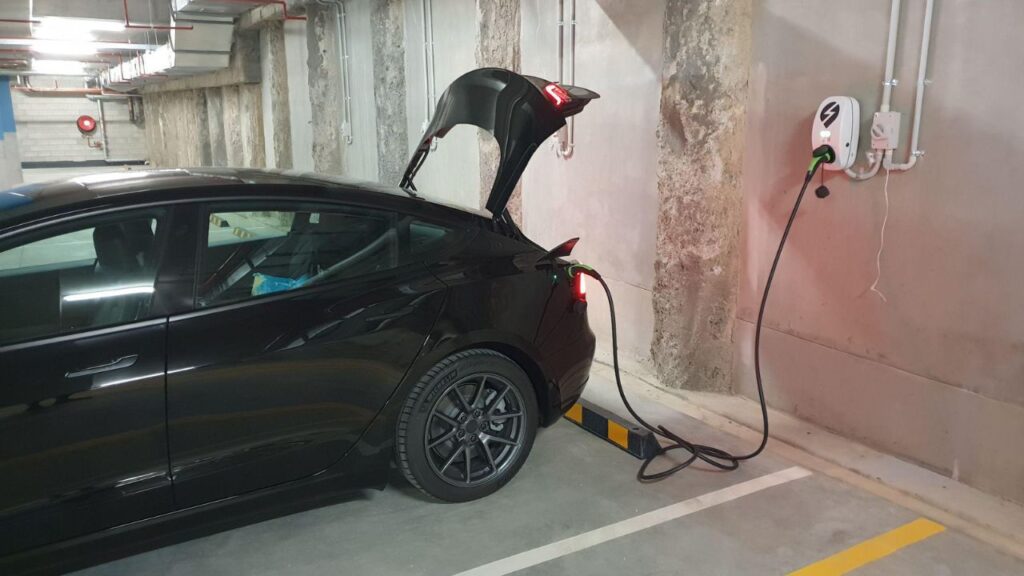
The true expense of home charging begins before the vehicle arrives. Car manufacturers bundle a standard wallbox charger with the purchase, but installation is rarely free. In residential societies across Coimbatore or Indore, you cannot simply drop a wire from your balcony. You need a dedicated line from your primary meter down to your parking slot. Copper wiring costs money. If your parking space is fifty meters away from the electrical duct, the heavy-duty cabling alone can cost ₹15,000. You will also pay for conduits, labor, and safety switchgears. Apartment associations frequently demand a separate sub-meter to track usage accurately. Sometimes the existing sanctioned load of your house is insufficient. Running a 7.2 kW fast charger alongside two home air conditioners will trip your main breaker. Upgrading your load involves security deposits and administrative fees, typically requiring an outlay between ₹25,000 and ₹45,000. This is a upfront cash expense that extends the timeline required to break even on your investment.
How much do you save on road tax and government incentives in Gujarat and Tamil Nadu?
State policies drastically alter the upfront acquisition cost. Surat buyers face a completely different financial calculation than those in Coimbatore. The massive direct purchase cash subsidies in Gujarat ended in 2024 when the state met its initial implementation targets. Buyers today do not get a flat ₹1.5 lakh discount on electric cars anymore. Instead, the current state framework offers a reduced Motor Vehicle Tax of 1%, down from the standard 6%. For a car priced at ₹12 lakh, this specific tax reduction saves you around ₹60,000 at the regional transport office. This benefit remains active until March 31, 2026. In Tamil Nadu, the government has historically provided road tax exemptions to encourage green mobility, but local administrative adjustments happen frequently. Coimbatore buyers must check the active notification status at the time of registration. These fluctuating state benefits mean vehicle costs depend heavily on your specific regional boundaries.
Regional Cost Comparisons for Electric Vehicle Ownership
| City | Average Home Power Cost (per Unit) | Local Registration Tax Benefit | Primary Operational Hurdle |
| Indore | ₹6.98 (Highest slab + 9% duty) | Standard national road tax cuts | Rigid residential slab steps |
| Coimbatore | ₹8.00 to ₹9.00 (High tiers) | Periodic road tax waivers | High industrial/fixed charges |
| Surat | ₹7.00 (Average domestic) | 1% Motor Vehicle Tax till March 2026 | Discontinued direct cash subsidies |
Why do electric vehicle tyres and brake pads wear out faster in city driving?
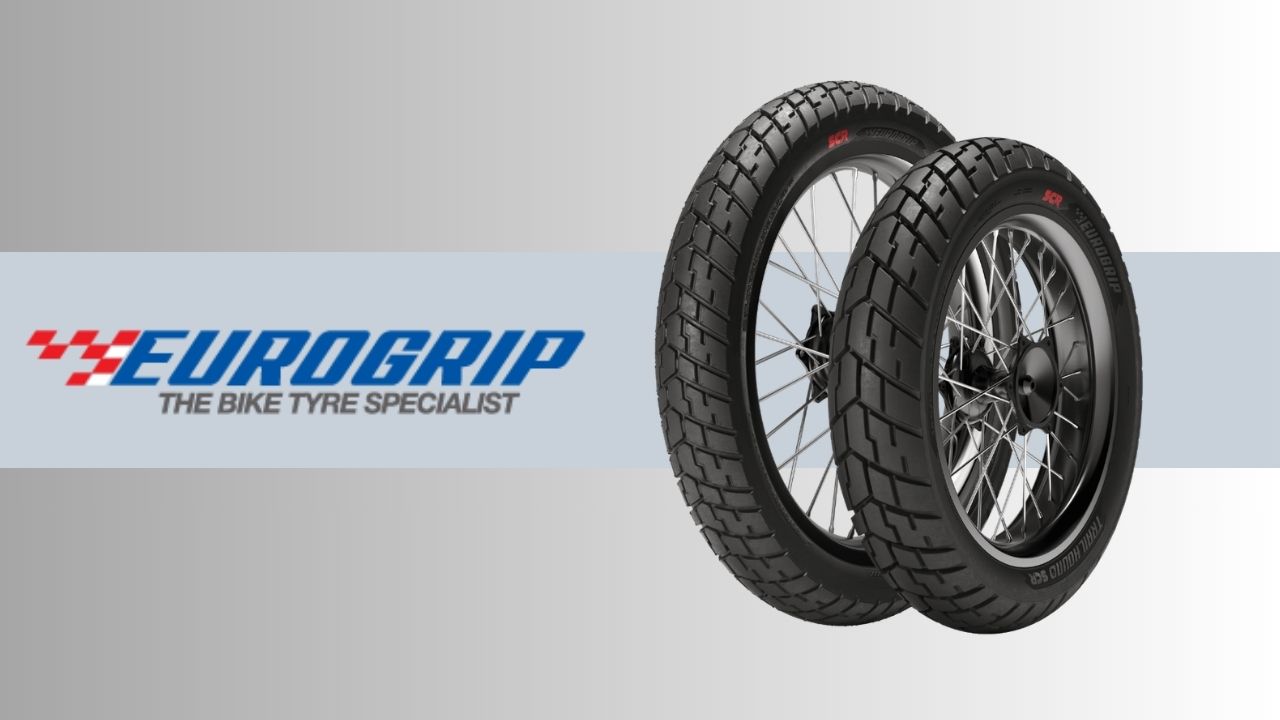
Mechanical maintenance is cheap but it is not zero. Electric cars do not need engine oil changes, spark plugs, or air filters. This saves thousands of rupees annually at the service center. However, the physical architecture of the vehicle introduces new operating expenses. Batteries are heavy. An electric hatchback weighs several hundred kilograms more than its petrol equivalent. This extra mass puts constant pressure on the suspension components and tyres. Electric motors also deliver maximum torque instantly the moment you press the accelerator. This instant power delivery causes subtle tyre slippage that accelerates tread wear. Owners in tier-2 cities often find their front tyres wearing out completely within 25,000 kilometers. Standard low-rolling-resistance replacement tyres for electric models cost more than conventional rubber. Conversely, braking tells a different story. Regenerative braking uses the electric motor to slow the vehicle down while recapturing energy. This system spares the physical brake pads from constant friction. Your brake pads might last longer, but the accelerated tyre replacement cycle balances out those specific savings.
Is public fast charging cheaper than petrol or diesel on long trips?
The financial advantage of an electric car depends heavily on where you plug it in. Home charging is highly economical. Public DC fast chargers are an entirely different story. Private charging network operators face commercial electricity tariffs, high land rents, and massive infrastructure setup costs. They pass these expenses directly to the consumer. Charging your vehicle at a highway station typically costs between ₹15 and ₹25 per unit of electricity. Some networks add convenience fees or parking session charges on top of the power cost. A full charge at a public fast station can easily cost ₹700 to ₹800. If you rely solely on public infrastructure because your apartment complex blocks home installation, your running cost doubles. The financial gap between running an electric vehicle and a highly efficient diesel car narrows quickly under these conditions. Fast charging is excellent for occasional outstation travel, but using it as your primary source of fuel destroys the economic justification for buying an electric vehicle.
Direct Running Cost Analysis per Kilometer
| Fuel Source | Source Location | Estimated Cost per Unit / Liter | Real-World Cost per Kilometer |
| Home Electricity | Domestic Connection (Indore) | ₹7.60 (Incl. Duty) | ₹1.20 to ₹1.50 |
| Public DC Fast Charger | Highway Station | ₹22.00 | ₹3.50 to ₹4.00 |
| Petrol | Standard Fuel Station | ₹102.00 | ₹6.50 to ₹7.50 |
Essential Pre-Purchase Checklist for Tier-2 Cities
- Verify Sanctioned Load: Check your home electricity meter box to ensure it can handle an additional 3 kW to 7 kW of power demand.
- Secure Housing Society NOC: Obtain written permission from your residential committee before purchasing to avoid legal property disputes over common areas.
- Measure Cable Distance: Walk from your electrical meter to your designated parking slot to calculate exact wiring material expenses.
- Review Active State Policies: Confirm if the 1% motor vehicle tax window or road tax waivers are functional at your local RTO.
Practices to Extend Electric Vehicle Component Life
- Limit Fast Charging: Restrict DC fast charger usage to long trips to prevent premature battery degradation from thermal stress.
- Moderate Acceleration: Avoid constant full-throttle acceleration from traffic stops to protect your expensive low-rolling-resistance tyres.
- Utilize Maximum Regeneration: Set your vehicle regenerative braking to the highest level to maximize energy recovery and minimize pad wear.
- Stop at Eighty Percent: Unplug at eighty percent during highway stops because charging speed drops drastically after this point.
Evaluating an electric car goes beyond comparing ex-showroom prices with fuel costs. For drivers in Indore, Coimbatore, or Surat, the financial equation requires local tracking. The savings are genuine if you can install a dedicated home charger and manage your household electricity slabs. Upfront infrastructure setup expenses, higher initial insurance premiums, and faster tyre wear must be factored into your long-term calculations. An electric vehicle remains a practical tool for daily city commuting when managed with clear financial data.