The midsize sedan market in India continues to be highly competitive. Two cars stand out in this space today. The 2026 Honda City and the 2026 Hyundai Verna both offer excellent features, spacious cabins, and reliable performance. This comparison breaks down exactly what you get with each vehicle. If you want a comfortable family car or an engaging daily driver, understanding the specific differences between these two sedans helps you make the right choice.
Exterior Design and Styling
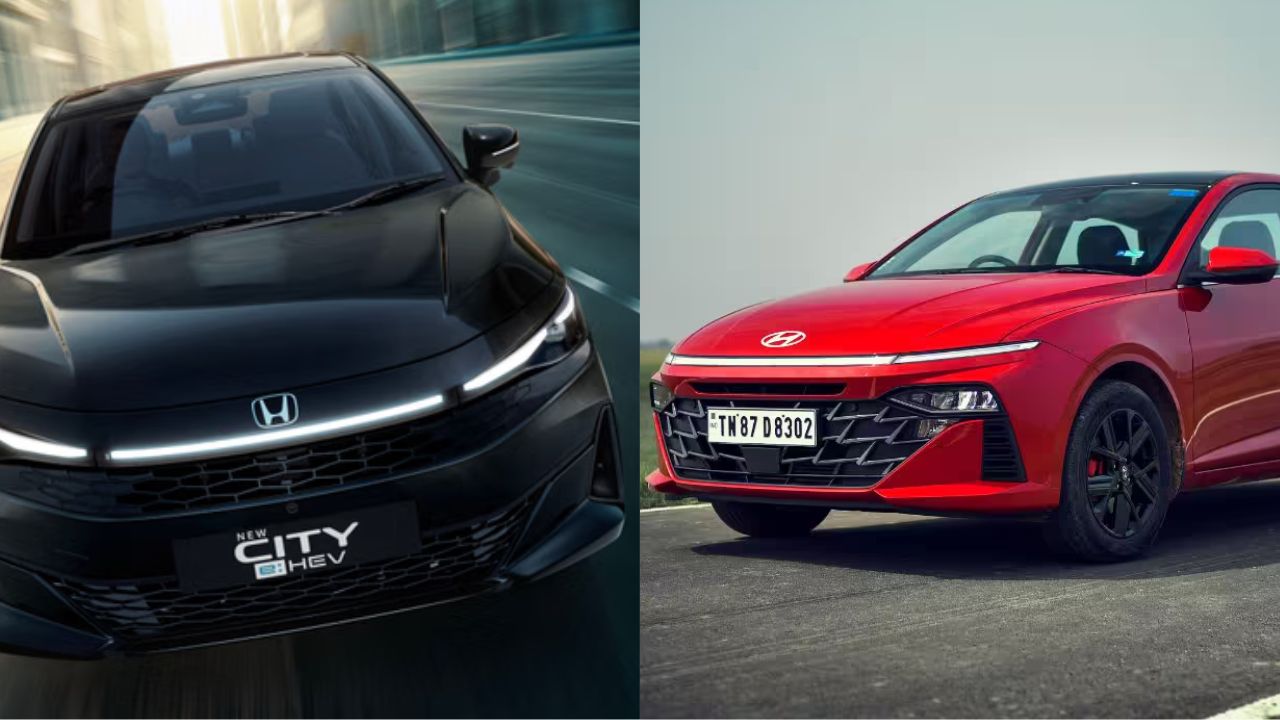
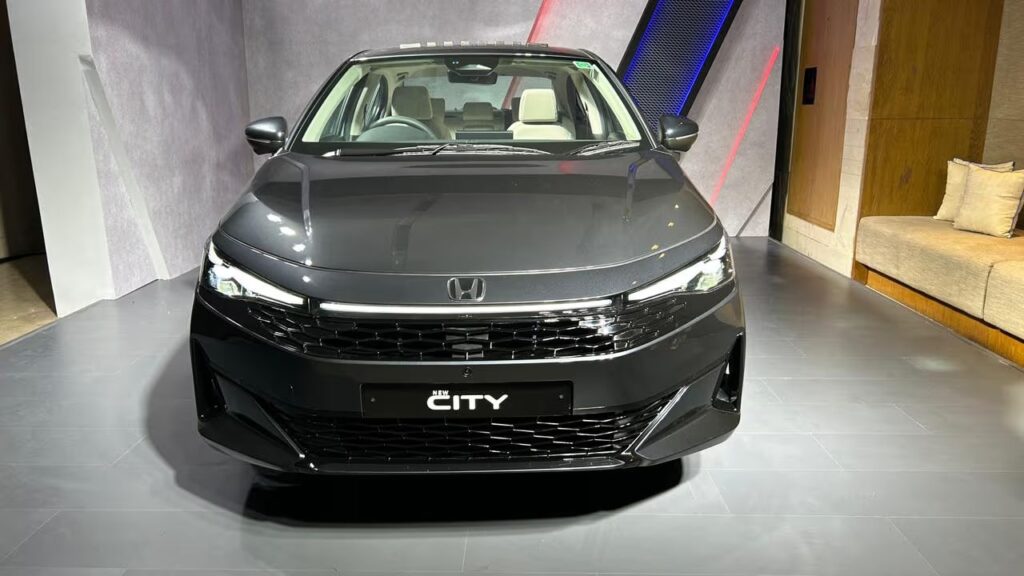
Visual appeal plays a major role in choosing a new car. The 2026 Honda City retains a classic three box sedan profile. It features a chrome grille flanked by LED projector headlamps. The side profile remains clean with sharp character lines running along the doors. At the rear, the City sports wraparound LED taillamps giving it a stable appearance. The overall design leans toward a mature aesthetic. It appeals to buyers who prefer a traditional look over aggressive styling.
The 2026 Hyundai Verna takes a different approach. Hyundai gave the Verna a bold, futuristic design. The front fascia features a wide parametric grille and a continuous LED light bar running across the hood. The side profile incorporates sharp creases and a fastback sloping roofline, giving the Verna a sporty appearance. The rear design includes an LED taillight setup that mirrors the front light bar.
These contrasting design philosophies mean the two cars cater to different visual preferences. The Honda City offers a universally accepted design. The Hyundai Verna opts for sharp angles and lighting signatures that demand attention. Both vehicles come equipped with sixteen inch alloy wheels on higher trims. The Verna features diamond cut designs. The City offers dual tone finishes.
Engine Performance and Specifications
Regarding engines, these sedans offer distinct powertrain options. The 2026 Honda City comes with a naturally aspirated 1.5 liter petrol engine producing 119 brake horsepower and 145 Newton meters of torque. Buyers can pair this engine with a six speed manual transmission or a continuously variable transmission. Honda also offers a unique strong hybrid option. The hybrid pairs the 1.5 liter engine with an electric motor to produce a combined 126 brake horsepower and 253 Newton meters of torque, mated to an electronic continuously variable transmission.
The 2026 Hyundai Verna drops the diesel engine completely and offers two petrol choices. The first is a naturally aspirated 1.5 liter engine generating 113 brake horsepower and 144 Newton meters of torque. You can choose a six speed manual or an intelligent variable transmission. The second option caters to driving enthusiasts. Hyundai offers a 1.5 liter turbocharged petrol engine generating 157 brake horsepower and 253 Newton meters of torque. This turbo engine is available with a six speed manual or a seven speed dual clutch automatic transmission. Honda provides the only strong hybrid in the segment, prioritizing fuel efficiency. Hyundai focuses on outright performance with its turbo engine option.
| Feature | 2026 Honda City | 2026 Hyundai Verna |
| Engine Options | 1.5L NA Petrol, 1.5L Strong Hybrid | 1.5L NA Petrol, 1.5L Turbo Petrol |
| Max Power (NA) | 119 bhp | 113 bhp |
| Max Power (Turbo/Hybrid) | 126 bhp (Hybrid) | 157 bhp (Turbo) |
| Max Torque (NA) | 145 Nm | 144 Nm |
| Max Torque (Turbo/Hybrid) | 253 Nm (Hybrid) | 253 Nm (Turbo) |
| Transmission Types | 6 Speed Manual, CVT, eCVT | 6 Speed Manual, IVT, 7 Speed DCT |
Interior Comfort and Cabin Space
Stepping inside reveals two different approaches to cabin design. The Honda City remains the standard for rear seat space. The interior features a dual tone beige and black theme making the cabin feel spacious. The seats are well cushioned, providing excellent under thigh support. The driver gets an eight way manually adjustable seat. Honda prioritizes ergonomics, keeping physical buttons for climate control within easy reach.
The Hyundai Verna interior feels decidedly more modern. Higher trims feature a black and red theme, while standard versions offer a dual tone layout. The Verna introduces features like a driver seat with memory function. The front seats in the Verna offer both ventilation and heating, whereas the Honda City only provides ventilation. The Verna uses a dual screen setup that integrates the driver display and the central touchscreen.
When comparing space, the Verna holds a slight numerical advantage in wheelbase, measuring 2670 millimeters compared to the 2600 millimeters of the City. Both cars offer exceptional legroom for rear passengers. The Verna offers a massive boot capacity of 528 liters. The Honda City follows closely with a boot space of 506 liters. Both trunks easily accommodate luggage for family road trips.
| Dimension | 2026 Honda City | 2026 Hyundai Verna |
| Overall Length | 4583 mm | 4535 mm |
| Overall Width | 1748 mm | 1765 mm |
| Wheelbase | 2600 mm | 2670 mm |
| Boot Space | 506 Liters | 528 Liters |
Safety Features and Ratings
Safety has become a primary concern for car buyers in India. Both the Honda City and the Hyundai Verna come packed with modern safety equipment. The 2026 Hyundai Verna achieved a full five star safety rating in the Global NCAP crash tests for both adult and child occupant protection. Hyundai equips the Verna with six airbags, an antilock braking system, electronic stability control, and vehicle stability management as standard across all variants.
The Honda City also boasts a strong safety record and a robust body structure. Honda provides six airbags, a tire pressure monitoring system, and electronic stability control. Both manufacturers now include advanced driver assistance systems in their sedans.
Here are the key Level 2 ADAS features available in both vehicles:
- Forward collision warning and avoidance assist
- Lane keeping assist and lane departure warning
- Adaptive cruise control
- Automatic high beam assist
- Lead vehicle departure alert
The Hyundai Verna adds a few extra functions, such as blind spot collision avoidance assist and rear cross traffic collision avoidance assist. The Honda City utilizes a camera based system called Honda Sensing. The Verna uses a combination of radar and camera sensors, which generally provides better reliability in poor weather conditions.
Technology and Infotainment
Modern sedans function as highly advanced electronic machines. The 2026 Honda City features a revised 10.1 inch touchscreen infotainment system on its top trims. Lower variants use an 8 inch display. The driver display is a semi digital instrument cluster with a 7 inch color screen. The connected car technology allows users to remotely control the air conditioning and check vehicle status via a smartphone application.
The Hyundai Verna provides a more extensive list of technology features. The dashboard features a 10.25 inch touchscreen infotainment system merged seamlessly with a 10.25 inch digital instrument cluster. The Verna also supports wired and wireless smartphone connectivity. Audio duties are handled by a premium eight speaker Bose sound system delivering superior sound quality compared to the City.
Hyundai includes its Bluelink connected car suite, offering over sixty connected features. The Verna features a switchable control panel that changes function between media and climate controls at the touch of a button. The Honda City retains tactile knobs for climate control, which many drivers find easier to use while driving.
Ride Quality and Handling
The driving dynamics of these two sedans cater to different priorities. The Honda City is tuned for comfort. Its suspension effortlessly absorbs bumps, potholes, and rough patches on city streets. The steering is light at low speeds, making parking and navigating through tight traffic very easy. On the highway, the City remains stable, but the soft suspension results in noticeable body roll if you take corners at high speeds. The naturally aspirated engine loves to be revved, but cabin noise increases significantly above 3500 revolutions per minute.
The Hyundai Verna offers a more balanced suspension setup. It handles bad roads well but feels firmer than the City. This firmness pays off on the highway, where the Verna feels incredibly planted and confident at triple digit speeds. The turbo petrol variant of the Verna is highly engaging to drive. The dual clutch transmission shifts rapidly, and the steering weighs up nicely as speed increases. The Verna includes paddle shifters, adding to the engaging driving experience. If you enjoy driving enthusiastically, the turbo Verna is clearly the better option.
Fuel Efficiency and Cost of Ownership
Fuel costs remain a crucial factor for daily commuters. The Honda City strong hybrid is the most efficient option in this segment. It delivers a claimed mileage of over 27 kilometers per liter. The naturally aspirated Honda City delivers a claimed 18.4 kilometers per liter with the continuously variable transmission.
The Hyundai Verna naturally aspirated engine offers a claimed mileage of up to 19.6 kilometers per liter with the automatic transmission. Surprisingly, the powerful turbo engine also claims up to 20.6 kilometers per liter due to the efficient dual clutch transmission. In real world traffic, expect the Verna turbo to return around 12 to 14 kilometers per liter. Both cars offer extensive warranty packages and boast wide service networks across India, ensuring peace of mind for owners.
Key Takeways
Choosing between the 2026 Honda City and the 2026 Hyundai Verna depends entirely on your specific requirements. The Honda City excels as a comfortable, reliable family car. It offers unmatched rear seat comfort, excellent ride quality, and a highly efficient hybrid option for buyers who cover long distances daily.
The Hyundai Verna appeals to buyers looking for modern technology, striking design, and robust performance. The turbo petrol engine makes it the fastest car in its class. With a superior feature list, a futuristic dual screen layout, and a top safety rating, the Verna feels like a more premium product. Evaluate your driving habits, rear seat usage, and performance desires to make the best choice between these two excellent sedans.