Electric vehicles have transformed from niche options to mainstream choices in India by 2026. With petrol prices hovering around Rs 95-105 per litre and improving charging infrastructure, many Indian buyers are seriously considering EVs for daily commutes, family use, and even occasional highway trips.
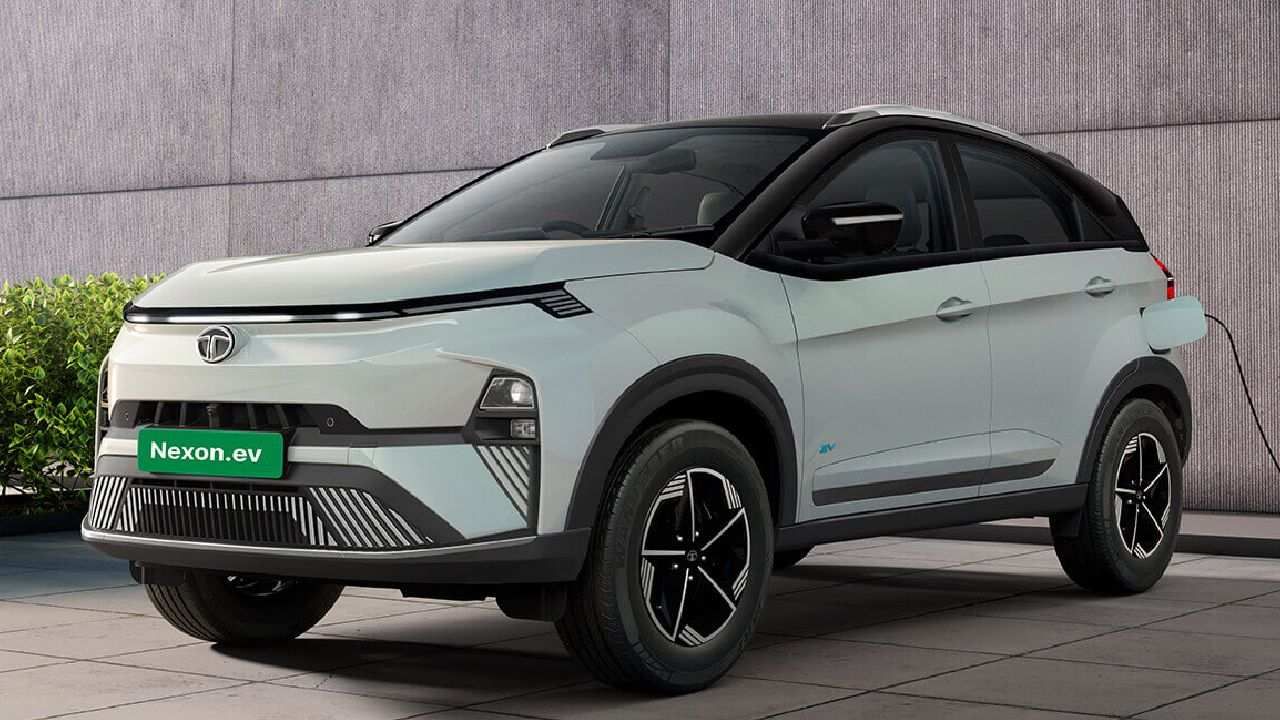
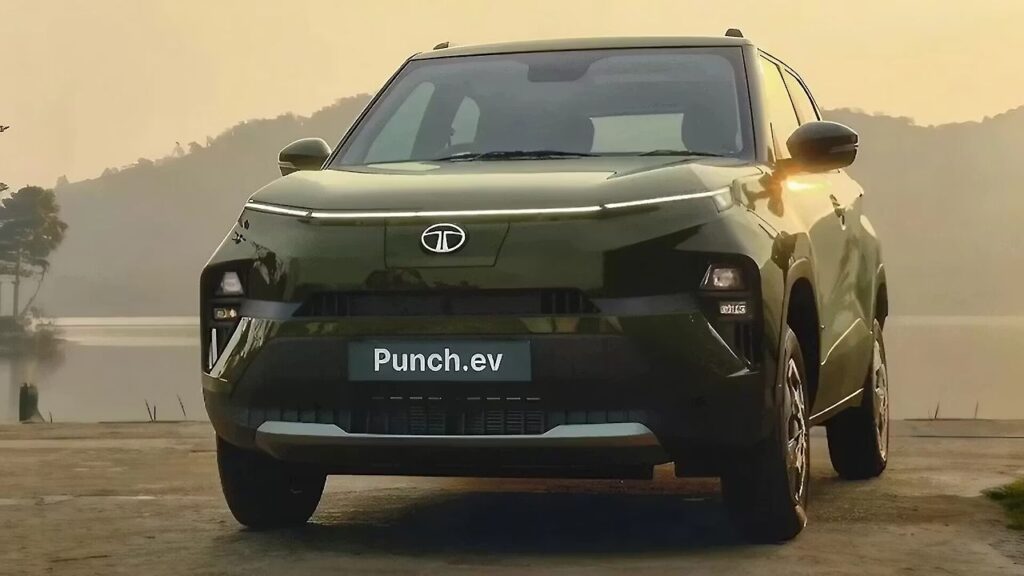
At 21Motoring, we have extensively driven and tested popular models like the Tata Punch EV, Tata Nexon EV, Mahindra BE 6, Maruti Suzuki e Vitara, MG Windsor EV, and others in real Indian conditions : city traffic, highways, varied temperatures, and different loads. This guide focuses on the three most critical aspects for buyers: range (claimed vs real-world), charging practicalities, and running costs. We break down everything with data from ARAI, real tests, and ownership insights tailored to Indian usage patterns.
Whether you drive 500 km or 4,000 km monthly, this comprehensive guide helps you choose the right EV without range anxiety or unexpected costs. EVs offer significant savings on running costs, but success depends on understanding battery realities, charging habits, and variant selection in the Indian context.
Understanding EV Range: Claimed ARAI vs Real-World Performance
Range remains the top concern for most Indian buyers. ARAI-certified figures provide a benchmark, but real-world performance varies based on driving style, climate control use, terrain, and load.
In our tests across city and highway conditions in 2026:
- City driving (with AC) typically yields 70-85% of claimed range.
- Highway driving at 80-100 km/h can achieve 65-80% depending on the model and battery size.
- Factors like aggressive acceleration, hilly roads, or extreme heat reduce efficiency further.
Popular Models Range Comparison (2026 Data)
We compiled this table from manufacturer claims (ARAI/MIDC) and our real-world testing insights.
Range Comparison Table
| Model | Battery Options | ARAI Claimed Range | Real-World City Range (Our Tests) | Real-World Highway Range | Best For |
|---|---|---|---|---|---|
| Tata Punch EV | 30-40 kWh | 275-350 km | 220-280 km | 200-250 km | City commutes, budget buyers |
| Tata Nexon EV | 30-45 kWh | 275-489 km | 250-350 km | 220-300 km | Versatile family use |
| Maruti Suzuki e Vitara | 49-61 kWh | 440-543 km | 350-450 km | 300-400 km | Longer trips, efficiency-focused |
| Mahindra BE 6 | 59-79 kWh | 557-683 km | 400-500+ km | 350-450 km | Premium comfort, high range |
| MG Windsor EV | 38-52.9 kWh | 332-449 km | 280-380 km | 250-330 km | Value-oriented buyers |
| Tata Harrier EV | 65-75 kWh | 538-627 km | 400-480 km | 350-420 km | Larger families, highway |
Key Insight from 21Motoring Tests: For someone driving 1,500 km per month mostly in city traffic with AC on, opt for at least 400 km claimed range to maintain buffer and avoid frequent charging stress. Larger batteries (50+ kWh) perform better in real conditions due to higher energy density and thermal management.
Charging Explained: Home, Public, and Fast Charging Strategies
Charging convenience defines EV ownership experience in India. Home charging is ideal for most users, while public networks support longer trips.
Types of Charging:
- Level 1 (Portable, 3.3 kW AC): Standard home socket. Full charge in 8-12+ hours. Slow but convenient.
- Level 2 (7.2 kW Wallbox AC): Recommended home upgrade. 4-8 hours for full charge. Costs Rs 35,000-60,000 installed.
- DC Fast Charging (50-180 kW): 10-80% in 20-60 minutes depending on model and charger. Best for travel.
Charging Time Examples (10-80%):
- Tata Punch EV (40 kWh): ~26-40 mins on 50-60 kW DC.
- Mahindra BE 6 (79 kWh): Supports up to 180 kW, faster top-ups.
- Larger batteries take longer but offer more range per session.
Charging Costs in India (2026):
- Home charging: Rs 4-10 per kWh (state-dependent). Most economical.
- Public AC: Rs 8-15 per kWh.
- Public DC Fast: Rs 12-25 per kWh. Use sparingly for cost control.
Our Recommendation: Install a 7.2 kW wallbox at home for daily use. Plan long trips around known fast-charging corridors on highways like Delhi-Mumbai or Bengaluru routes. Apps from Tata Power, Zeon, and state utilities help locate reliable stations.
Running Costs: The Biggest EV Advantage in India
EVs shine brightest here. Electricity is far cheaper than petrol, and maintenance is lower due to fewer moving parts.
Running Cost Comparison (Per Km, 2026)
| Vehicle Type | Energy Cost | Monthly (1,500 km) | 5-Year Savings vs Petrol |
|---|---|---|---|
| Petrol Car (15 km/l, Rs 100/l) | Rs 6.5-7+ | Rs 9,750-10,500 | – |
| EV (Home Charging) | Rs 1-1.5 | Rs 1,500-2,250 | Rs 4-5 lakh+ |
| EV (Mixed Public) | Rs 2-3 | Rs 3,000-4,500 | Rs 2.5-4 lakh+ |
Real-World Calculation Example: A Tata Nexon EV with 45 kWh battery and ~7-8 km/kWh efficiency costs around Rs 1.2/km at home (Rs 8/unit). For 18,000 km/year, annual electricity cost is ~Rs 22,000 versus Rs 1.2 lakh+ for a comparable petrol SUV.
Additional savings come from lower service costs (no oil changes, fewer brake jobs due to regen) and potential tax incentives or lower insurance in some states. Resale is improving as EV adoption grows and battery warranties (typically 8 years/1.6 lakh km) provide confidence.
Pros and Cons of Buying an EV in India 2026
Pros:
- Dramatically lower running costs.
- Instant torque and smooth, quiet drive.
- Lower maintenance and higher refinement.
- Government incentives and environmental benefits.
- Advanced features and tech often standard.
Cons:
- Higher upfront cost compared to petrol equivalents.
- Range anxiety on long trips with limited infrastructure in some areas.
- Charging time vs quick petrol refuel.
- Battery degradation concerns (though warranties mitigate this).
- Public fast charging can be expensive if overused.
Buying Recommendations and Best Variants
For City Commuters (under 1,500 km/month): Tata Punch EV or MG Comet/Tiago EV. Choose mid variants with home charging setup.
For Family and Mixed Use: Tata Nexon EV (45 kWh) or Maruti e Vitara (higher battery). Excellent balance of range, features, and service network.
For Premium Buyers: Mahindra BE 6 or Harrier EV. Superior range, comfort, and performance.
Best Overall Value in 2026: Tata Nexon EV Fearless or Creative+ 45 kWh – proven reliability, strong safety ratings, widespread service, and real-world usability.
21Motoring View on the Topic
After driving and living with multiple EVs over thousands of kilometres in Indian conditions, we firmly believe 2026 is an excellent time for suitable buyers to switch. For those with home charging access and primarily city or predictable highway use, the savings and driving experience are compelling. Range and charging have improved significantly, with models now offering practical 300-450 km real-world capability. However, buyers with very high monthly running or frequent unplanned long trips without reliable charging access should carefully calculate total ownership costs. Focus on models with strong battery warranties, established service networks like Tata and Mahindra, and verified real-world efficiency. EVs are not perfect for everyone yet, but for the right user profile, they deliver unmatched value and joy.
FAQ
1. What is the real-world range of popular EVs like Tata Nexon EV in India?
Real-world city range is typically 250-350 km for the 45 kWh variant with AC, depending on conditions. Highway drops slightly lower.
2. How much does it cost to charge an EV at home vs public stations in 2026?
Home charging costs Rs 1-1.5 per km (Rs 4-10/unit). Public DC fast charging can go up to Rs 3-4+ per km if used frequently.
3. Is home charging installation worth it for EV buyers?
Yes. A 7.2 kW wallbox offers overnight full charges and significant cost savings over public options. Installation costs Rs 35,000-60,000.
4. Which EV offers the best range in India 2026?
Premium models like Mahindra BE 6, Tata Harrier EV, or Mercedes CLA Electric claim 500-700+ km, with real-world 400 km+ achievable.
5. Are EVs safe in India? Do they have good crash ratings?
Yes. Models like Tata Nexon EV, Punch EV, Harrier EV, and Mahindra XEV 9e/BE series have strong 5-star Bharat NCAP or Global NCAP ratings.
6. What is the battery warranty on most Indian EVs?
Typically 8 years or 1.6 lakh km, covering significant capacity retention.
Conclusion
Buying an EV in 2026 requires focusing on range realism, charging habits, and total running costs rather than just sticker price. With our hands-on testing at 21Motoring, we confirm that models with adequate battery size, efficient powertrains, and robust support networks deliver the best ownership experience. Assess your daily driving, parking/charging setup, and budget holistically. For most urban and suburban Indian families today, the switch makes strong financial and practical sense.