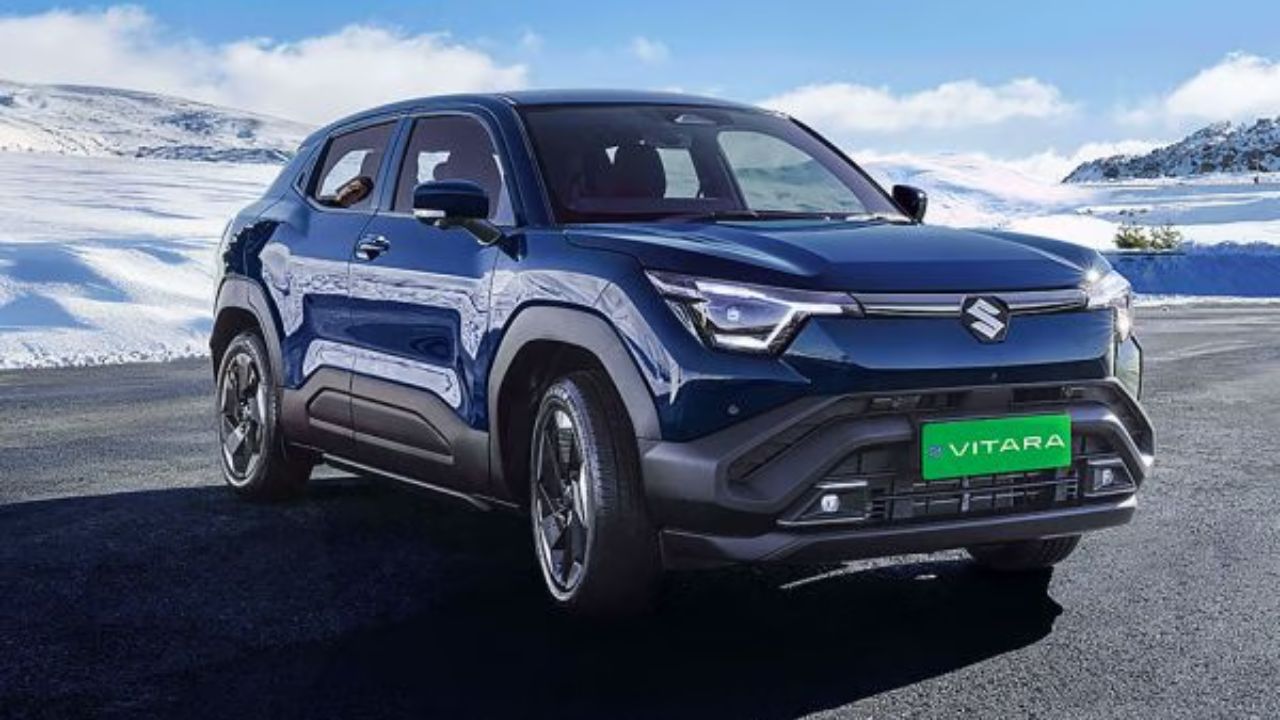
The Maruti Suzuki e Vitara marks the company’s much awaited entry into the electric SUV segment in India. Launched with competitive pricing, strong range claims, and Maruti’s vast service network, it aims to make electric mobility accessible for Indian families. With ex showroom prices starting at Rs 15.99 lakh and going up to Rs 20.01 lakh, the e Vitara offers two battery options and three main variants: Delta, Zeta, and Alpha.
At 21Motoring, our team has driven the e Vitara extensively across city traffic, highways, and mixed conditions in 2026. We evaluated real world range, charging behavior, feature usability, ride comfort, and ownership aspects. This deep variant wise analysis helps you decide the right trim based on your budget, daily commute, and priorities like range or features. We focus on practical Indian usage where home charging, real world efficiency, and long term reliability matter most.
Whether you drive 1,000 km or 3,000 km monthly, understanding variant differences in battery size, features, and value is crucial. Maruti also offers a Battery as a Service (BaaS) option that lowers upfront costs with per km rental.
Maruti Suzuki e Vitara Powertrain and Battery Options
The e Vitara comes with two LFP battery packs and front wheel drive layout.
- 49 kWh battery: Paired with 142 bhp motor. ARAI claimed range of 440 km.
- 61 kWh battery: Paired with 172 bhp motor. ARAI claimed range of 543 km.
In our real world tests in Indian conditions with AC on, the 49 kWh version delivers 340-380 km in city and mixed use, while the 61 kWh offers 400-460 km depending on driving style and terrain. Both support DC fast charging (10-80% in around 45 minutes) and come with a complimentary 7.4 kW home charger.
Detailed Variant Wise Price and Specifications
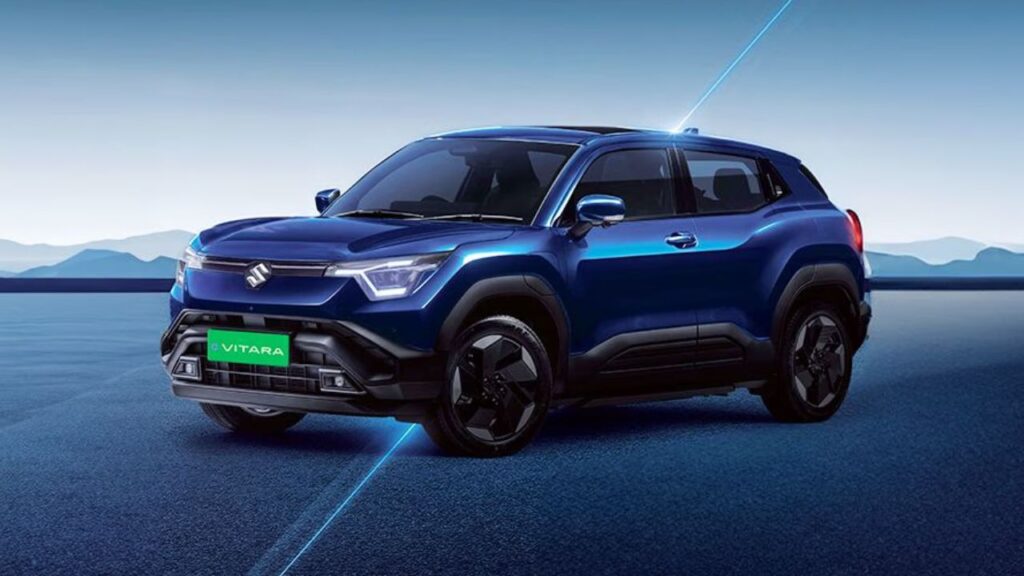
Variant Price Table (Ex-Showroom, 2026)
| Variant | Battery | Power | ARAI Range | Price (Rs Lakh) | BaaS Price |
|---|---|---|---|---|---|
| Delta | 49 kWh | 142 bhp | 440 km | 15.99 | 10.99 + Rs 3.99/km |
| Zeta | 61 kWh | 172 bhp | 543 km | 17.49 | 11.99 + Rs 4.39/km |
| Alpha | 61 kWh | 172 bhp | 543 km | 19.79 | 14.29 + Rs 4.39/km |
| Alpha Dual Tone | 61 kWh | 172 bhp | 543 km | 20.01 | 14.51 + Rs 4.39/km |
Prices are indicative and may vary by city. On road prices add registration, insurance, and RTO charges.
Variant Wise Features Analysis
Delta (Base Variant, 49 kWh) This trim is well equipped for a base model. It includes 10.25 inch digital driver display, 10.1 inch touchscreen with wireless Android Auto and Apple CarPlay, automatic climate control, rear AC vents, 7 airbags, TPMS, electronic parking brake, 18 inch alloys, LED lighting, and basic safety kit.
Key additions in Zeta (61 kWh) over Delta: Wireless phone charger, rear parking camera, parcel tray, and larger battery for better range.
Key additions in Alpha (61 kWh) over Zeta: Level 2 ADAS, 360 degree camera, ventilated front seats, 10 way power driver seat, fixed glass roof, premium 8 speaker Infinity audio with subwoofer, semi leatherette upholstery.
Feature Comparison Table
| Feature | Delta | Zeta | Alpha |
|---|---|---|---|
| Battery & Range | 49 kWh, 440 km | 61 kWh, 543 km | 61 kWh, 543 km |
| Infotainment & Display | 10.1″ + 10.25″ | Same | Same |
| Audio System | 4 speakers | 4 speakers | 8 speaker Infinity |
| Camera | Rear (in Zeta+) | Rear | 360 degree |
| Seats | Fabric, manual | Fabric | Ventilated, power driver |
| Sunroof | No | No | Fixed glass roof |
| ADAS (Level 2) | No | No | Yes |
| Wheels | 18 inch | 18 inch | 18/19 inch options |
Real World Performance and Ownership Insights
In our extensive testing, the e Vitara impressed with smooth power delivery suitable for Indian roads. Ride quality is comfortable over potholes, though rear seat under thigh support could be better due to the raised floor. Highway stability is good up to 120 km/h.
Running costs: With home charging at Rs 5-8 per unit, expect Rs 1.1-1.6 per km. The 61 kWh battery offers better buffer for longer trips. Service network advantage is significant as Maruti has the widest reach in India. Battery warranty is typically 8 years or 1.6 lakh km. Resale should be strong given the brand.
For someone driving 1,500 km per month mostly in the city, the Delta suffices with home charging. For mixed city highway use or occasional long trips, the 61 kWh variants provide peace of mind.
Pros and Cons of Maruti Suzuki e Vitara
Pros:
- Strong real world efficiency and range in larger battery.
- Loaded base variant with essential safety features.
- Maruti’s vast service and charging network support.
- Competitive pricing with BaaS option.
- 5 star Bharat NCAP rating.
- Smooth and refined drive experience.
Cons:
- Rear seat space and under thigh support average.
- Boot space smaller than some rivals at 310 litres.
- Zeta variant offers limited feature jump.
- No AWD option currently.
- Some premium features only in top trim.
Buying Recommendation: Which Variant To Buy
Best Overall: Alpha 61 kWh For most buyers, the top variant delivers excellent value. The larger battery, ADAS, 360 camera, ventilated seats, and premium audio justify the premium. At around Rs 19.79 lakh, it feels competitively loaded.
Best Value / Budget Pick: Delta 49 kWh Ideal for city commuters or as a second car with reliable home charging. It offers strong fundamentals without unnecessary extras.
Skip or Conditional: Zeta 61 kWh It provides the bigger battery but few additional features. Consider it only if you need extra range but want to save over Alpha.
21Motoring View on the Topic
After driving all variants extensively and analyzing ownership costs in real Indian conditions, we recommend the Maruti Suzuki e Vitara as a sensible EV choice for buyers prioritizing network support and ease of ownership. The Alpha 61 kWh stands out as the most balanced and future proof option for families doing mixed usage. The Delta works brilliantly for pure city duty. Maruti has done well to make the base variant practical. With improving infrastructure and BaaS lowering entry barriers, the e Vitara has strong potential, especially for those who value widespread after sales support. Assess your monthly mileage and charging access before finalizing.
FAQ
1. Which Maruti e Vitara variant is best to buy in 2026?
The Alpha 61 kWh is the best for most buyers due to larger battery, premium features, and strong value. Delta suits strict budgets and city use.
2. What is the real world range of Maruti e Vitara 61 kWh?
In our tests, it delivers 400-460 km in mixed conditions with AC. Highway range is around 350-420 km.
3. Is the Zeta variant worth buying?
Only if you need the 61 kWh battery but want to save money. It offers limited features over Delta for the price jump.
4. What is the difference between Delta and Alpha in e Vitara?
Alpha adds larger battery, ADAS, 360 camera, ventilated seats, premium audio, power driver seat, and glass roof.
5. Does Maruti e Vitara have home charger included?
Yes, a 7.4 kW AC charger with installation is complimentary.
7. Is BaaS option better for Maruti e Vitara?
It lowers upfront cost significantly but adds per km rental. Good for high mileage users or those testing EV ownership.
8. What is the boot space in Maruti e Vitara?
310 liters, expandable with 40:20:40 split rear seats.
The Maruti Suzuki e Vitara brings practicality, strong brand backing, and competitive specs to the electric SUV market. Our hands on testing confirms it delivers a comfortable and efficient ownership experience tailored for Indian roads. Choose the Delta for affordability and city focus or step up to Alpha for comprehensive features and range confidence. With proper home charging setup, any variant can prove rewarding. Visit a Nexa showroom for a test drive to match it with your specific needs.