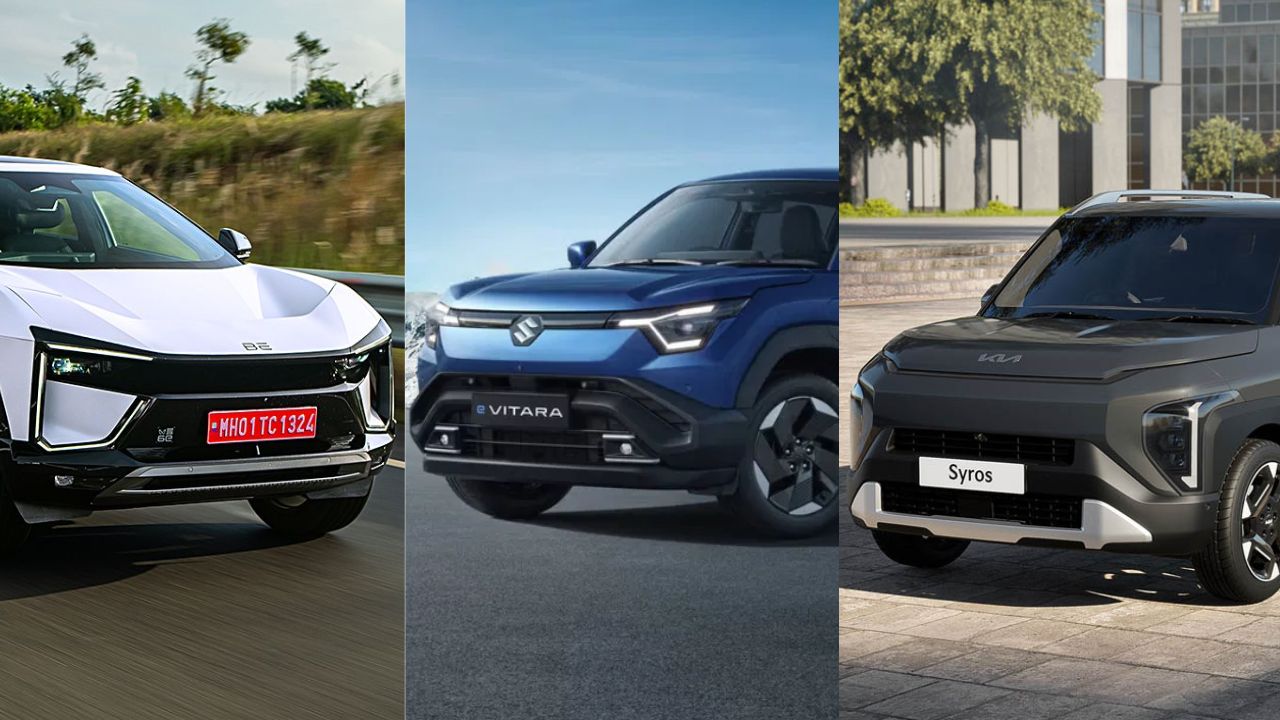
By mid-2026, the Indian automotive scene is going through a major transformation. The rise of dedicated electric vehicle designs, new battery supply deals, and fierce price competition are all shaking up the market. You can see this shift in three of the most eagerly awaited new cars: the Maruti Suzuki e-Vitara, the Mahindra BE 6e, and the Kia Syros. Each of these models shows how different companies are trying to win over India’s demanding, value-focused car buyers with their own unique approaches and engineering styles.
While Maruti Suzuki leverages its vast service network and a disruptive subscription model to lower acquisition barriers , Mahindra & Mahindra focuses on high-performance skateboard-platform driving dynamics aimed at enthusiasts. Simultaneously, Kia targets B-segment utility with a tall-boy multi-powertrain vehicle that spans refined internal combustion options and a planned, space-optimized battery-electric model.
Maruti Suzuki e-Vitara: Mass-Market Electrification via Battery-as-a-Service
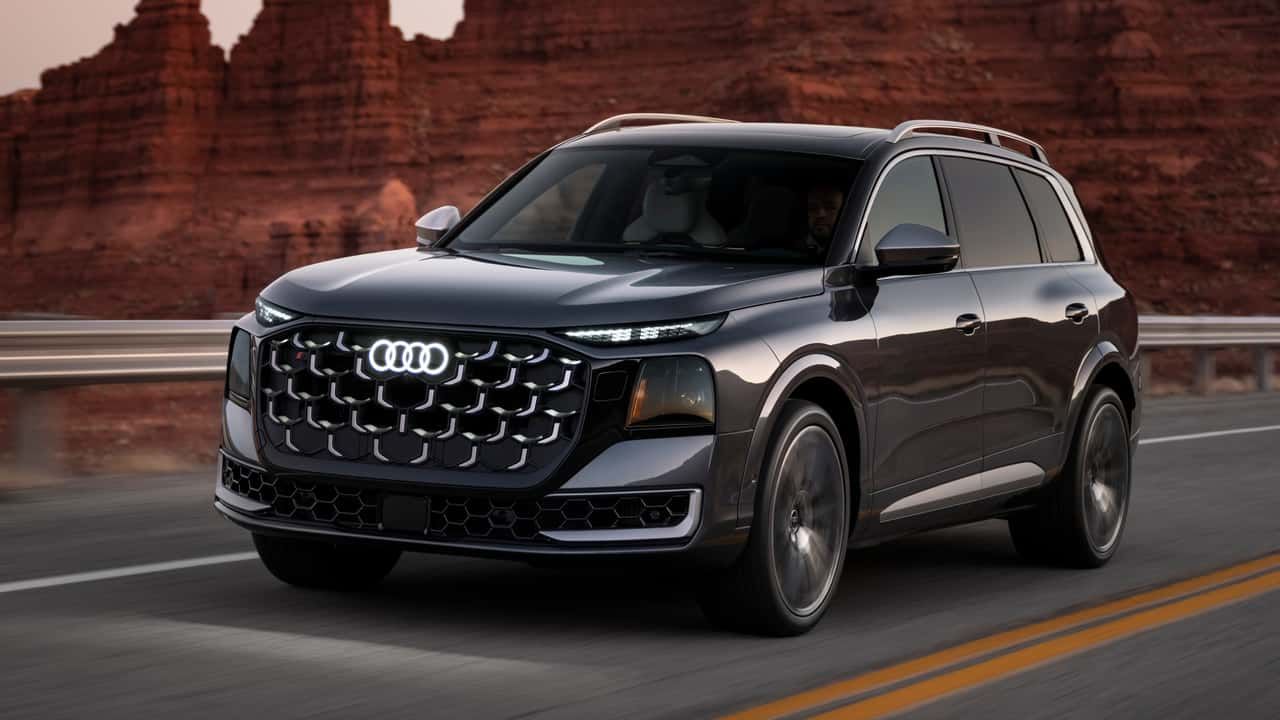
The e-Vitara is Maruti Suzuki’s first entry into the pure-electric passenger vehicle space, reflecting a major shift in the brand’s engineering and market strategy. Moving away from the design language of its internal combustion engine (ICE) counterpart, the Grand Vitara, the e-Vitara features a rugged, high-clearance design characterized by thick wheel arch cladding, an aggressive stance, and modern LED projector headlights.
Engineering and Powertrain Architecture
Developed on a dedicated electric platform, the e-Vitara utilizes Lithium Iron Phosphate (LFP) blade-cell battery packs sourced from BYD. For the Indian market, the vehicle is offered in front-wheel-drive (FWD) configuration, utilizing a front-mounted permanent magnet synchronous motor. The vehicle is sold across three primary trims – Delta, Zeta, and Alpha configured around two different battery capacities :
- 49 kWh Battery Pack: Offered exclusively in the entry-level Delta trim, this powertrain develops 142 hp (144 PS) and 192.5 Nm of torque, delivering an ARAI-certified range of 440 km.
- 61 kWh Battery Pack: Available on the mid-tier Zeta and top-tier Alpha variants, this higher-capacity pack is paired with a more powerful 172 hp (174 PS) motor, maintaining the same peak torque output of 192.5 Nm (calibrated to 193 Nm in specific trim states) and delivering an ARAI range of 543 km.
| e-Vitara Variant | Battery Capacity (kWh) | Peak Power (hp) | ARAI Range (km) | Outright Ex-Showroom Price | BaaS Upfront Price | Battery Rental Cost (per km) |
| Delta (Base) | 49 | 142 | 440 | Rs. 15.99 Lakh | Rs. 10.99 Lakh | Rs. 3.99 |
| Zeta | 61 | 172 | 543 | Rs. 17.49 Lakh | Rs. 11.99 Lakh | Rs. 4.39 |
| Alpha | 61 | 172 | 543 | Rs. 19.79 Lakh | Rs. 14.29 Lakh | Rs. 4.39 |
| Alpha Dual Tone (Top) | 61 | 172 | 543 | Rs. 20.01 Lakh | Not Specified | Not Specified |
The electrical system supports 150 kW DC fast charging, enabling a 10% to 80% state-of-charge (SOC) recovery in 45 minutes. Charging through a standard 7.4 kW AC home wall box takes approximately 9 hours to reach 100%.
Commercial Strategy: Battery-as-a-Service (BaaS)
To lower upfront purchase barriers, Maruti Suzuki has introduced a battery subscription leasing model alongside traditional pricing. By separating the vehicle body cost from the battery chemistry, the entry-level Delta trim starts at an upfront cost of Rs. 10.99 Lakh under the BaaS program. Customers pay an ongoing operating rental fee of Rs. 3.99 per kilometer driven for the 49 kWh variant. For the 61 kWh Zeta and Alpha trims, the upfront BaaS costs are Rs. 11.99 Lakh and Rs. 14.29 Lakh, respectively, with the per-kilometer battery rental fee rising to Rs. 4.39. This strategy shifts a portion of the vehicle’s initial capital expenditure to operating costs, targeting high-mileage drivers who can offset the per-kilometer fee with fuel savings.
Real-World Dynamics and Ergonomic Evaluation
In real-world driving conditions, the e-Vitara averages approximately 350 km of range with the 49 kWh battery and 420 to 440 km with the 61 kWh pack. Power delivery is linear and predictable, ensuring a gentle learning curve for drivers transitioning from internal combustion vehicles. The monocoque chassis is paired with MacPherson Strut front and Multi-link rear suspension. This setup is tuned for a firm ride, which keeps body roll in check but transmits sharp road joint vibrations into the cabin.
Early test drives and owner trials highlight several physical and ergonomic trade-offs. The cabin is praised for its quiet NVH insulation, light city-speed steering, and solid sheet-metal build quality. The top-spec Alpha trim also features useful driver aids, such as blind-spot monitors and front and rear parking sensors. Under the boot floor, Maruti Suzuki has packaged a full-size spare tire with matching alloy wheels, a rare inclusion in the EV segment.
However, the raised cabin floor forced by the under-seat placement of the battery pack forces rear passengers into a knees-up seating position with limited under-thigh support. This high-floor layout, combined with the dark roof liner, can make the rear cabin feel cramped and claustrophobic.
Additionally, the infotainment screen consolidates several key functions such as seat ventilation, trip meter resets, and advanced climate control adjustments, into submenus, which can complicate on-the-go adjustments. Other common complaints include low resolution from the 360-degree camera feed , mild regenerative braking that must be adjusted while the vehicle is stationary , a lack of Vehicle-to-Load (V2L) capability , and an electronic parking brake (EPB) that requires manual activation and deactivation during start-stop sequences.
Mahindra BE 6e: High-Performance INGLO Dedicated EV Coupe-SUV
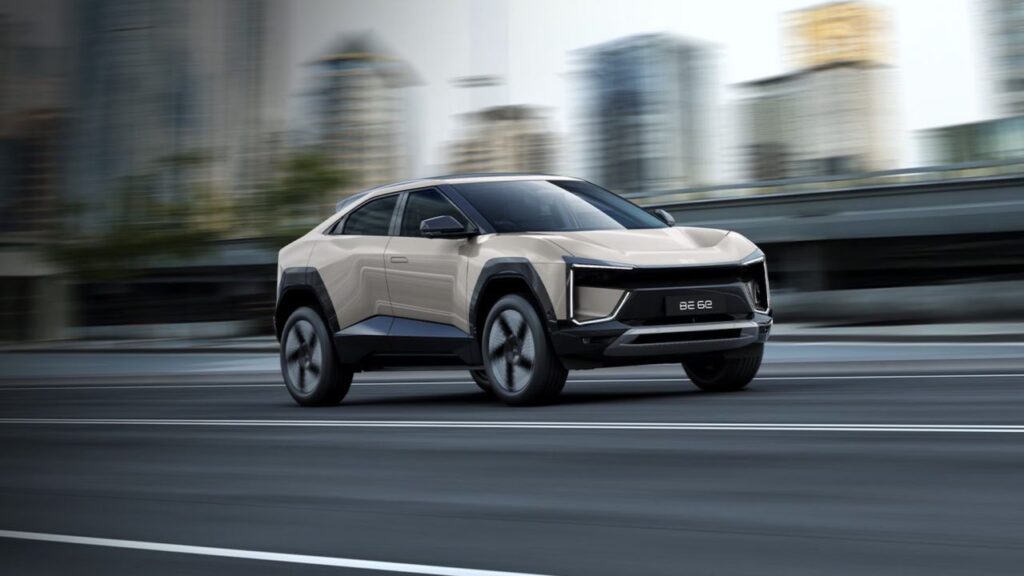
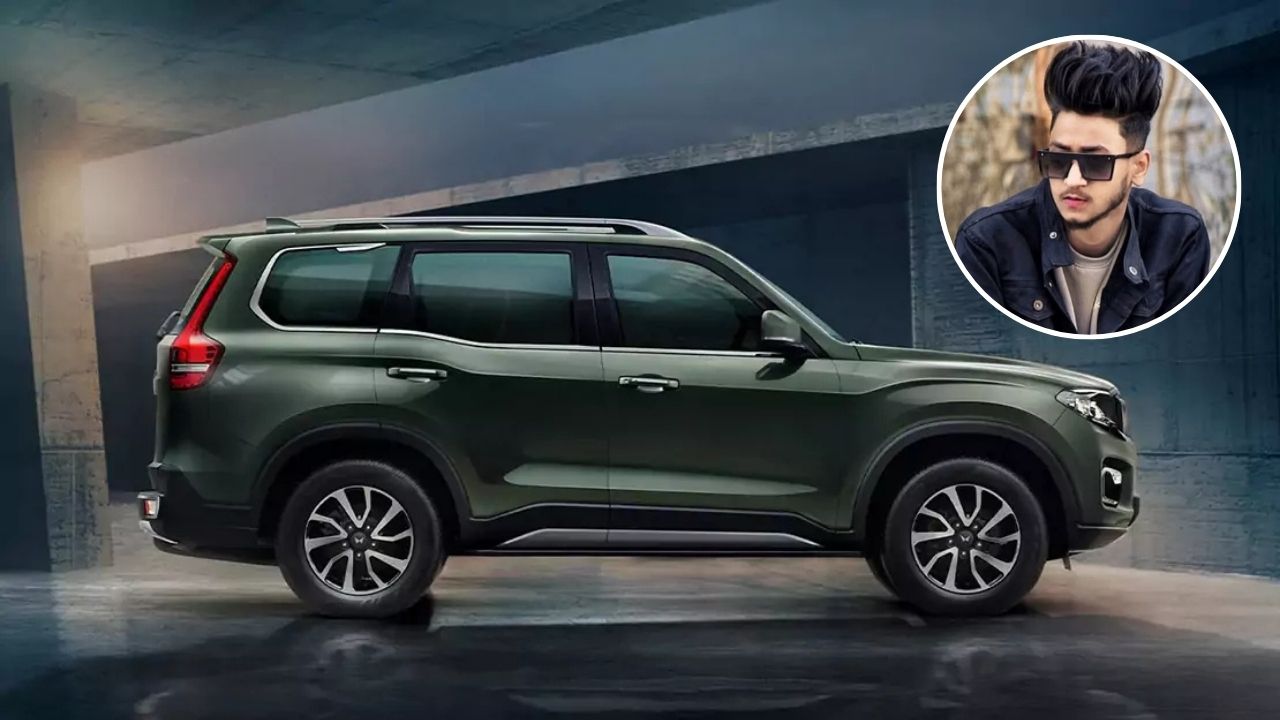
Unveiled alongside the larger XEV 9e, the Mahindra BE 6e is an electric coupe-SUV built on a pure-electric platform, designed to compete with premium electric crossovers. It is built around a futuristic, concept-car aesthetic, focusing on rear-wheel-drive dynamics, structural safety, and high-performance computing.
The INGLO Architecture and Powertrain Dynamics
The BE 6e is built on Mahindra’s modular skateboard INGLO platform, featuring a standardized 2,775 mm wheelbase that enables cost-efficient component sharing across the brand’s EV lineup. Unlike the front-driven e-Vitara, the INGLO architecture utilizes a rear-axle-mounted permanent magnet synchronous motor to deliver a rear-wheel-drive (RWD) layout.
| BE 6e Variant / Pack | Battery Capacity (kWh) | Peak Power Output (hp) | Peak Torque Output (Nm) | ARAI Certified Range (km) | Introductory Ex-Showroom Price |
| Pack One (Base) | 59 | 228 | 380 | 556 | Rs. 18.90 Lakh |
| Pack One Above | 59 | 228 | 380 | 556 | Rs. 20.50 Lakh |
| Pack Two (59 kWh) | 59 | 228 | 380 | 556 | Rs. 21.90 Lakh |
| Pack Two (79 kWh) | 79 | 282 | 380 | 683 | Rs. 23.50 Lakh |
| Formula E Edition (FE2) | 79 | 282 | 380 | 683 | Rs. 23.69 Lakh |
| Pack Three Select | 59 | 228 | 380 | 557 | Rs. 24.50 Lakh |
| Pack Three | 79 | 282 | 380 | 683 | Rs. 26.90 Lakh |
| Batman Edition (Top) | 79 | 282 | 380 | 683 | Rs. 28.49 Lakh |
The BE 6e utilizes BYD-sourced Lithium Iron Phosphate battery packs with cell-to-pack density integration. Supported by a high-voltage fast-charging architecture, the 59 kWh battery charges from 20% to 80% in 20 minutes using a 140 kW DC fast charger. The larger 79 kWh battery achieves the same charge state in 20 minutes when connected to a 180 kW DC fast charger.
For home charging, the 7.2 kW AC single-phase charger requires 8.7 hours (59 kWh) or 11.7 hours (79 kWh) to complete a 0% to 100% cycle. Opting for the 11.2 kW AC three-phase wall box reduces charging times to 6 hours and 8 hours, respectively. Mahindra provides a lifetime battery warranty to the first registered private owner, which reverts to a 10-year or 200,000 km warranty if the vehicle is sold.
The BE 6e’s interior features twin 12.3-inch floating displays powered by the Mahindra Artificial Intelligence Architecture (MAIA). Operating on a Qualcomm Snapdragon 8295 processor with 24 GB of RAM and 128 GB of storage, it is supported by a high-speed ethernet backbone. High-spec versions include a Dolby Atmos-enabled 16-speaker Harman Kardon sound system, a panoramic glass roof with customizable lighting patterns, an augmented reality head-up display (AR-HUD), and Level 2+ ADAS with driver-initiated automatic lane changes.
In March 2026, Mahindra relaunched a second batch of the Batman Edition at Rs. 28.49 Lakh, reflecting a Rs. 70,000 price increase. The batch sold out quickly, with deliveries scheduled for April 2026.
Real-World Dynamics and Practical Compromises
On the road, the BE 6e’s low center of gravity, intelligent semi-active dampers, and variable-gear-ratio electric steering provide an engaging driving experience. The 79 kWh variant accelerates from 0 to 100 kph in a claimed 6.7 seconds. It delivers a real-world energy efficiency of 5.68 km/kWh, yielding a usable range of 440 to 460 km on a full charge. The 59 kWh variant provides a reliable real-world range of approximately 400 km in mixed driving conditions.
However, the vehicle’s coupe-like styling compromises packaging and cabin ergonomics. The low, sloping roofline and high floor height make ingress and egress difficult, particularly for passengers over 5’10”. In the rear seat, occupants sit in a knees-up position with limited headroom and under-thigh support, and the thick door pads reduce seat width, making the rear bench tight for three adults.
Rearward visibility is also limited by the small rear glass area. While the boot provides 455 liters of space, its shallow height restricts vertical luggage stacking. The regenerative braking can feel overly aggressive, causing passenger head-toss during sudden deceleration. Additionally, the cabin’s extensive gloss black panels are highly prone to scratching, and the standard spare tire is a narrow 135 mm space saver that limits cruising speed to 80 kmph.
Kia Syros: The Multi-Powertrain Tall-Boy Crossover
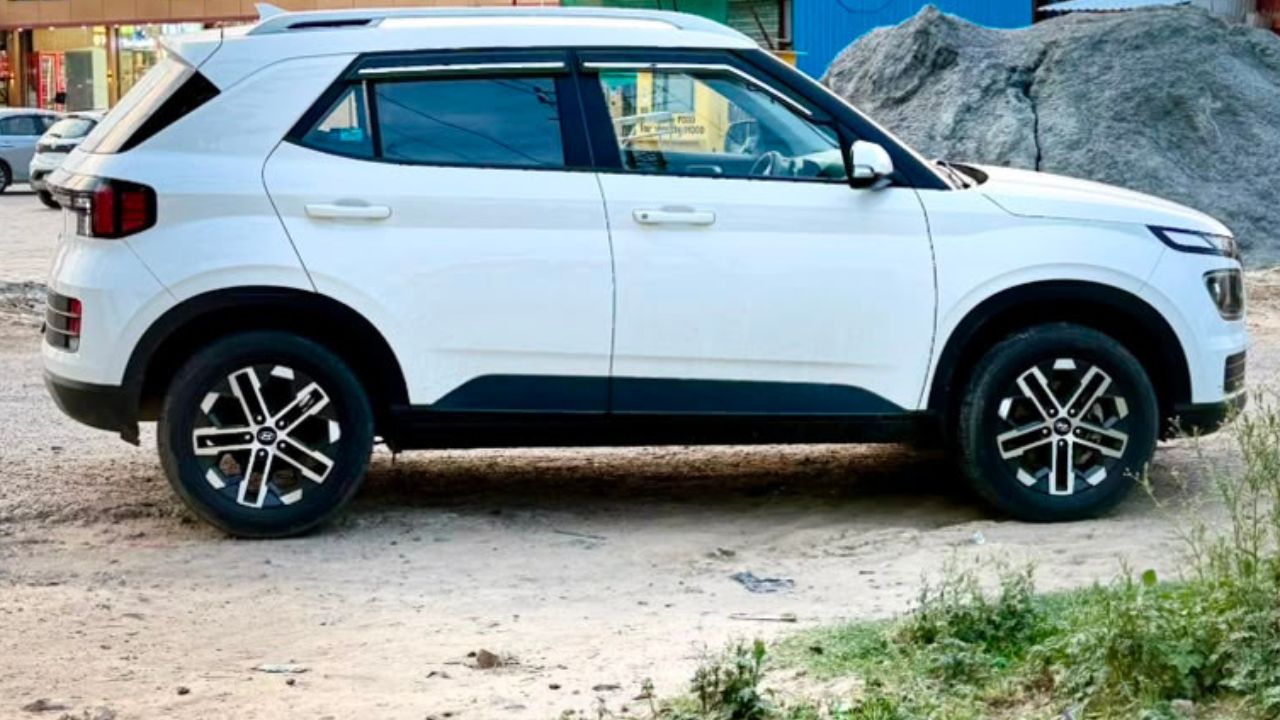
The Kia Syros takes a highly practical approach to the sub-four-meter category, utilizing a tall-boy silhouette to maximize cabin space, visibility, and ease of entry.
Platform, Trim Structure, and the 2026 Model Year Update
The Syros is built on a reinforced version of the K1 platform, which also underpins the Hyundai Exter and Grand i10 Nios. In April 2026, Kia updated the Syros variant lineup, introducing new entry-level trims to lower acquisition costs while making several features more accessible.
The revised lineup spans seven trims-HTE, HTE (O), HTK (EX), HTK+, HTK+ (O), HTX, and HTX (O). The 1.5-liter diesel automatic option was also extended to the lower HTK+ and HTK+ (O) trims, reducing the diesel-AT entry price by Rs. 3.20 Lakh.
| Kia Syros Variant | 1.0L Turbo Petrol MT (Ex-Showroom) | 1.0L Turbo Petrol DCT (Ex-Showroom) | 1.5L VGT Diesel MT (Ex-Showroom) | 1.5L VGT Diesel AT (Ex-Showroom) |
| HTE (New) | Rs. 8.40 Lakh | – | – | – |
| HTE (O) (New) | Rs. 9.20 Lakh | – | Rs. 10.00 Lakh | – |
| HTK (EX) | Rs. 9.80 Lakh | – | Rs. 10.60 Lakh | – |
| HTK+ | Rs. 10.74 Lakh | Rs. 11.94 Lakh | Rs. 11.54 Lakh | Rs. 12.74 Lakh |
| HTK+ (O) (New) | Rs. 12.00 Lakh | Rs. 13.20 Lakh | Rs. 12.80 Lakh | Rs. 14.00 Lakh |
| HTX | – | Rs. 14.00 Lakh | – | Rs. 14.80 Lakh |
| HTX (O) (New) | – | Rs. 15.00 Lakh | – | Rs. 15.80 Lakh |
The engine options are unchanged for 2026 :
- 1.0-liter Smartstream T-GDi Petrol Engine: Produces 120 hp and 172 Nm of torque, paired with a 6-speed manual or a 7-speed dual-clutch transmission (DCT).
- 1.5-liter CRDi VGT Diesel Engine: Produces 116 hp and 250 Nm of torque, mated to a 6-speed manual or a 6-speed torque converter automatic transmission.
The revised pricing structure required some feature adjustments. The base HTE trim omits the 12.3-inch touchscreen, rear-view camera, automatic headlamps, and TPMS, while advanced features like the 360-degree camera, 64-color ambient lighting, and Level 2 ADAS were removed from the entire lineup to manage costs.
Visual updates for 2026 include body-colored trapezoidal inserts on the front and rear bumpers, gloss-black skid plates, and neon-colored brake calipers on the HTX and HTX (O) trims.
The Upcoming Syros EV
Kia is preparing to launch the Syros EV in August 2026, priced between Rs. 15 Lakh and Rs. 20 Lakh (ex-showroom). Built on the K1 platform, the Syros EV will compete with the Tata Nexon EV and the Mahindra XUV 3XO EV.
The vehicle is expected to offer 42 kWh and 49 kWh battery options in a front-wheel-drive configuration, similar to the international Inster EV. EV-specific styling touches will include a charging port on the passenger-side front fender, unique bumpers, and distinct aerodynamic wheels, alongside Vehicle-to-Load (V2L) and Vehicle-to-Vehicle (V2V) charging capabilities.
Real-World Dynamics and User Feedback
In real-world testing, the 1.0-liter turbo-petrol DCT delivers an average fuel efficiency of 15.1 kmpl on long highway trips, rising to 18 or 19 kmpl when driving at a steady 80 to 100 kph. The diesel automatic variant returns approximately 10.8 km/l in heavy city traffic and 13.6 km/l on the highway.
The chassis, suspension, and steering deliver stable highway manners, backed by four-wheel disc brakes. The sliding and reclining 60:40 split rear seats are highly practical, allowing users to balance rear legroom and boot space, which ranges from 390 to 465 liters.
However, some owner feedback has highlighted notable design and functional drawbacks:
- Front Seat Ergonomics: The soft, squishy cushioning is designed for smaller frames, lacking adequate shoulder and under-thigh support. The prominent metal frame on the seat’s outer edge can press into the driver’s thighs during long drives, causing discomfort.
- Touchscreen and Connectivity Bugs: The infotainment system suffers from frequent wireless Android Auto and Apple CarPlay disconnections, disrupting navigation and media playback.
- Rear Seat Ventilation: The rear seat cooling system only ventilates the seat cushion, leaving the seatback uncooled.
- Acoustic Insulation: Cabin noise insulation is minimal, and high pass-by traffic and road noise can make passengers feel as though a window is slightly open.
- Pedal Placement: The pedals are placed relatively high, requiring a steep ankle angle that can cause joint fatigue during extended drives.
- Ergonomic Oddities: The seat cooling buttons are positioned on the door handles, and the electronic parking brake is located by the driver’s right knee behind the steering wheel, making them less intuitive to find initially.
Technical and Dimensional Comparison
To compare these three models directly, the following tables detail their dimensions, powertrain outputs, electrical charging capabilities, and safety equipment as of May 2026.
Architectural and Dimensional Specifications
| Parameter | Maruti Suzuki e-Vitara | Mahindra BE 6e | Kia Syros (ICE / EV) |
| Platform Concept | Dedicated EV Platform | Dedicated INGLO Skateboard | Reinforced K1 (ICE & EV Adaptable) |
| Length (mm) | 4,275 | 4,371 | 3,995 |
| Width (mm) | 1,800 | 1,907 | 1,805 |
| Height (mm) | 1,640 | 1,627 | 1,680 |
| Wheelbase (mm) | 2,700 | 2,775 | 2,550 |
| Unladen Ground Clearance | 185 mm | 207 mm | Not Specified (~180-190 mm) |
| Kerb Weight (kg) | 1,725 (49 kWh) / 1,815 (61 kWh) | 2,070 (79 kWh variant) | ~1,250 – 1,350 (ICE) |
| Gross Vehicle Weight (kg) | 2,180 (49 kWh) / 2,250 (61 kWh) | Not Specified | Not Specified |
| Boot Space (Liters) | 310 | 455 | 390 – 465 |
| Frunk Capacity (Liters) | None | 45 | None |
Powertrain and Battery Metrics
| Metric | Maruti Suzuki e-Vitara | Mahindra BE 6e | Kia Syros (Upcoming EV) |
| Battery Chemistry | Lithium Iron Phosphate (LFP) | Lithium Iron Phosphate (LFP) | Expected LFP |
| Battery Supplier | BYD (Blade Cells) | BYD (Cell-to-Pack) | Expected Hyundai-Kia Sourced |
| Drivetrain Layout | Front-Wheel Drive (FWD) | Rear-Wheel Drive (RWD) | Front-Wheel Drive (FWD) |
| Suspension (Front / Rear) | MacPherson Strut / Multi-Link | MacPherson Strut / 5-Link Multi-Link | MacPherson Strut / Torsion Beam |
| Braking System | All-Wheel Disc | All-Wheel Disc (Brake-by-wire) | All-Wheel Disc |
| Standard Wheel/Tyre Size | 215/55 R17 or 225/55 R18 | 245/55 R19 (Goodyear ElectricDrive) | 195/65 R15 (HTK) or 215/55 R17 |
| Peak Power Output | 142 hp (49 kWh) / 172 hp (61 kWh) | 228 hp (59 kWh) / 282 hp (79 kWh) | Expected ~115 – 130 hp |
| Peak Torque Output | 193 Nm | 380 Nm | Not Specified |
| ARAI Claimed Range | 440 km (49 kWh) / 543 km (61 kWh) | 556 km (59 kWh) / 683 km (79 kWh) | Expected ~350 – 400 km |
| Real-World Range | ~350 km (49 kWh) / ~420 km (61 kWh) | ~400 km (59 kWh) / ~450-500 km (79 kWh) | Expected ~300 – 330 km |
Market Positioning and Strategic Implications
The divergent approaches of these three models highlight how different brands are addressing the ongoing transition in the Indian SUV and electric vehicle segments.
Maruti Suzuki: Broadening EV Accessibility
Maruti Suzuki’s deployment of the e-Vitara is a scale play. By utilizing a front-wheel-drive platform and sourcing blade cells from BYD, the company avoids the high cost of all-wheel-drive systems, keeping the focus on urban and highway passenger comfort.
The BaaS pricing strategy represents a key commercial shift, allowing Maruti to lower the e-Vitara’s upfront cost to Rs. 10.99 Lakh, directly aligning it with mid-size ICE crossovers. While this per-kilometer rental model may not suit low-mileage drivers, it offers a compelling operating cost structure for high-use owners and commercial fleets, supported by Maruti’s extensive domestic service network.
Mahindra: A Driver-Focused Skateboard EV
Mahindra’s BE 6e highlights a “form-over-function” philosophy. Built on a dedicated rear-wheel-drive skateboard chassis with high-output motors, it targets driving enthusiasts looking for strong performance. However, this athletic styling compromises cabin packaging: the low roofline, raised rear floor, and limited boot height make it less practical as a primary family vehicle.
Additionally, the reliance on high-performance computing, large dual screens, and early software-defined vehicle layers increases the risk of initial software bugs, making it a tech-forward choice suited for early adopters rather than conservative family buyers.
Kia: Packaging and Fuel Versatility
Kia’s approach with the Syros focuses on maximum space efficiency within a compact footprint. By using a tall-boy silhouette rather than a typical low-slung design, the Syros provides class-leading interior volume, headroom, and ease of entry. For the 2026 model year, Kia dropped ADAS and 360-degree cameras to protect margins and lower the entry price to Rs. 8.40 Lakh, keeping the Syros highly competitive in the B-segment crossover class.
The upcoming August 2026 Syros EV will position Kia to compete directly in the entry-level EV space. While it cannot match the fast-charging performance of dedicated skateboard platforms, its versatile cabin layout and lower expected price point make it a strong, highly practical option for urban families.
Major Takeways
An evaluation of these three models reveals several key trends shaping the Indian SUV and electric vehicle markets:
- Battery Sourcing Convergence: Both Maruti Suzuki and Mahindra rely on BYD for their LFP battery chemistry, highlighting the Chinese battery manufacturer’s role as a key supplier in the Indian EV transition.
- The Ergonomic EV Packaging Trade-off: First-generation electric crossovers continue to struggle with packaging. Placing under-floor batteries without raising the roofline often leads to high cabin floors, forcing rear passengers into a knees-up seating position with limited under-thigh support, as seen in both the e-Vitara and the BE 6e.
- BaaS as a Key Commercial Tool: The Battery-as-a-Service model is proving to be a highly effective way to address the high upfront cost of electric vehicles. By lowering the initial purchase price, this subscription-based approach is likely to accelerate mainstream electric adoption.
- Dedicated vs. Shared Platforms: The market shows a clear divide. Dedicated EV platforms like Mahindra’s RWD INGLO deliver strong performance and handling but compromise on passenger packaging. Conversely, shared platforms like Kia’s K1 utilize high-roof designs to deliver superior everyday passenger space and utility within a compact footprint