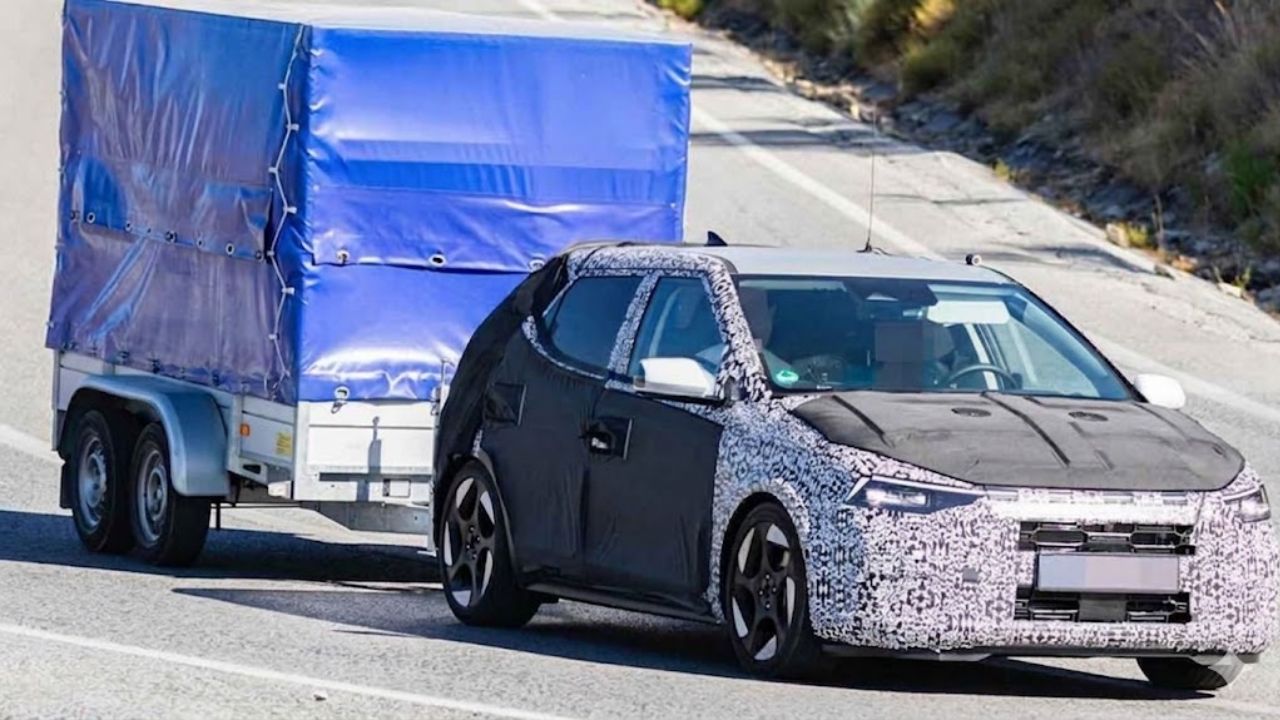
The global hatchback market just got a massive shakeup because Hyundai decided to drop a surprise teaser for the fourth-generation i20. Car enthusiasts in Brazil got the first official look at this premium hatchback, and the exterior design changes look massive. Rumors suggest Hyundai will fully pull off the silk covers during the FIFA World Cup 2026. This timing makes perfect sense because the South Korean automaker remains the official title sponsor for the 23rd edition of the massive football tournament. If you currently drive an older generation i20 or a premium hatchback from a rival brand, you might want to hold onto your cash before buying your next car. The upcoming model changes the entire design theme of the vehicle.
The teaser images show off a brand-new design language that moves away from the sharp, geometric lines of the current car. Hyundai went all-in on complex LED illumination for this generation. The front and rear ends get fully connected light bars that run all the way across the bodywork. These styling choices make the vehicle look much wider, and they give the car a more expensive road presence. Premium hatchbacks often struggle to stand out against modern compact SUVs, but this new design might help level the playing field. Let us look closely at the specific details hidden inside the teaser images.
The New Headlamps Look Like They Belong on a High-End Luxury Car
The front lighting setup represents the biggest visual update for the fourth-generation model. You notice the new connected LED daytime running lights almost immediately when you look at the official teaser image. The main light strip stretches across the entire front edge of the bonnet line, and it ends in two distinct Y-shaped elements on the outer corners. This layout reminds a lot of people of the premium styling seen on more expensive sedans. The main headlamp pods sit directly beneath this thin light bar. Hyundai used horizontally-stacked dual-pod projector LED setups for the main high and low beams.
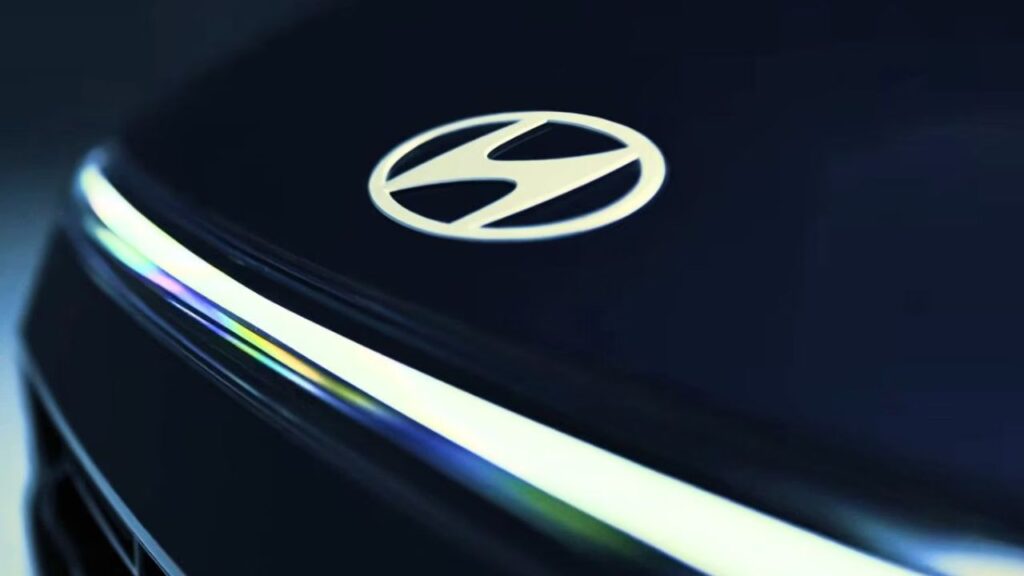
The internal design of the headlamp housing features several curved chrome-finished lines that catch the light beautifully. Unlike the third-generation hatchback that you see on Indian roads today, the new grille sits completely separate from the main headlight clusters. This structural separation mirrors the design language of the new Verna sedan. The front bumper looks much wider, and the lower air intake gets a sportier mesh pattern. The classic Hyundai logo sits directly on the painted sheet metal of the bonnet rather than resting inside the plastic grille mesh. The logo features a clean, brushed aluminium finish that looks modern and flat.
The Rear Design Got a Total Makeover That Changes Everything
The rear end of the upcoming premium hatchback looks completely different from the current model. The designers replaced the old Z-shaped taillights with a clean, modern C-shaped LED signature. A thick LED light bar runs straight through the middle of the tailgate to join the left and right lighting clusters. This connected look mimics the rear design of the updated Creta and the Venue compact SUVs. A lot of people thinks this new rear lighting setup makes the car look lower to the ground.
You can spot a dark black trim piece running right under the rear windscreen glass if you look closely at the teaser details. The brushed aluminium Hyundai logo sits directly on this dark trim piece to match the front emblem design. The rear bumper gets a new faux skid plate with integrated vertical reflectors on the corners. The exhaust pipe stays completely hidden behind the lower plastic trim to maintain a clean appearance. These body changes mean the fourth-generation i20 will likely measure slightly wider and longer than the current version. The wheelbase might grow by a few millimeters to create more room inside the cabin for rear passengers.
What is Inside the Cabin of the Fourth-Gen Hatchback?
Hyundai managed to keep the interior photos completely hidden from the official teaser release. Car spotters still managed to catch some heavily camouflaged test mules driving on public roads. These spy shots give us a good idea of what to expect when the doors finally open. The dashboard will likely receive a large, curved dual-screen housing that combines two separate digital displays under a single piece of glass. One 10.25-inch screen will act as the digital instrument cluster for the driver, and the second 10.25-inch screen will handle the main infotainment software.
The physical steering wheel looks totally new in the spy photos. It features a four-spoke design that looks identical to the unit found in the new Creta. The center pad of the steering wheel skips the traditional ‘H’ logo entirely. Hyundai replaced it with four clean dots, which represents the letter ‘H’ in international Morse code. The center console area gets a cleaner layout with a smaller gear selector lever and a couple of fast USB-C charging ports. You can view the basic standard features and specifications of the current i20 platform in the detailed reference table below.
| Category | Technical Specification or Feature Detail |
| Ex-Showroom Price | Rs 6.00 Lakh to Rs 11.59 Lakh |
| Fuel Efficiency Range | 16 kmpl to 20 kmpl |
| Braking Hardware | Front Discs / Rear Discs |
| Overall Vehicle Length | 3995 mm |
| Comfort Amenities | Cooled Glovebox, Power Windows, Bluetooth |
Forget the Old Engine, You Might Get a Brand New Turbo Under the Hood
The mechanical side of the next-generation i20 will offer some familiar choices along with one massive potential surprise. Hyundai will almost certainly carry forward its reliable 1.2-litre naturally aspirated four-cylinder petrol engine. This base engine produces exactly 84 horsepower, and it connects to a five-speed manual transmission or a smooth CVT automatic. This motor works perfectly for daily city commutes because it delivers predictable power and returns good fuel economy numbers. The second current engine option is the 1.0-litre three-cylinder turbo-petrol motor that makes 120 horsepower. Some global car markets get a slightly detuned 100-horsepower version of this exact same three-cylinder engine.
The big news centers around a brand-new 1.2-litre turbocharged petrol engine that Hyundai is currently engineering behind closed doors. This new motor aims to deliver significantly more torque than the old three-cylinder turbo while maintaining excellent fuel efficiency. It will run much smoother than the current 1.0-litre engine because it uses four cylinders instead of three. This reduces the natural vibrations you feel through the steering wheel when idling at a red light. The company wants a motor that slots perfectly under the larger 1.5-litre turbo engine used in the Creta. We do not know yet if India will get this new 1.2-litre turbo engine right at launch.
The Tech Features That Will Make the Baleno Sweat
The premium hatchback segment in India remains highly competitive, so Hyundai must pack the new i20 with advanced technology. The current model already has a cooled glovebox and front power windows, but the fourth-generation car needs to go much further. Hyundai will likely introduce a comprehensive Level 2 ADAS safety suite on the top-tier variants. This camera and radar system will include autonomous emergency braking, lane keep assist, and adaptive cruise control. This will make the i20 one of the safest hatchbacks on the Indian market.
- The 360-degree camera system will make parking in tight city spots completely effortless.
- The blind-spot monitor will display a live video feed directly on your digital instrument cluster.
- The wireless charging pad will include a built-in cooling fan to prevent your smartphone from overheating.
- The ambient lighting system will offer up to 64 custom colors that can change based on your selected drive mode.
- The connected car tech will allow you to start the engine and control the cabin temperature using your smartwatch.
The inclusion of these premium features will help the i20 justify its higher price tag when compared to the Maruti Baleno or Tata Altroz. The current i20 N-Line variants already offer sportier suspension tuning and a louder exhaust note. The fourth-generation N-Line models will continue this tradition with even sharper handling characteristics. You can expect red interior stitching, aluminum sports pedals, and a bespoke mesh grille on those performance-oriented models.
We Decoded the Estimated Price List So You Can Start Saving
You should expect a noticeable price bump when the fourth-generation model finally reaches Indian dealerships. The current standard i20 starts at Rs 6 lakh and climbs up to Rs 10.39 lakh for the fully loaded petrol automatic variant. The sportier i20 N-Line models currently retail between Rs 9.27 lakh and Rs 11.59 lakh ex-showroom. The new connected LED lighting, updated dashboard electronics, and advanced ADAS safety hardware will drive the production costs up. The entry-level price might hover around Rs 6.50 lakh, and the top-spec N-Line variants will likely cross the Rs 12.50 lakh mark.
This pricing strategy keeps the car positioned as a premium product that sits slightly above the average commuter hatchback. Buyers who want maximum cabin space and top-tier tech features without moving up to a bulkier sub-four-meter SUV will find this attractive. The manual transmission variants will continue to offer the lowest entry point for budget-conscious buyers. The advanced dual-clutch automatic transmissions will remain exclusive to the turbocharged engine options. You should start planning your finances now if you want to pick up the keys to one of these new models next year.
When Can You Actually Park One in Your Garage?
The official global debut during the FIFA World Cup 2026 means the international launch will happen in the third quarter of this year. Hyundai usually prioritizes the European and South American markets for its premium hatchback lineup. The Indian launch timeline remains unconfirmed by the factory management, but a local release in early 2027 seems highly probable. Test mules have not been spotted on Indian roads yet, which means local real-world validation trials are still in the early stages. The factory in Chennai will need to retool its assembly lines to handle the wider body dimensions and the new curved dashboard structure.
The premium hatchback segment has shrunk a little bit because sub-compact SUVs gained immense popularity over the last few years. Cars like the Tata Nexon and Maruti Brezza draw a lot of customers away from traditional hatchbacks. Hyundai believes that a tech-heavy, visually striking fourth-generation i20 can revive interest in the segment. The low-slung driving dynamics and superior highway stability of a premium hatchback cannot be matched by a tall, top-heavy SUV. The next few months will provide plenty of official clarity as more teaser videos emerge from the global marketing campaign. You should keep a close eye on the upcoming football tournament broadcasts to catch the first undisguised look at this vehicle.