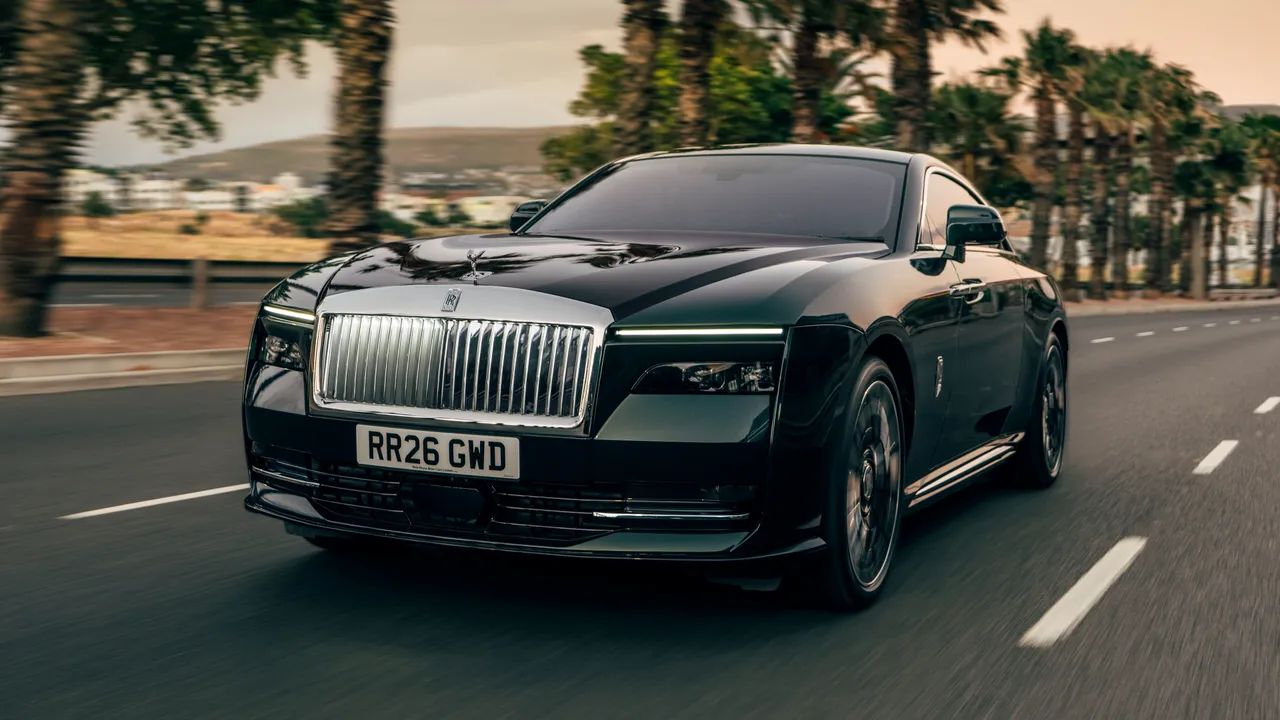
Driving a heavy electric vehicle brings specific realities. You expect a perfectly quiet ride. You expect effortless acceleration. Then you look at the battery meter during a long highway trip. Range anxiety hits everyone. Rolls Royce just released the Spectre Series II to fix this specific issue. The engineers updated the battery cells. They tweaked the electric motors. The new model goes further and drives faster.
Picture yourself leaving your office on a Friday afternoon. You decide to drive three hundred miles to the coast. In older electric cars, you spend your time searching for working chargers along the route. The Spectre Series II gives you an estimated 308 miles of EPA range. That equals 390 miles on the European WLTP testing cycle. You can drive straight to your destination. You arrive with battery capacity to spare. You do not worry about stopping in dark parking lots late at night.
Powertrain Updates and Raw Output
The original Spectre provided plenty of power for most drivers. Some buyers simply wanted more. Engineers at Goodwood recalibrated the drivetrain completely. The standard Spectre Series II now produces 592 horsepower. It generates 1,015 Nm of torque. This is an increase from the previous 549 horsepower and 900 Nm. You feel this difference immediately when you press the right pedal. The car moves forward with immense force.
The Black Badge version pushes these performance numbers much higher. It becomes the most powerful production car in the brand’s long history. In this specific model, you get 670 horsepower when using Infinity Mode. Spirited Mode produces 1,100 Nm of torque. The throttle mapping changes entirely. The steering feels heavier in your hands. The car reacts faster to your inputs.
Power Output Comparison
| Vehicle Specification | Horsepower | Torque Output |
| Original Spectre Model | 549 hp | 900 Nm |
| Series II Standard Edition | 592 hp | 1015 Nm |
| Series II Black Badge | 670 hp | 1100 Nm |
The physical weight of the car requires this massive level of output. A heavy battery pack sits beneath the floorboards. The extra electric power helps overcome the mass of the vehicle. You do not feel the weight when you accelerate away from a stoplight. The electric motors deliver instant thrust to the wheels.
Drivetrain Recalibration and Control
The engineers did not just add power and walk away. They recalibrated the entire drivetrain to handle the extra output. They designed the system to deliver greater immediacy for the driver. The car responds to the accelerator pedal differently now. The older model had a slight delay built into the software. The car wanted to ensure a perfectly smooth takeoff. The Series II removes some of that delay. You command the car to move. It obeys instantly.
The computer distributes the torque between the front and rear axles. It monitors the grip levels of all four tires constantly. You can drive this heavy car aggressively on a winding road. The suspension keeps the body flat through the corners.
Battery Chemistry and Charging Speed
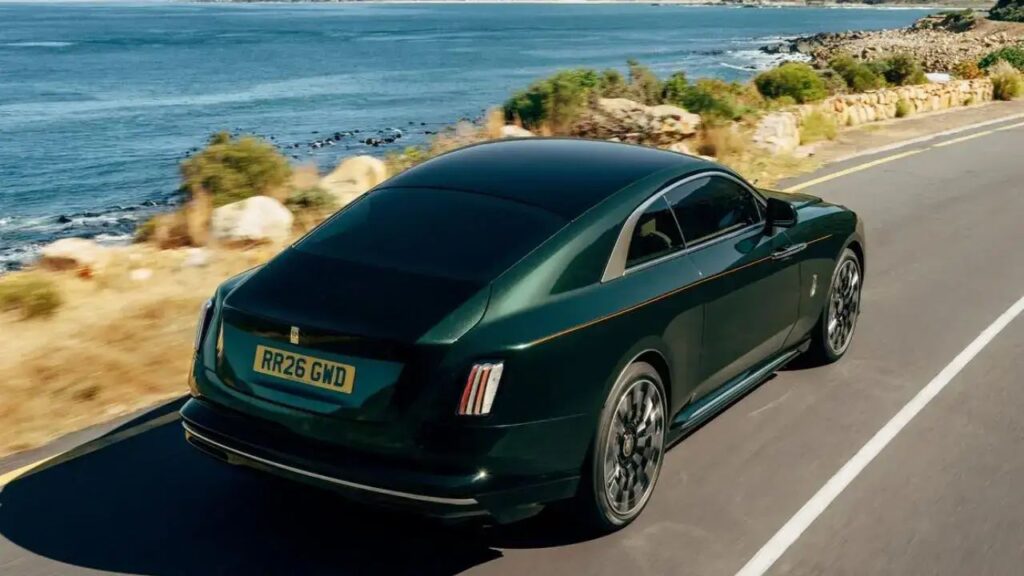
Electric vehicle owners care deeply about driving distance. Rolls Royce used entirely new battery cell technology for the Series II. They did not just make the physical battery pack larger. They changed the internal chemistry of the cells. This specific engineering update increases the total range by 18 percent. The WLTP testing standard shows a maximum range of 628 kilometers. You can travel between major cities without stopping.
Charging speed matters just as much as total range. The updated battery cells allow the car to accept electricity at a much faster rate. Rolls Royce claims a 14 percent reduction in total charging times. You spend less time waiting at the plug. You spend more time driving. The vehicle manages the heat of the battery better during fast charging sessions. This protects the long-term health of the cells inside the floorpan.
North American Charging Standard Switch
Buyers in the United States get a massive hardware change. The Spectre Series II abandons the traditional CCS charging port. It now uses the North American Charging Standard entirely. Tesla originally developed this specific plug design. It is smaller and lighter than the old CCS plug.
This switch solves a major headache for American owners. CCS charging stations often break down. The touchscreens fail in the rain. The thick liquid-cooled cables get too heavy to lift easily. You pull up to a station and find half the plugs out of order. The NACS port gives you direct access to the Tesla Supercharger network. These stations work reliably. You plug the cable into the car. The car talks to the charger automatically. The electricity flows into the battery. You do not need to swipe a credit card or use a buggy phone app.
The condition of American roads caused the company to change their strategy. Luxury car owners do not want to struggle with heavy cables. They do not want to call customer service hotlines to reboot a broken charger. Owners can now plug into Tesla stations. This removes the stress from electric vehicle ownership.
Interior Craftsmanship and Materials
The interior cabin of the car receives entirely new materials. Clients asked for more customization options. Rolls Royce created a fabric called Duality Twill. This is a bamboo-derived textile. It takes direct inspiration from the environment of the French Riviera. The designers wanted to bring a nautical feel into the vehicle.
The production process for this fabric takes a massive amount of time. The factory spends 25 hours completing a single Duality Twill interior. The weaving machines use 16 kilometers of thread. The final product contains exactly 2.6 million stitches. You run your hand over the seats. You feel the physical texture of the bamboo fibers. The material breathes better than traditional leather in hot weather.
The dashboard also looks different in this generation. The designers installed a new Illuminated Fascia. It stretches across the passenger side of the car. It contains 8,108 individual light elements. They arrange these lights to form a specific wave pattern. The lights flow smoothly across the surface of the wood. The lights change color based on your preferences.
Here are the new interior finishes available for the car:
- Duality Twill bamboo textile.
- Placed Perforation leather with custom artistic patterns.
- Brindled Walnut veneer with glass-flake-infused lacquer.
- Redesigned analog clock inspired by classic aviation instruments.
Wood remains a core element of the interior design. The new Brindled Walnut veneer undergoes a special treatment process. Workers mix tiny glass flakes into the liquid lacquer. They spray this mixture over the raw wood. The glass catches the ambient light inside the cabin. It sparkles slightly when you drive under streetlights at night.
The leather seats offer a new feature called Placed Perforation. The factory uses a precise machine to punch tiny holes into the animal hides. They do not just punch random holes for ventilation. They arrange the holes to create artistic patterns. A client can request a specific design. The machine punches the leather to form that exact image. The ambient lighting from under the leather shines through these tiny holes at night.
Exterior Styling and Wheel Options
The outside of the car retains the familiar split headlamp design. The fastback roofline remains exactly the same as the original model. The company developed a new solid paint color called Ethereal Blue. This color looks flat in the shade. It shines brightly in direct sunlight.
The wheel options changed completely for this generation. Buyers can select a 23-inch forged alloy wheel. This wheel features a complex multi-spoke design. The factory cuts the metal with 2.5-millimeter radii. This keeps the edges very sharp after the polishing process finishes. The workers spend six hours hand-finishing each wheel. The new forged wheels on the car makes it look aggressive.
The Black Badge variant gets its own specific exterior treatment. Rolls Royce calls this the Iced Black Exterior Detailing package. They apply a satin-matte finish to the exterior metal parts. This replaces the traditional high-gloss chrome entirely.
Iced Black Detailing Application
| Car Part | Standard Finish | Black Badge Finish |
| Front Grille Surround | Polished Chrome | Satin Matte Black |
| Exterior Door Handles | Polished Chrome | Satin Matte Black |
| Spirit of Ecstasy | Polished Steel | Satin Matte Black |
| Lower Bumper Inserts | Polished Chrome | Satin Matte Black |
Market Context and Pricing Structure
The original Spectre launched in India in January 2024. The base price started at Rs 7.5 crore. The Black Badge version followed a year later in June 2025. It carried a higher price tag of Rs 9.50 crore. The Series II will cost more than the original models. The factory has not released the exact pricing numbers yet. Buyers must contact their local dealers for build allocations.
Sales of the original Spectre slowed down recently. The global numbers dropped 47 percent in 2025. The total volume fell to just 1,002 units worldwide. Buyers had serious concerns about the limited driving range. They disliked the unreliable public charging network. The updates in the Series II directly target these exact complaints.
The larger battery cells solve the distance problem. The NACS plug fixes the charging headache. The extra horsepower makes the car faster off the line. Rolls Royce listened to their clients. They fixed the flaws. They kept the things that worked well. You get a better car as a result. The changes make the daily driving experience much easier. You spend your time enjoying the drive instead of planning your charging stops.