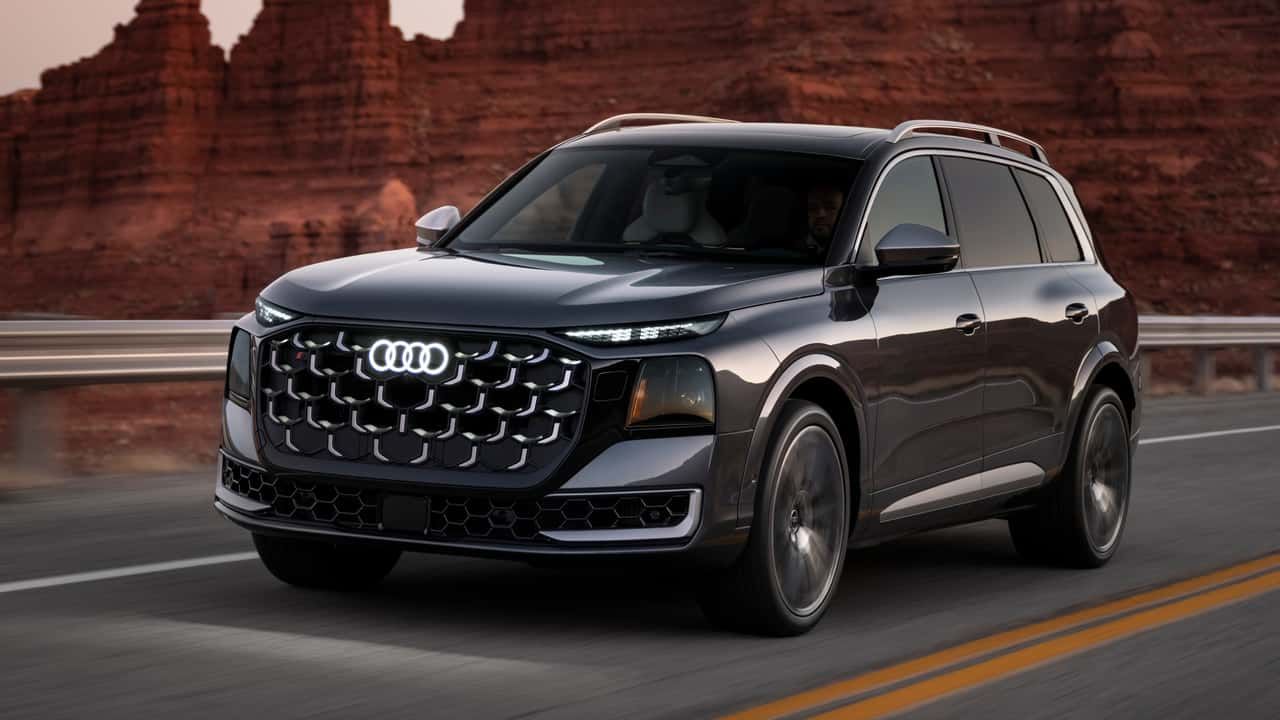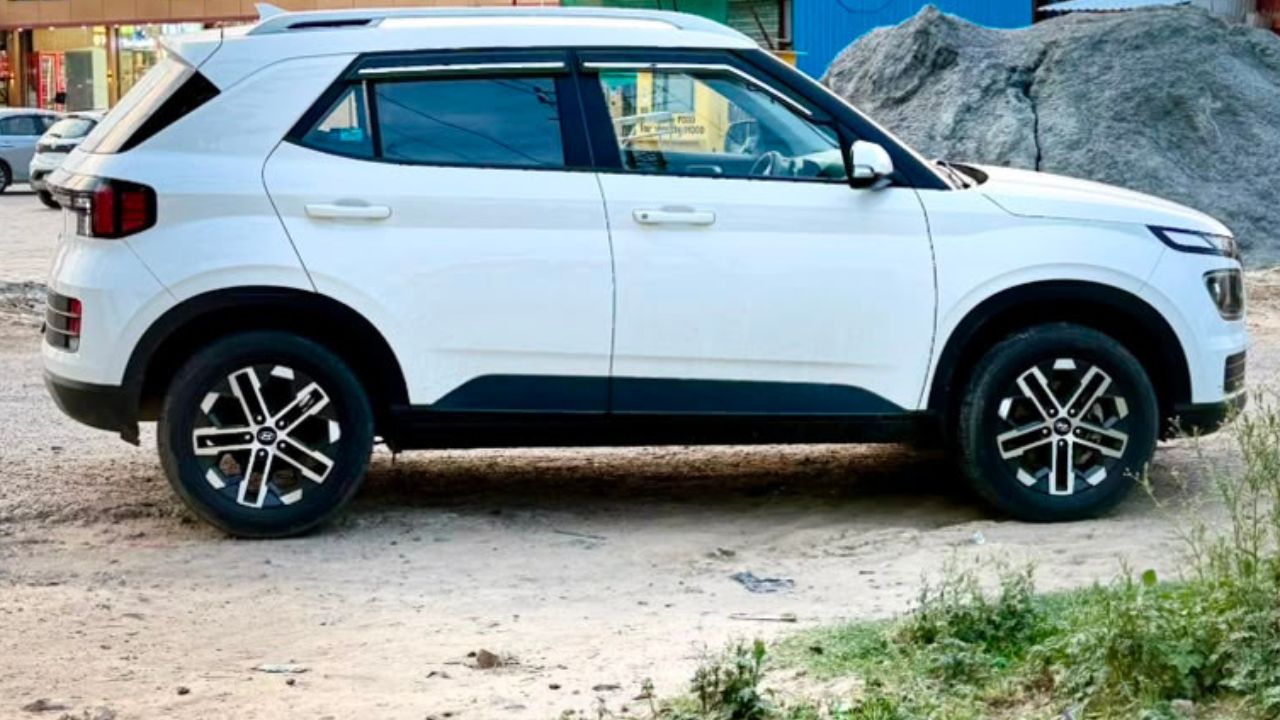
Turbo petrol engines dominate the Indian automotive market in 2026. Buyers prefer these engines because they provide high power output without sacrificing fuel efficiency. When you choose a turbocharged car, you get rapid acceleration for highway overtakes and smooth power delivery for city commutes. Manufacturers now offer these engines across multiple segments, from sub four metre crossovers to premium seven seater sports utility vehicles. You have options ranging from economical one litre three cylinder units to high performance two litre powerhouses. This guide breaks down the best turbo petrol cars available in India, helping you select the right vehicle for your daily driving needs.
Hyundai Creta and Kia Seltos
Hyundai and Kia equip their premium compact SUVs with a highly capable 1.5 litre turbocharged GDi petrol engine. You get 158 brake horsepower and 253 newton metres of torque from this four cylinder unit. When you press the accelerator pedal, the engine delivers power instantly, making highway driving effortless. These vehicles feature a seven speed dual clutch automatic transmission that shifts gears rapidly. If you prefer manual control, you can choose the Creta N Line with a proper six speed manual gearbox or the Seltos with an intelligent manual transmission.
These SUVs handle city traffic and open highways with equal capability. You experience minimal turbo lag at low speeds. When you cross 1500 revolutions per minute, the turbocharger spooling provides a strong surge of acceleration. These vehicles return a fuel efficiency of around 16 to 18 kilometres per litre on the highway. You get premium interiors, excellent safety features like six airbags and electronic stability control, and aggressive styling. The Creta and Seltos represent the benchmark for mid size turbocharged performance in India. Buyers repeatedly choose these models for their refined cabins and punchy mid range performance. The suspension easily absorbs sharp bumps, keeping you comfortable over broken tarmac.
Volkswagen Taigun and Skoda Kushaq
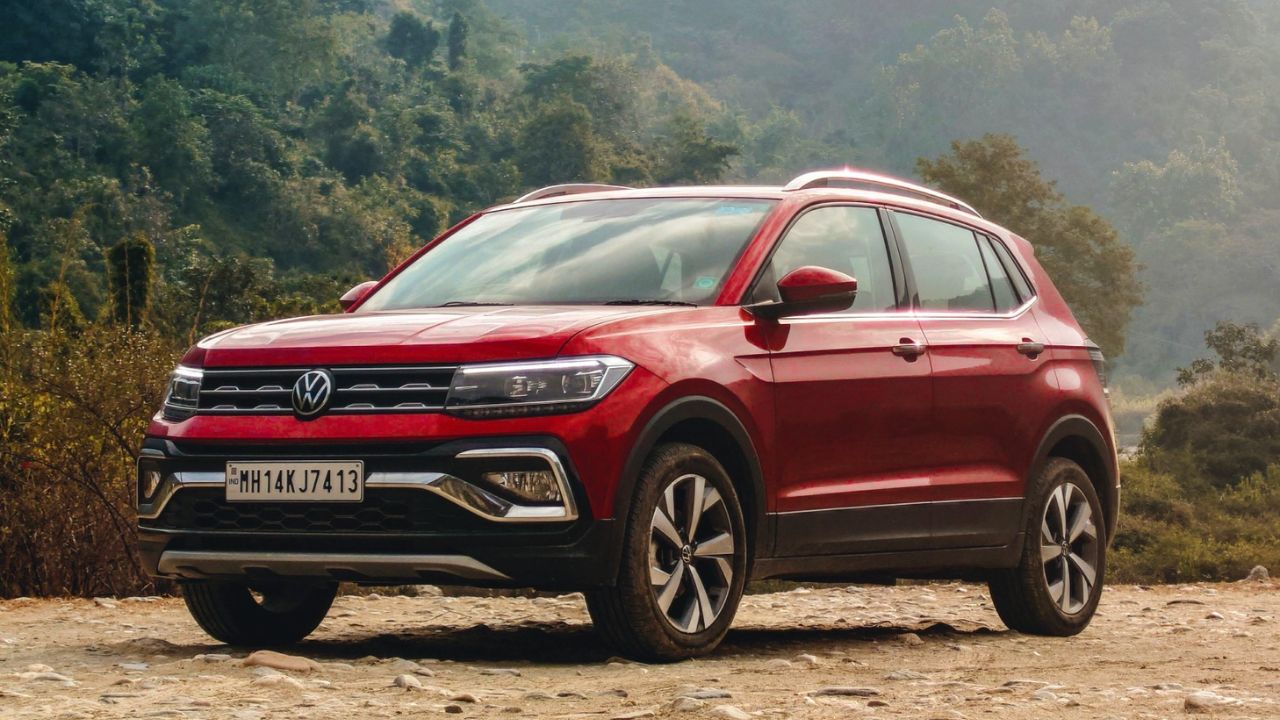
Volkswagen and Skoda build their vehicles around the MQB A0 IN platform, focusing heavily on driving dynamics. You have two turbocharged engine options with the Taigun and Kushaq. The first is a 1.0 litre TSI three cylinder engine that produces 113 brake horsepower and 178 newton metres of torque. This smaller engine suits daily city commutes and occasional highway trips. The second option gives you a massive step up in performance for serious enthusiasts.
The 1.5 litre TSI EVO four cylinder engine generates 148 brake horsepower and 250 newton metres of torque. You can pair this engine with a quick shifting seven speed direct shift gearbox or a six speed manual transmission. This 1.5 litre unit features active cylinder technology. When you cruise at a steady speed on the highway, the system shuts down two cylinders to save fuel. You get the perfect balance of enthusiastic performance and reasonable running costs. The stiff suspension setup and precise steering make these SUVs highly capable on twisting mountain roads. The structural rigidity of the chassis ensures you feel planted and secure even at triple digit speeds.
Mahindra XUV700 and Scorpio N
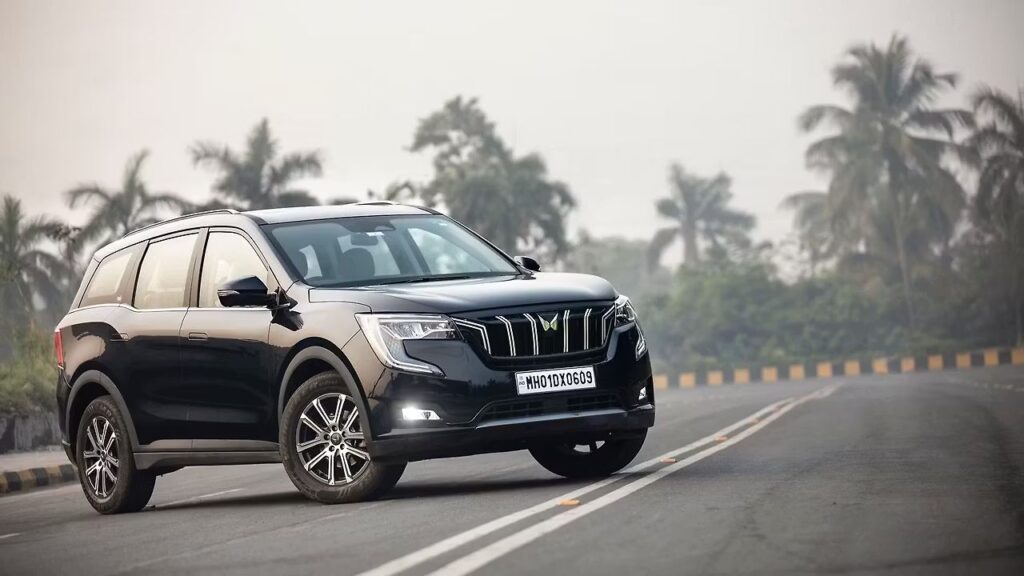
Mahindra dominates the larger vehicle segments with their mStallion turbocharged petrol engines. When you buy an XUV700 or a Scorpio N, you receive a massive 2.0 litre TGDi petrol engine. This power unit produces 200 brake horsepower and up to 380 newton metres of torque. You will rarely find this level of performance in the sub 30 lakh price bracket. These vehicles weigh close to two tonnes, yet the turbo petrol engine pulls them with surprising urgency.
The XUV700 sends power to the front wheels, offering a refined and quiet highway cruising experience. The Scorpio N uses a rear wheel drive architecture, giving you a rugged, traditional SUV feel. You can specify both vehicles with a six speed manual or a six speed torque converter automatic transmission. You must prepare for lower fuel efficiency with these large engines. In heavy city traffic, you will typically see 7 to 9 kilometres per litre. However, the sheer power and pulling capability make these vehicles excellent for long distance touring with a fully loaded cabin. The massive cabin dimensions ensure your passengers travel in supreme comfort regardless of the terrain outside.
Tata Nexon and Tata Curvv
Tata Motors continues to expand its turbo petrol portfolio. The Tata Nexon remains a top seller in the sub four metre segment. Tata equips this compact SUV with a 1.2 litre three cylinder turbocharged Revotron petrol engine. You get 118 brake horsepower and 170 newton metres of torque. Tata pairs this engine with multiple transmission choices. You can buy a five speed manual, a six speed manual, an automated manual transmission, or a sophisticated seven speed dual clutch automatic. Tata has also introduced the new Curvv coupe SUV, which features a more powerful direct injection version of this 1.2 litre engine, pushing output above 120 brake horsepower.
The Nexon gives you a robust build quality and a five star global safety rating. The turbo petrol engine delivers strong mid range performance. You will notice some engine noise at high revolutions, but the cabin insulation keeps most of the sound out. The wide range of transmission options means you can find a variant that fits your exact budget and driving style. The Nexon serves as an excellent primary vehicle for buyers who navigate tight city streets but want enough power for weekend getaways. The high ground clearance further protects the underbody when you drive over severe speed breakers.
Maruti Suzuki Fronx
Maruti Suzuki re introduced their Boosterjet engine technology with the Fronx crossover. This vehicle features a 1.0 litre three cylinder turbocharged petrol engine producing 98 brake horsepower and 148 newton metres of torque. Maruti pairs this engine with a 48 volt mild hybrid system to improve fuel efficiency and provide torque assist at low speeds. You can choose a five speed manual gearbox or a six speed torque converter automatic transmission.
The Fronx weighs under 1100 kilograms. This light weight allows the 1.0 litre turbo engine to deliver punchy acceleration. You can easily navigate gaps in city traffic. The torque converter automatic transmission provides smooth shifts, completely avoiding the jerkiness sometimes associated with dual clutch units in stop and go traffic. You receive excellent fuel economy, typically achieving 18 to 20 kilometres per litre on the highway. The Fronx offers an accessible entry point into turbocharged performance. The compact dimensions make parking extremely easy in crowded market areas.
Comparing Technical Specifications
The market offers distinct engine capacities and power outputs. You must compare these figures to determine which vehicle aligns with your performance expectations.
| Vehicle Model | Engine Capacity | Power Output | Torque Output | Transmission Types |
| Hyundai Creta | 1.5L Turbo GDi | 158 bhp | 253 Nm | 6 MT, 7 DCT |
| Skoda Kushaq | 1.5L TSI EVO | 148 bhp | 250 Nm | 6 MT, 7 DSG |
| Mahindra Scorpio N | 2.0L mStallion | 200 bhp | 380 Nm | 6 MT, 6 AT |
| Tata Nexon | 1.2L Revotron | 118 bhp | 170 Nm | 5 MT, 6 MT, AMT, 7 DCA |
| Maruti Suzuki Fronx | 1.0L Boosterjet | 98 bhp | 148 Nm | 5 MT, 6 AT |
Analyzing Market Pricing
Pricing dictates most purchase decisions. Manufacturers price their turbo petrol variants at a premium over naturally aspirated models. You pay for the complex engineering required to build these engines.
| Vehicle Model | Starting Ex-Showroom Price | Top Variant Ex-Showroom Price |
| Maruti Suzuki Fronx (Turbo) | Rs 9.72 Lakh | Rs 11.98 Lakh |
| Tata Nexon (Petrol) | Rs 7.37 Lakh | Rs 14.22 Lakh |
| Hyundai Creta (Turbo) | Rs 17.83 Lakh | Rs 20.15 Lakh |
| Skoda Kushaq (1.5 TSI) | Rs 15.99 Lakh | Rs 18.99 Lakh |
| Mahindra Scorpio N (Petrol) | Rs 13.49 Lakh | Rs 21.98 Lakh |
You will notice that the Maruti Fronx and Tata Nexon provide the most affordable entry points. If you want a full sized vehicle like the Scorpio N or Creta, you must expand your budget considerably.
Advantages of Turbo Petrol Engines
Choosing a turbo petrol engine gives you specific mechanical advantages over naturally aspirated engines.
- You get higher torque figures at lower engine speeds, requiring fewer gear changes in heavy city traffic.
- The smaller engine displacement reduces the overall weight over the front axle, improving steering response and handling.
- You experience less power loss when driving at high altitudes, as the turbocharger forces dense air into the engine block.
- Manufacturers achieve better fuel efficiency during steady highway cruising compared to larger naturally aspirated engines with similar power outputs.
- You pay lower taxes on sub four metre vehicles with engines under 1.2 litres, reducing the initial showroom purchase price.
- You get rapid acceleration that makes overtaking heavy commercial vehicles on single lane highways much safer and quicker.
Understanding Maintenance Requirements
Owning a turbo petrol car requires you to follow strict maintenance schedules. These engines operate under immense heat and pressure. You must use the manufacturer recommended synthetic engine oil to keep the turbocharger bearings properly lubricated. Delaying oil changes leads to sludge buildup, which destroys the turbocharger unit. A replacement turbocharger costs between 40,000 and 80,000 rupees depending on the vehicle model. Skipping routine maintenance directly damages your engine.
You should practice proper engine idling habits. When you start the car in the morning, let the engine idle for 30 to 60 seconds before driving. This allows the oil to circulate and reach the turbocharger. After a long highway drive, let the engine idle for a minute before shutting it off. This simple practice prevents the oil inside the hot turbocharger from baking and turning into carbon deposits. Replacing the air filter at recommended intervals also ensures the turbocharger receives a clean supply of air, preventing premature wear on the delicate compressor wheel. Treat the turbocharger correctly, and it will last the lifetime of the vehicle.
Evaluating Long Term Reliability
Modern turbo petrol engines display excellent long term reliability when maintained correctly. Manufacturers perform extensive testing in harsh Indian weather conditions before launching these vehicles. The cooling systems feature larger radiators and intercoolers to manage the extreme heat generated by the turbocharger. However, you face a higher risk of component failure compared to a simple naturally aspirated engine due to the increased number of moving mechanical parts.
Dual clutch transmissions paired with these engines require careful usage in heavy traffic. Creeping forward at very low speeds causes the clutches to slip and overheat rapidly. You should leave a gap and move forward positively rather than inching along constantly. If you spend three hours a day in dense traffic, a torque converter automatic or a manual transmission provides better long term durability and peace of mind. You buy a turbo petrol car for the performance and driving pleasure it delivers, accepting that long term maintenance will cost slightly more over a five year ownership period. You must weigh the thrill of driving against the requirement for disciplined upkeep.
Making Your Purchase Decision
Select a 1.0 litre turbo engine if your daily driving consists mostly of city commutes with occasional highway runs. The Maruti Suzuki Fronx provides ample power while keeping your monthly fuel bills low. If you frequently travel on expressways and enjoy enthusiastic driving, the 1.5 litre engines in the Hyundai Creta or Volkswagen Taigun offer the best performance balance. These engines give you genuine sports car acceleration in a practical SUV body shape.
Buyers who need to transport a large family over long distances should look at the Mahindra XUV700 or Scorpio N. Their massive 2.0 litre engines handle heavy passenger loads effortlessly. You get the power required to climb steep mountain roads without straining the engine. Review your exact travel patterns, calculate your daily running distance, and test drive the specific transmission variants before finalizing your purchase. You will find that modern turbo petrol engines transform a standard daily commute into an enjoyable driving experience.