The Indian Sugar & Bio-energy Manufacturers Association (ISMA) has indicated that locally manufactured ethanol conversion kits for petrol vehicles could be made available to consumers at a price not exceeding Rs 15,000. This estimate comes from Deepak Ballani, director general of ISMA, who highlighted the potential for significant cost reduction through domestic production and economies of scale. The statement reflects growing interest in flex fuel technology as India pushes for higher ethanol blends in petrol to reduce import dependence and lower vehicle emissions.
Currently imported ethanol conversion kits available through online platforms typically range between Rs 40,000 and Rs 60,000. The substantial price difference underscores the importance of developing a local manufacturing ecosystem. Ballani emphasized that achieving affordability will require collaboration between industry stakeholders, testing agencies, and regulators to ensure kits meet Indian operating conditions and safety standards.
ISMA Conducts Tests On Imported Conversion Kits
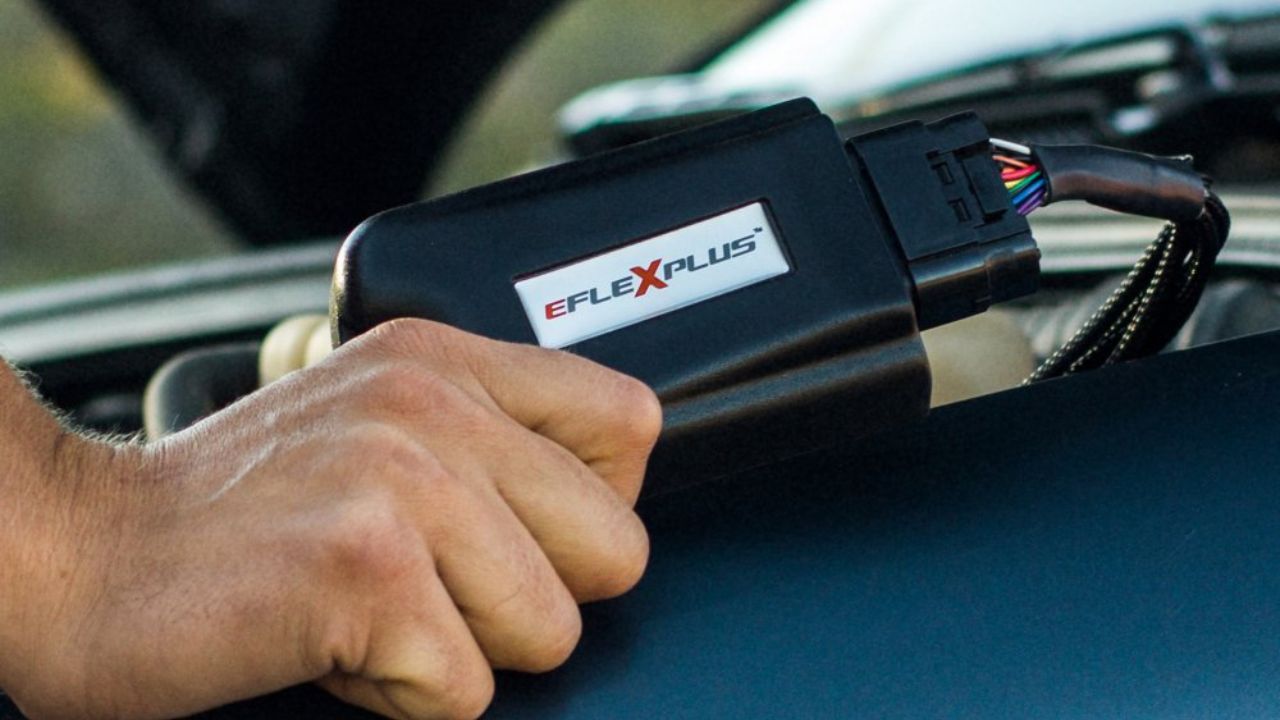
To evaluate the viability of ethanol conversion technology ISMA collaborated with IIT Delhi for a comprehensive study. Imported kits from Finland based eFlexFuel were retrofitted to a BS4 Maruti Swift compliant with E10 fuel and a BS6 Maruti Swift Dzire compliant with E20 fuel. Both vehicles underwent extensive testing covering more than 10,000 kilometers across various ethanol blends from E15 to E100.
The BS4 Swift accumulated 10,500 kilometers during the test program including 1,000 kilometers on pure E100 fuel. The BS6 Swift Dzire covered 14,250 kilometers with 5,000 kilometers completed on E100. Researchers monitored key performance parameters including acceleration deceleration starting behavior real time engine performance emissions fuel consumption and overall engine health.
The final report indicated no abnormal behavior across the test duration. The eFlexFuel kits priced around Rs 45,000 use an ethanol sensor to measure fuel composition and automatically adjust injection parameters. This allows the engine to adapt seamlessly to different ethanol blends without requiring separate ECU calibrations for each mix.
Ballani noted that the tests demonstrated BS4 and BS6 vehicles could be safely converted to flex fuel operation. The vehicles ran without any damage or significant performance degradation even on E100 fuel. These results provide important validation for the technology in Indian conditions although further localized development and regulatory approval will be necessary before widespread commercial rollout.
Technical Functioning Of Ethanol Conversion Kits
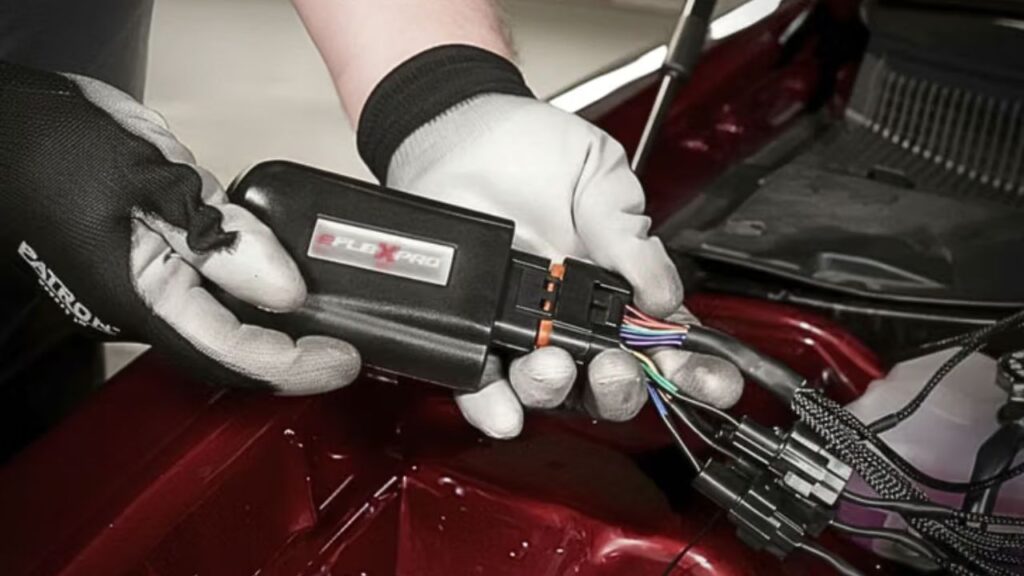
Ethanol conversion kits enable existing petrol engines to operate on higher ethanol blends including E85 and E100. The core component is an ethanol content sensor installed in the fuel line. This sensor continuously measures the percentage of ethanol in the fuel mixture and sends data to a control module.
The control module processes this information and modifies fuel injection timing and quantity to maintain optimal combustion. Ethanol has different energy density and combustion characteristics compared to pure petrol so precise adjustments are essential for smooth engine operation cold starts and emissions control.
Modern kits also include upgraded fuel lines seals and sometimes modified injectors to handle the corrosive properties of higher ethanol blends. The system works alongside the vehicle existing engine control unit ensuring compatibility without major hardware changes. This approach allows millions of existing petrol vehicles to transition to higher ethanol blends without requiring full engine replacement.
The technology has been successfully deployed in countries like Brazil where flex fuel vehicles have operated reliably for decades. Indian testing aims to verify performance under local climate conditions fuel quality variations and driving patterns.
Potential Benefits For India Ethanol Blending Program
India has set ambitious targets for ethanol blending in petrol. The government aims to achieve E20 blending by 2025 with longer term goals for higher blends. Conversion kits could accelerate adoption by enabling older vehicles to use these fuels safely and efficiently.
Higher ethanol blends offer multiple advantages. Ethanol is produced domestically from sugarcane and other feedstocks reducing reliance on imported crude oil. It burns cleaner than pure petrol lowering tailpipe emissions of carbon monoxide and hydrocarbons. For consumers flex fuel capability provides fuel choice and potentially lower running costs when ethanol prices are competitive.
Ballani emphasized that conversion kits could provide a practical pathway for millions of existing petrol vehicle owners. Rather than waiting for natural fleet turnover the technology allows quicker transition to higher blends supporting national energy security and environmental objectives.
Challenges In Localizing And Approving The Technology
While imported kits have shown promise in controlled testing several steps remain before local versions can reach the market. Ballani stressed that indigenous kits must undergo rigorous testing and regulatory approvals from automotive testing agencies and vehicle manufacturers.
Key challenges include ensuring compatibility with Indian fuel quality variations extreme temperatures and diverse driving conditions. Local manufacturing will require development of supply chains for sensors control modules and compatible components. Quality standards must match or exceed those of imported systems to ensure safety and reliability.
ISMA has formally requested the government to establish a clear framework for testing certification and commercialization of conversion kits. This structured approach will help build confidence among vehicle manufacturers consumers and enforcement agencies.
The table below compares key aspects of imported and potential local ethanol conversion kits.
| Aspect | Imported Kits | Potential Local Kits |
|---|---|---|
| Current Price Range | Rs 40,000 to Rs 60,000 | Targeted around Rs 15,000 |
| Ethanol Sensor Technology | Advanced automatic adjustment | Similar with local adaptations |
| Testing Conducted | 10,000+ km on BS4 and BS6 cars | Additional local validation needed |
| Regulatory Status | Evaluated in study | Requires formal approvals |
This comparison illustrates the cost reduction potential while highlighting the need for thorough validation.
Broader Impact On Indian Automotive And Sugar Sectors
Successful localization of ethanol conversion kits could create synergies between the automotive and sugar industries. India is one of the largest sugar producers globally and increased ethanol demand supports farmers and rural economies. The sugar sector has invested in ethanol production capacity aligning with government blending targets.
For the automotive industry the technology offers a way to extend the usability of existing vehicle fleets. Rather than premature scrappage conversion allows continued operation on higher ethanol blends. This approach balances environmental goals with economic considerations for vehicle owners.
Consumer acceptance will depend on demonstrated reliability ease of installation and clear information about performance on different blends. Education campaigns and transparent testing results will play important roles in building confidence.
Future Outlook For Flex Fuel Technology In India
The ISMA initiative represents an important step toward greater fuel flexibility in Indian vehicles. As blending targets increase conversion technology could help bridge the gap between current fleet composition and future fuel requirements.
Government support through clear regulations incentives for local manufacturing and infrastructure for E85 and E100 distribution will determine the pace of adoption. Collaboration between industry research institutions and policymakers will be essential for successful implementation.
The tests conducted so far provide encouraging data but real world performance across diverse Indian conditions will ultimately determine viability. Continued monitoring and iterative improvements will help refine the technology for mass market application.
For India the development of affordable ethanol conversion kits aligns with multiple national priorities. Energy security reduced emissions support for agriculture and consumer choice all benefit from successful deployment. As the technology matures it could become a significant contributor to sustainable mobility while strengthening domestic manufacturing capabilities.
The coming months will be crucial as stakeholders work toward regulatory frameworks and localized production. If successful the initiative could mark an important milestone in India transition toward higher ethanol blends and more sustainable transportation fuels.